
Day turns to darkness as total eclipse sweeps Spain and Iceland
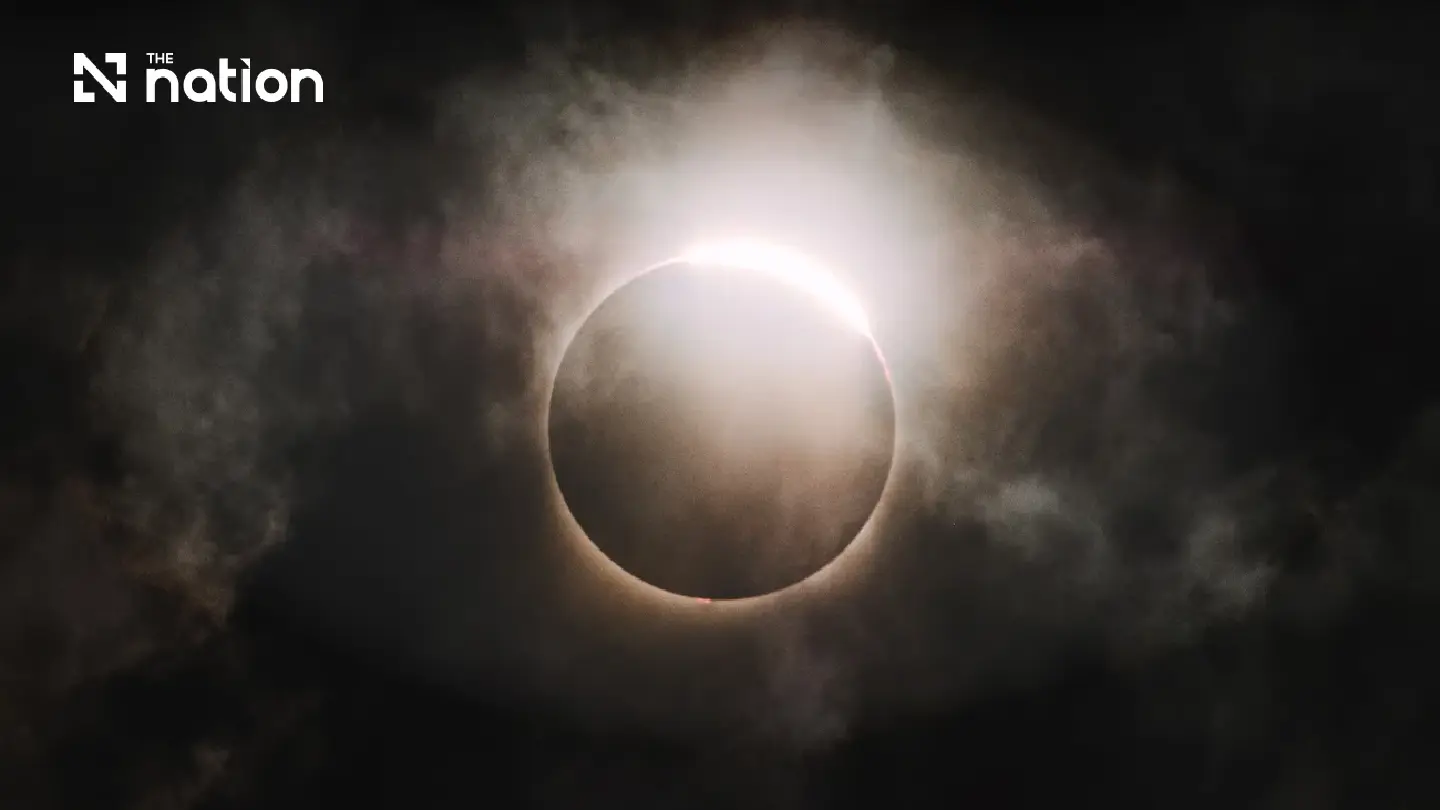


Millions watched Western Europe’s first total solar eclipse in 27 years as daylight briefly turned to darkness across Spain and Iceland.
Millions of people across Western Europe gathered to watch a total solar eclipse on Wednesday (August 12), as the Moon’s shadow passed over parts of the continent and briefly plunged areas of Spain and Iceland into twilight-like darkness.
The event was the first total solar eclipse visible from Western Europe in 27 years. The path of totality crossed northern Spain and parts of Iceland, turning cities and rural communities along the route into some of Europe’s most important viewing locations.
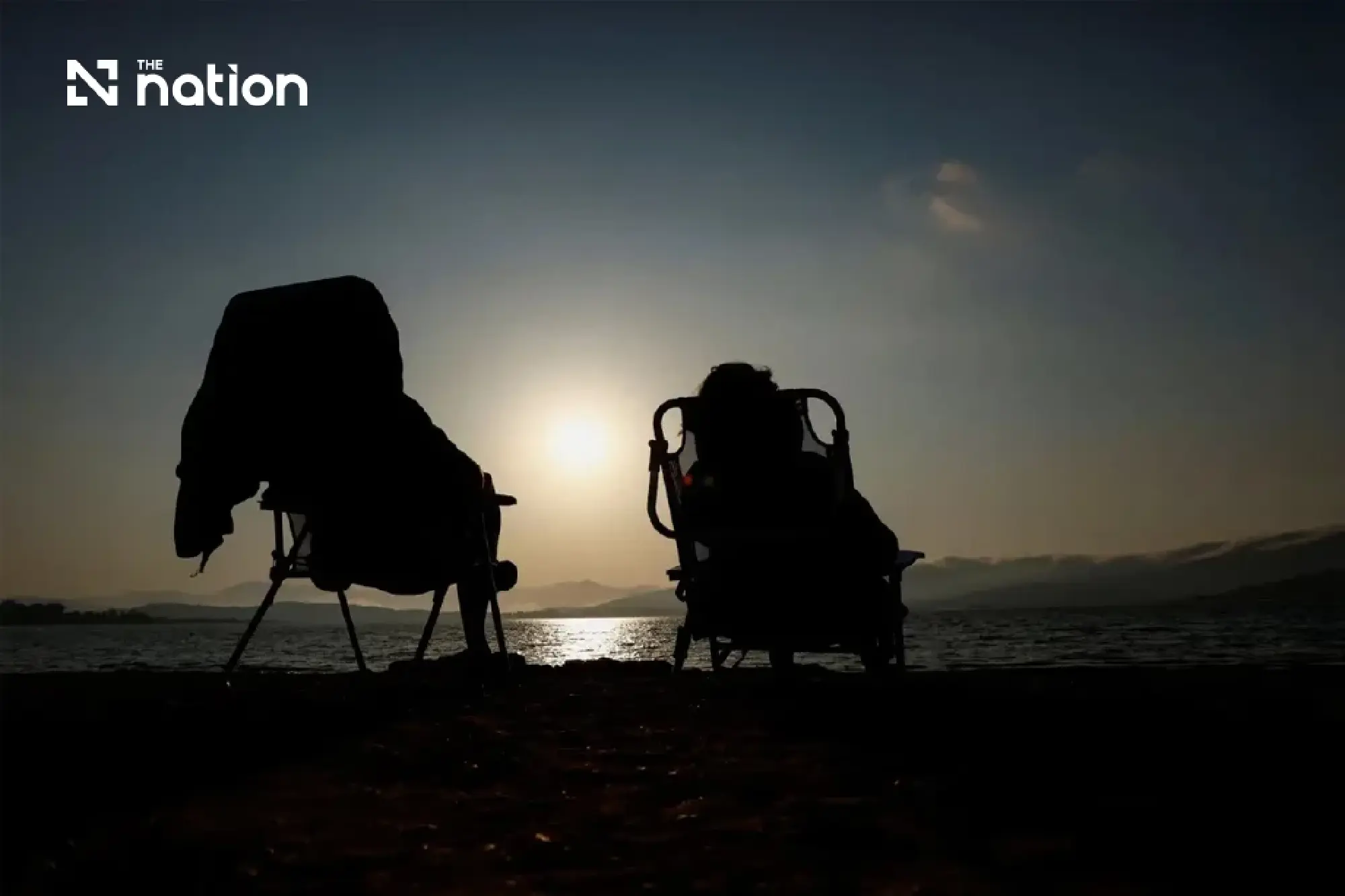
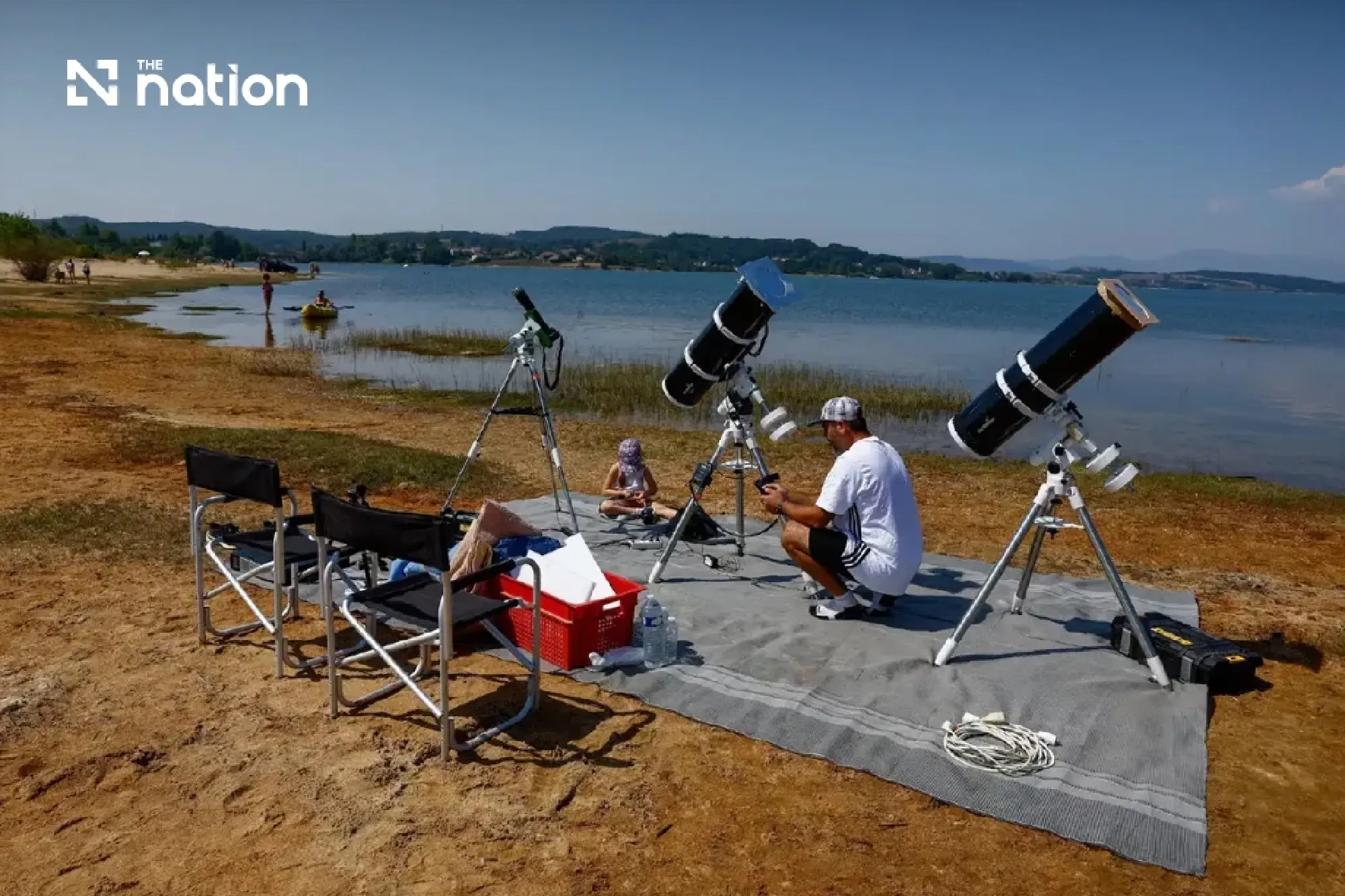
In Spain, spectators in rural areas of the north, as well as locations around Madrid, applauded and cheered as the sky gradually darkened and the Moon completely covered the Sun for a brief period.
Red and blue hues slowly returned afterwards, creating colours resembling those seen at sunrise and sunset.
Many spectators described the experience as something from a science-fiction film, as daylight rapidly gave way to darkness before returning within only a few minutes.
Clouds disrupt viewing in parts of Iceland
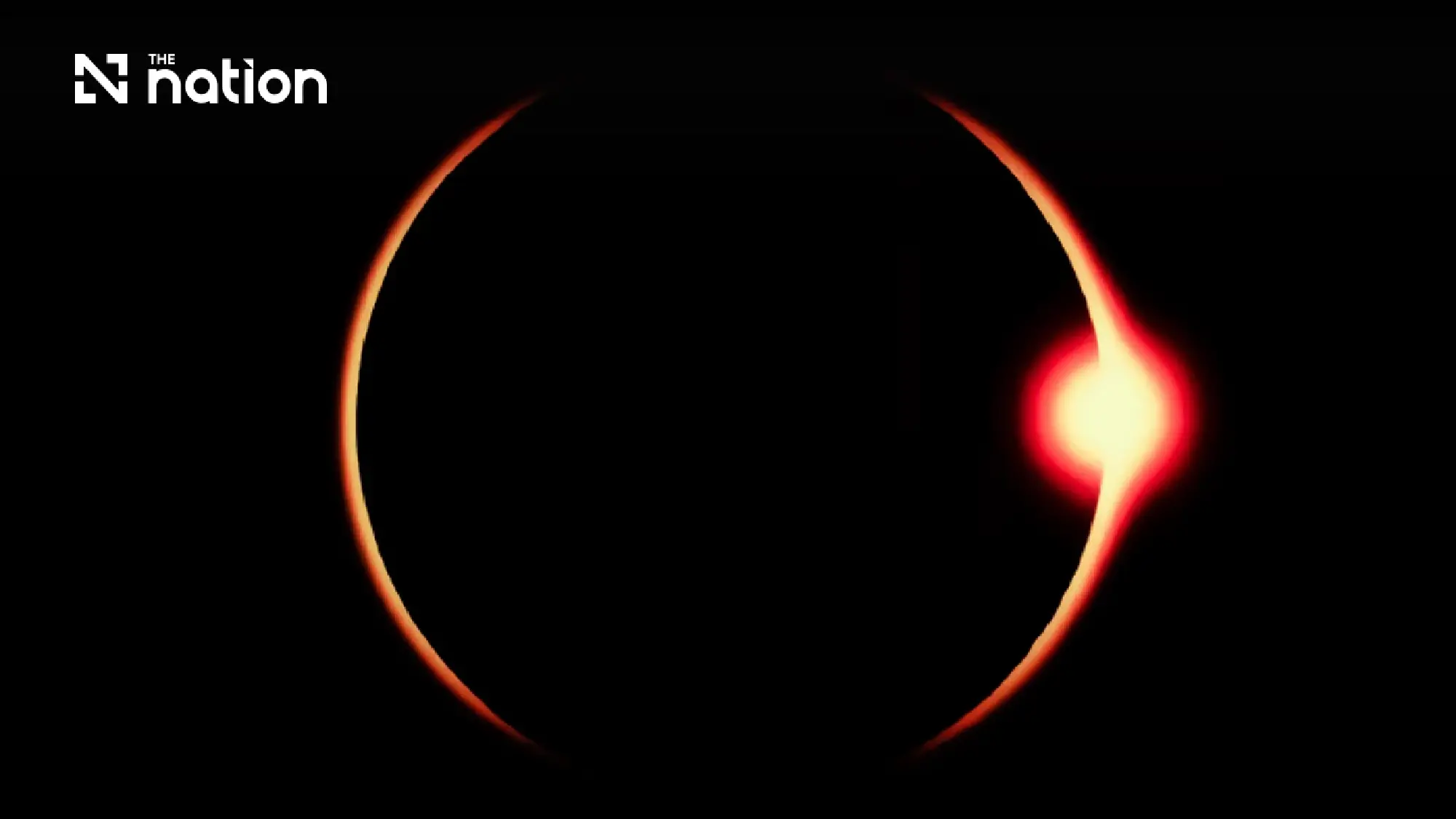
In Iceland, cloud cover obscured the eclipse in many areas, although spectators in the west of the country were still able to see the event.
Totality lasted for as long as approximately two minutes and 13 seconds in some western locations.
Large numbers of tourists and local residents gathered in Reykjavik, while eclipse-viewing glasses had sold out several days in advance.
Iceland, which has a population of about 400,000, had expected to receive around 80,000 additional visitors because of interest in the eclipse.
The event also attracted so-called “eclipse chasers”, who travel across countries and continents to reach locations offering the best view of totality.
Spain deploys major security operation
Spain introduced extensive security measures after estimating that as many as six million visitors could travel to areas along the eclipse path and the Balearic Islands.
Authorities deployed approximately 25,000 police officers, along with nearly 100 aircraft and helicopters, to protect spectators and respond to the risk of wildfires.
The eclipse therefore became more than an astronomical event, emerging as a major tourism occasion for Europe.
Rural communities in particular were able to attract visitors away from large cities and crowded coastal destinations.
The Iberian Peninsula is also preparing for another solar eclipse on August 2, 2027, followed by an annular eclipse in January 2028.
Together with Wednesday’s event, the three eclipses form what has become known as the “Iberian Eclipse Trio”, a sequence of major solar eclipses occurring across the region.
Source: PostToday
