
BYD RACCO marks broader Chinese EV push into Japan’s EV market
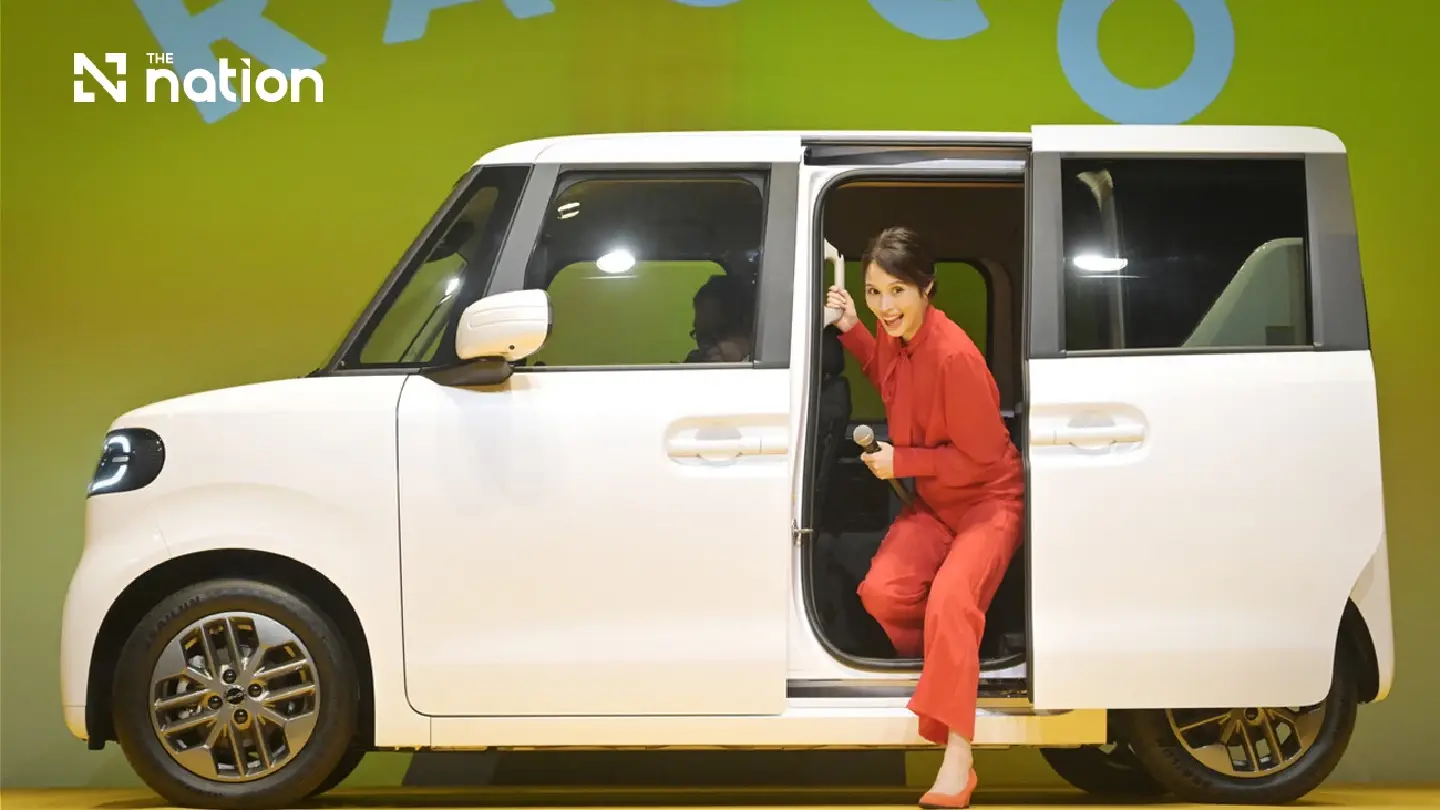


BYD has tailored the RACCO to Japanese buyers, while Chery and ZEEKR prepare their own models for a market with fewer barriers than the US and Europe.
Automatic sliding doors are popular with families with children; an umbrella stand and a heat-insulated cup holder are among the features Chinese EV giant BYD has included in an electric minicar tailored to Japanese buyers.
Developed solely for Japan, the BYD RACCO was launched on July 28.
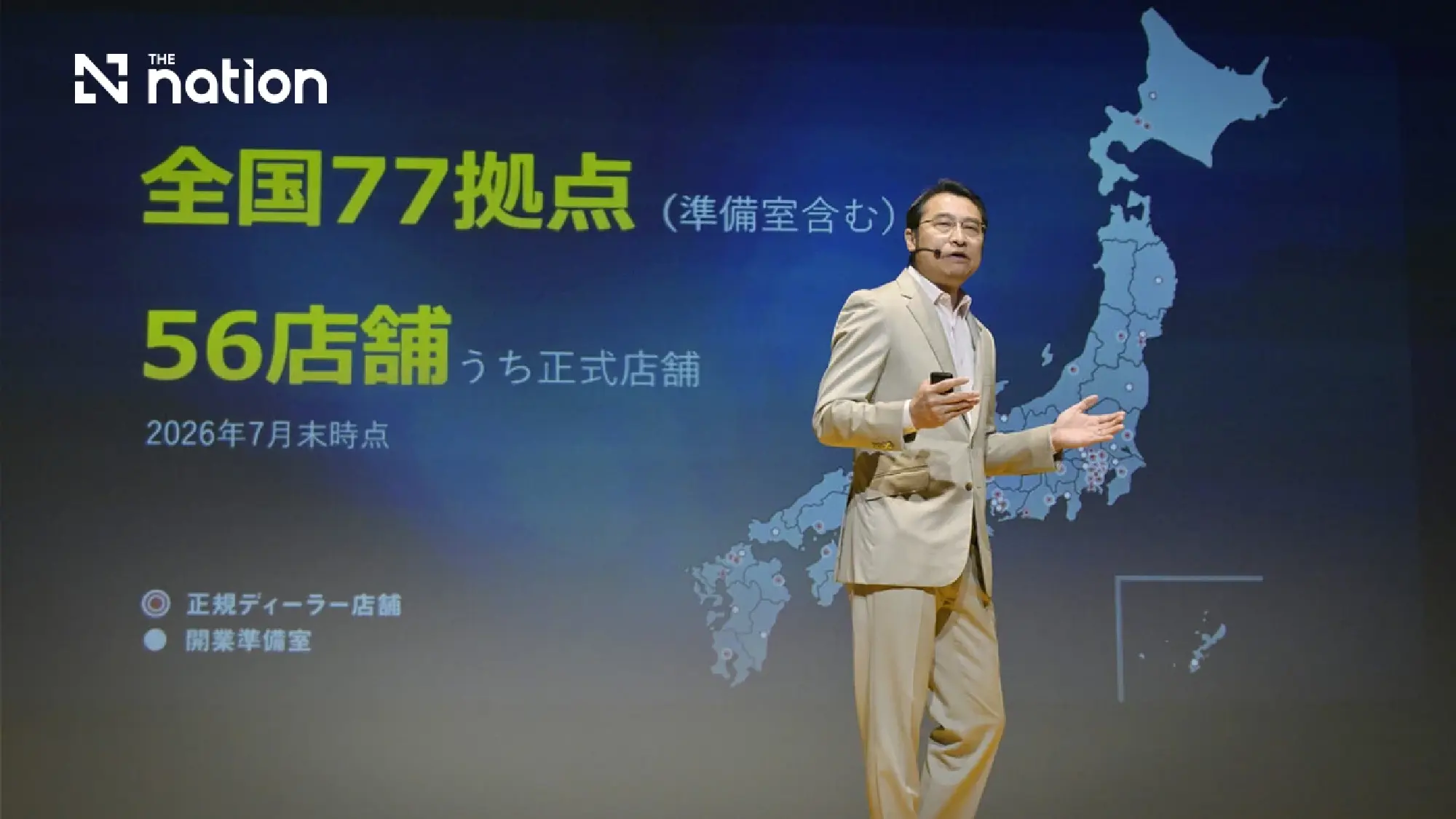
At the Tokyo presentation, BYD vice-president Liu Xueliang set out the company’s intention to build its share of the Japanese market over the long term.
To create the RACCO, BYD recruited a former engineer from Japanese automaker Nissan Motor who had led development of the Nissan Sakura electric minicar.
Globally, BYD sold about 4.6 million vehicles last year, with Southeast Asia and Europe generating most of its growth.
That volume put the company ahead of US automaker Tesla as the world’s largest EV manufacturer.
In China, however, new-car sales have weakened since the government reduced incentives for EV purchases.
That domestic slowdown, combined with tariff barriers elsewhere, has made Japan more attractive to Chinese carmakers.
Chinese-built EVs face a 100 per cent tariff in the US, while the European Union has increased its duties.
Japan has imposed no equivalent tariffs, and BYD is collaborating with local importers to create a nationwide sales network.
Other Chinese manufacturers are also preparing for the Japanese market.
Chery Automobile has announced plans to jointly develop an electric minicar with Japanese auto parts maker Autobacs Seven, with sales possible as early as next year.
ZEEKR, a Chinese luxury EV brand, plans to introduce a high-priced electric minivan in Japan.
Hiroyuki Shimizu of international consultancy AlixPartners assessed the opportunity in Japan: “Although the penetration rate of EVs is low compared with the United States and Europe, there are fewer restrictions, and it is easier to enter.”
It is a “low-risk, low-return market”, he added.
Go Meiken of TNC Research & Consulting took a different view: “It’s difficult to imagine that Japanese consumers who want high quality are eager to buy Chinese vehicles.”
“It’s also a challenge whether they can expand sales and maintenance networks” to promote EVs in rural areas, he added.

[Copyright The Jiji Press, Ltd.]
