
Spain reinforces Ceuta as hardship and online calls drive Moroccan migrants
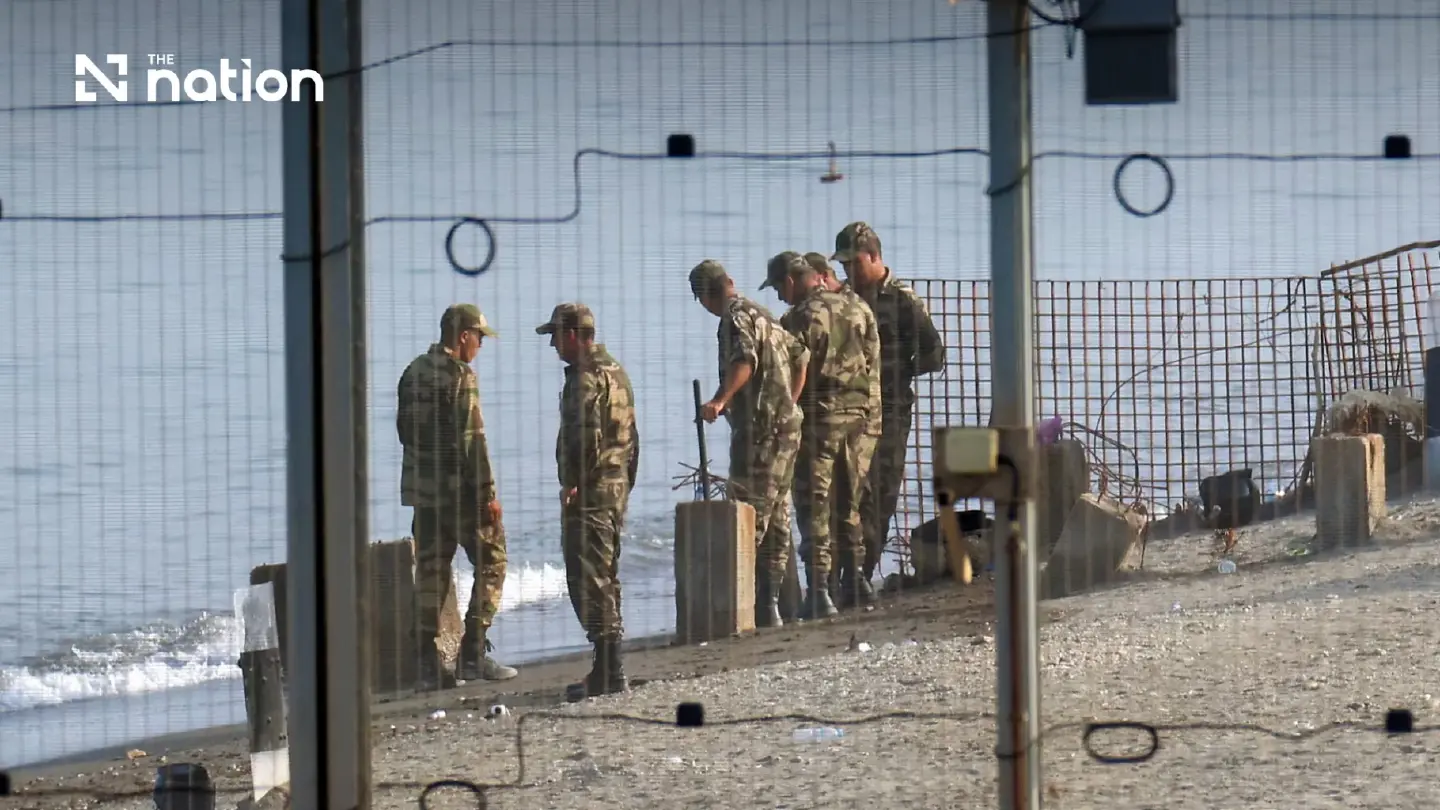


Spain has sent more than 500 extra police to Ceuta after online calls for another mass crossing, two weeks after 72,000 migrants entered the enclave
- Spain has deployed hundreds of additional police officers and soldiers to its North African enclave of Ceuta and installed a new maritime barrier.
- The security reinforcement is a direct response to social media messages urging migrants to attempt a new mass border crossing on August 15.
- Morocco has also increased security on its side of the border, adding razor wire and preventing groups from traveling towards the enclave.
- These measures follow a previous mass crossing on July 30, when an estimated 72,000 people entered Ceuta, prompting authorities to prevent a repeat event.
Spain has reinforced security in its North African enclave of Ceuta after social media messages urged migrants to attempt another mass border crossing on August 15, two weeks after tens of thousands entered the territory from Morocco.
Soldiers were deployed around supermarkets and government buildings on Friday evening, while police stepped up patrols across the enclave.
Spain has sent more than 500 additional police officers from the mainland, with the Interior Ministry saying they will remain for as long as necessary.
The measures follow the July 30 border rush, when more than 72,000 people entered Ceuta and at least 96 died during the attempts, according to Spanish government estimates cited by Reuters.
Spain previously sent military and police reinforcements to Ceuta as migrants crossed by land and sea from Morocco.
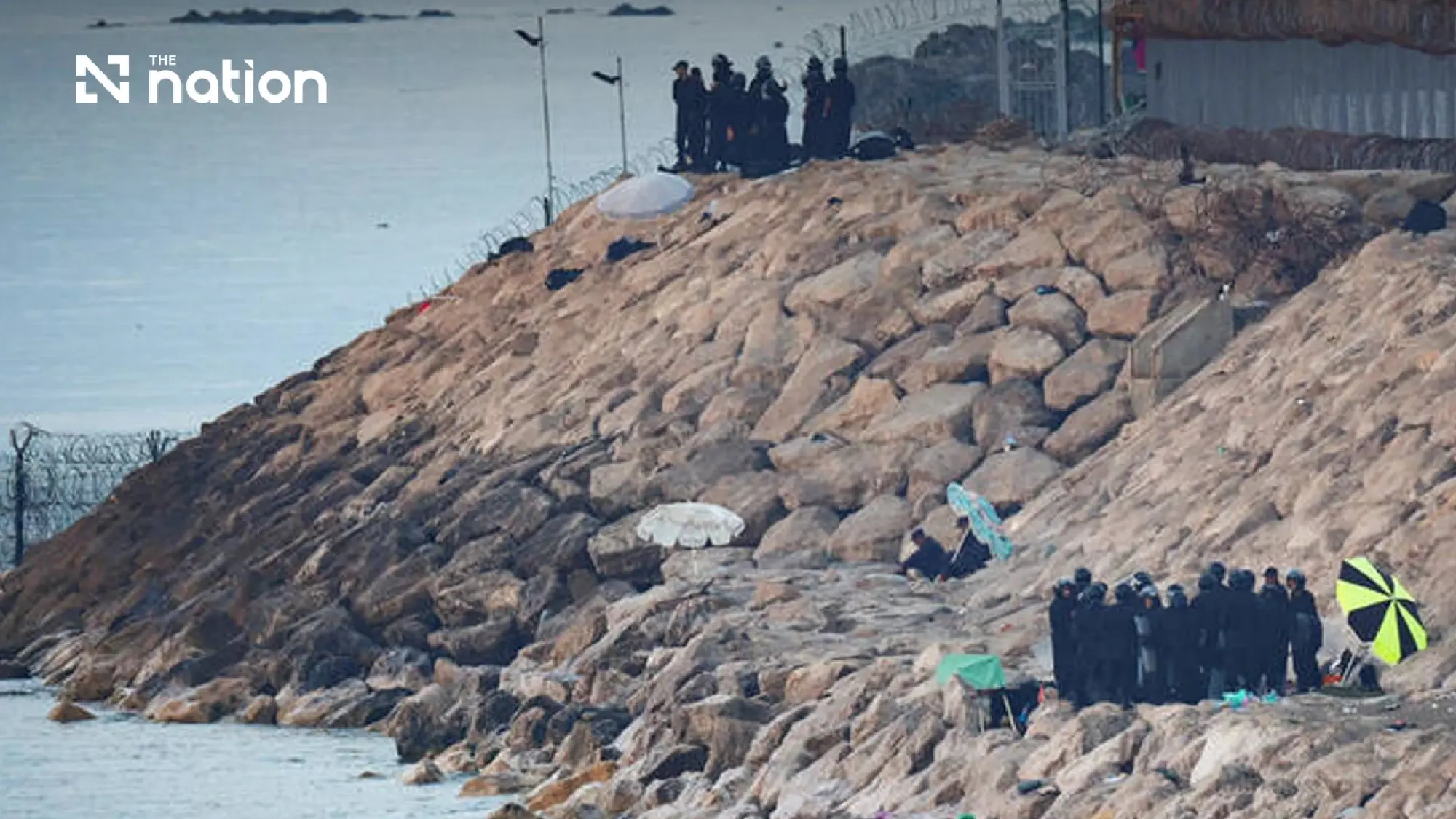
Spain adds maritime barrier and police reinforcements
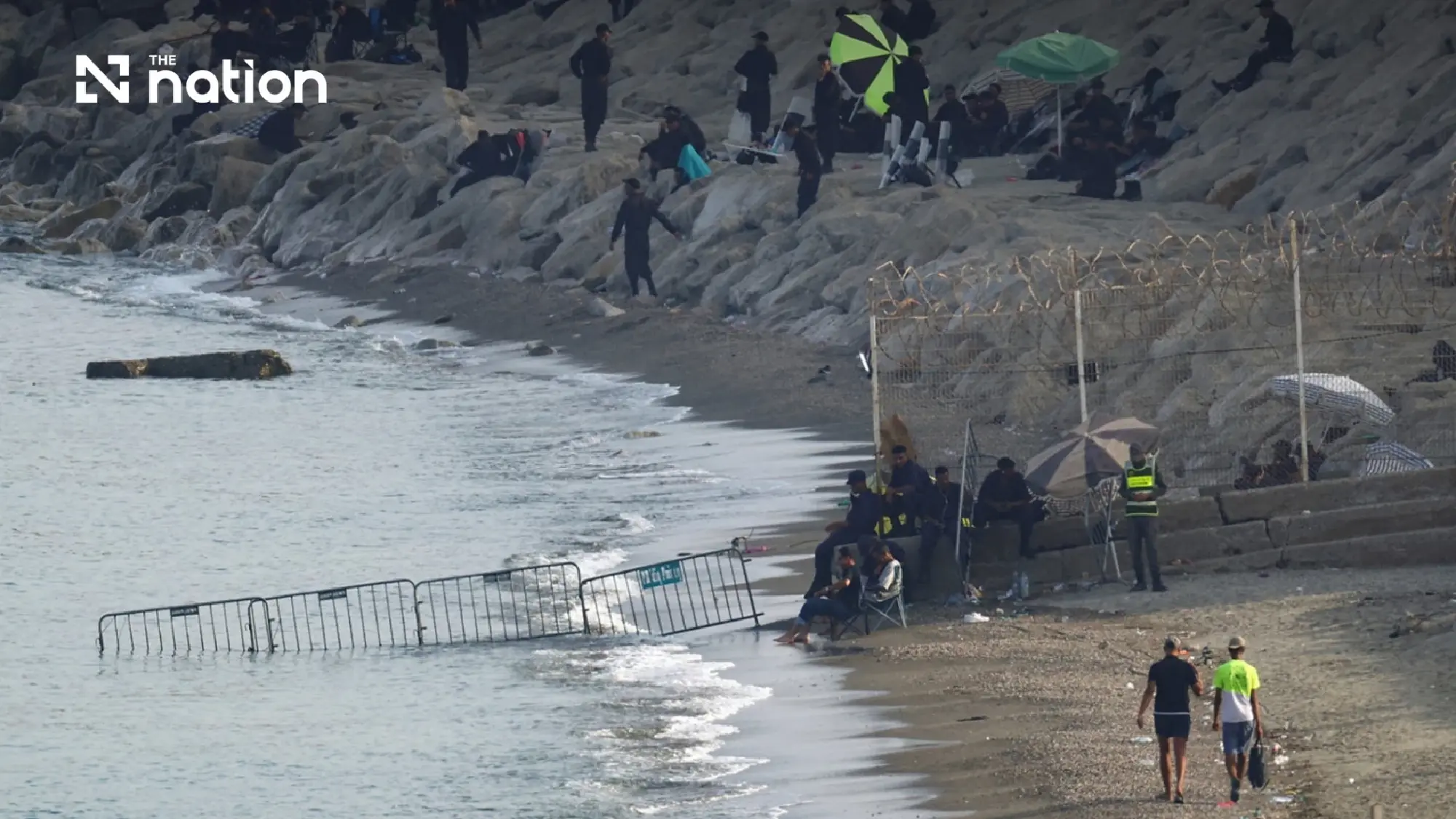
Since the July crossing, Spain has installed a maritime barrier and strengthened security around Ceuta.
Interior Minister Fernando Grande-Marlaska said authorities would continue deploying the personnel needed to restore normal conditions and prevent a repeat of the July 30 events.
Around 5,000 migrants remained in Ceuta as of Thursday, he said.
Spanish officials have begun screening adults and had decided more than 500 asylum applications, with most rejected.
Grande-Marlaska said people who entered irregularly would generally not be allowed to remain in Ceuta, travel to mainland Spain or obtain legal status, except in rare cases involving extreme vulnerability.
Those without the right to stay would be returned to Morocco.
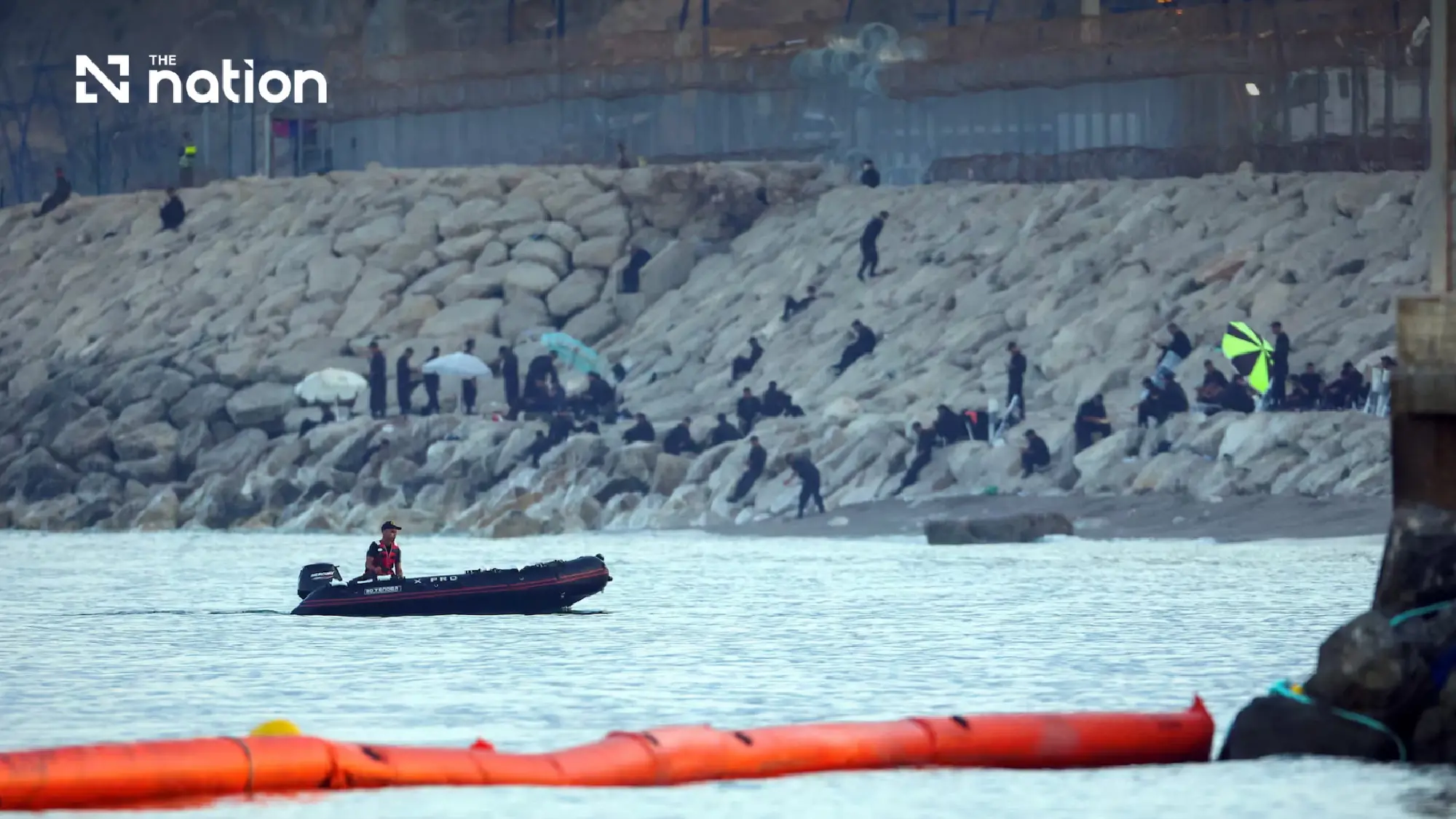
Morocco steps up checks after online calls
Morocco has also reinforced security on its side of the border.
Its Interior Ministry said it was monitoring social media messages of unknown origin calling for a mass crossing on August 15 and warned that organisers and participants could face prosecution.
Local media showed additional security measures near Ceuta and Spain’s other North African enclave, Melilla, including new razor wire along border fences.
Authorities also prevented several groups from boarding trains and buses heading north from cities including Casablanca, Fez and Kenitra.
Witnesses told Reuters that some groups from sub-Saharan Africa were avoiding road checks by taking mountain routes towards Fnideq, the Moroccan town next to Ceuta.
Moroccan security personnel were also stationed along the beach at Fnideq, where many migrants had previously entered the water to swim around Ceuta’s Tarajal breakwater.
Migrants warn others against crossing
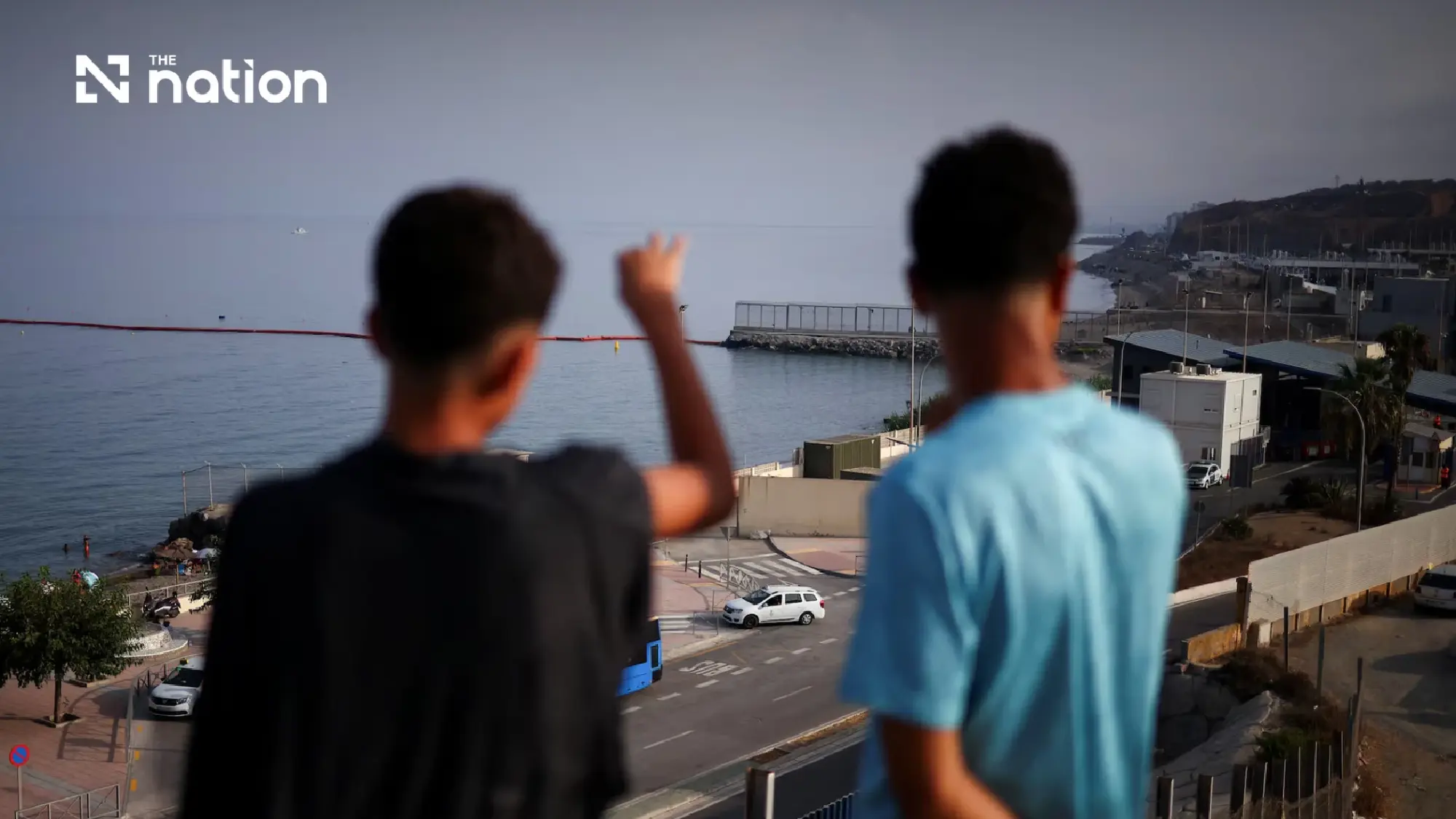
Some young Moroccans who made the July 30 crossing warned others against attempting the journey.
Driss Sadik, 22, from Fez, told Reuters he had spent five hours swimming to reach Ceuta and urged others not to follow him because of the hardship they would face.
Adil Jamil, 17, also warned that additional arrivals would find few opportunities, although he described the mass crossing as an attempt by people to seek strength in numbers and pursue a better future.
The July crisis widened divisions within the European Union over migration policy and fuelled anti-immigration rhetoric among far-right parties.
The vast majority of those who entered Ceuta subsequently returned voluntarily to Morocco.
Economic hardship and social media fuel crossings
The attempts to reach Ceuta have been driven by a combination of economic hardship, limited opportunities and misleading information circulating online.
Reuters reported that many young Moroccans spend years looking for opportunities to migrate, with poverty, weak public services and limited employment prospects contributing to the pressure.
About a quarter of Moroccans aged 15 to 24 are neither in education, employment nor training, according to official data cited by Reuters.
Some migrants interviewed after the July crossing described reaching Europe as a chance to improve their lives or support their families.
Seventeen-year-old Adil Jamil, who participated in the mass crossing, told Reuters that risking the journey offered the possibility of building a future that he did not see at home.
The surge was also encouraged by social-media posts about a Spanish court ruling restricting immediate pushbacks of migrants intercepted at sea while trying to reach Ceuta or Melilla.
The ruling did not give migrants an automatic right to remain in Spain, but videos of successful crossings and misleading online claims led some people to believe that reaching Ceuta by swimming would prevent their immediate return.
Spanish authorities have blamed criminal networks for exploiting the ruling and spreading false information, while border officials told Reuters that growing online activity and videos of migrants successfully reaching Ceuta had encouraged more people to attempt the crossing.
