
Trump rules out Iran talks as Tehran keeps Strait of Hormuz closed
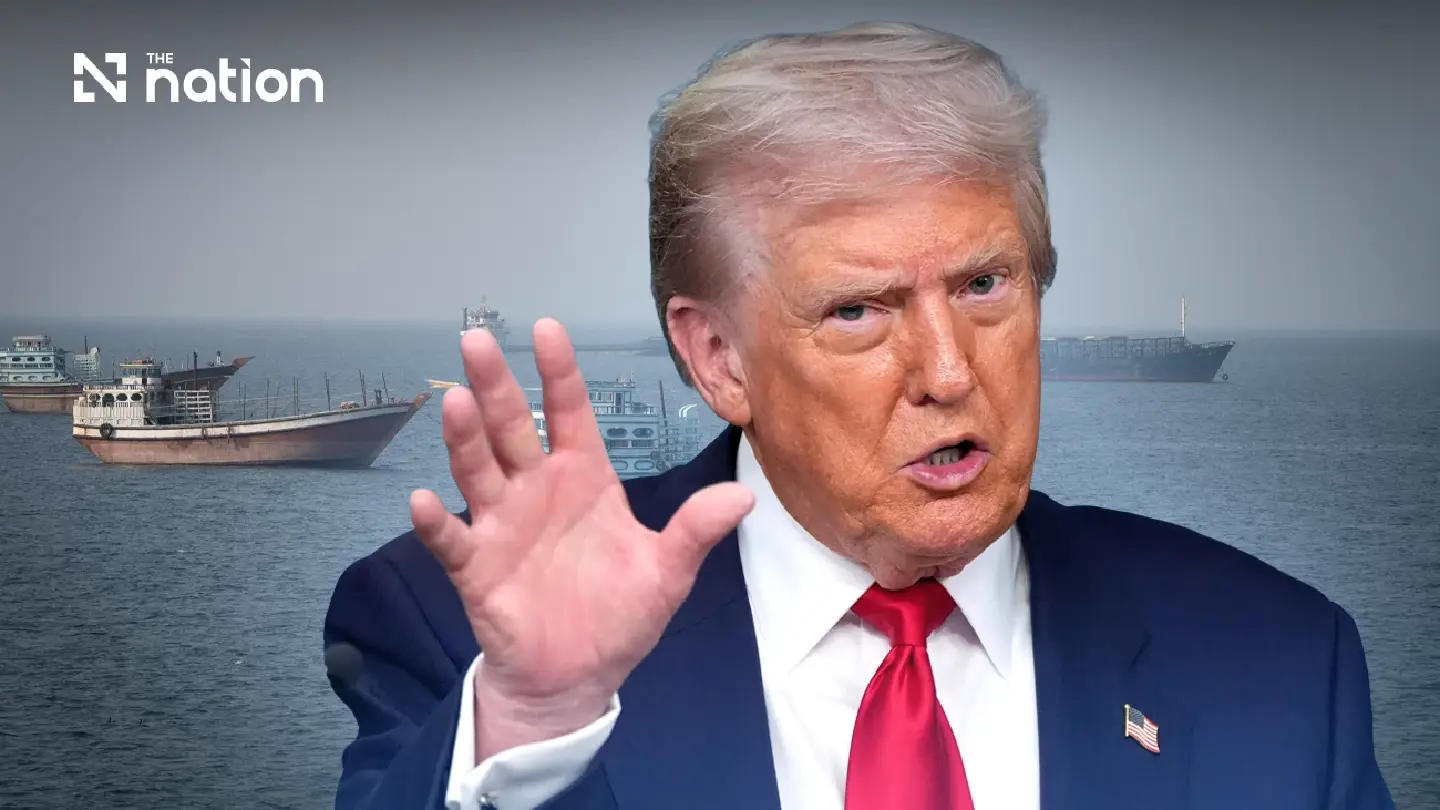


Trump says no talks with Iran are planned, while Tehran insists the Strait of Hormuz will stay shut until Washington lifts its blockade and sanctions.
US President Donald Trump has ruled out further talks with Iran and insisted that the Strait of Hormuz is open, directly contradicting Tehran’s position that the vital shipping route remains closed.
The conflicting claims have further reduced hopes of a diplomatic agreement to end the conflict, which began with joint US-Israeli strikes on Iran on February 28 and has continued for nearly six months.
A temporary ceasefire arrangement expired on Monday (August 17), and a senior Iranian official said Tehran was shifting to a “fully offensive” military posture because attempts to negotiate a permanent settlement had stalled. However, neither side reported fresh strikes on Tuesday.
Trump denies talks despite Kushner’s comments
In a post on Truth Social, Trump said no talks or conversations with Iran were taking place or scheduled. He added that the US naval blockade of Iran remained fully in force, while claiming that the Strait of Hormuz was operating and that all naval mines had been removed or destroyed.
His statement appeared to contradict comments made a day earlier by his son-in-law and special envoy Jared Kushner, who said communication between the US government and different parts of the Iranian administration was more extensive than it had previously been.
Despite Kushner’s assessment, there has been no visible progress towards formal peace negotiations or the restoration of normal tanker traffic through the strait. Trump also confirmed that Washington did not intend to extend the interim agreement reached with Iran in June.
Iran sets conditions for reopening Hormuz
Iran’s top negotiator, Mohammad Baqer Qalibaf, told parliament that the Strait of Hormuz would remain closed until the United States fulfilled the conditions of the interim agreement signed on June 17.
Tehran’s demands include ending the US blockade of Iranian ports, lifting sanctions on Iranian oil, releasing frozen Iranian assets and halting military threats and operations on all fronts.
The memorandum of understanding established a 60-day period for the two countries to negotiate a broader settlement covering issues including Iran’s nuclear programme and US sanctions. The period expired on Monday without an extension.
The agreement had also called for the immediate and permanent end of military operations, but it quickly unravelled because of disagreements over control of the Strait of Hormuz, which carried about one-fifth of global oil and liquefied natural gas shipments before the war.
Shipping remains severely disrupted
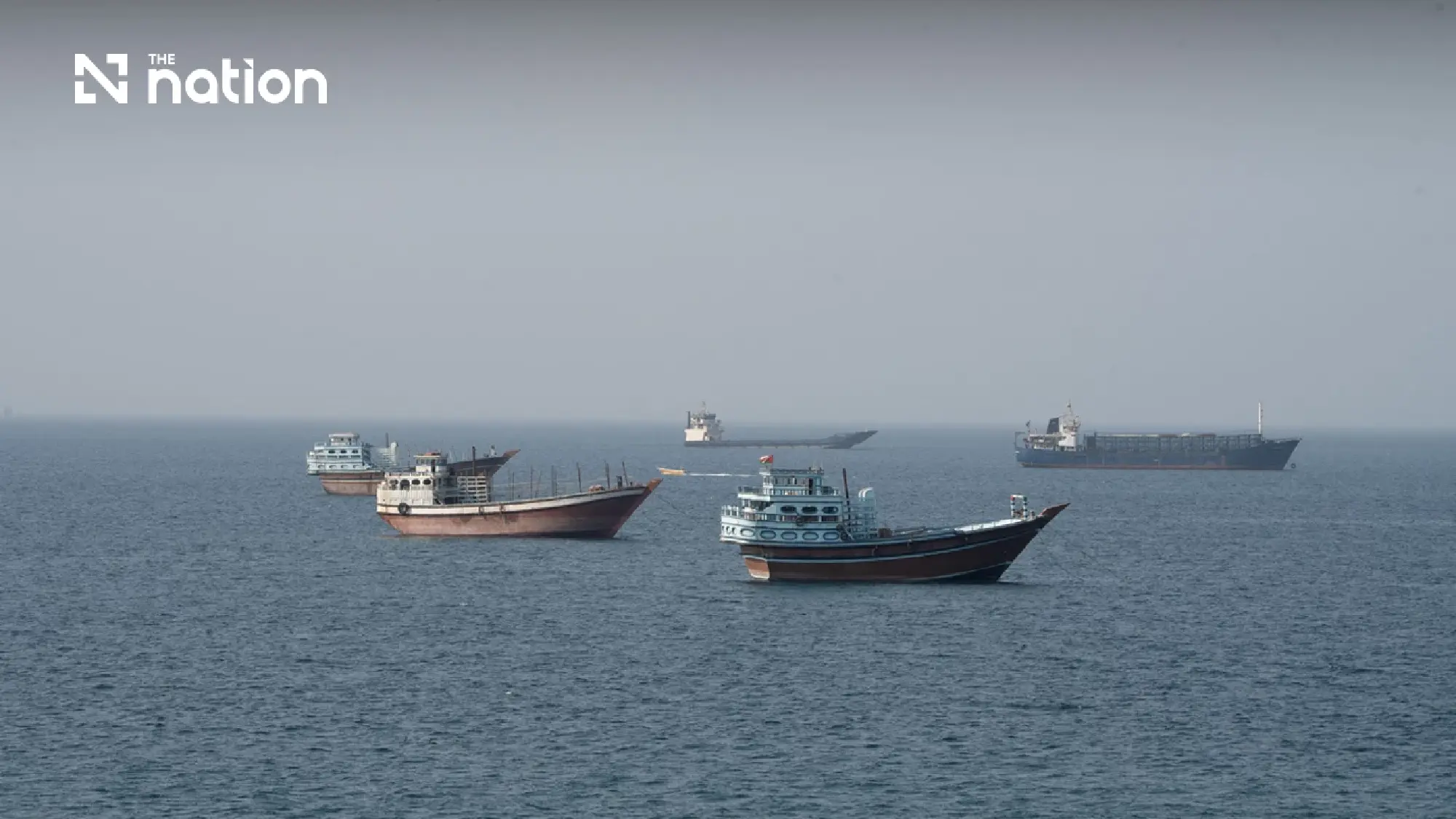
Although Trump maintained that the waterway was open, preliminary shipping data showed that vessel crossings remained in single digits on Monday, far below pre-war traffic levels.
Security concerns also continued to affect commercial vessels. The United Kingdom Maritime Trade Operations agency reported that a ship leaving the strait was struck by an unidentified projectile on Tuesday.
The incident damaged the vessel’s engine room and caused a crew casualty. The Omani Coast Guard was assisting the remaining crew members, according to the maritime agency.
The United Arab Emirates separately reported detecting two ballistic missiles launched from Iran. Emirati authorities assessed that the missiles had targeted maritime traffic, although both fell into the sea.
Iranian Foreign Ministry spokesman Esmaeil Baghaei rejected the allegation as baseless.
The UAE subsequently suspended all trade activity, commercial exchanges and financial transactions with Iran until further notice, citing an escalation that it said threatened regional and international peace and security. Direct cargo services between the UAE and Iran had resumed only in late June after being suspended shortly after the conflict began.
Iran says dialogue does not mean surrender
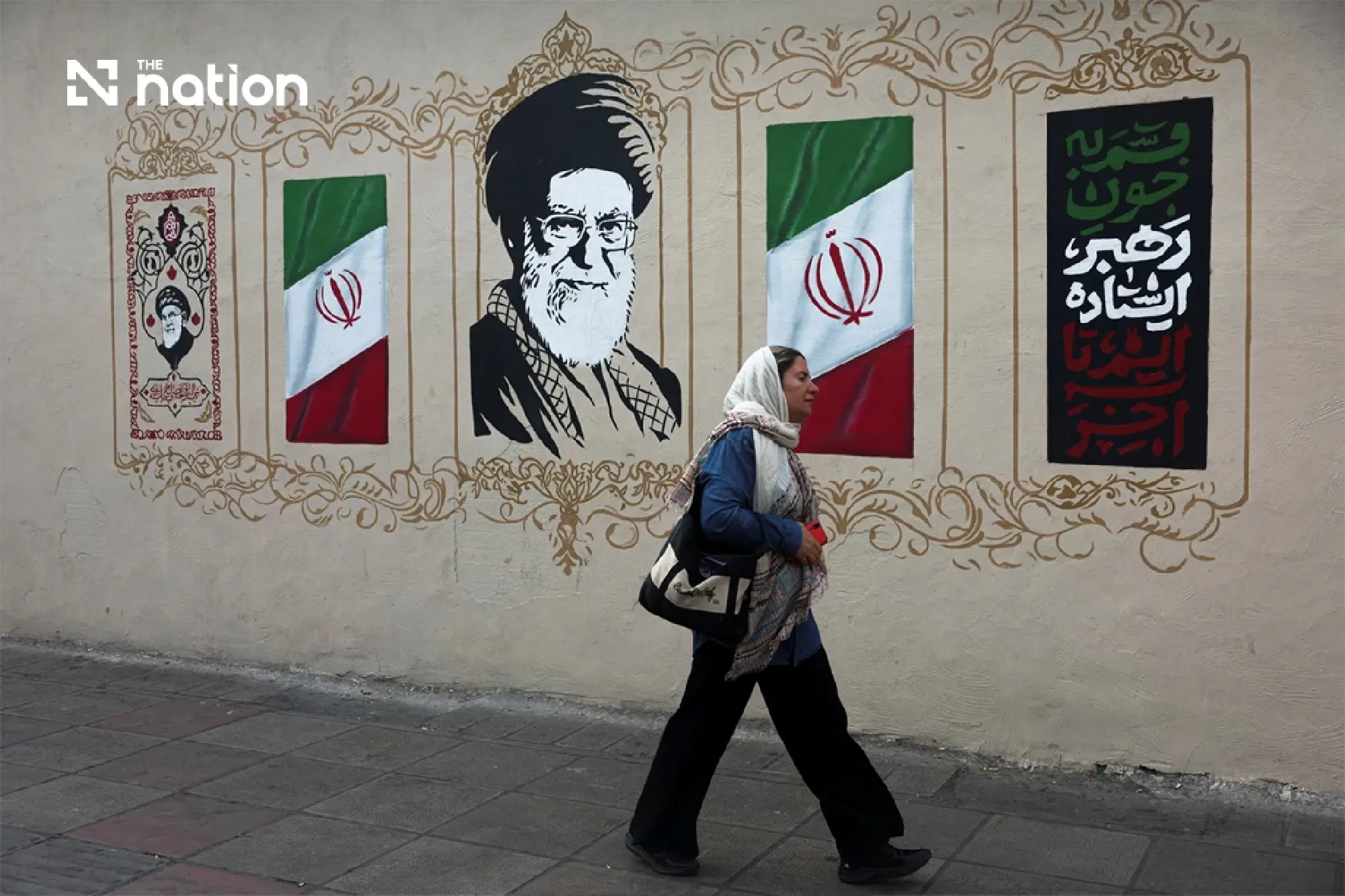
Mohammad Mokhber, an adviser to Iran’s supreme leader, said Tehran remained open to dialogue with Washington but would not treat negotiations as surrender.
He said military pressure and sanctions would not break Iran’s resolve, adding that the country would defend its security, dignity and regional allies while maintaining that it did not seek war.
However, Iranian officials are concerned that further economic pressure could deepen hardship, reignite domestic unrest and weaken public confidence in the country’s leadership.
Preventing Iran from acquiring a nuclear weapon remains one of Washington’s principal objectives. However, experts cited by Reuters said achieving that aim would be difficult without gaining access to enriched uranium believed to remain buried at sites previously struck by the US military.
A US administration official also indicated that Washington could impose further economic measures, saying the government retained additional means of intensifying pressure on Iran in the coming weeks and months.
Diplomatic impasse keeps oil prices elevated
The fading prospects of a settlement pushed oil prices higher on Tuesday, while share markets weakened and government borrowing costs in several major economies reached multi-decade highs.
Investors remain concerned that prolonged disruption to Middle Eastern energy supplies will sustain inflation and increase fiscal pressure on governments.
Brent crude reached a wartime peak of US$126 a barrel, about 75% above its pre-war level. It settled just above US$91 on Tuesday, its highest closing level in more than three weeks.
Thousands of people have been killed during the conflict, mainly in Iran and Lebanon. Iran has also attacked US military bases and infrastructure in several regional countries.
With Washington refusing to extend the June agreement and Tehran maintaining its conditions for reopening the Strait of Hormuz, the conflict remains locked in a military, diplomatic and economic standoff with no immediate route towards a settlement.
Source: Reuters
