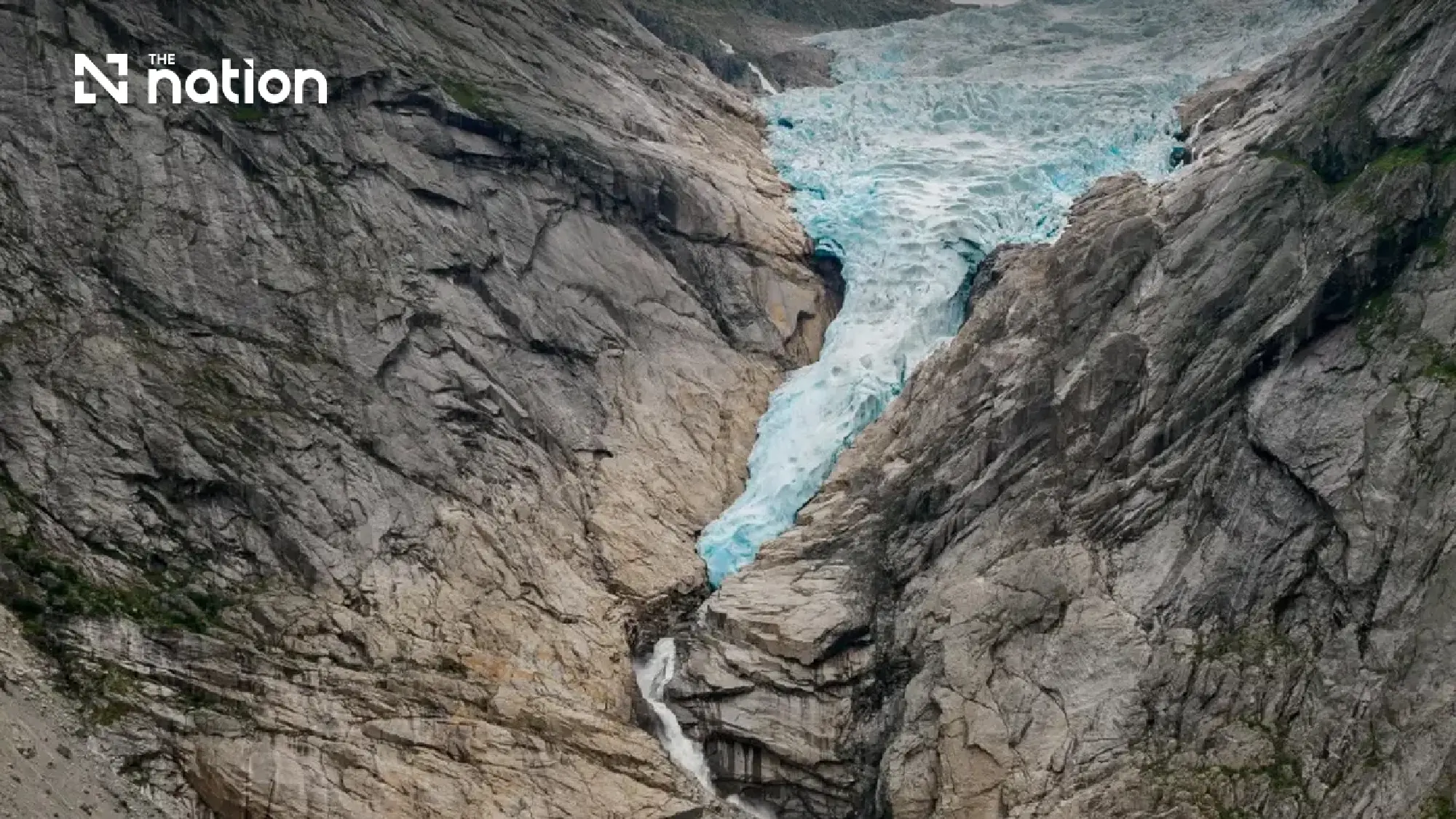
Glacial lake outburst flood frequency has nearly tripled over decades
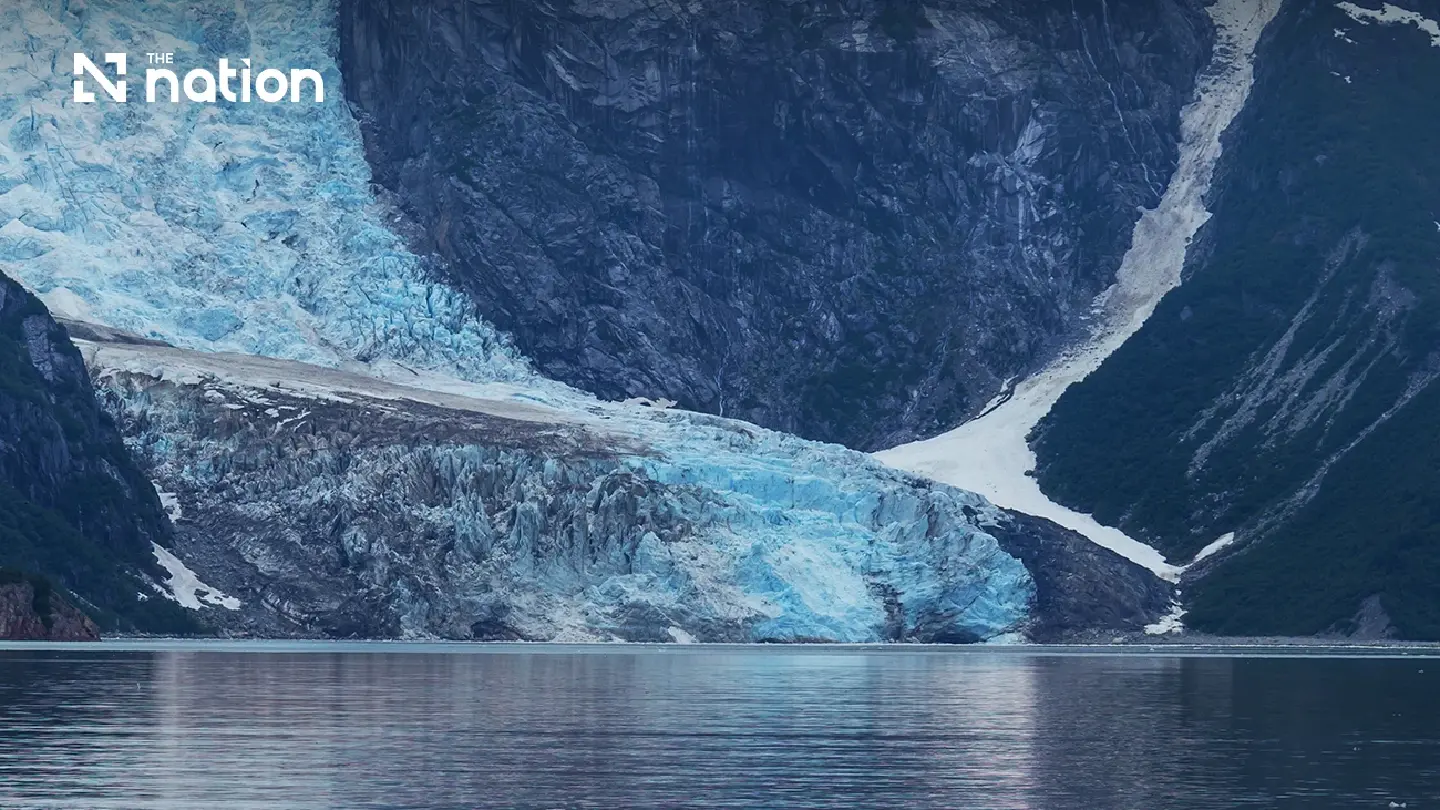


Research covering 1900–2020 documented 609 events from 512 sources, with the average rising from 5.2 to 15.2 events a year over recent decades.
- A study analyzing records from 1900 to 2020 found that the annual average of glacial lake outburst floods rose from 5.2 events in 1981–1990 to 15.2 in 2011–2020.
- The increased frequency is linked to rising global temperatures, which cause glaciers to retreat, glacial lakes to expand, and natural dams to become less stable.
- The study identified a total of 609 such events in 27 countries over 120 years, indicating a widespread hazard across high mountain ranges in Asia, the Americas, and Europe.
Glacial lake outburst floods (GLOFs), sometimes described as a ‘tsunami in a mountain gorge’, are not confined to Nepal.
Records from the past 120 years show 609 events at 512 sites in 27 countries, indicating risks across high mountain regions as glaciers change and weather conditions become more extreme.
A joint study by the University of Dundee in the United Kingdom and the Chinese Academy of Sciences, published in Nature Communications in December 2025, examined records from 1900 to 2020.
It identified 609 events from 512 distinct source locations across 27 countries.
High mountain areas of Asia, particularly the Himalayas, Pamir and Tian Shan ranges, contain extensive glaciers and numerous glacial lakes.
Increasing water volumes, combined with natural dams weakened by climate change, can cause sudden releases of water down valleys and widespread damage.
China and the Tibet Autonomous Region contain numerous glacial lakes and are the source of several major rivers.
The available data indicate that more than 1,600 glacial lakes have expanded and that several outbursts have occurred, some affecting downstream areas linked to Nepal and India.
India has recorded incidents in the states of Uttarakhand and Sikkim. The 2014 outburst of Chorabari Lake affected Kedarnath and killed more than 5,700 people.
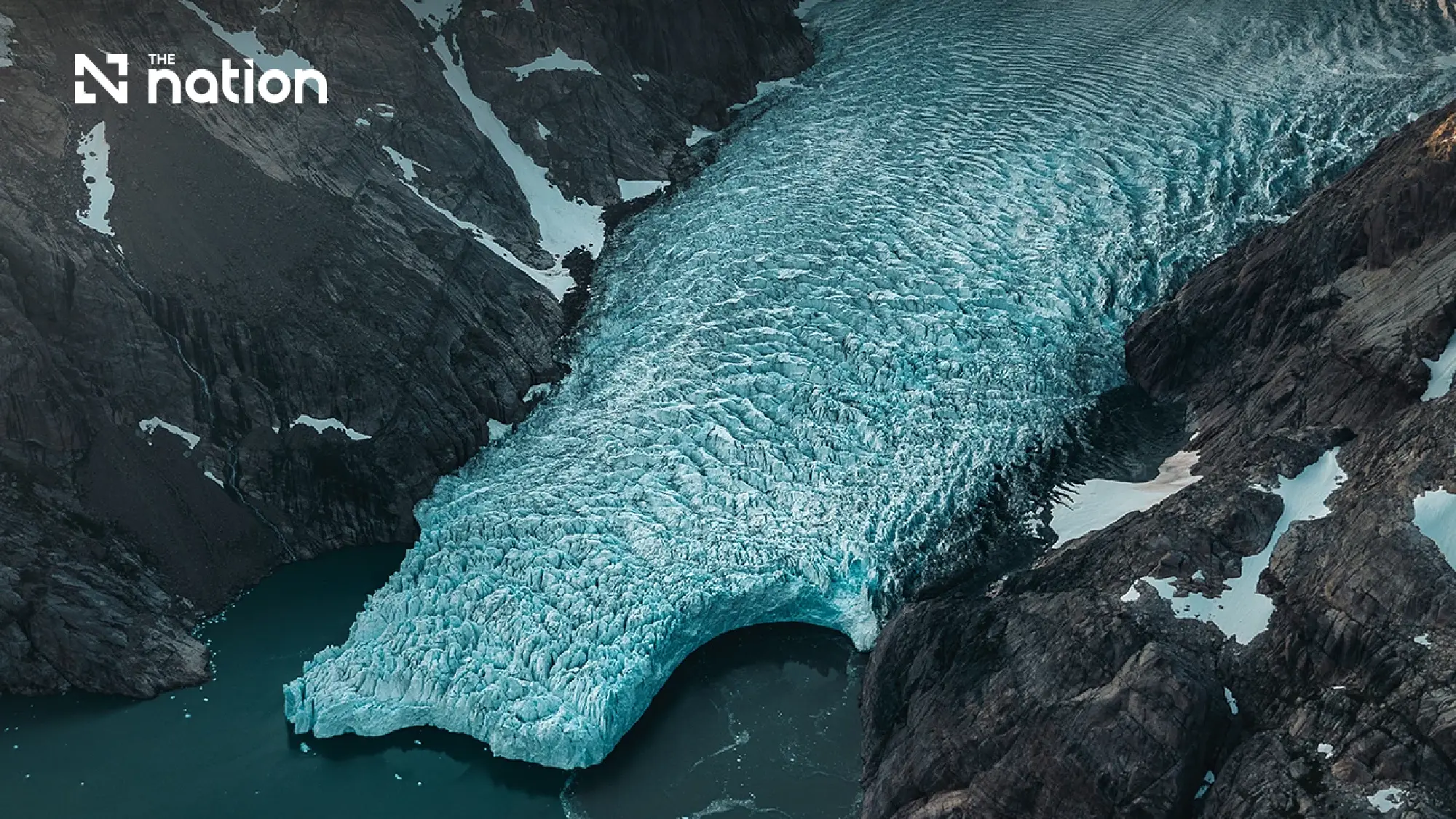
In 2023, a glacial lake outburst in Sikkim generated a wave about 20 metres high, killed 55 people and left several hundred others missing, as well as causing extensive damage to infrastructure.
In Pakistan, the Karakoram and western Himalayas face risks from glaciers, lakes and natural dams, with several outbursts recorded in the past.
Bhutan, which has more than 2,600 glacial lakes, also has several areas identified as being at high risk.
Tajikistan, Kyrgyzstan and Kazakhstan lie along the Pamir and Tian Shan ranges, where outbursts involving glacial lakes or masses of water from glaciers have been recorded from the mid-20th century to the present.
In South America, such events have occurred in the Andes, particularly in Peru and Bolivia.
Some incidents destroyed communities and killed large numbers of people.
Alaska in the United States has recorded mountain landslides that generated waves.
In 2015, a large landslide entered Taan Fiord, producing a wave that reached 193 metres.
A separate incident in Tracy Arm in August 2025 reportedly produced a wave reaching 481 metres.
Scientists have linked both events to glacial change and mountain instability.
Europe has also recorded related events.
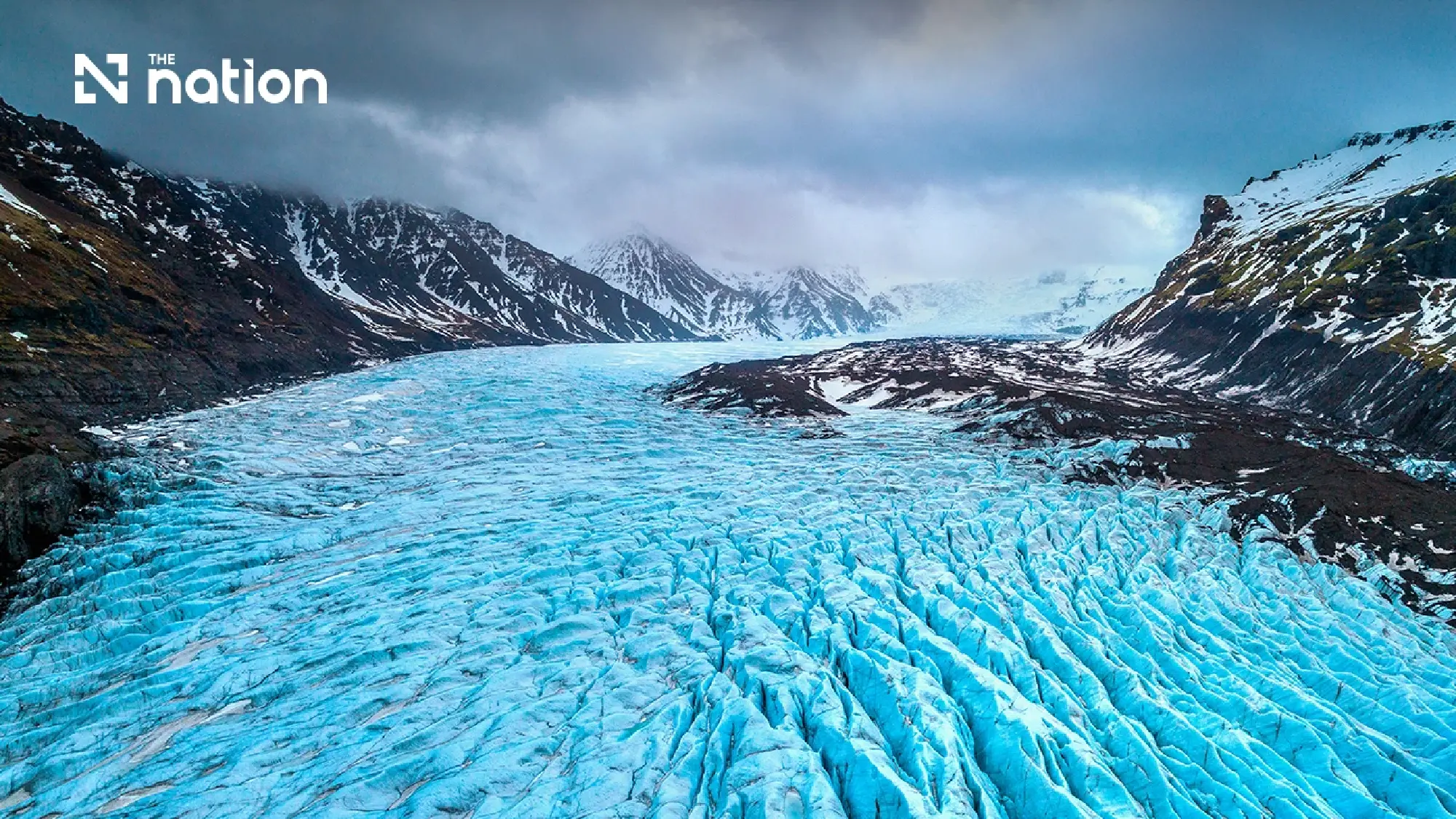
The Alps, spanning Switzerland, France, Italy and Austria, have a history of glacial lake outbursts and rock masses falling into lakes.
Iceland experiences jökulhlaups, or glacial outburst floods, which can follow volcanic eruptions or a build-up of water beneath glaciers.
Norway has recorded rock and ice avalanches entering fjords, which can generate large waves and damage coastal communities.
The study indicates that this type of hazard occurs across high mountain ranges worldwide, from the Himalaya–Pamir–Tian Shan region in Asia and the Andes in South America to the Alps, Alaska and glaciated parts of northern Europe.
The figures show an increase in frequency.
The annual average rose from about 5.2 events in 1981–1990 to 15.2 in 2011–2020, almost tripling within a few decades.
The risk is associated with rising global temperatures, which are causing glaciers to retreat, glacial lakes to expand and some natural dams to become less stable.
Landslides, rockfalls or masses of water moving down valleys can produce severe floods that rapidly reach downstream communities.
The Nepal event is therefore part of a wider pattern of 609 events recorded in 27 countries over 120 years.
The data also raise questions about which areas face risks and how prepared they are as glaciers change rapidly.