
FBI probes crime database intrusion as Trump fires US cyber chief
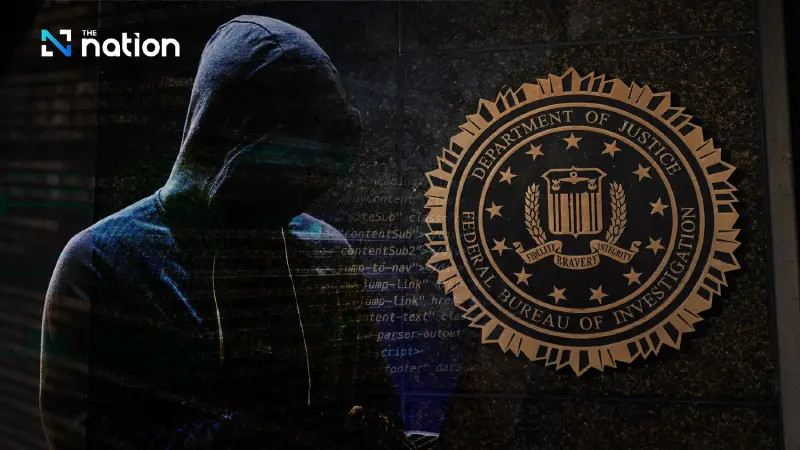


The FBI is investigating a suspected intrusion into a national crime database as the USDA battles a cyber threat and Donald Trump removes the US cyber chief.
- The FBI is investigating a suspected cyber intrusion of its National Crime Information Center (NCIC), a critical database used by law enforcement agencies across the US.
- Amidst a wave of cybersecurity incidents, President Donald Trump has dismissed the National Cyber Director, Sean Cairncross, stating his performance was "not good enough".
- The events coincide with other significant cyberattacks and technical disruptions, including an incident at the Department of Agriculture that affected farmers' payment systems.
- Despite the succession of incidents affecting various sectors, US officials have stressed there is no evidence to suggest they are part of a single, coordinated cyberattack.
The United States is grappling with a wave of cybersecurity incidents and major technology outages. Hackers have reportedly targeted the FBI and the Department of Agriculture (USDA), while disruptions have affected banks, airlines and government agencies.
Amid mounting concerns, President Donald Trump has dismissed National Cyber Director Sean Cairncross after just over a year in the post, arguing that his performance was "not good enough".
Although US officials insist that many of the recent technology failures were not caused by cyberattacks, the succession of incidents has prompted lawmakers to demand clearer explanations and has raised questions about the security of essential digital infrastructure.

FBI investigates second reported cyber intrusion
The FBI is investigating a suspected intrusion into its National Crime Information Center (NCIC), marking the agency's second reported cybersecurity incident since September.
France 24, citing CNN, reported that two sources briefed on the investigation confirmed the database had been targeted. However, the identity of those responsible and the extent of any unauthorised access remain unclear.
NCIC is a nationwide criminal information database connecting federal, state and local law enforcement agencies. It allows officers to exchange information about arrest warrants, wanted individuals and background checks.
A former FBI official told CNN that police across the country rely on the system daily to identify suspects, verify outstanding warrants and obtain information crucial to the safety of officers and the public.
Any compromise affecting the accuracy or reliability of NCIC records could therefore have serious consequences for law enforcement operations.
In September, the hacking group ShinyHunters reportedly targeted the FBI's recruitment website, seeking sensitive personal information relating to employees.
USDA cyberattack disrupts farmers' payment systems
The USDA has also reported a cyber incident affecting systems used to process payments to farmers.
NBC News, citing two former USDA officials, reported that employees had been informed of an attack on the department's payment infrastructure.
The former officials warned that attackers might have exploited the system as a back door to access more sensitive information, potentially including data relating to biological research. One cautioned that the department holds highly sensitive biological data that adversaries could potentially exploit against the United States.
ABC News separately reported that the USDA's Farm Production and Conservation (FPAC) mission area issued a notice on Monday concerning a security breach affecting geographic information system (GIS) mapping platforms, payment systems and contracting platforms.
The affected systems were taken offline until further notice.
Richard Fordyce, Under Secretary of Agriculture for Farm Production and Conservation, described the incident as a "cyber threat" rather than an issue caused by a routine software update.
Speaking at a press conference in Kansas City, he indicated that most systems were expected to be restored by the end of the working day, with recovery efforts continuing over the weekend if necessary.
Ryan Marquardt, vice-president of the Iowa Farmers Union, expressed concern about the disruption, which appeared to be in its fifth day.
He warned that the incident had struck at a particularly sensitive time, as farmers were selling grain and livestock, repaying loans and preparing year-end financial accounts.
"USDA needs to explain what happened, what information may have been accessed, and when farmers can make and receive payments again," Marquardt urged.

Technology outages hit banks, airlines and government agencies
The FBI and USDA incidents have coincided with widespread technology disruptions affecting several major US organisations.
Among those reporting problems were:
- Technology and hospitality: Microsoft, Apple and Marriott.
- Aviation: United Airlines and the Federal Aviation Administration (FAA).
- Government: The National Security Agency (NSA), which experienced technical problems with an internal classified messaging system.
- Banking: JPMorgan Chase, Bank of America, US Bank and Wells Fargo, with reported problems involving payment services such as Zelle.
JPMorgan Chase, the largest US bank, separately disclosed a cybersecurity incident involving an external service provider. The breach exposed some customers' personal information, including email and postal addresses.
The incident followed an earlier JPMorgan system outage that the bank attributed to an internal software problem.
However, officials have stressed that the various incidents should not be treated as evidence of a single, co-ordinated cyberattack. AFP reported that the suspected FBI intrusion and USDA cyber incident were distinct from technical failures affecting Microsoft Outlook and the FAA.
US Secretary of State Marco Rubio maintained that there was "not a shred of evidence" connecting the outages, adding: "We are not under systemic attack."
Trump also sought to reassure the public, urging Americans to "relax", while the administration continued to attribute several disruptions to system upgrades rather than cyberattacks.

Trump dismisses national cybersecurity director
Against this backdrop, Trump has removed Sean Cairncross as National Cyber Director.
According to the BBC, Cairncross had reportedly lost the confidence of senior White House official Stephen Miller. Asked about the dismissal on Friday, Trump explained that Cairncross had not performed well enough.
Although the White House had not formally confirmed the removal, Rubio announced on X that Kirsten Davies, chief information officer at the US Department of Defense, would become the next National Cyber Director.
Cairncross previously worked as a Republican lawyer and chief operating officer of the Republican National Committee (RNC). He also served on the White House chief of staff's team during Trump's first administration before moving into the private sector. He returned to government in August 2025.
The leadership change comes amid growing concern over cybersecurity vulnerabilities and the potential for advanced artificial intelligence systems to identify weaknesses that human researchers might overlook.
US watchdog warns food supply faces growing cyber risks
Meanwhile, the Government Accountability Office (GAO) warned in a report published on Thursday that America's food and agriculture sectors face increasing cybersecurity threats.
The watchdog found that both the USDA and the Food and Drug Administration (FDA) lacked sufficient resources for key cybersecurity activities, including information-sharing and emergency preparedness.
Although both agencies had introduced security improvements, they had not conducted cyberattack preparedness exercises specifically addressing the food sector since 2024. Officials cited limited funding and staffing as barriers to meeting all cybersecurity requirements.
The GAO recommended stronger co-operation with the Cybersecurity and Infrastructure Security Agency (CISA), expanded threat intelligence-sharing and more emergency simulation exercises.
The food and agriculture sector is one of the 16 critical infrastructure sectors essential to US public health, national security and economic stability. The GAO warned that cyberattacks could disrupt food production, processing and distribution, potentially compromising food safety and undermining public confidence.
The warning follows an October cyberattack in France targeting refrigeration and freezer systems in supermarkets and grocery stores.
French authorities blamed Iran for the incident, which reportedly caused refrigeration temperatures to rise, resulting in food spoilage and fires. Similar disruptions subsequently affected other European countries.
Published just a week before Thanksgiving, the GAO report highlights the growing importance of protecting the digital systems underpinning America's food supply, even as officials maintain that the recent US outages are not part of a single co-ordinated attack.
