
FTI’s Renewable Energy Industry Club Asserts “E20 is Thailand’s Long-Term Survival Plan”
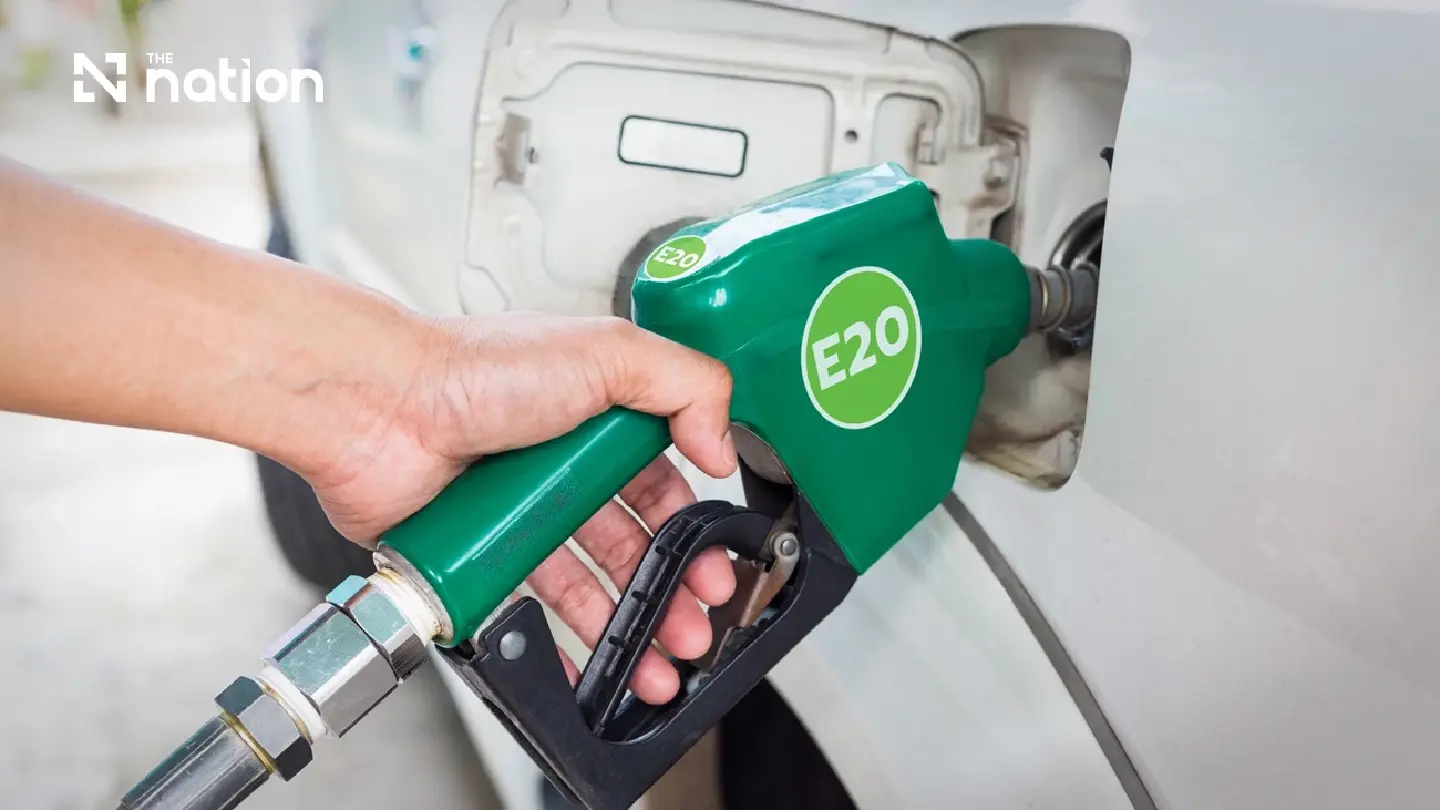


Extending Government Measures and Uniting Sectors to Drive E20 and Cut Imports
Amidst highly volatile global energy markets, Thailand is facing a defining challenge in safeguarding its economic stability. In response, key stakeholders across all sectors are sounding an urgent call to action: Thailand must fundamentally shift its perspective and recognize "Gasohol E20" not merely as a temporary alternative fuel, but as the nation’s long-term economic survival plan. Industry experts are urging a unified national strategy to transition E20 into the country’s primary fuel source, leveraging Thailand’s rich agricultural resources to curb costly energy imports, stimulate the domestic farming economy, and advance towards sustainability. This strategic shift draws inspiration from the proven energy self-reliance models of global giants like Brazil and India.
Thailand’s current economic vulnerability is deeply tied to global geopolitical conflicts, which directly trigger domestic energy price fluctuations, stifle business growth, and drive up the cost of living for citizens.
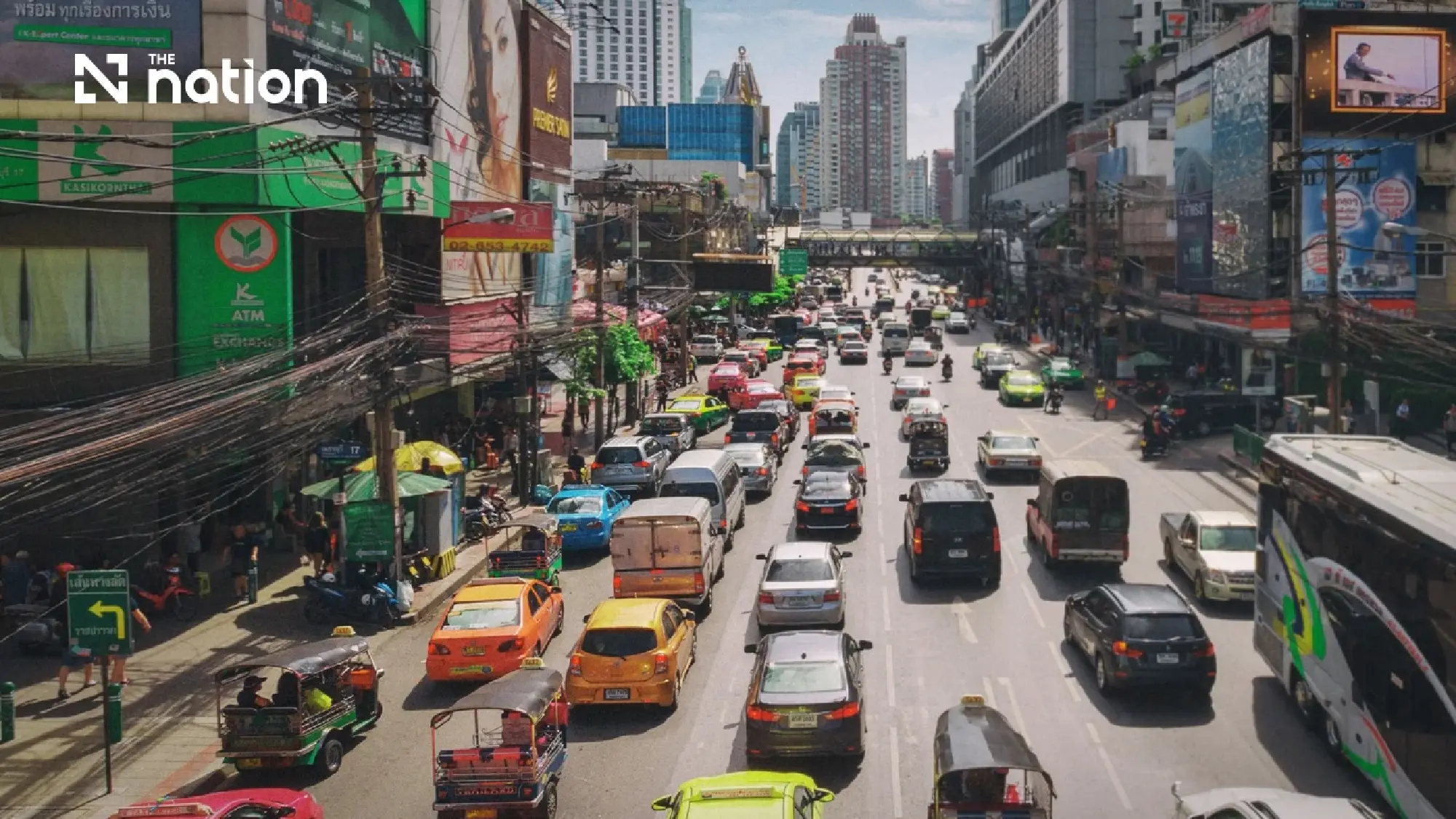
Data from the recent seminar "Overcoming Thailand's Energy Crisis with Renewable Energy: Opportunity or Illusion" reveals a stark reality: Thailand relies on imports for up to 92% of its crude oil consumption. This translates to an astronomical import bill of over 1.33 trillion baht annually—representing an economic leakage of 3.6 billion baht every single day.
To stop this severe financial drain, stakeholders argue that the government, private sector, and the public must collectively elevate E20 to a core pillar of the national energy strategy, elevating it from merely an 'environmental alternative fuel' to a 'strategic tool' that will build sustainable economic immunity for the country and tangibly ease the cost-of-living burden for the public.

Decoding Global Biofuel Success: The Blueprints of Brazil and India
Thailand is not walking this path alone. Our transition toward biofuel self-reliance can follow successful international precedents:
- Brazil | The Global Ethanol Leader: In the 1970s, Brazil relied on foreign imports for over 80% of its crude oil. Today, through consistent, long-term ethanol policies, it is a major energy exporter. Brazil currently mandates a minimum 30% ethanol blend (E30) in gasoline, and over 90% of its new car fleet consists of Flex-Fuel vehicles capable of running on any blend up to pure ethanol (E100). This ecosystem has generated over 1.5 million bioeconomy jobs[1] and prevented more than 730 million tons of cumulative CO2 emissions[2].
- India | Turning Crisis into Opportunity: To combat high crude oil import costs and severe urban air pollution, the Indian government aggressively accelerated its national ethanol roadmap. India successfully rolled out E20 nationwide in 2025—achieving its target five years ahead of schedule (up from a mere 1.5% blend in 2014). This milestone saves India over 500 billion baht annually in import costs[3], has funneled over 470 billion baht to local farmers, and has paved the way for an upcoming 27% blend target.
E20: Driving Thailand’s Sustainable Future
Asst. Prof. Dr. Pongchai Athikomrattanakul, Director of the Center for Logistics Excellence at King Mongkut's University of Technology Thonburi (KMUTT), emphasized the economic synergy of the policy: “Thailand must leverage its existing potential and competitive advantages as the foundation to drive national energy security. This can be achieved by promoting the use of bioethanol produced from energy crops in which Thailand has strong cultivation and production potential—namely sugarcane and cassava. These crops are not just raw materials for ethanol production, but also serve as the vital foundation for bioeconomy development, aligning with the country's BCG (Bio-Circular-Green) Economy model, which aims to add value to biological resources while preserving the environment. Furthermore, bioethanol is a renewable energy source that can replace fossil fuels, bringing long-term sustainability to the country’s energy system.

Promoting the ethanol industry is therefore not merely an energy policy, but a way to create economic value across the entire supply chain. This value chain spans ethanol fuel production, biomass power generation from bagasse and biogas, organic fertilizer production, and the development of other high-value bio-products—representing an overall industry value of over 134 billion baht in 2025. Such growth will enhance the country's competitiveness and generate circulating income in the agricultural sector and related industries. It will also create a significant positive impact on employment throughout the supply chain, encompassing agriculture, manufacturing, and the service sector—especially transport, logistics, and regional economic development. This support provides stability to over 1 million farming households, or more than 4 million people, cultivating a total agricultural area of 20 million rai. At the same time, it reduces dependence on imported petroleum and chemical fertilizers, promoting energy security, food security, and greenhouse gas reduction.
Therefore, ethanol is not a choice between energy development and supporting the agricultural sector, but rather a policy that is akin to 'firing a single bullet that delivers multiple benefits.' It simultaneously balances the economy, energy, environment, and the citizens' quality of life, reflecting the utilization of domestic resources for maximum value and leading to sustainable development in the future.”
Thailand possesses a strategic advantage as a major global producer of sugarcane and cassava, backed by a strong ethanol industrial infrastructure. It has the potential to elevate ethanol into a key mechanism for safeguarding energy security and driving the nation's bioeconomy. Academic and industrial sectors agree that promoting bioethanol through concrete and continuous policies that drive E20 usage will generate economic value across the entire supply chain—from agriculture to processing industries—while reducing greenhouse gas emissions and elevating the quality of life for citizens, ultimately leading to balanced and sustainable economic, social, and environmental development.
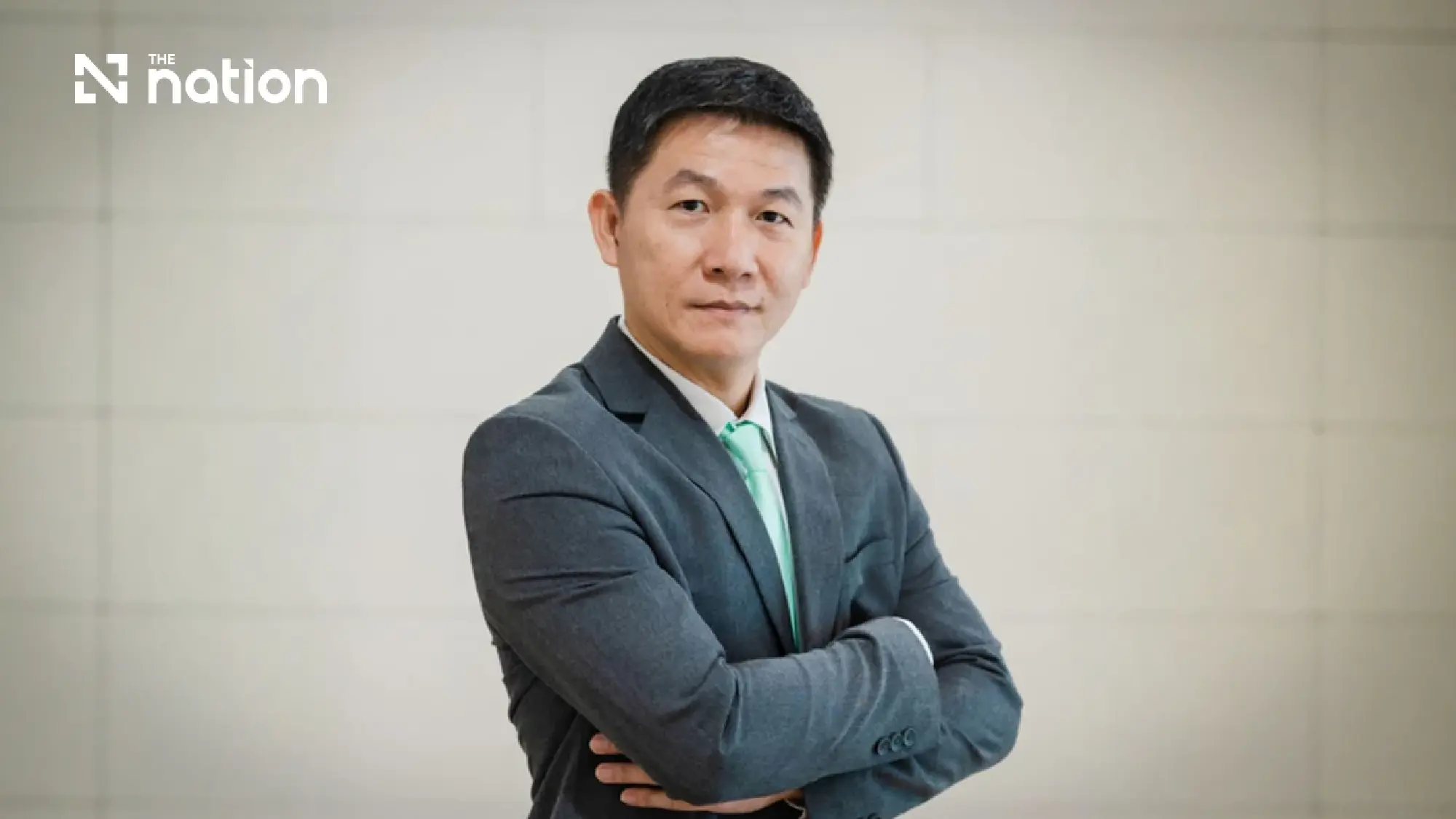
Dr. Seksan Phrommanich, Vice Chairman of the Renewable Energy Industry Club at The Federation of Thai Industries (FTI), highlighted the strategic roadmap: "Expanding the use of biofuels like E20 is a powerful lever to strengthen national energy security, boost Thailand's global competitiveness, and support our transition to Net Zero. By encouraging public adoption of E20, we ensure that domestic resources are fully optimized, keeping wealth circulating within our borders to benefit farmers, local industries, and the national economy. If Thailand fully capitalizes on its E20 potential, domestic ethanol consumption will reach approximately 6 million liters per day, reducing greenhouse gas emissions by an estimated 3.12 million tons. Coupled with broader energy-efficiency initiatives, driving E20 adoption will help Thailand cut oil imports, increase domestic energy consumption, generate circulating income for Thai farmers and industries, and reduce greenhouse gas emissions tangibly. This is a vital opportunity to build long-term energy security and national competitiveness.”
Shared Benefits for a Sustainable Thailand
Unifying the nation behind the E20 strategy offers a multi-dimensional payoff. This begins with reducing crude oil imports to halt economic leakage and protecting national economic stability from volatile global oil prices, alongside lowering greenhouse gas emissions and transport-sector air pollution, such as PM 2.5, in a tangible way. Furthermore, this strategy will upgrade and add value to agricultural yields to create stable and sustainable income for sugarcane and cassava farmers nationwide, while serving as a key driver for industries of the future, including the domestic high-value Circular Economy and Bio-economy. E20 is not just about fuel; it is the "survival plan" for Thailand to reshape its energy future for a sustainable economy benefiting every Thai citizen, starting today.
