
THAICID advances smart water systems for Thailand’s future
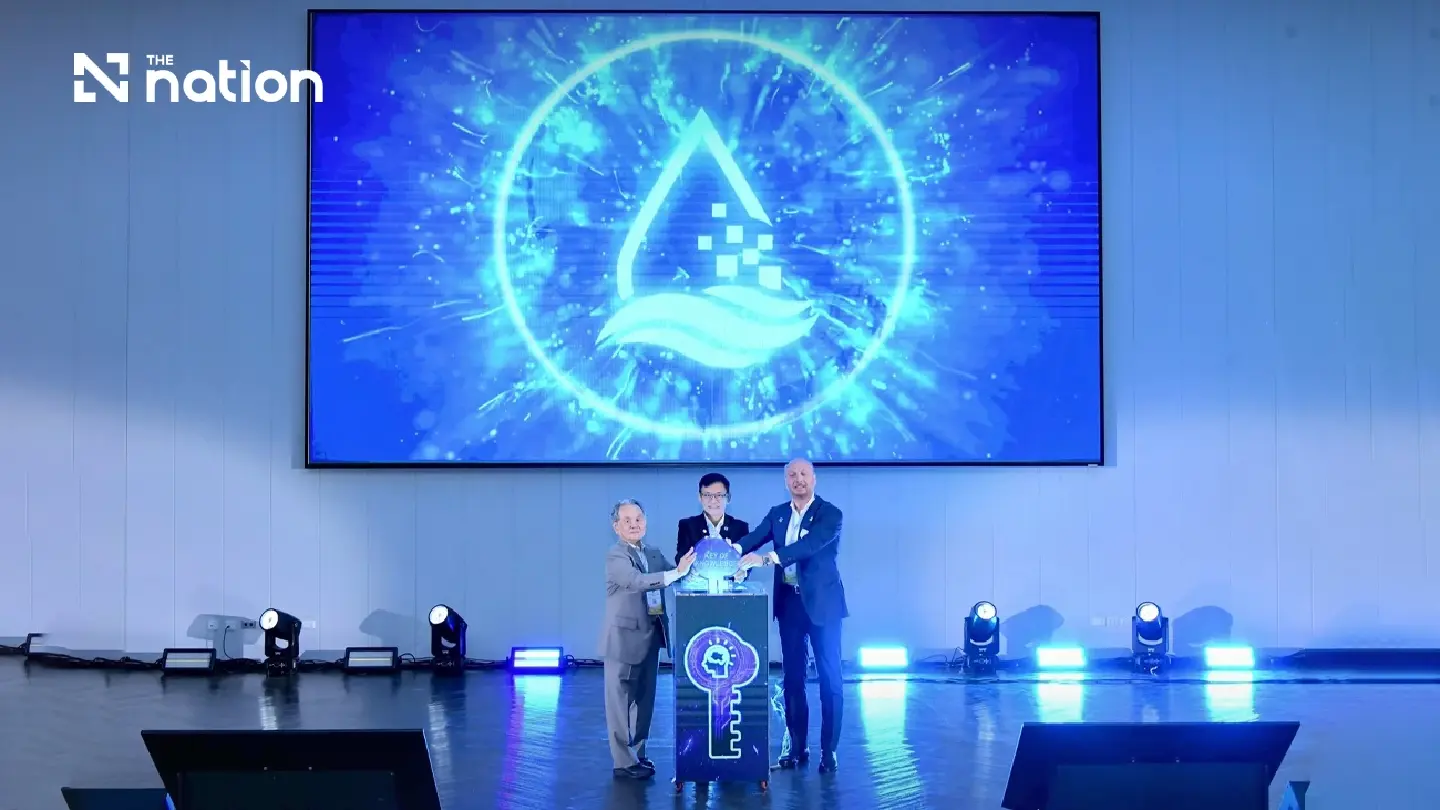


THAICID is promoting AI, satellite data and smart irrigation to improve Thailand’s water security as climate risks and demand from new industries increase.
Climate change is making droughts and floods more frequent, while the growth of emerging sectors such as data centres and artificial intelligence (AI) is elevating water from a natural resource to a critical part of economic infrastructure, comparable to energy and logistics systems.
Thailand’s challenge is therefore no longer simply to ensure adequate water supplies. The country must manage its resources as efficiently as possible to support household consumption, environmental protection, agriculture, industry and other activities, including the digital economy, as weather conditions become increasingly volatile each year.
Helping to advance knowledge in this field is the Thai National Committee on Irrigation and Drainage (THAICID), which connects Thailand’s irrigation expertise with international networks and brings new innovations and technologies into the country’s water management system.
THAICID connects international expertise with Thailand
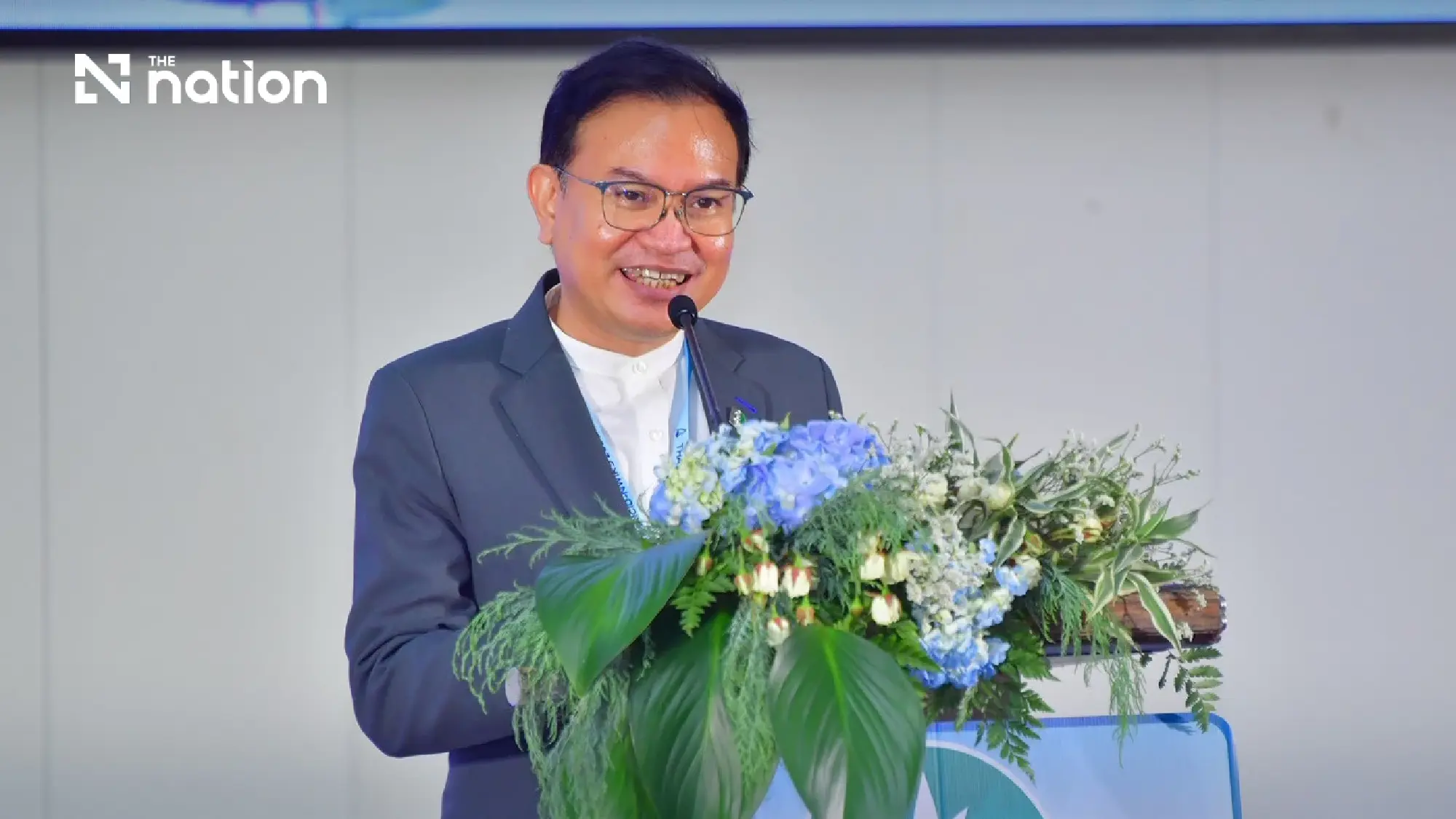
Rasu Suebsahakarn, director of the Irrigation Development Institute and secretary of THAICID’s academic working group, explained that the committee represents Thailand in the International Commission on Irrigation and Drainage (ICID), a global irrigation cooperation network.
THAICID’s role extends beyond exchanging knowledge with international partners. It also serves as a central platform bringing together water agencies, academics, government bodies, private companies and universities to develop research and innovations addressing Thailand’s water management needs.
Although THAICID was established more than 76 years ago, its role has become increasingly prominent over the past decade. This followed Thailand’s hosting of the World Irrigation Forum in Chiang Mai and the country’s receipt of the ICID WatSav Award for innovation in water management for its work on alternate wetting and drying rice cultivation.
The approach has been recognised for improving water-use efficiency and reducing environmental impacts.
Academic forum turns research into practical innovation
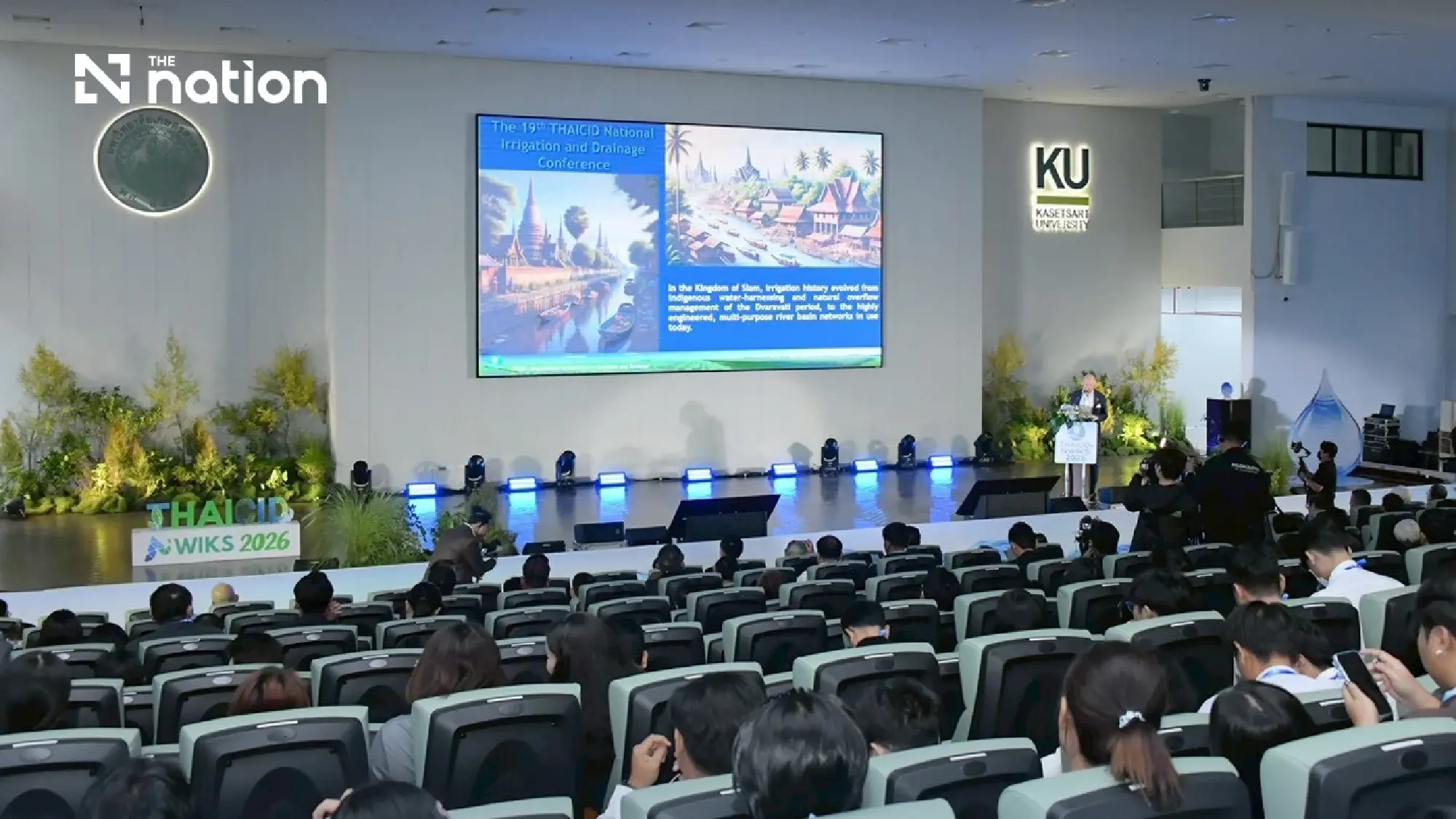
One of THAICID’s key responsibilities is organising an annual academic conference where researchers, students and specialists from the public and private sectors can present their work before it is developed for practical use in local areas.
The event is known as THAICID-NWIKS, or Network Week for Integrated Knowledge Sharing.
The 2026 THAICID-NWIKS conference included knowledge exchanges with specialists from the United States, the Netherlands and Australia on water-flow modelling, flood forecasting and modern water management technologies.
The programme also featured experience sharing by model farmers who had successfully adopted alternate wetting and drying techniques, demonstrating that research could be translated into practical applications.
Alternate wetting and drying raises yields and cuts emissions
Alternate wetting and drying rice cultivation is a clear example of how technical knowledge can benefit agriculture.
Instead of keeping rice fields flooded throughout the growing season, farmers control water levels to match the crop’s growth requirements. The technique can conserve water, reduce methane emissions and increase yields.
Rasu highlighted pilot areas under Regional Irrigation Office 10 in Lop Buri and Saraburi, where yields increased from about 700 kilograms per rai to 1,000–1,100 kilograms per rai.
The projects also reduced water-use costs and could eventually provide farmers with additional income from carbon credits, although this opportunity remains at an early stage.
“What matters most to farmers is yield and income. Once they see that the method works, that fellow farmers have succeeded and that they can trust the water delivery system, they are ready to change their production methods,” Rasu explained.
The approach illustrates how THAICID-NWIKS is more than a platform for exchanging knowledge. It connects research, technology and practical experience to create innovations benefiting farmers, the environment and national water management.
However, the future challenge facing irrigation is not limited to increasing productivity or conserving water. The country must manage its resources to accommodate both climate volatility and rising demand from the modern economy, pushing water management towards more precise and intelligent systems.
Climate pressures force irrigation to change course
Rasu observed that the main water management challenge over the next five to 10 years would not simply be resolving droughts or floods, but managing climate uncertainty as extreme events become more frequent and severe.
Research from several areas reflects this trend. In the Kok River Basin, for example, surface temperatures have risen by around 1 degree Celsius over the past decade, affecting rainfall patterns, water availability and local resource management.
Thailand’s irrigation system must therefore move from a reactive approach to proactive and flexible management.
Hydrological models, weather forecasts and real-time information will be needed to adjust water storage and drainage plans according to actual conditions, rather than relying solely on historical statistics.
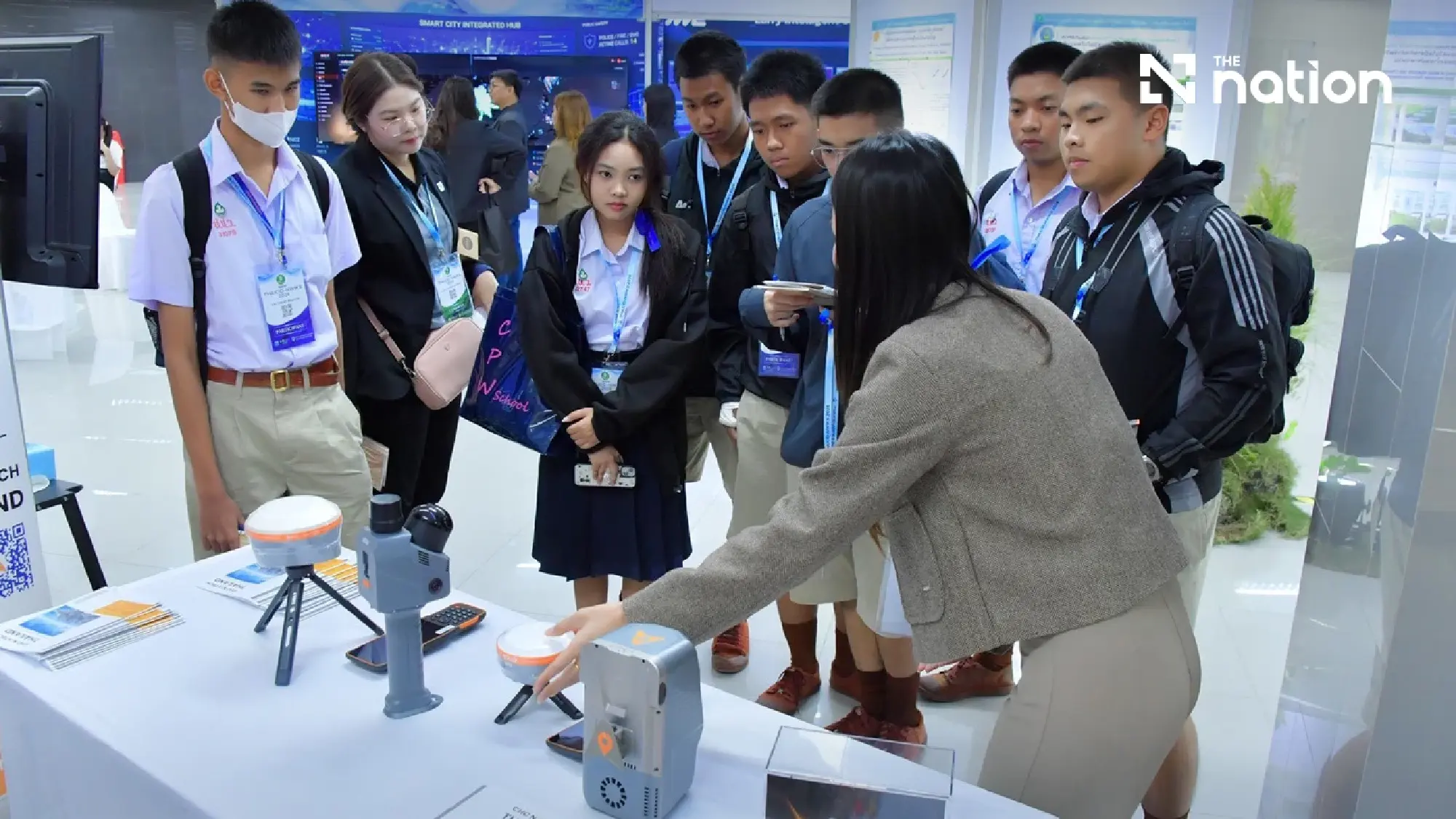
Water becomes infrastructure for the new economy
Another important challenge is the changing role of water, which is moving beyond its traditional position as a key agricultural input to become infrastructure supporting the modern economy.
Rasu noted that the expansion of data centres, AI and advanced technology industries is steadily increasing water demand, particularly for supporting infrastructure and cooling systems.
At the same time, water needs in agriculture, industry, communities and ecosystems remain substantial and continue to grow.
The future challenge is therefore not merely to ensure sufficient supplies, but to allocate water fairly and prevent conflicts among users in different sectors.
Future water management systems must add technology as a new dimension to the four existing priorities of household consumption, ecosystems, agriculture and industry, enabling them to accommodate new forms of demand created by the digital economy.
Smart Water uses data to modernise Thai management
To prepare for these changes, THAICID-NWIKS has advanced the concept of “Smart Water for Stronger Future”, using AI, Big Data and satellite information to improve water management efficiency.
Radar4Flood, a short-range rainfall forecasting system using radar and satellite data, is already being applied to predict rainfall. This enables farmers to plan cultivation, harvesting and water use more accurately.
The iWASAM system supports water delivery planning by analysing weather conditions and local demand. It allows the Royal Irrigation Department to plan water allocations in advance, reduce unnecessary releases and improve efficiency.
The system is being expanded from the Khlong Suan Mak sub-basin to areas within the Chao Phraya River Basin.
Paditch, a field-level smart water gate innovation, allows farmers to open and close gates using their mobile phones while monitoring water levels in real time. The technology can reduce competition for water between farms at the head and tail of irrigation canals and lessen the need for farmers to travel to inspect their fields.
Sentinel-2 Earth observation satellites are also being used to monitor cultivated areas and water distribution.
AI can help correct inaccuracies in short-range rainfall forecasts derived from satellite precipitation data. Satellite information is also used to monitor soil moisture and analyse crop coefficients, allowing water to be supplied according to actual demand at each stage of plant growth.
AI reshapes the role of Thai water managers
Rasu believes AI will become an important tool in modern water management, although it will not provide the answer on its own.
AI must work alongside Big Data and remote sensing technology to create an “answer engine” capable of generating alternative solutions in a digital twin environment for decision-makers.
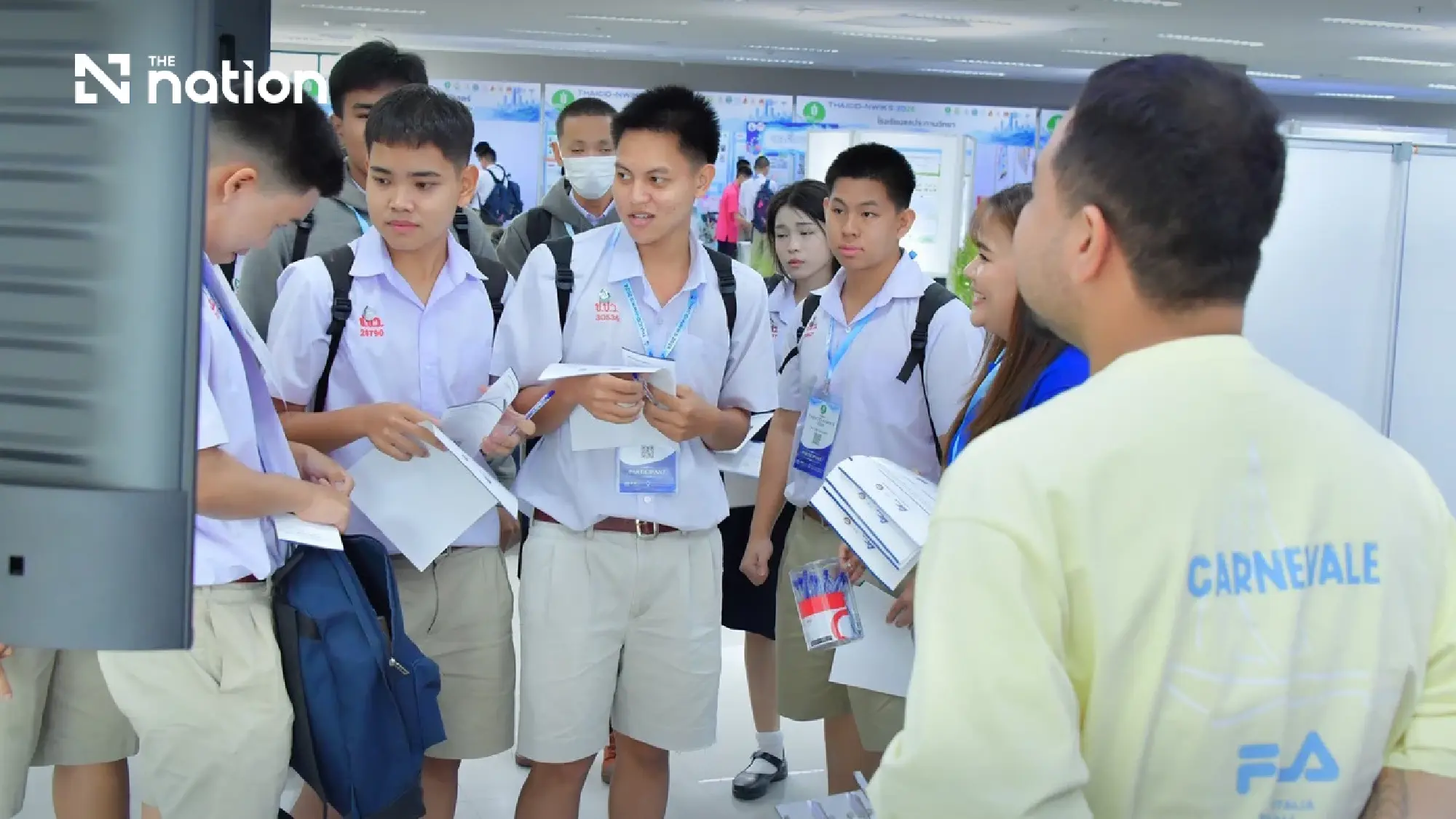
Examples of this research and its practical implementation were presented throughout the three-day THAICID-NWIKS event.
Rasu expects Thailand’s water management system to undergo significant changes within the next five years, shifting from one that relies largely on experience towards an approach increasingly driven by data and technology.
Water will no longer be regarded merely as a natural resource. It will become one of the key factors determining Thailand’s long-term competitiveness.
