
THAI hopes to exit rehabilitation plan in Q3 next year, expects THB20 bn earnings
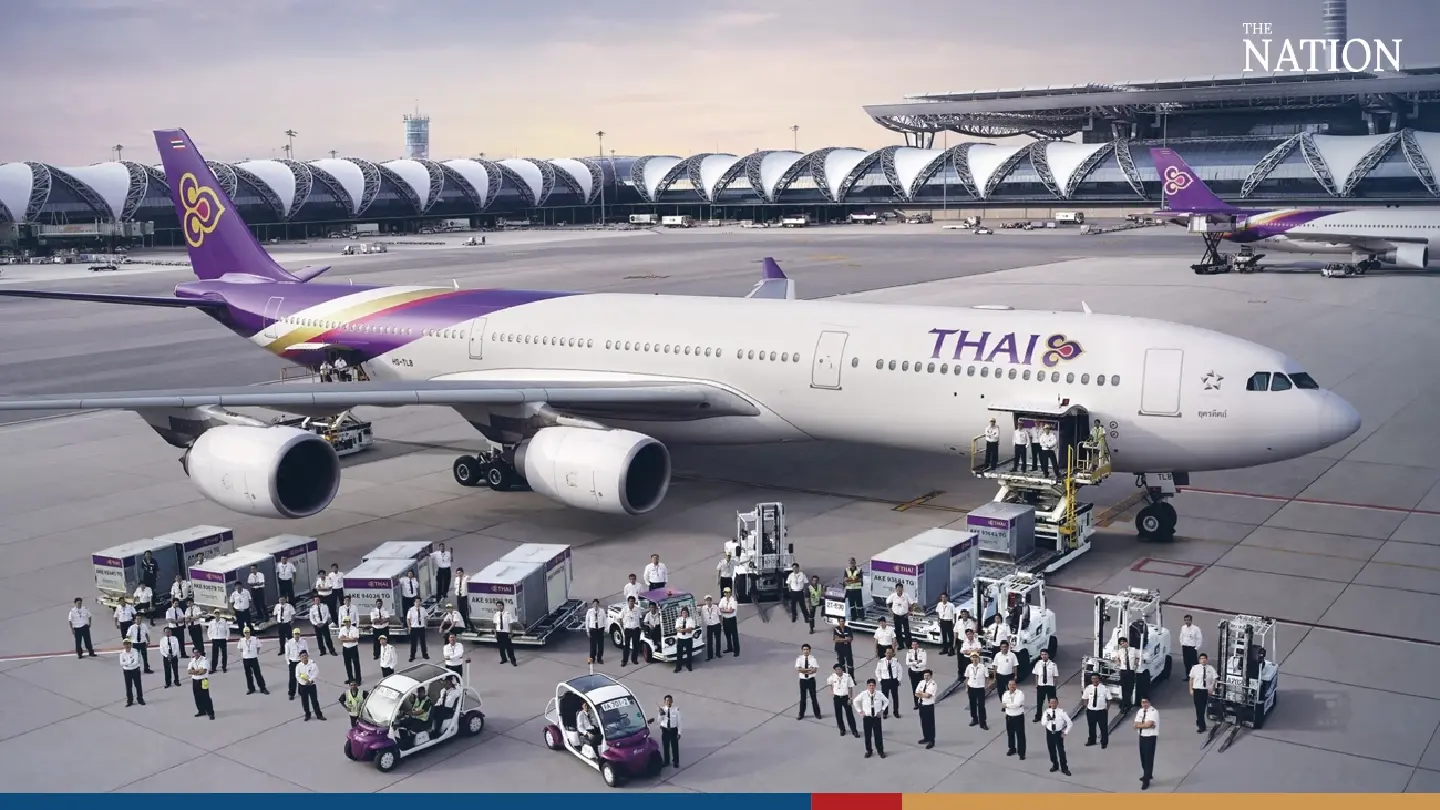


The Thai Airways International has seen positive signs that it can exit the rehabilitation plan no later than the third quarter of next year and return to the stock market a few months later, its CEO said.
THAI CEO Chai Eamsiri told Thansettakij that THAI and its Thai Smiles subsidiary had seen improved business performance during the first five months of this year and have had up to 82.2% cabin factor at the Suvarnabhumi International Airport compared to other airlines.
Chai added that THAI has also been progressing well in its rehabilitation plan as well as the plan to convert debt to equity and to dissolve Thai Smiles and restructure the entire organisation.
With all of these positive signs in business operations and progress in rehabilitation, Chai said he was confident the national flag carrier would be able to exit rehabilitation by the third quarter of next year.
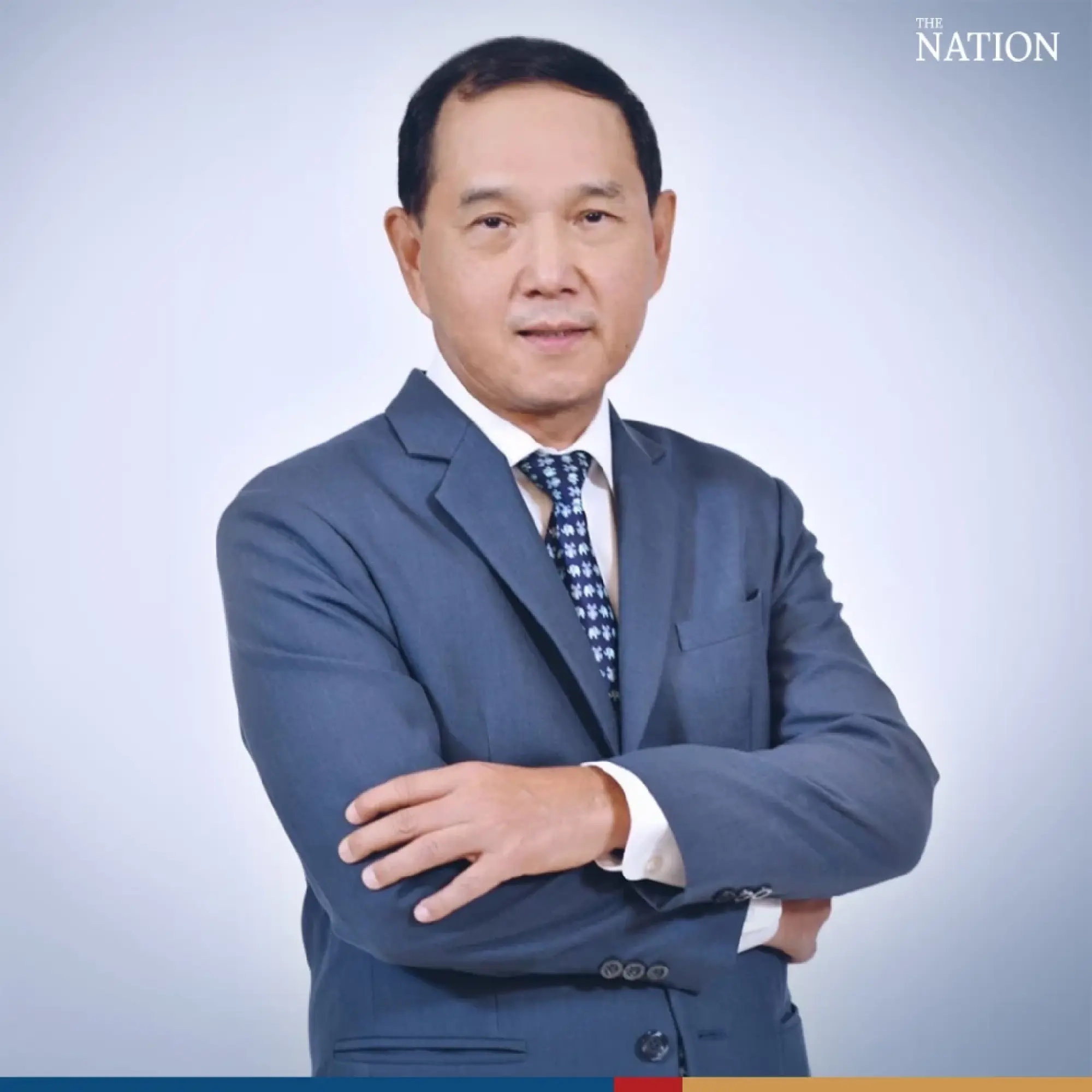
Chai said THAI would definitely earn more than 20 billion baht in earnings before interest, taxes, depreciation and amortisation in the 12-month period before it could report to the bankruptcy court to exit the rehabilitation programme.
He said THAI’s business performance has been on the uptrend from January to May this year with THAI and Thai Smiles capturing 28.6% market share among 111 international airlines that flew to and from Suvarnabhumi Airport.
Chai added that THAI enjoyed cabin factor of 82%, which was higher than the average cabin factor of airlines in the Asia-Pacific. THAI was ranked seventh in the Asia-Pacific region as the airlines with the highest cabin factor, he said.
As part of the reorganisation, THAI will dissolve Thai Smiles and transfer 20 Airbus A320-200 planes and personnel from Thai Smiles back by February next year.
Currently, THAI has 47 planes in operation and it will add 20 planes to its fleet from Thai Smiles.
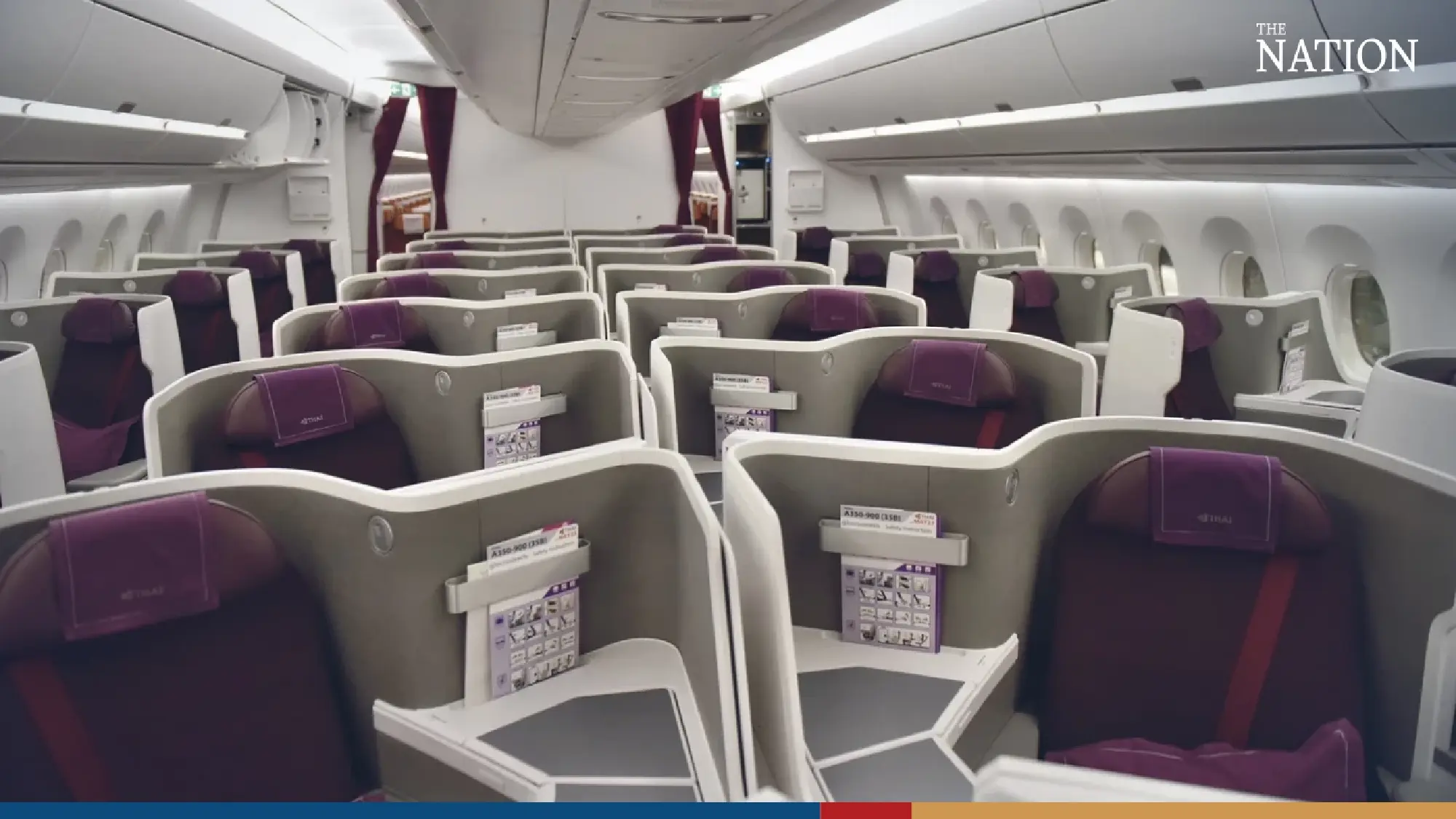
It is also seeking to rent 11 A350-900 planes. So far, two of them have been delivered and nine more will be delivered soon, Chai added.
He said THAI would gradually expand its destinations in accordance to the planes it has received. Currently, it is flying to 57 destinations in 19 countries.
Before entering the rehabilitation programme, THAI had some 30,000 staff, including outsourcing flight attendants but last year the number stood at 15,000 staff.
By the end of this year, THAI would recruit 2,000 more staff and gradually recruit more to meet the target of 19,500, including outsourced staff, by 2025, Chai said.
