
DDC urges travellers to the UK to get meningococcal vaccine before departure
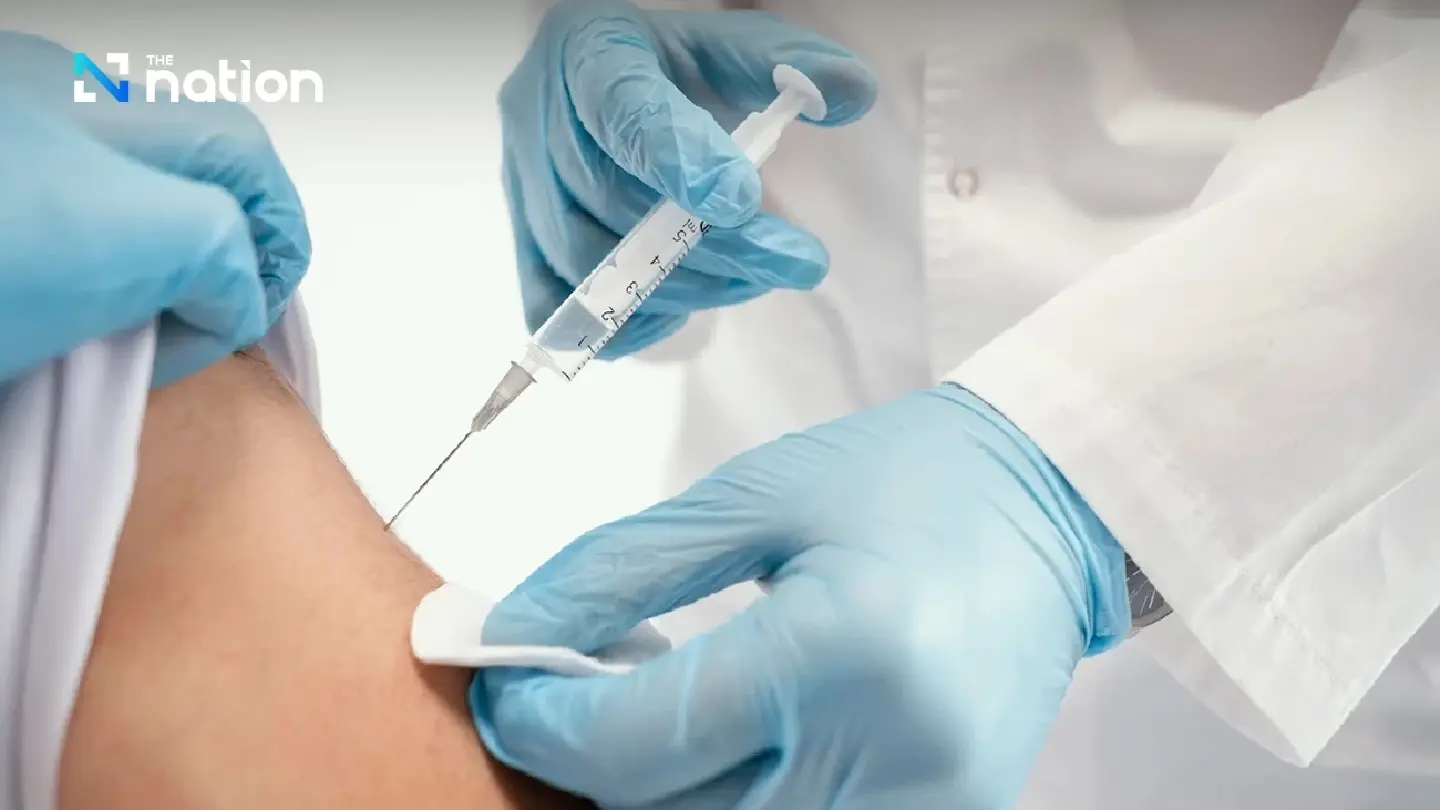


The warning follows a cluster of meningococcal cases in southern UK, with Thai health officials advising high-risk travellers to seek vaccination at least 10 days before travel.
- An outbreak of the severe MenB strain of meningococcal disease in the United Kingdom, primarily affecting students, has prompted the travel advisory.
- Thailand's Department of Disease Control (DDC) is urging travellers to the UK to get vaccinated, specifically against the MenB serogroup.
- The DDC recommends receiving the vaccination at least 10 days before departure to ensure its effectiveness.
- The advice is particularly aimed at high-risk groups, including children, adolescents, and individuals with weakened immune systems.

Dr Montien Kanasawadse, Director-General of the Department of Disease Control (DDC), said on March 22, 2026, that the Department of Disease Control, through its Division of Epidemiology, had been closely monitoring the spread of meningococcal disease in the United Kingdom.
Based on information from international public health agencies, including UKHSA and ECDC, the outbreak in the southern part of the country had occurred mainly among school and university students.
As of March 18, 2026, around 20 cumulative cases had been reported, including 9 confirmed cases, with at least 2 deaths.
Laboratory tests in UK confirmed Neisseria meningitidis serogroup B (MenB), which is a severe strain.
The outbreak was linked to group activities in enclosed settings in early March, resulting in at-risk groups across several educational institutions and related communities.
Local public health authorities have stepped up intensive disease-control measures, including tracing high-risk contacts, providing prophylactic antibiotics to close contacts, and administering vaccines that cover meningococcal serogroup B to at-risk groups, especially students living together and engaging in behaviours that increase the risk, such as prolonged close contact, sharing utensils, or sharing equipment.
However, the outbreak remains confined to close contacts, with no wider spread detected, and the overall risk remains low.
“The Department of Disease Control recommends that people planning to travel abroad, especially to areas at risk of outbreaks such as the United Kingdom or countries in Europe, consider getting vaccinated at least 10 days before departure, particularly with the MenB vaccine.
Groups that should be given special consideration include children, adolescents, people with weakened immune systems, and those who travel abroad regularly,” the Director-General of the Department of Disease Control added.
Dr Direk Khampaen, Deputy Director-General of the Department of Disease Control, added that the bacteria causing meningococcal disease have several important serogroups, namely A, B, C, W, and Y. Cases of this disease can occur sporadically throughout the year, and Thailand has not previously seen a large-scale outbreak or clustered transmission.
For the situation in Thailand, between January 1 and March 17, 2026, a cumulative total of 5 cases and 3 deaths had been reported, with no link to the outbreak overseas.
Although the number of cases remains low, the Department of Disease Control continues close surveillance because this is a severe disease and must be reported by law.
If a suspected case is found, it must be reported immediately.
If even a single case is confirmed, officials will quickly launch a disease investigation to prevent further spread.
Patients commonly develop sudden high fever, severe headache, neck stiffness and drowsiness.
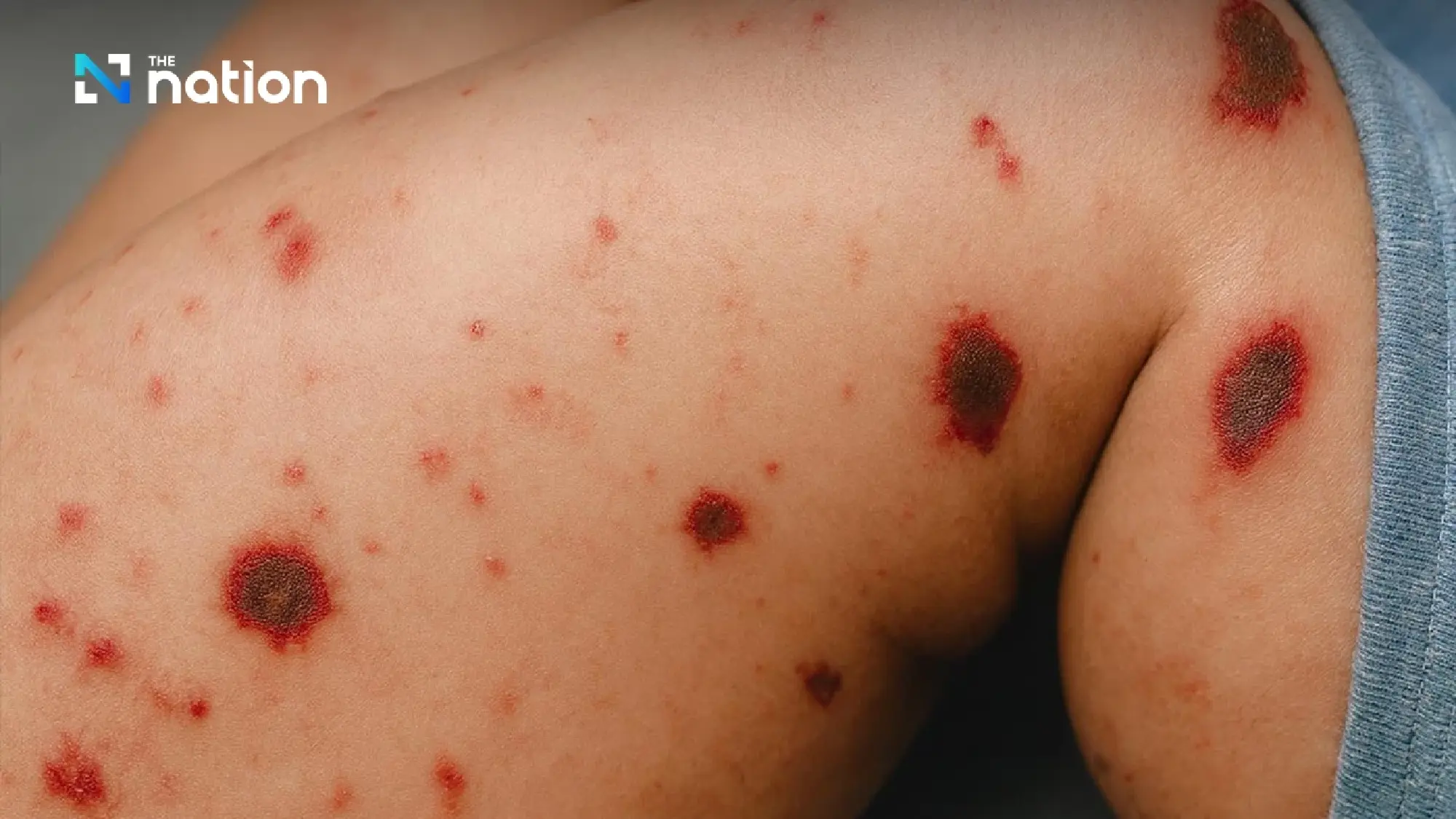
Some may also have bleeding spots or a haemorrhagic rash on the skin.
Anyone with such symptoms should seek medical attention immediately and inform doctors of any travel history or risk exposure, such as having been in an area where cases have been reported or having had contact with a patient.
The disease can be treated with antibiotics, and vaccination is available as an option. People who need to travel to high-risk countries should consult a public health service before getting vaccinated.
The Department of Disease Control advises the public to protect themselves by washing their hands frequently, avoiding touching their face, wearing a face mask in crowded places, and avoiding close contact with people with respiratory symptoms such as fever, cough or sneezing, as the disease can be transmitted through droplets and through sharing items.
The public is also urged to follow information from reliable sources and strictly comply with the advice of public health officials.
Further enquiries can be made via the Department of Disease Control hotline on 1422.
