
NSL Foods Unveils Global Halal & Tech Push at THAIFEX 2026.
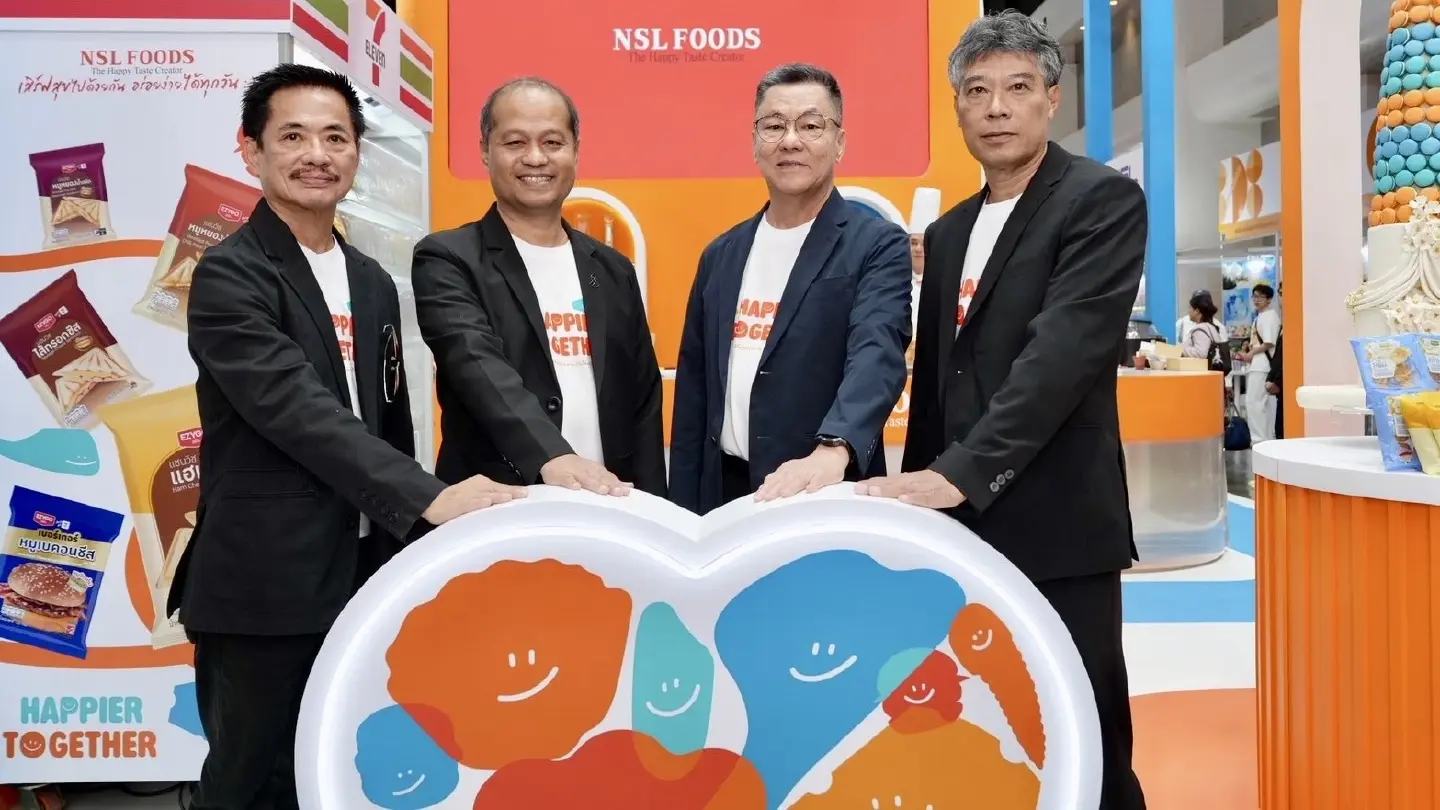


Thai food major NSL Foods accelerates global expansion with new halal lines and a high-tech factory, balancing modern functional foods and global exports.
NSL Foods, one of Thailand’s major food manufacturers and the primary contract manufacturer (OEM) for 7-Eleven's popular toasted sandwiches, is pivoting toward high-value functional products and expanded processing capacity to capture a larger share of the global food market.
At the THAIFEX – Anuga Asia 2026 trade exhibition, the company outlined a multi-pronged growth strategy driven by manufacturing investments, specialized product categories, and geographical expansion across 23 countries.
Capacity Expansion and Technical Investment
To sustain international demand and bolster production capabilities, the company announced the upcoming launch of "NSL Integration." Scheduled to commence operations in the third quarter of 2026, the new manufacturing facility will consolidate the integrated production of bread, bakery items, and ready-to-eat (RTE) meals, signaling an aggressive push to optimize supply chain efficiency and scale up exports.
Targeting Functional Trends and Premium Niches
Responding to shifting global consumer preferences toward health-conscious and premium lifestyle foods, NSL Foods introduced several new product lines designed for convenience-oriented demographics:
Functional Nutrition: The company developed "KHOW THANG," a high-protein rice bar infused with chicken breast, Perilla seeds, branched-chain amino acids (BCAAs), and L-Carnitine, targeting the sports nutrition and active lifestyle segments.
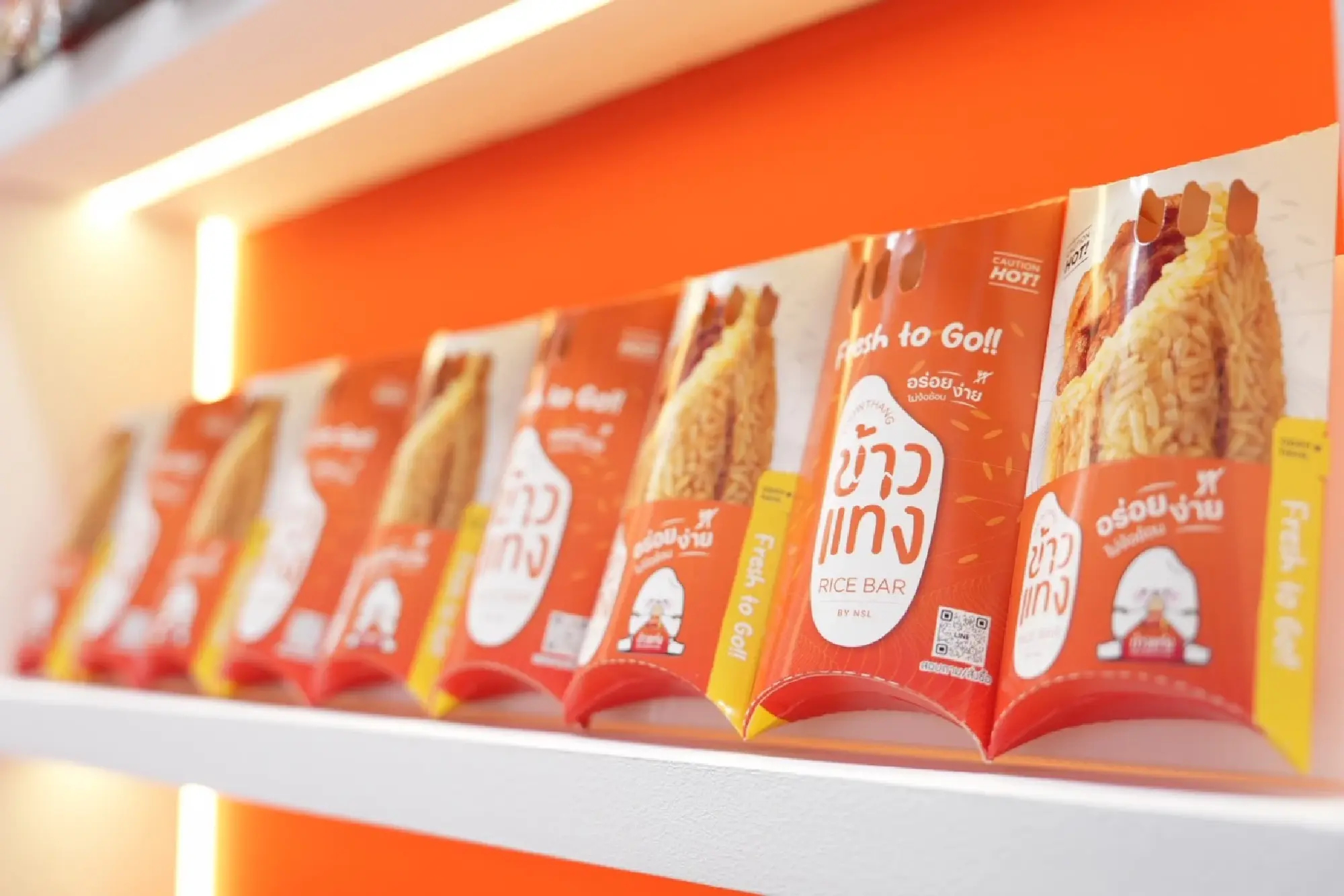
Gourmet Interventions: Recognizing demand for premium experiential flavors, the manufacturer launched "Lisno Black Truffle Cream Cheese" to cater to the domestic and regional dairy-blend market.
Convenience Exports: Ready-to-eat iterations of traditional dishes, such as mango sticky rice, alongside an export-focused beverage portfolio including coconut water and fruit juices, form the core of its international market penetration strategy.
Strategic Penetration into the Halal Sector
A primary commercial pillar for the company is the "NSL Halal Destination" initiative. By tailoring flavor development and product research specifically to the cultural consumption habits of members of the Organisation of Islamic Cooperation (OIC), the company is positioning itself to capture market share in high-growth halal markets. This includes co-developed halal-certified savory baked goods and beverages distributed through retail channels.
B2B and Supply Chain Sustainability
Beyond consumer-packaged goods, the group is expanding its footprint in the HoReCa (Hotel, Restaurant, and Café) sector via specialized commercial solutions. Through dedicated culinary research, the business offers customized menu development and full-scale catering models, deploying food trucks and specialized product formats to support independent food operators.
On the sourcing front, the enterprise maintains an domestic-first supply chain model under the "Product of Thailand" framework, drawing agricultural raw materials—such as coconut, lychee, tamarind, and rice—directly from local farming networks to meet sustainability certifications required by western export destinations.
