
People’s Party raises three concerns, says Anutin lacks integrity to serve as PM
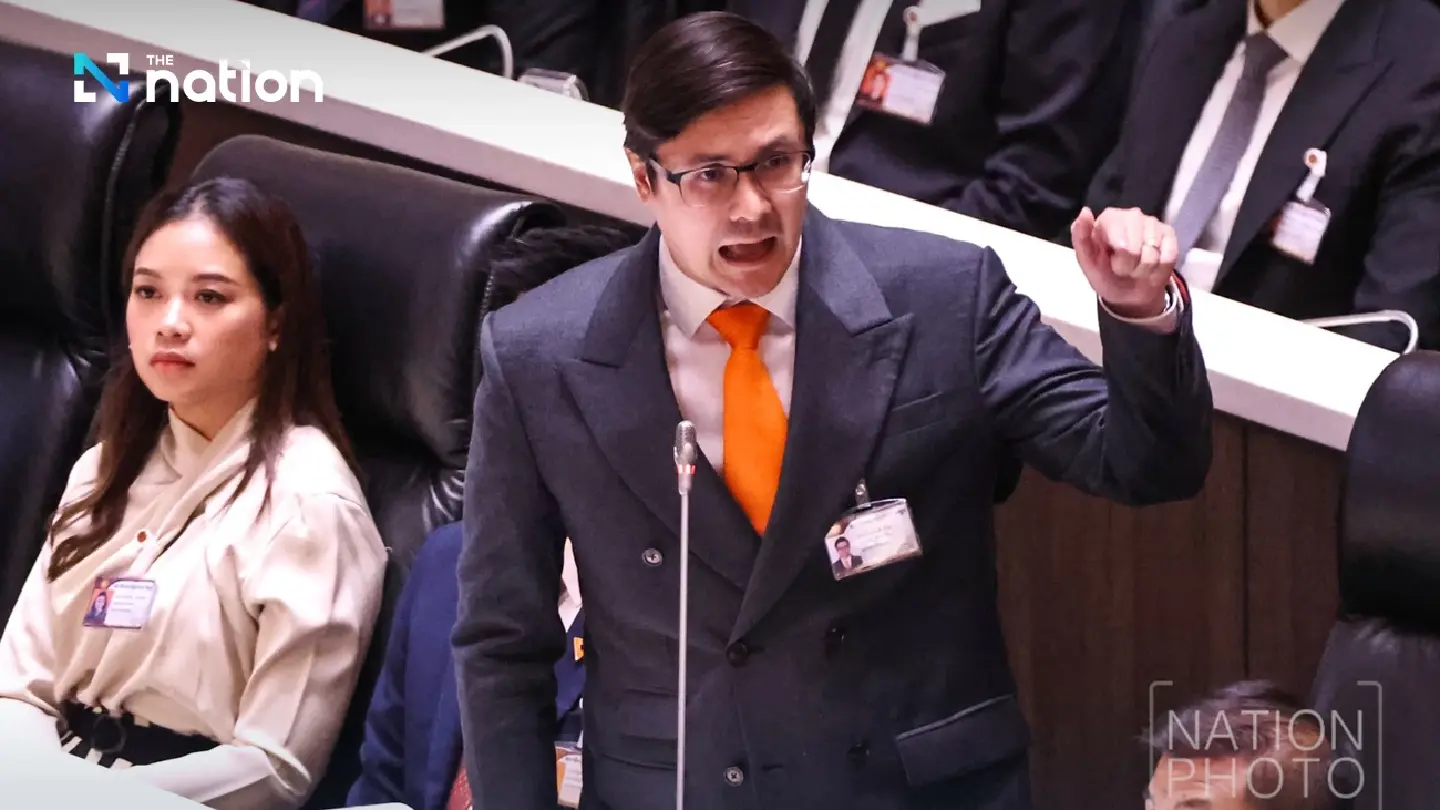


Ahead of the prime ministerial vote, the People’s Party told parliament that three unresolved issues cast doubt on whether Anutin Charnvirakul meets the constitutional standard of integrity required for office.
- The People's Party questioned Anutin's integrity regarding the management of an oil shortage, suggesting it resulted from corrupt policymaking.
- Anutin is accused of creating an unfair election by transferring a large number of district chiefs before the vote, an act the party labeled as a form of corruption.
- The party cited Anutin's alleged involvement in a Senate collusion case as the third reason he lacks the evident integrity required to be Prime Minister.
At Parliament, during a House sitting under the urgent agenda to consider approving a person deemed suitable for appointment as prime minister under Section 159 of the Constitution, two names were nominated: Anutin Charnvirakul, the Bhumjaithai Party’s prime ministerial candidate, and Natthaphong Ruengpanyawut, the People’s Party’s prime ministerial candidate.
Before the deciding vote, MPs from both sides supporting Anutin and those holding a different view were each given 70 minutes to debate the qualifications and disqualifying characteristics of the individuals nominated for the premiership.
Rangsiman Rome, a party-list MP of the People’s Party, said in the debate that he had concerns and doubts about Anutin’s qualifications to serve as prime minister, because Anutin’s conduct did not inspire confidence that he possessed evident integrity, as required under Section 160 of the Constitution.
He said there were several issues suggesting a lack of honesty, including the management of the oil shortage.
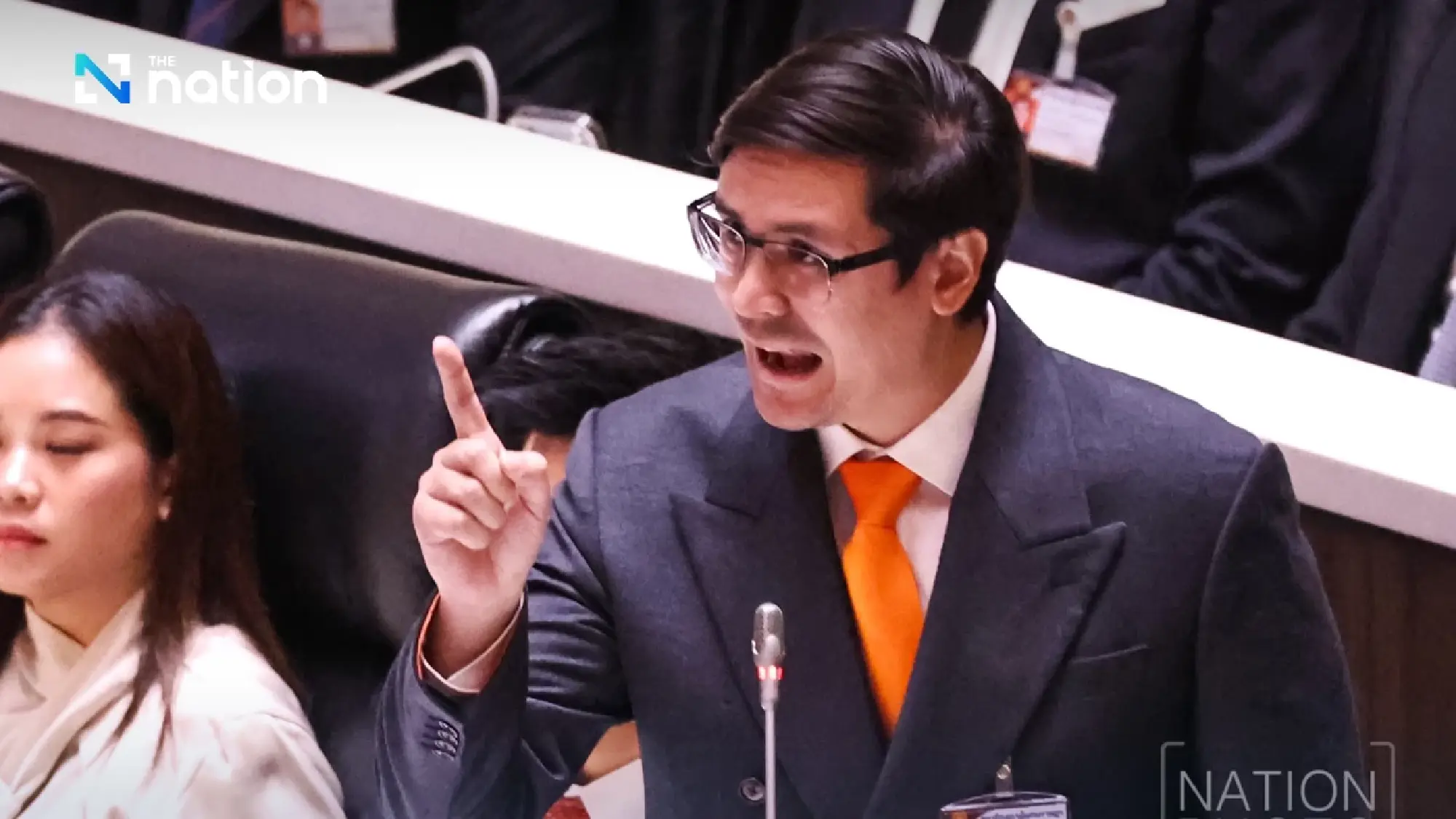
The caretaker government had consistently stated that oil supplies were sufficient, but in reality, how could the oil have gone missing unless it was due to corrupt policymaking by the caretaker administration? He also said that Anutin, in his capacity as prime minister and interior minister, had set an unacceptable standard in Thai politics in matters related to the election process, because before the election, he had exercised his authority to transfer a large number of district chiefs.
Rangsiman said he did not regard that as a proper standard and viewed Anutin as a key figure in making the election unfair.
“I am not saying which political party benefited from what may have been the most problematic election, but my point is whether such a sweeping reshuffle was acceptable. It is a matter of conscience. What Anutin, as prime minister and interior minister, did before the election should not be accepted as a standard in Thai politics, and it suggests corruption and election fraud, which I hope will not happen,” Rangsiman said in the debate.
Rangsiman continued that Anutin had also faced allegations in the Senate collusion case, and he questioned whether, as head of the executive branch, Anutin had no duty to uphold the law or ensure that the law was observed.
He said that if someone with these three issues could become prime minister, what would that mean for the rule of law in the country? This, he argued, was an example of why Anutin did not possess the qualifications required under the Constitution, because he lacked evident integrity.
Reporters said that while Rangsiman was speaking, Bhumjaithai MPs repeatedly rose to protest.
In addition, House Speaker Sophon Saram, in his capacity as chair of the sitting, repeatedly cautioned that the debate should not stray into the territory of a no-confidence debate and asked members to stay on the substance of the qualifications of the person nominated for prime minister.
However, Rangsiman responded at one point that his remarks were intended to show his doubts about Anutin’s honesty and integrity.
Therefore, he said, when considering whether a person had evident integrity, it was necessary to take into account past conduct and the performance of the caretaker government.
If this had been a no-confidence debate, he added, he would have gone much harder.
