
Baht weakens past THB34 per US dollar, its lowest level in over 19 months
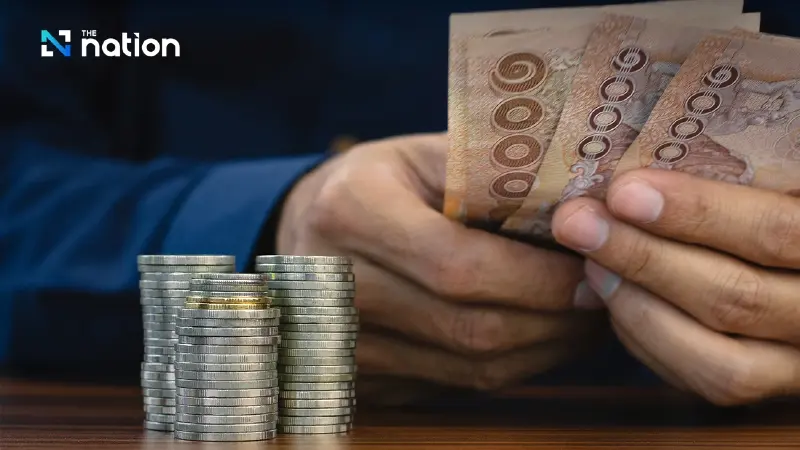


Bank of Thailand governor Vitai Ratanakorn says this year’s fall of about 7.8% is manageable and the bank is ready to act if the baht moves too sharply.
- The Thai baht has weakened past THB34 per US dollar, its lowest level in more than 19 months, erasing gains from the previous year.
- The main factors causing the decline are the movement of the US dollar, gold prices, and differing economic growth rates, not the interest rate gap between Thailand and the US.
- Thailand's central bank is monitoring the currency and is prepared to act against excessive volatility but considers the current situation manageable and not unusual.
- A weaker baht benefits Thailand's export-focused economy, but the central bank aims for a balanced level to also manage the increased costs for importers, such as for oil.
Vitai Ratanakorn, governor of the Bank of Thailand (BOT), said the baht had weakened past THB34 to the US dollar and reached its lowest level in more than 19 months.
It had fallen by about 7.8% this year after strengthening by about 8% the previous year, bringing it back close to its earlier level, he said.
The baht had often traded around THB34 to the dollar in recent years.
Vitai said Thailand’s experience differed from that of some other countries in the region, where currencies were seeing their steepest declines in five years or, in some cases, their steepest on record.
The BOT was monitoring the baht closely and was ready to act through market mechanisms if volatility became excessive, he said.
“Our main focus is on managing volatility. If the baht strengthens or weakens too quickly, for example, the central bank will use market mechanisms to limit excessive swings and their impact on exporters and importers.”

The dollar, gold and the global economy are the main factors
Vitai said the interest rate gap between Thailand and the US influenced the baht’s movements.
He said it was not the main factor behind the currency’s weakness.
The main factors remained movements in the US dollar and gold prices, along with differences in economic growth rates between countries.
A weaker baht benefited exporters because Thailand relied on exports, Vitai said.
The country also had importers to consider and needed to buy oil from abroad.
The baht therefore needed to trade at a level that balanced the benefits for exporters with the costs for importers.

“A weaker baht is good for exporters. Thailand is an export-oriented economy, so that’s an advantage. But the baht needs to be at an appropriate level. We have importers too, and we have to consider the price of the oil we import.”
Vitai said the Monetary Policy Committee (MPC) would consider each decision on the policy rate on its own merits.
It could raise the rate, hold it steady or make other adjustments, depending on the circumstances and what was needed at the time.
For now, the BOT considered the situation with the baht manageable.
It saw nothing unusual in the currency’s decline given economic fundamentals and the baht’s recent movements.
