
US urges Thailand to remove barriers on cars, drugs and farm goods
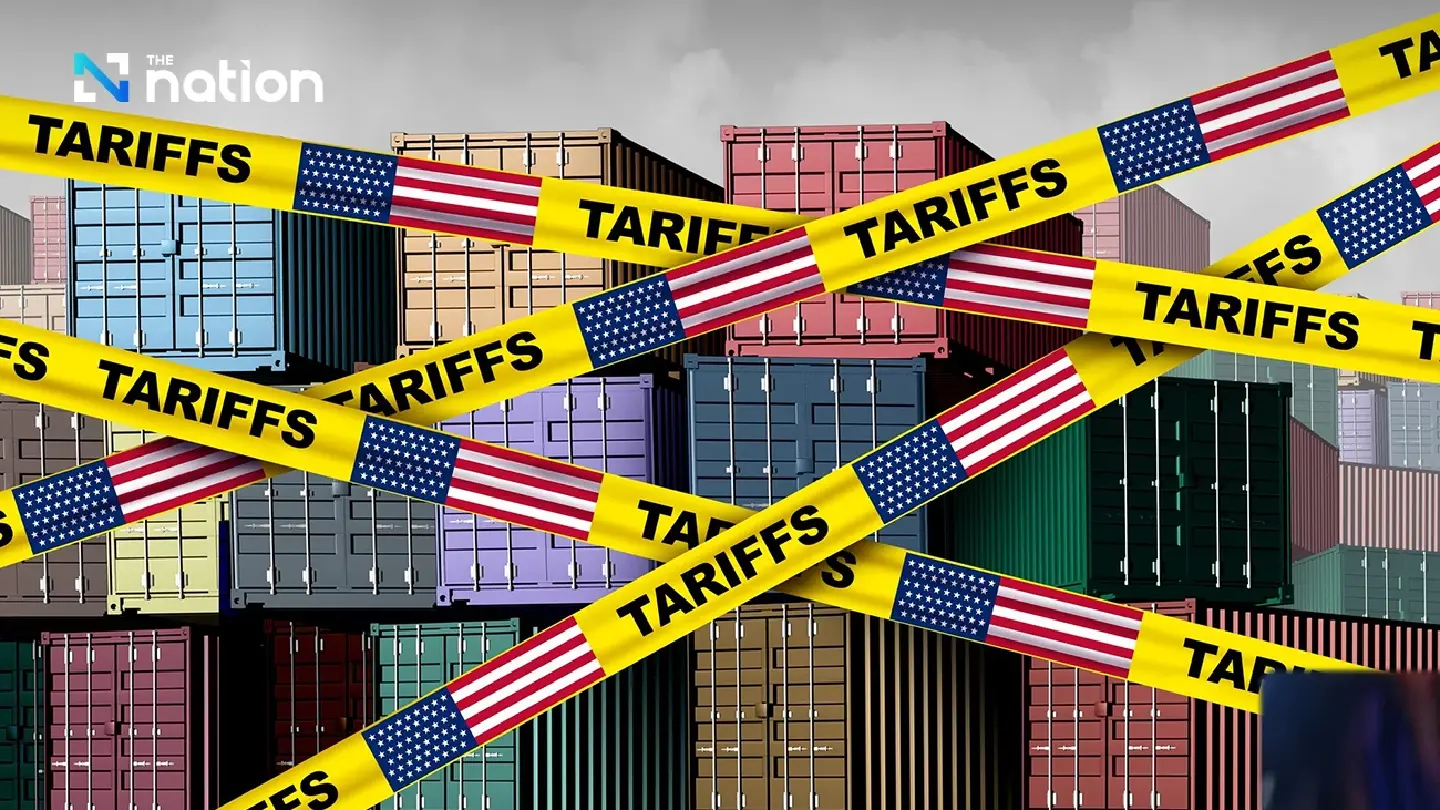


USTR is pressing Thailand to ease barriers in vehicles, pharmaceuticals, medical devices and farm imports as both sides work to finalise a reciprocal trade deal.
Trade between Thailand and the United States surged past US$110 billion in 2025, underlining increasingly strong economic ties between the two countries. But behind the impressive figures lies a long list of trade barriers that Washington wants Bangkok to address in concrete terms.
Three issues are under especially close scrutiny: recognition of US automotive standards, approval of pharmaceuticals and medical devices, and wider access for American agricultural and food products.
The latest report from the Office of the United States Trade Representative (USTR) reflects a trade relationship marked by both opportunity and challenge, as the two countries continue negotiations on a reciprocal trade agreement that is expected to lead to broader trade liberalisation.
Under the framework set out in the joint statement issued by both sides in October 2025, Thailand made several clear commitments. One of the pledges given the highest priority by the United States is the removal of non-tariff barriers in the automotive, pharmaceutical and medical device sectors.

One of the clearest technical barriers identified by Washington concerns automotive standards. The USTR said Thailand is aligning its vehicle regulations with the 1958 United Nations Economic Commission for Europe (UNECE) framework, but does not accept US Federal Motor Vehicle Safety Standards, or FMVSS, and US emissions standards as sufficient for compliance with Thai rules.
That refusal effectively creates a barrier for US vehicle and auto parts exports to Thailand. Vehicles built and certified in the United States under FMVSS cannot be sold directly in the Thai market without undergoing additional testing and certification under UNECE-based requirements, adding both cost and complexity for American exporters.
For the US automotive industry, Thai recognition of FMVSS would make it much easier for American-made vehicles to enter the market, especially larger pick-up trucks and sport utility vehicles (SUVs), segments in which US manufacturers are particularly strong.
It would also help newer technologies, including electric vehicles and other advanced automotive products, gain faster access to Thailand and the wider Southeast Asian market.

Pharmaceuticals and medical devices are another major point of contention. The USTR said Thailand had committed under the October 2025 framework to accept US Food and Drug Administration (FDA) certificates and prior marketing authorisations for medical devices and pharmaceuticals as sufficient to meet Thai requirements.
At present, however, medicines and medical devices made in the United States must still go through approval procedures in Thailand, even if they have already been cleared by the US FDA, one of the world’s most widely recognised regulators.
Washington argues that this duplication consumes time, raises costs and creates uncertainty for US suppliers trying to enter the Thai market.
The issue is not only commercial. Delays in approving new medicines and medical technologies can also affect how quickly Thai patients gain access to modern treatment and innovation compared with other countries that directly recognise FDA approval or have faster approval processes.
If Thailand follows through on its commitment, products that have already won FDA approval should be able to enter the market through a much simpler and faster process, if not without repeated testing altogether.
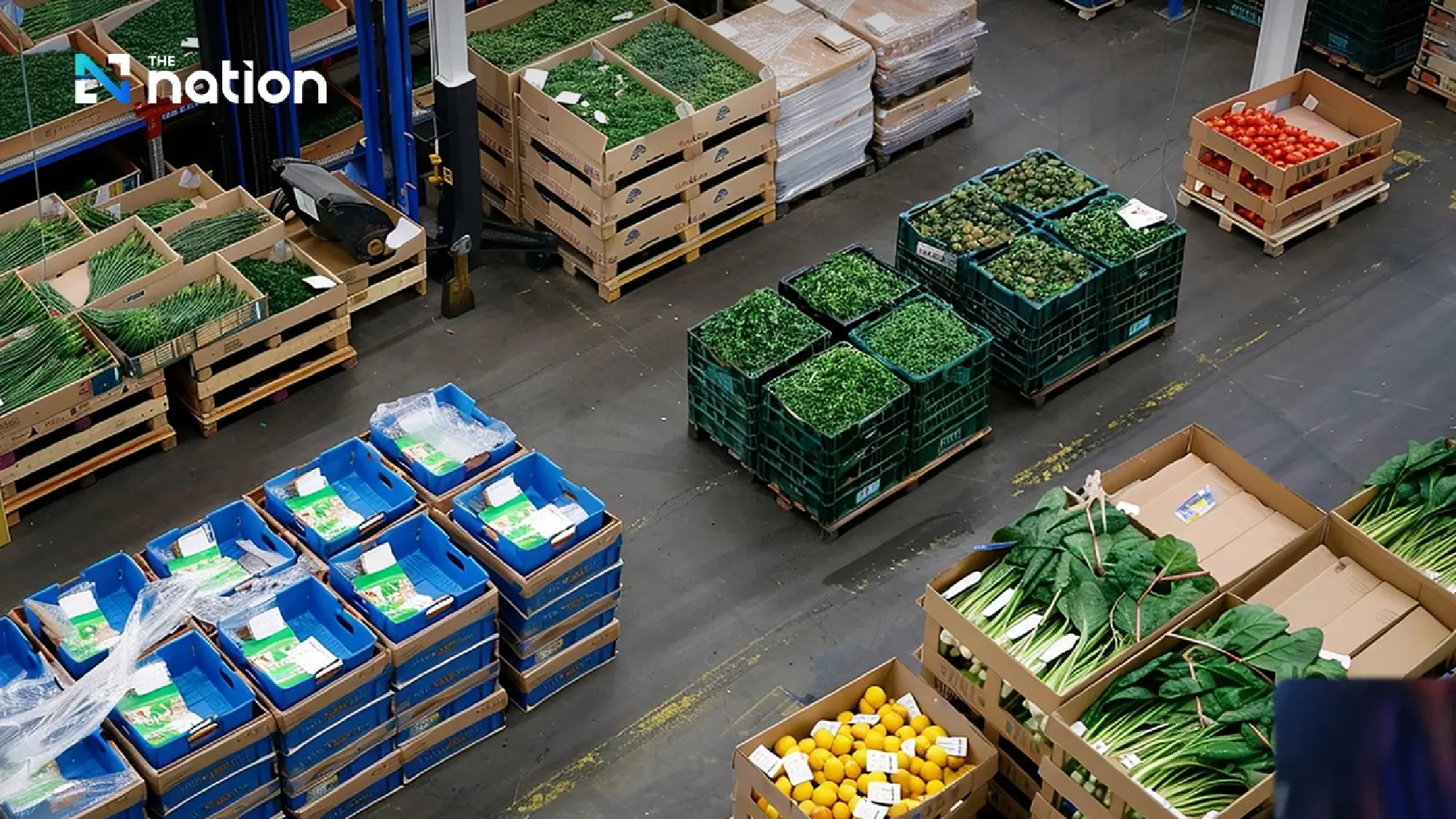
The USTR report also highlights long-running barriers affecting US agricultural and food exports. It says Thailand’s import regime remains complex and protracted, particularly in relation to sanitary standards for meat products and the long-running dispute over ractopamine.
Although Codex Alimentarius has established maximum residue limits for ractopamine, Thailand still restricts certain beef offal from cattle treated with the substance.
The pork issue is even more problematic. Although Thailand had previously pledged to lift the ban after Codex established maximum residue limits, it has yet to set the relevant standard.
As a result, US pork remains excluded from the Thai market, leading Washington to suspend around one-sixth of Thailand’s Generalised System of Preference (GSP) benefits from late 2020.
Washington is also unhappy with delays in Thailand’s approval process for animal-derived and processed meat products.
The USTR said Thailand’s Department of Livestock Development has still not published or notified the import requirements and procedures needed for individual US suppliers to proceed through the establishment-by-establishment approval process, leaving market access requests in limbo and significantly limiting export opportunities for new processed meat products.
