
BOT Pushes Bangkok Blueprint to Tackle Digital Fraud Ahead of 2026 Annual Meetings
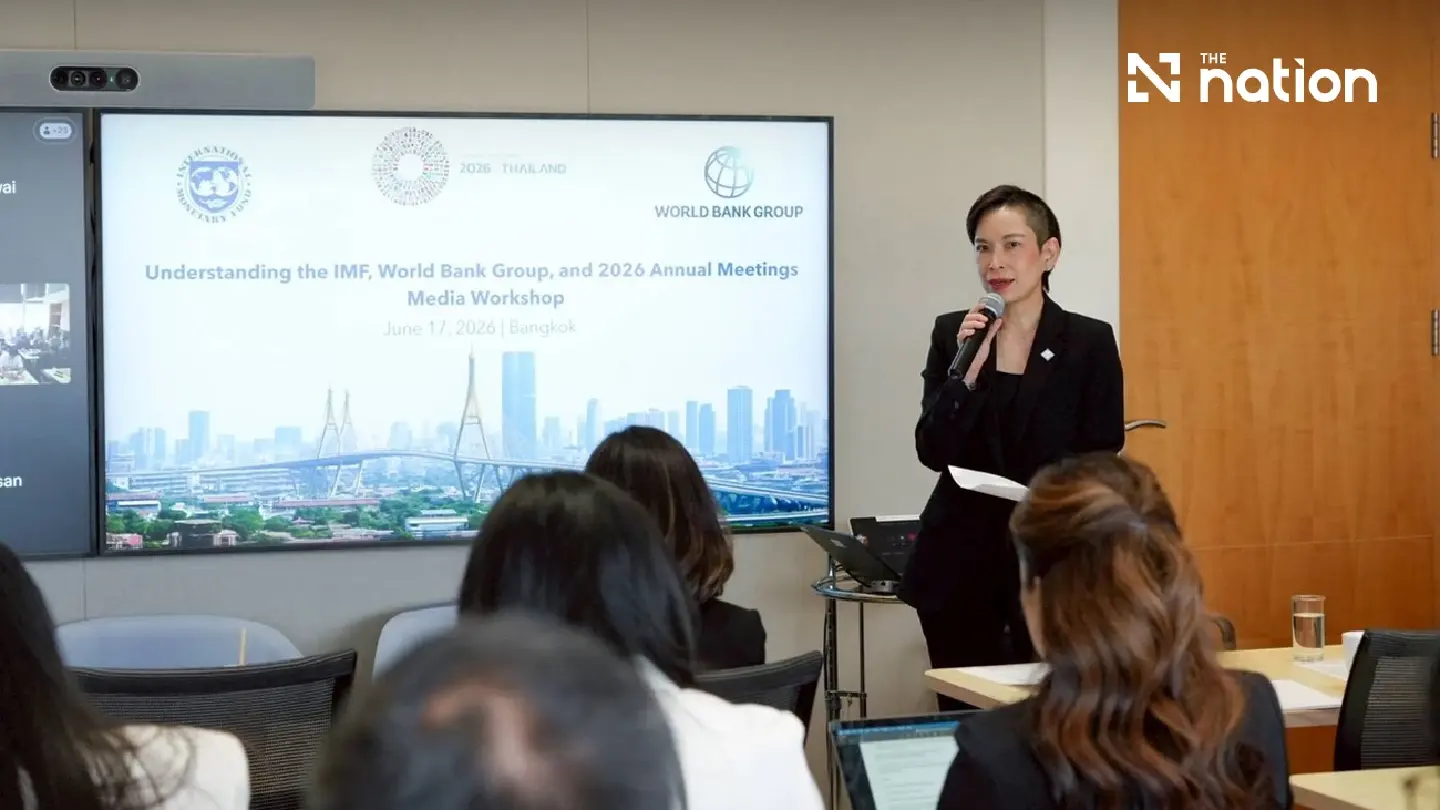


BOT unveils plans for a global fraud-fighting framework as Thailand finalises preparations to host the IMF-World Bank Annual Meetings in October
- The Bank of Thailand (BOT) will use the 2026 IMF-World Bank Annual Meetings in Bangkok to advance the "Bangkok Blueprint," a new framework for international cooperation against digital financial fraud.
- The initiative is a response to digital fraud being a major cross-border financial risk, with the blueprint aiming to establish a global direction for tackling the problem.
- Developed with the IMF and World Bank, the blueprint proposes a comprehensive "whole-of-ecosystem" approach covering prevention, detection, response, and recovery.
- The goal is to produce the blueprint as a tangible outcome of the meetings, focusing on forming ideas and direction rather than securing immediate financial commitments.
BOT unveils plans for a global fraud-fighting framework as Thailand finalises preparations to host the IMF-World Bank Annual Meetings in October.
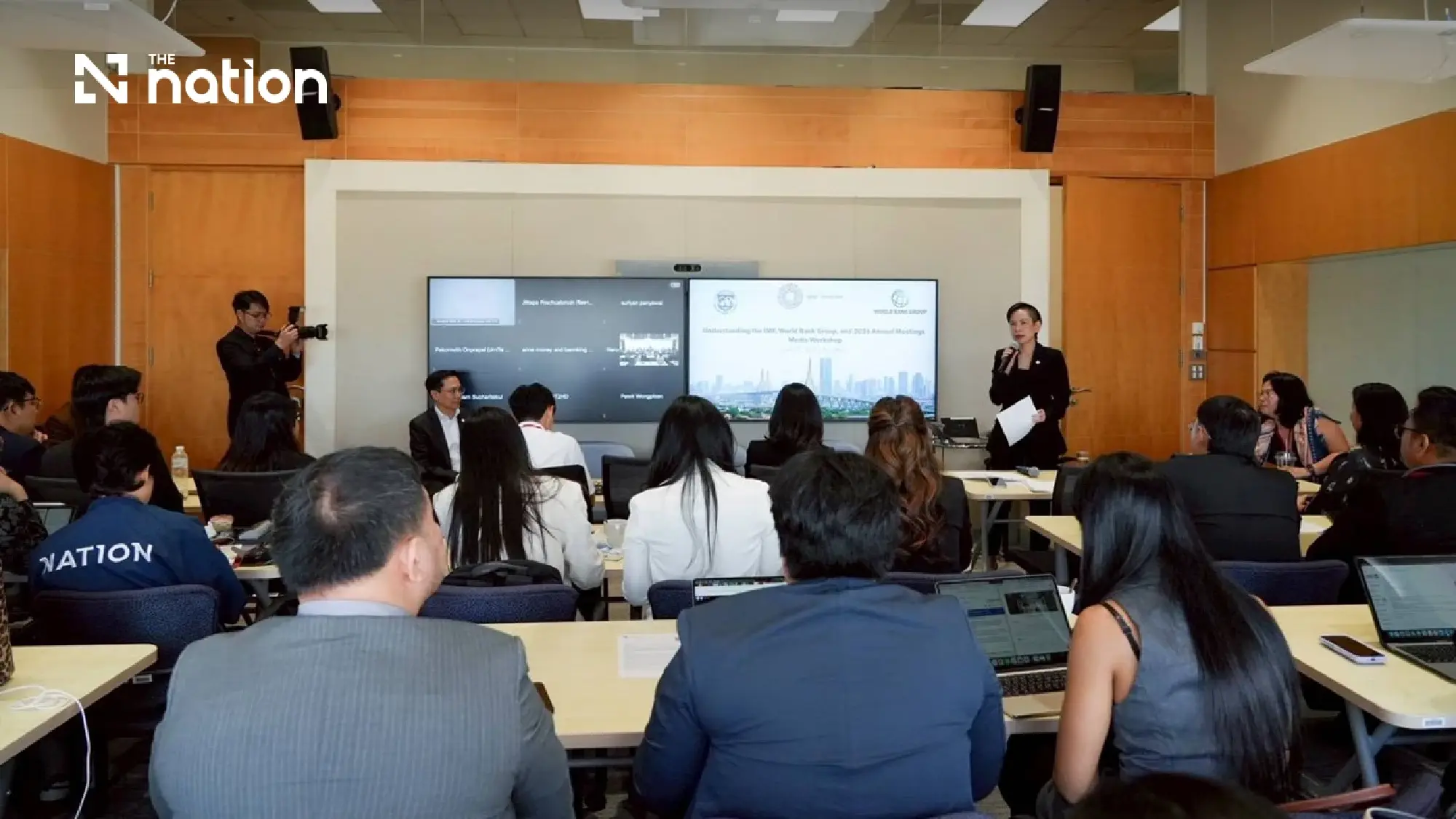
The Bank of Thailand (BOT) plans to use October's IMF-World Bank Group Annual Meetings in Bangkok to advance the "Bangkok Blueprint", a framework to tackle cyber-enabled financial fraud through stronger international cooperation.
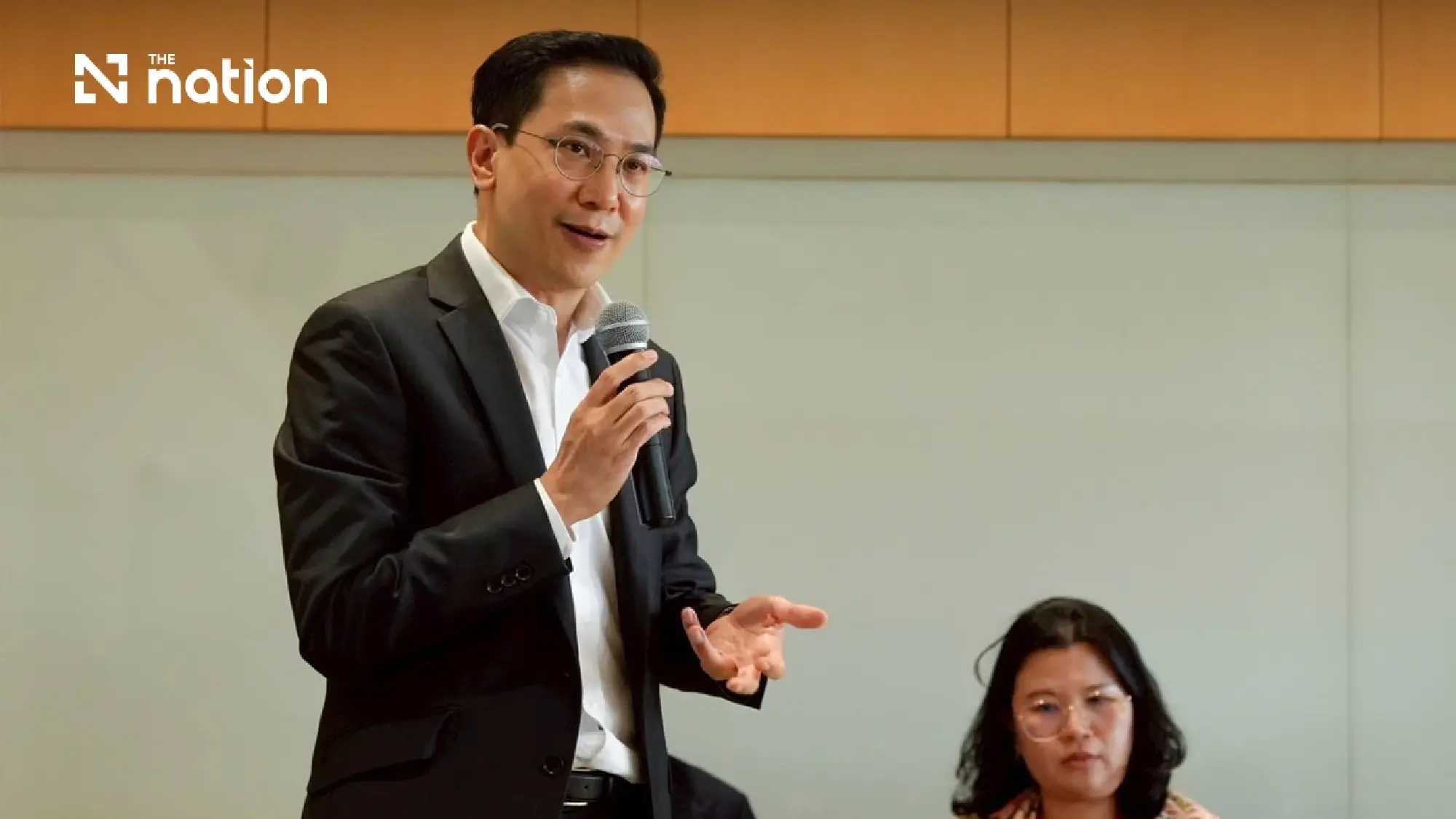
Speaking at a media workshop ahead of the meetings on Wednesday, Chayawadee Chai-anan, BOT Assistant Governor for Corporate Relations and spokesperson, said digital fraud is the most pressing of three key risks facing the region's financial systems, alongside system resilience and the risk of "walled" digital ecosystems that exclude vulnerable users.
She noted two-thirds of global fraud and scam cases occur within the region, with roughly half of stolen funds vanishing within three minutes of a transaction, while victims typically take around 80 hours to report the crime.
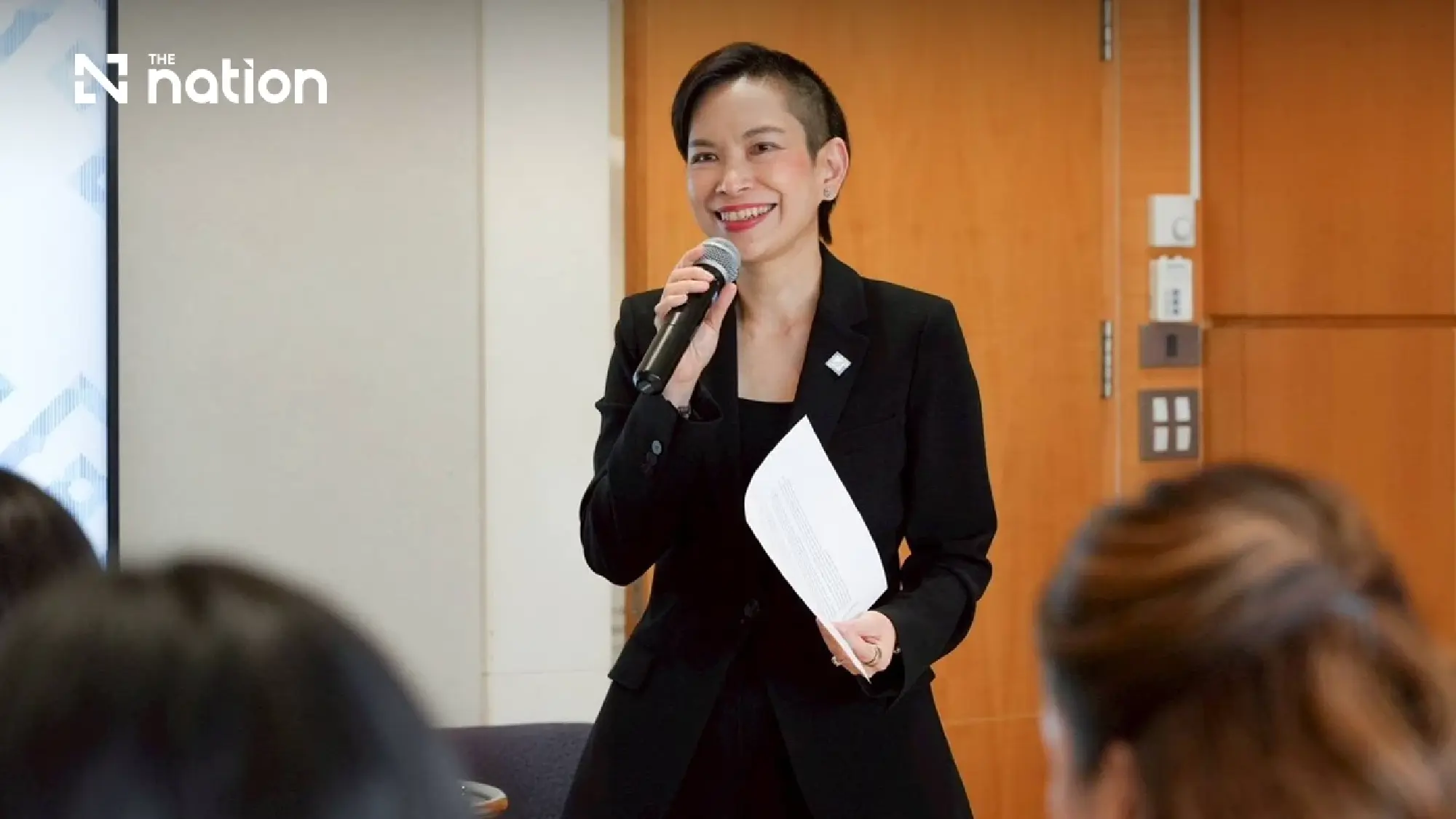
"Given the cross-border nature of the problem, global cooperation is no longer a choice but a necessity for financial stability," she said.
The blueprint, jointly developed by the IMF and World Bank, takes a "whole-of-ecosystem" approach covering prevention, detection, response and recovery, built around three pillars: addressing digital fraud risk, strengthening cyber resilience, and enabling supportive ecosystems.
Chayawadee said Thailand's experience with PromptPay and cross-border QR payment linkages positions it to help shape the global agenda.
Asked during the Q&A what concrete outcome Thailand expects, she was clear the meetings would not produce immediate financial commitments.
"It's not going to be like, after the meeting, the World Bank will lend us a sum of money or the Fund will come and rescue us again," she said. "It is more like forming ideas and giving direction... on what we can all do together to make the economy stronger."
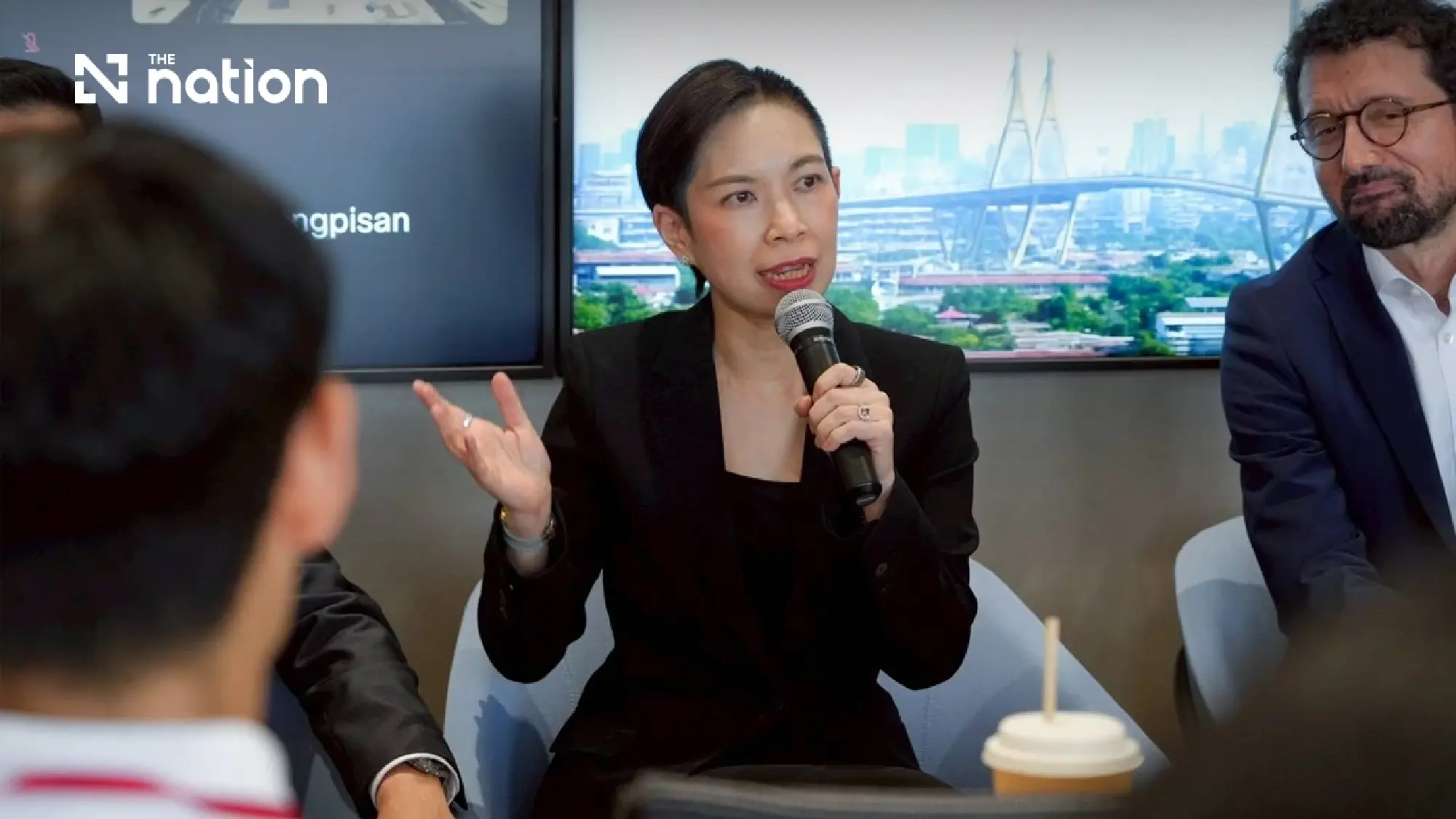
The blueprint, she confirmed, would be one tangible outcome.
Reflecting on Thailand's progress since it last hosted the meetings in 1991, she said the bigger achievement was an early focus on identifying risks from financial innovation: "We've never sat down and actually discussed what risks emerge from these transformations... I think this makes us look at least careful, cautious."
She added Thailand still struggles to access affordable green financing as part of a "missing middle" of emerging markets and said hosting the meetings offered a chance to "rebrand" the country.
"We want to show them that we're not sick. We know the pills we should take," she said.
Preparations on track, says Fiscal Policy Office
Nattawut Thammasiri, deputy director-general of the Fiscal Policy Office (FPO), confirmed logistical preparations remain on track for the meetings, due to run from 12 to 18 October 2026 at the Queen Sirikit National Convention Centre.
The Ministry of Finance has worked closely with the IMF and World Bank since Thailand was selected to host in 2023.
Communities across the country have been engaged to showcase local products at the venue, while government receptions will feature Geographical Indication (GI) food products.
Preparations are built around the hosting theme "Thailand's New Horizons: Empowering People, Building Resilience," with four pillars: digital and AI transformation, opportunities for middle powers, climate adaptation financing, and demographic change and the longevity economy.
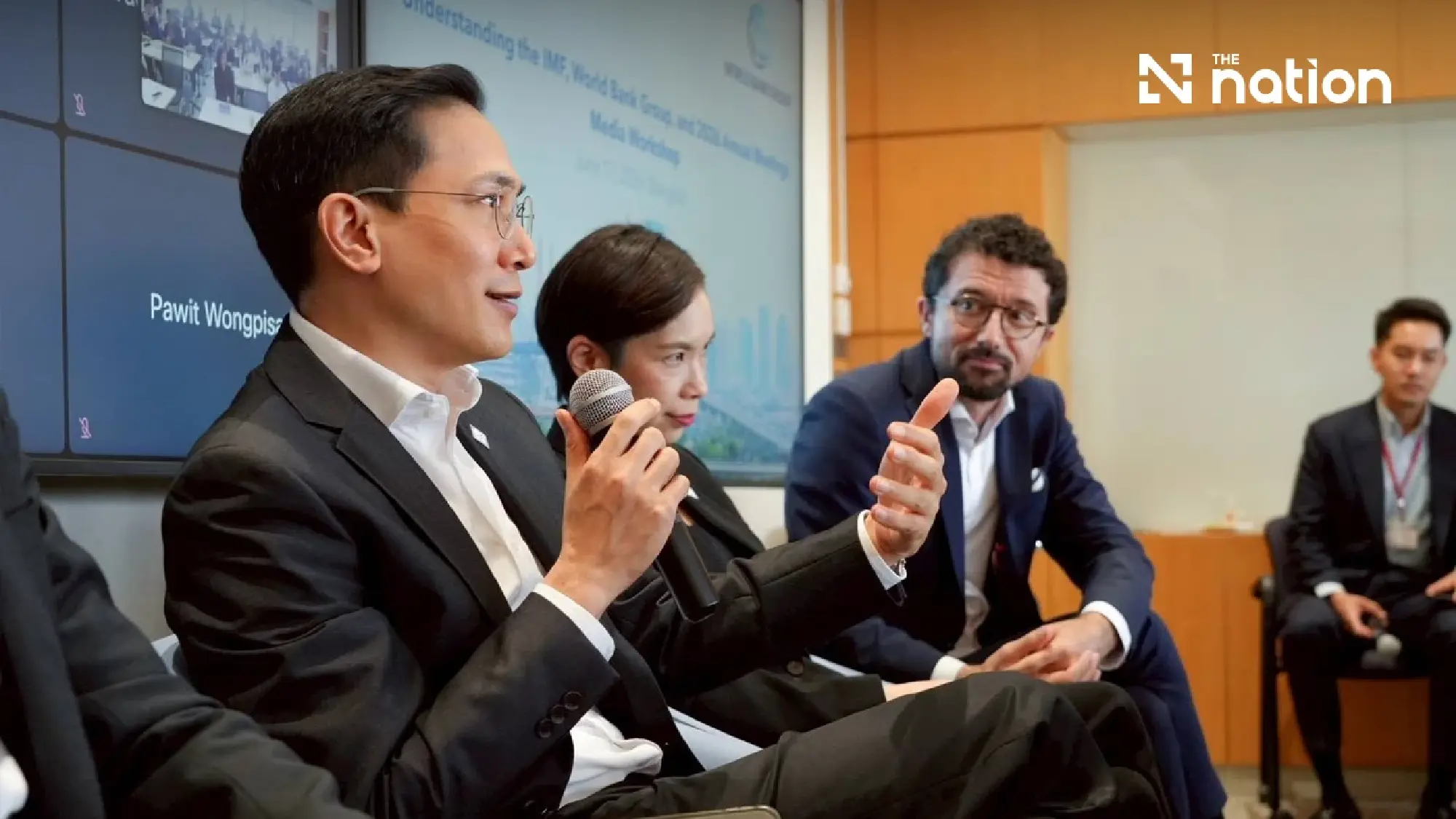
Nattawut said these pillars are meant to "stir discussion" within the broader IMF-World Bank agenda rather than form a separate programme, with the goal of leaving delegates "a spark, a homework to work on after the meeting" rather than definitive answers.
He added the event is expected to bring short-term economic benefits from over 15,000 (reportedly now over 20,000) participants, alongside longer-term gains in investor confidence and Thailand's standing as an international conference destination.
