
Thap Lan land hand-back defended as govt seeks balance between villagers and forest protection
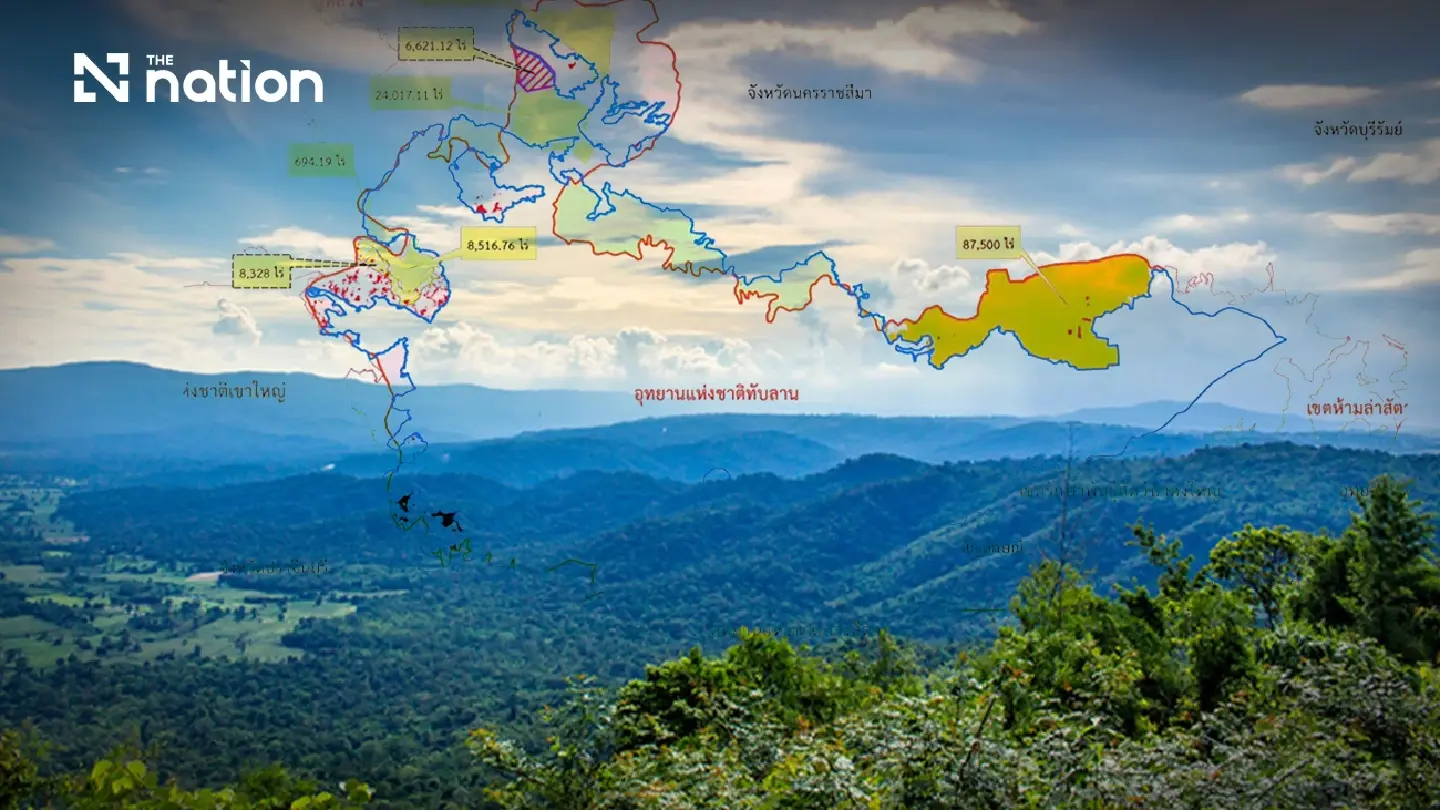


Thailand’s Department of National Parks, Wildlife and Plant Conservation says the plan to remove 155,865 rai from Thap Lan National Park is meant to resolve decades-old land-rights disputes while protecting the Dong Phayayen-Khao Yai World Heritage forest.
Thailand defends Thap Lan land hand-back amid conservation fears
The Department of National Parks, Wildlife and Plant Conservation (DNP) has defended a decision to remove 155,865.47 rai from Thap Lan National Park, saying the move is intended to settle one of the country’s most complex land disputes while protecting the Dong Phayayen-Khao Yai World Heritage forest.
The DNP's clarifcation came after the National Parks Committee approved the revised boundary plan on June 15, marking a major step in a dispute that has dragged on for decades between forest conservation authorities and local communities seeking secure land rights.
Under the decision, four categories of land will be revoked from the park boundary and transferred to relevant state agencies, mainly the Agricultural Land Reform Office, or ALRO, for legal land-rights management. Another 109,420.99 rai of disputed land will remain inside the national park pending further verification.
A long dispute over overlapping maps
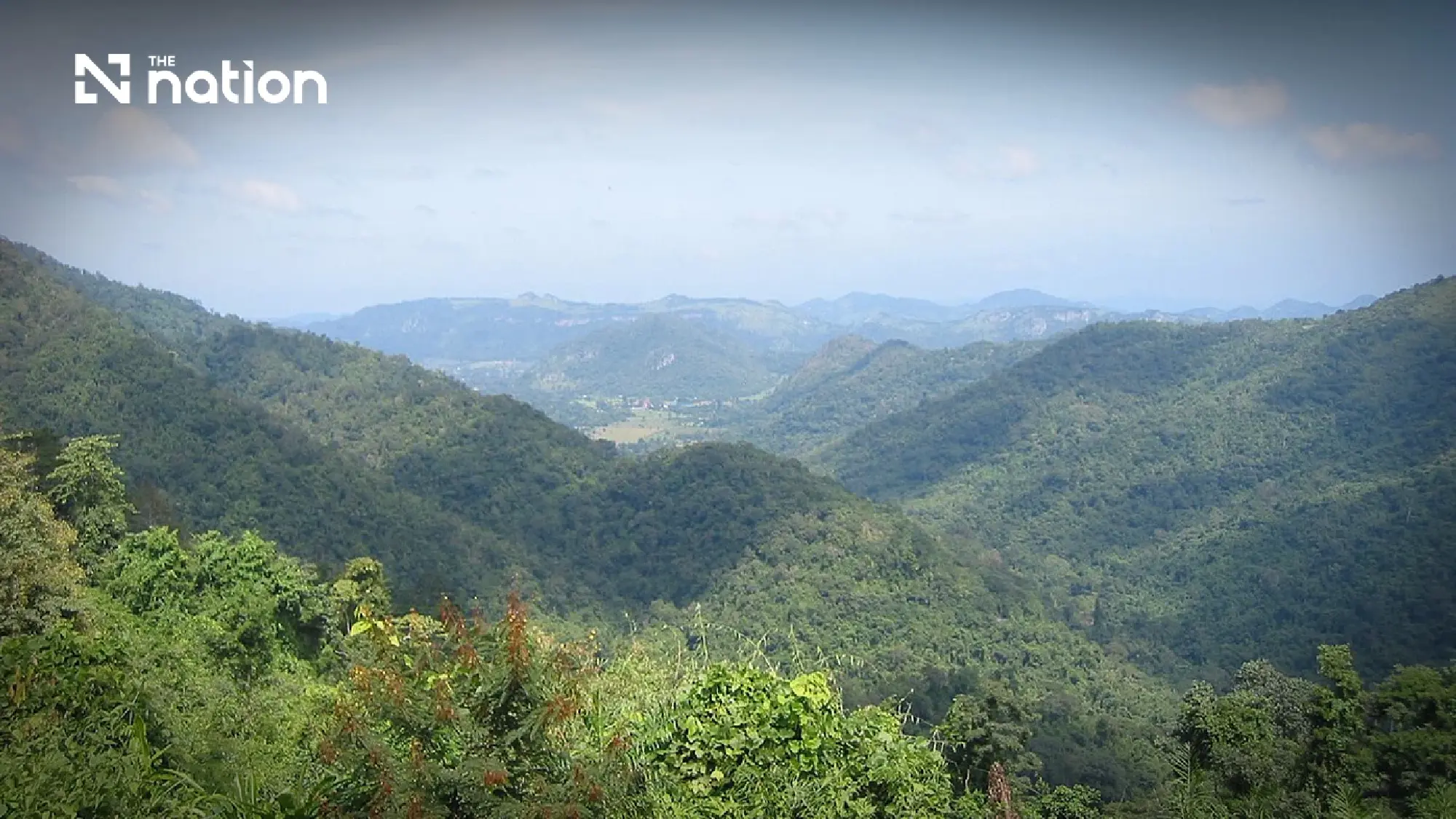
The controversy over Thap Lan National Park centres on a long-running tug-of-war between forest protection and the rights of communities that say they settled in the area before the park was declared.
The roots of the conflict go back to the 1970s, when the state promoted settlement and land allocation in the area, including agricultural reform plots and security-related village projects. ALRO land-reform areas were declared in 1978, before Thap Lan National Park was officially declared in 1981.
The problem arose because the park boundary later overlapped with existing farmland, residential areas and state-backed settlement projects. As a result, many villagers found themselves living in a legal grey zone, treated as encroachers even though some communities had been in place before the park boundary was drawn.
The latest boundary review concerns areas linked to Thap Lan in Prachin Buri, Nakhon Ratchasima and Sa Kaeo, with the authorities saying the goal is to solve overlapping state land maps and organise livelihood land for residents in a sustainable manner.
‘Save Thap Lan’ campaign put pressure on government
The dispute flared up again after the government moved to resolve overlapping state land boundaries through the One Map project, which uses a standard 1:4,000 map scale to redraw state land boundaries nationwide.
The proposal triggered the viral “Save Thap Lan” campaign, with conservationists warning that removing a large area from a protected forest could open the door to investors, land speculators and resort developers.
The proposed boundary change had sparked public anger over whether the land would truly benefit ALRO and local residents or private companies. More than 500 people have been prosecuted for trespassing in protected areas, with many cases involving resorts or holiday homes.
Supporters of the boundary adjustment, however, argue that the dispute should not be framed as a simple case of people invading pristine forest. They say many affected areas are long-established farming communities, and that genuine residents should not be denied land security because of mapping decisions made decades ago.
Committee opts for narrower land withdrawal
The June 15 decision represents a compromise from earlier concerns that more than 265,000 rai could be removed from the park boundary.
Instead, the committee approved the withdrawal of about 155,865 rai while keeping the most sensitive 109,420.99 rai of disputed land under national park status for further rights verification.
The land to be withdrawn falls into four main categories.
In its latest announcement the DNP clarified taht the first main category is 53,416.47 rai overlapping with agricultural reform land declared before the national park was established. This area will be transferred to ALRO because residents already hold rights under land reform law.
The second is 8,328 rai under the Thai Samakkhi model village project, which dates back to a 1977 Cabinet policy. This area will also be transferred to ALRO.
The third is 87,500 rai under security-related state development projects and land-allocation schemes for poor residents in degraded forest areas, approved by the Cabinet in 1992. Land that has not yet been issued Sor Por Kor 4-01 documents will be handled under collective land-allocation rules.
The fourth is 6,621 rai of state property used as a military training ground, which existed before Thap Lan was declared a national park. This area will be handed to the Treasury Department for continued official military use.
Disputed 109,420 rai stays inside park for now
The committee decided that 109,420.99 rai outside the original state allocation schemes should remain part of Thap Lan National Park.
This area includes some of the most sensitive and contested plots, including land linked to unresolved disputes and encroachment cases. Authorities will conduct a verification process under Section 64 of the National Parks Act to determine whether residents can prove they lived or farmed there before the park declaration.
Officials said about 5,200 people have already been recorded for rights verification, with the process expected to be completed within six months. Those who fail to meet the legal requirements will not be allowed to enter the ALRO or national land-allocation system.
The department also stressed that ongoing encroachment cases will continue through the justice system and that the new boundary plan will not amount to an amnesty for investors, resort operators or other wrongdoers.
Replacement forest to offset withdrawn land
To address conservation concerns, the DNP and the Royal Forest Department have been assigned to survey 86,966.29 rai of national reserved forest for possible inclusion in Thap Lan National Park.
Officials said this would help ensure that the overall conservation area does not shrink significantly and that ecologically important forest remains protected.
Authorities also plan to maintain buffer zones around the World Heritage forest to reduce impacts on ecosystems and wildlife. The National Parks Department said scientific evidence, official records, historical aerial photographs and wildlife distribution data had been used in considering the boundary adjustment.
World Heritage forest remains under scrutiny
The department insists the decision will not affect the Dong Phayayen-Khao Yai Forest Complex, the World Heritage forest that includes Thap Lan.
Officials said the World Heritage Committee has been kept informed of developments and that the government will continue to manage both protected areas and surrounding buffer zones to prevent ecological damage.
However, public concern remains high. Conservation groups and citizens are expected to closely monitor whether the authorities can distinguish genuine long-settled farmers from illegal commercial encroachers, especially resort operators and investors who may try to benefit from the land hand-back.
