
Suphajee sees exports and investment supporting Thai growth



Deputy Prime Minister Suphajee Suthumpun expects exports and private investment to support Thailand’s economy despite Q2 GDP growth slowing to 1.9%.
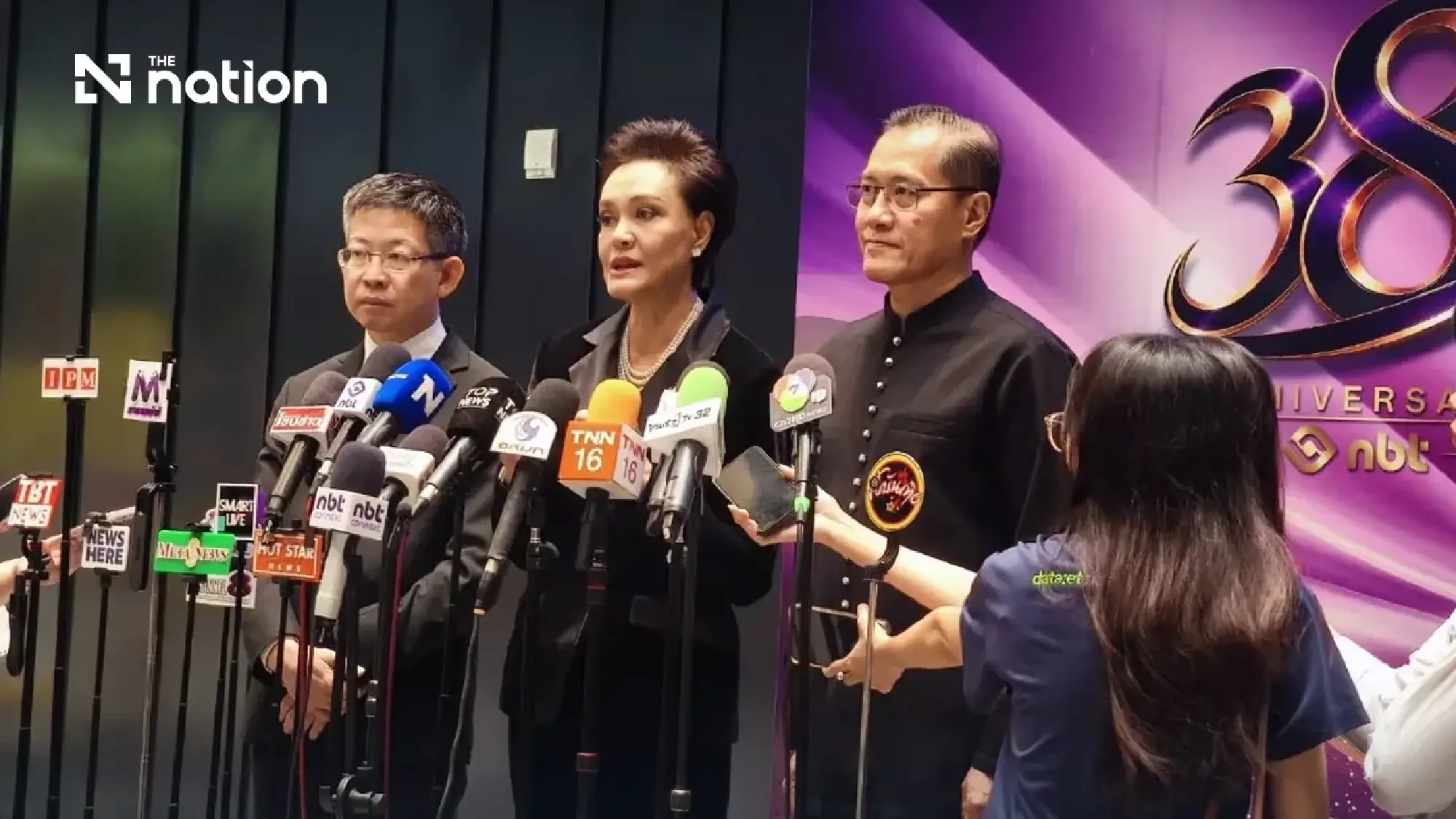
Thailand’s exports and private investment are expected to remain important drivers of economic growth after gross domestic product expanded by only 1.9% in the second quarter of 2026, Deputy Prime Minister and Commerce Minister Suphajee Suthumpun said on Wednesday.
Suphajee acknowledged that the latest GDP figure was unsatisfactory but said exports continued to make a significant contribution to the economy.
She expects Thai exports to record double-digit growth for the full year and reach a total value of 12 trillion baht, provided there are no additional developments beyond the government’s control.
Exports were valued at approximately 6 trillion baht during the first six months of the year.
“Although GDP growth slowed from the first quarter, the second quarter coincided with the full impact of the war, which increased energy costs and some living expenses,” Suphajee said.
“Nevertheless, Thailand’s exports have continued to perform well. Export growth is likely to remain in double digits this year and will provide substantial support to the economy.”
Private investment could strengthen domestic supply chains
Suphajee said private-sector investment had also expanded strongly and could play an increasingly important role in supporting the economy.
The government must help facilitate investment, remove regulatory obstacles and ensure that new projects create employment and strengthen domestic supply chains, she added.
“We have seen considerable growth in private investment,” she said. “Our responsibility is to provide support and remove obstacles, while considering how investment can create further employment and develop supply chains within the country.”
Foreign tourism revenue reaches THB780bn
Foreign tourist revenue totalled approximately 780 billion baht during the first half of 2026.
Suphajee expressed confidence that full-year tourism revenue would be no lower than the amount recorded last year.
The government is also considering the funding arrangements for the Thai Tiew Thai Plus domestic tourism campaign.
Officials are examining whether the programme should be financed through the emergency borrowing decree or the central budget. The funding mechanism must comply with the relevant rules, while the campaign’s criteria and conditions must benefit tourism operators and distribute income as widely as possible across local areas.
“The programme is currently being designed,” Suphajee said.
“The Paotang application is likely to remain the principal mechanism. Although there were earlier expectations that the programme might not be ready in August, we would like it to begin in October after Thais Help Thais Plus ends.”
Thailand to hold US trade talks in late August
On international trade, Suphajee said she planned to lead a delegation to the United States in late August for negotiations on the Agreement on Reciprocal Trade, or ART.
The Thai delegation will also explain the country’s position on US Section 301 measures concerning forced labour and excess production capacity.
Suphajee said more than 72% of Thai exports to the United States were already exempt from tariffs, leaving 28% requiring further management.
“We are confident that we can handle the remaining portion, and we do not want businesses to become excessively concerned,” she said.
