
Thailand Risks Becoming the World’s "Landlord," Not a Tech Player, Warns KBank Economist


Burin Adulwattana says Thailand is trading precious land, water, and power for low-value data centers while neighbors spend decades building chip ecosystems—urging Bangkok to act before it gets left behind in the AI "Super Cycle"
- KBank economist Burin Adulwattana warns that Thailand is becoming a mere "landlord" by providing land, water, and power for foreign data centers, which generates minimal long-term economic value.
- This passive approach risks leaving the country behind in the global AI "Super Cycle," as it lacks the specialized workforce and national strategy of regional competitors who have built high-value tech ecosystems.
- The economist urges urgent policy action, including energy reform, deregulation, and strategic taxation, for Thailand to become an active participant in the AI value chain instead of just a utility provider.
Burin Adulwattana says Thailand is trading precious land, water, and power for low-value data centers while neighbors spend decades building chip ecosystems—urging Bangkok to act before it gets left behind in the AI "Super Cycle."
Thailand needs to decide urgently what role it wants to play in a world being reordered by artificial intelligence—or have that decision made for it.
That was the stark warning from Burin Adulwattana, chief economist at KASIKORNbank, during a special segment of the KASIKORN Research Center’s half-year briefing.
Burin cautioned that Thailand’s current passive approach to the AI boom risks leaving the country on the sidelines of a global contest reshaping power, capital, and resource distribution.
From Tanks to Terabytes
Burin’s thesis begins with the transformation of geopolitical competition. Pointing to the war in Ukraine, he described it as the world’s first true "AI war"—a conflict increasingly decided by data intelligence and cheap, mass-produced drones rather than traditional military might.
He cited a striking asymmetry: an attack drone can be built for around $20,000, while the Western interceptor systems required to shoot it down cost roughly $2 million. This 100-to-1 cost ratio is fundamentally reshaping how nations view defense and self-sufficiency.
This shift, he argued, has triggered a "Super Cycle" of resource competition where governments and tech giants have become "price-insensitive" in their race for energy, semiconductors, critical minerals, and computing capacity.
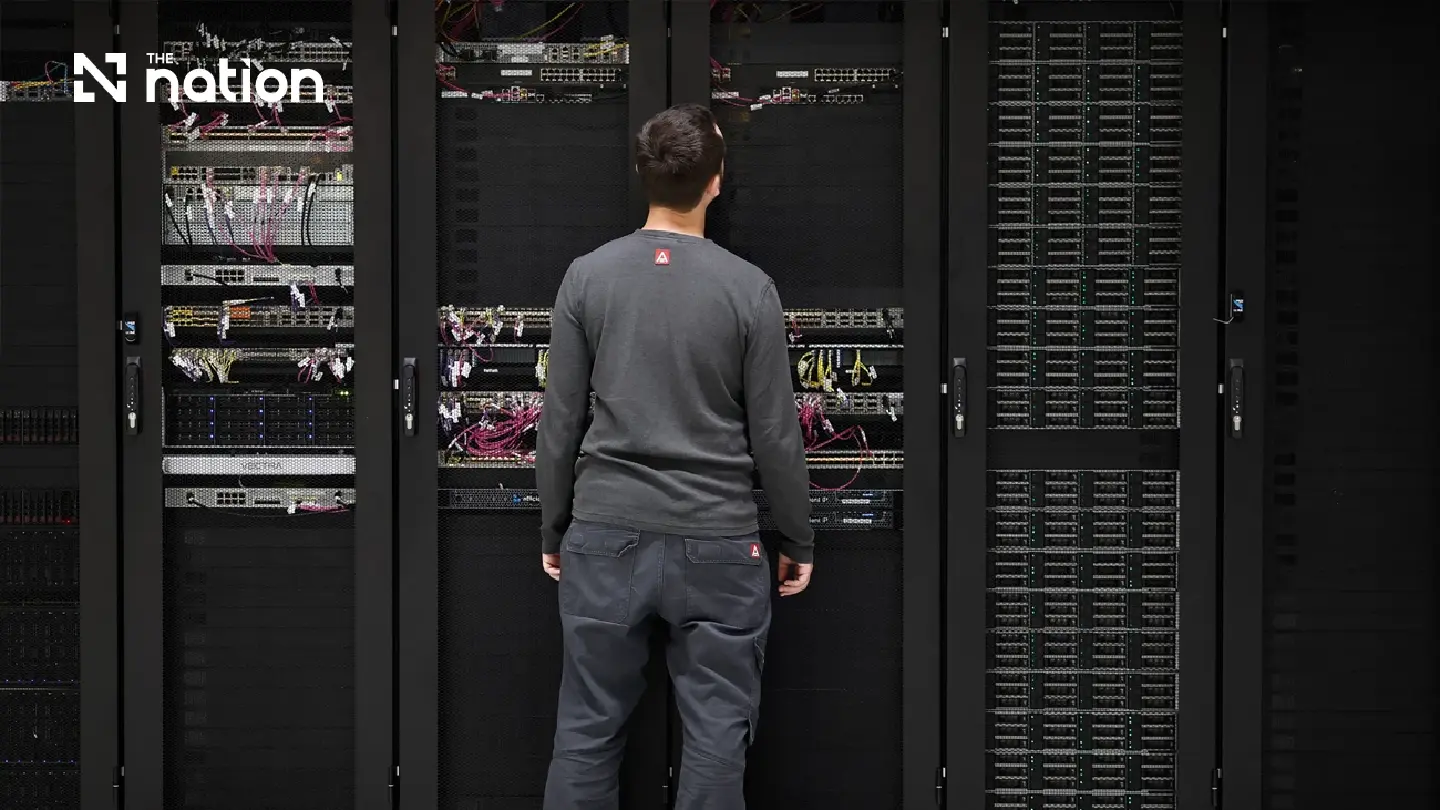
Furthermore, modern data centres now serve a dual purpose: running civilian workloads like banking and healthcare while simultaneously housing military-grade intelligence and targeting tools.
As a result, the line between civilian infrastructure and strategic sovereign assets is fast disappearing.
This marks the definitive end of the post-Cold War "peace dividend," an era during which NATO defense spending held steady at roughly 2.4% of GDP for three decades.
Following Russia's invasion of Ukraine, NATO members now aim to lift spending to 3.5% of GDP by 2035. This pivot has triggered massive knock-on effects for sovereign borrowing and the raw materials that defence and AI industries now compete for.
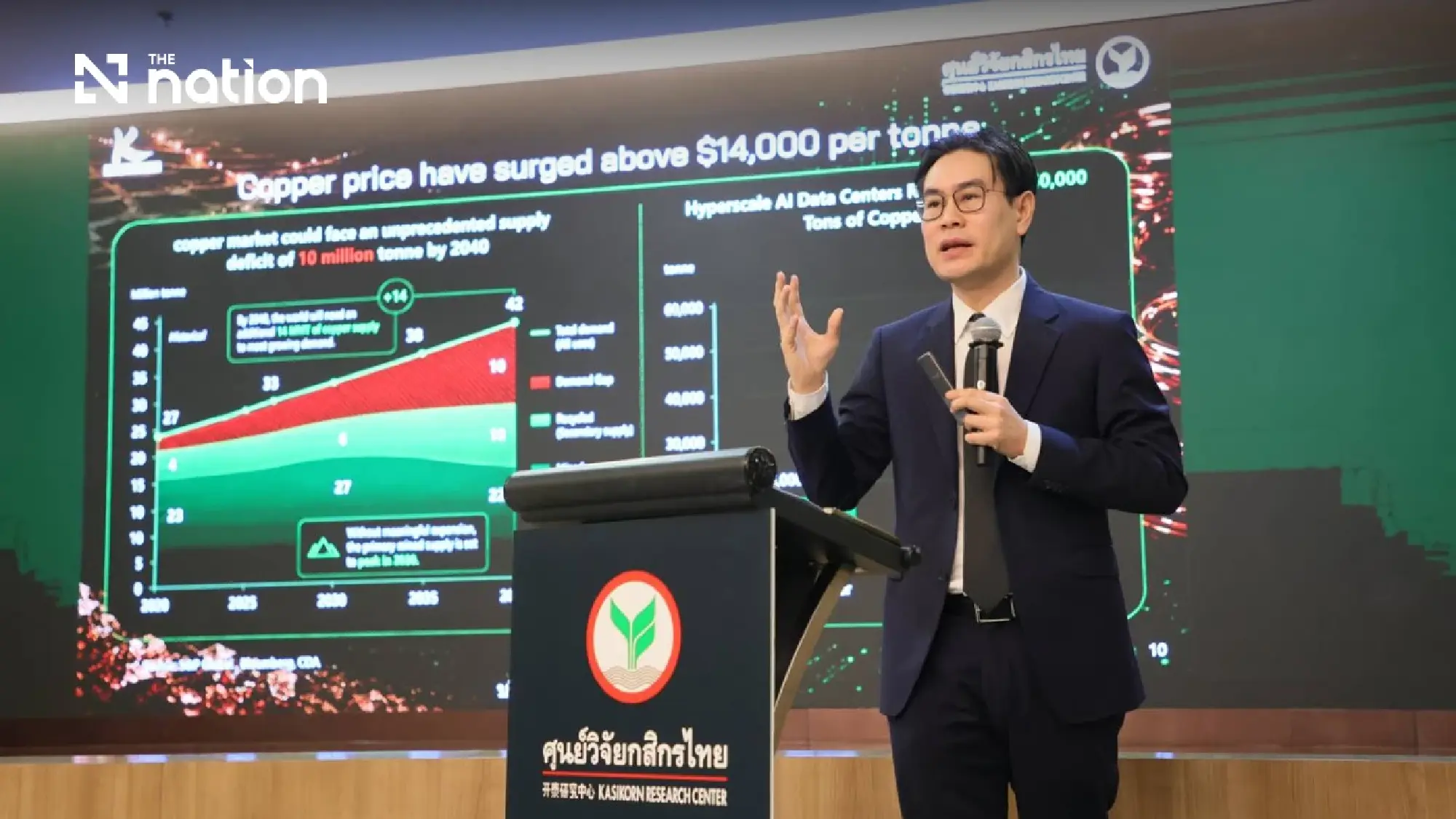
Copper is a prime example: prices have surged past $14,000 a tonne, and the global market faces a projected deficit of up to 10 million tonnes by 2040. A single hyperscale AI data centre can require up to 50,000 tonnes of the metal.
Where Thailand Sits
Using Nvidia CEO Jensen Huang’s "five-layer cake" framework—energy, chips, infrastructure, models, and applications—Burin illustrated the explosive capital concentration in the lower tiers.
Big Tech firms are on track for a combined $610 billion in capital expenditure in 2026, up from just $30 billion a decade ago. Meanwhile, global public debt has climbed past $111 trillion, and Nvidia’s market value alone hovers near $5 trillion.
Against this monolithic backdrop, Burin’s assessment of Thailand’s position was unflinching: the kingdom is currently little more than a "landlord" in the emerging AI economy.
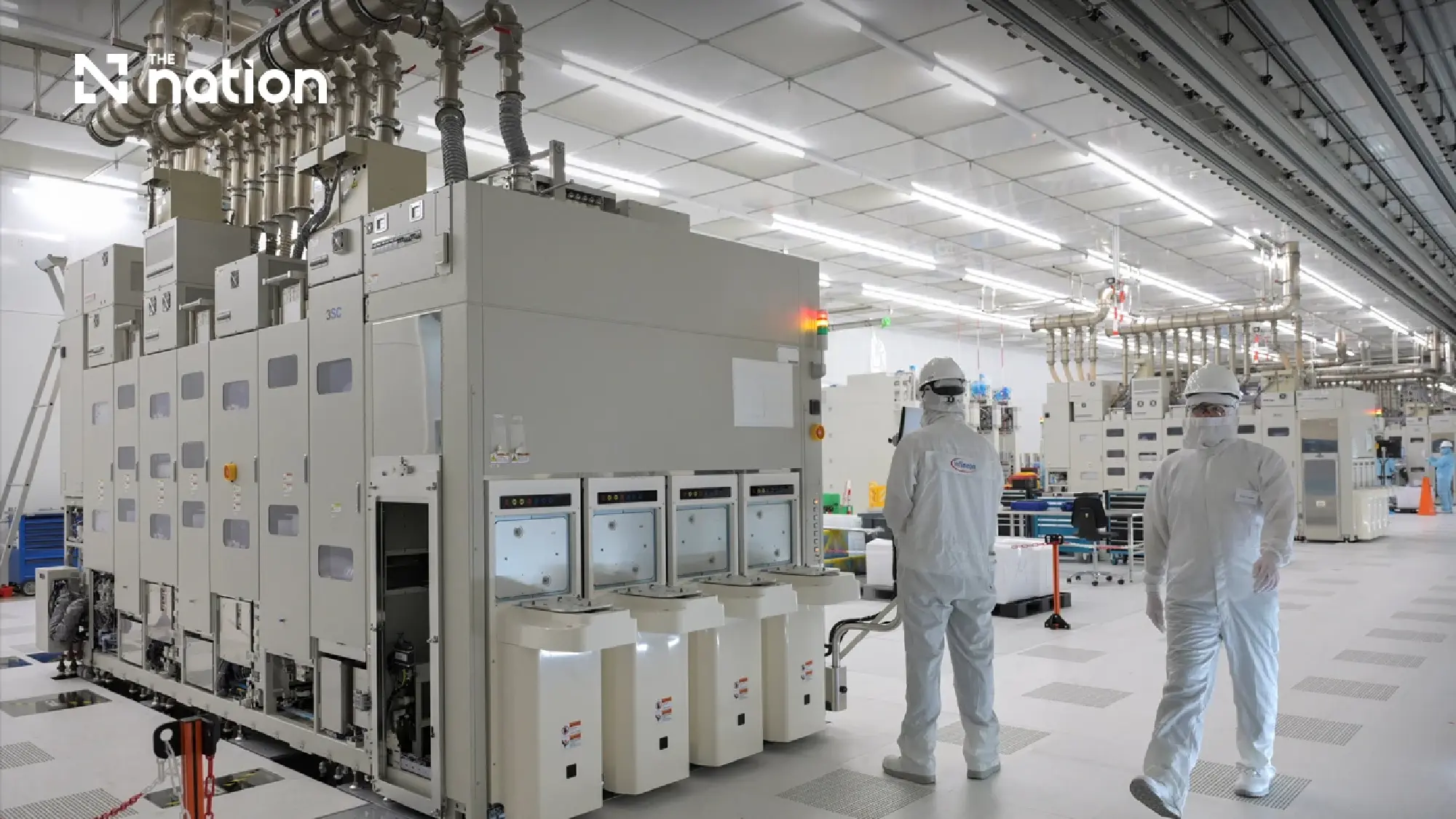
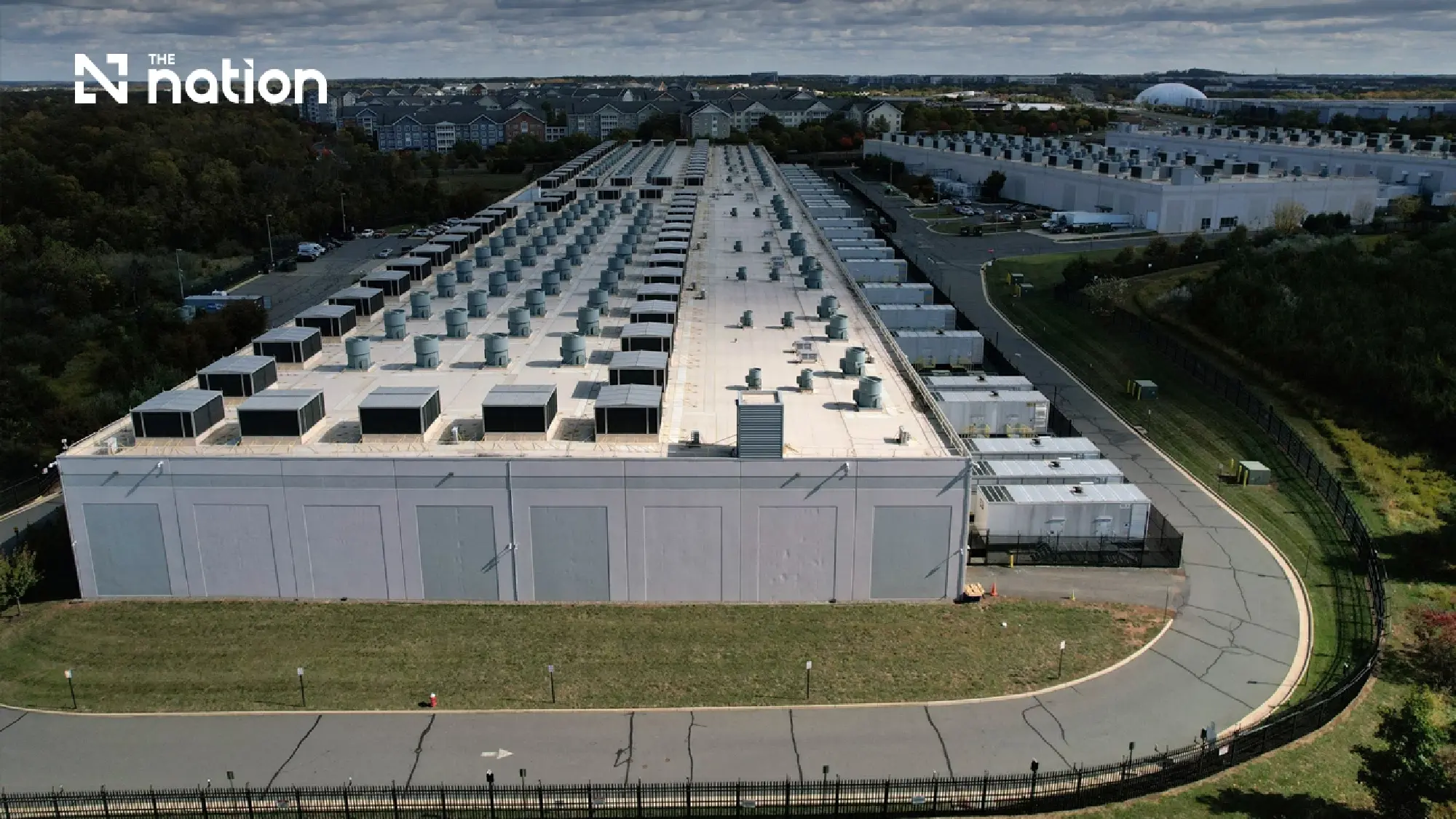
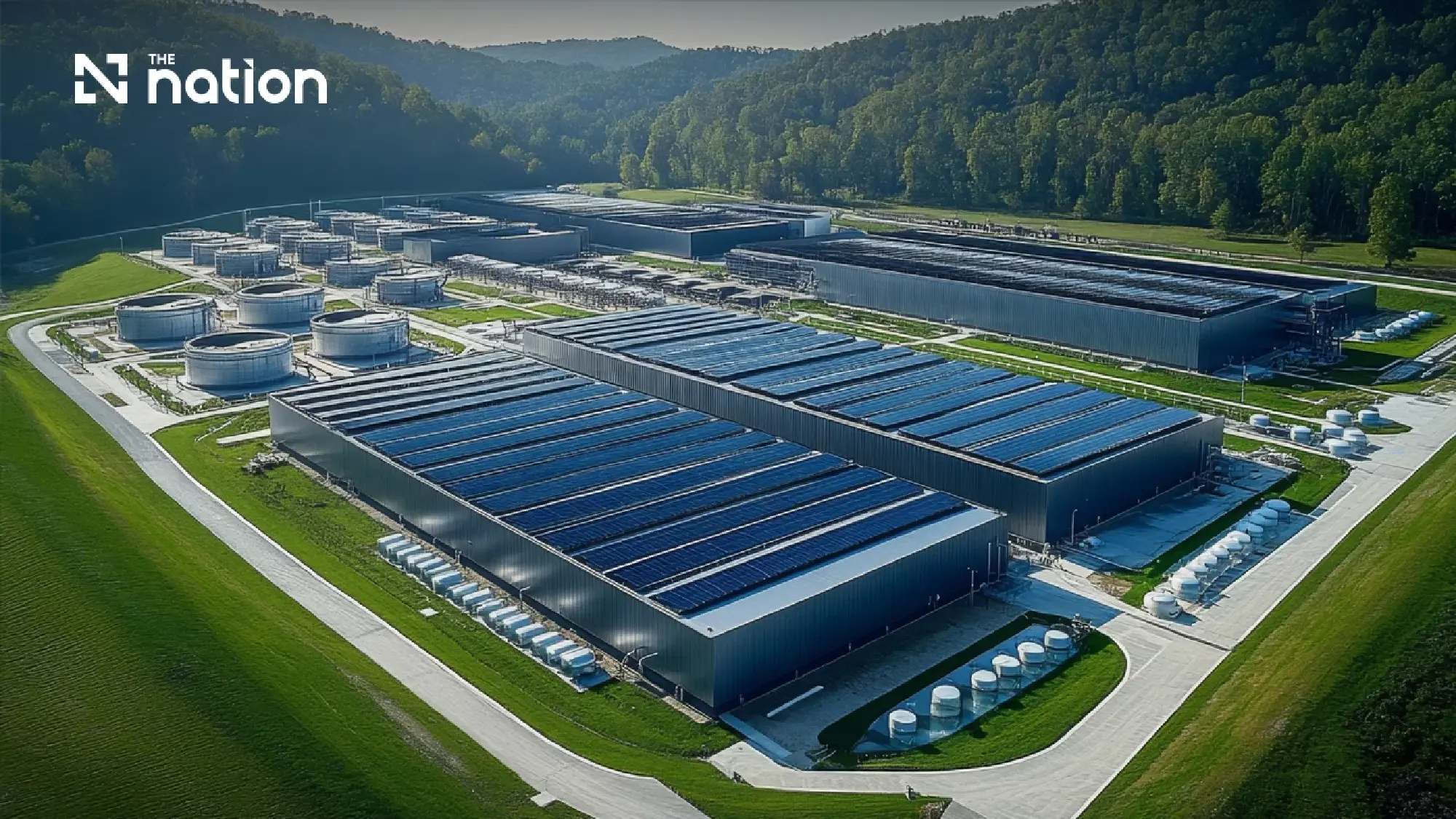
While foreign investors are pouring billions into building data centers on Thai soil, Thailand’s contribution largely stops at providing land, water, and electricity. These are inputs that "sell for a while" but generate minimal lasting economic value once construction ends.
Making matters worse, Thailand's power infrastructure is already nearing its limits, with solar accounting for less than 5% of domestic electricity generation.
The regional comparison is sobering. Malaysia has spent 60 years building its semiconductor packaging ecosystem; Taiwan’s chip sector required four decades to reach its current dominance.
Thailand lacks both the specialised engineering workforce and the coherent national strategy required to compete even at a lower tier, let alone challenge advanced manufacturers like TSMC.
Without native raw materials, a deep engineering pool, or a capital edge over regional rivals who are aggressively slashing taxes, Burin questioned what Thailand truly has to offer beyond its utilities.
A Blueprint for Action
Burin’s central argument is that Thailand cannot afford strategic passivity.
"If we are slow, if we are too calm or complacent, other countries using AI will outpace us and we won't be able to compete," he warned.
He outlined several urgent policy shifts:
On energy reform, he called for the immediate legalisation of direct Power Purchase Agreements (PPAs), allowing tech firms to buy clean energy directly from producers rather than relying solely on state-mediated supply. He also suggested incentives for farmers to lease land for solar generation rather than sticking to low-margin, debt-heavy agriculture.
Regarding regulation, Burin advocated for a smaller, faster-moving state apparatus that strips away bureaucracy, allowing the private sector to adapt at technological speed. However, he recommended targeted intervention—such as mandating that critical security or medical chips be manufactured domestically—to seed a niche Thai semiconductor sector.
For fiscal measures, he proposed taxing highly profitable AI and data centre operators to fund transition schemes for displaced workers, pointing to South Korea's cash-handout initiatives as a precedent.
Furthermore, he suggested Thailand implement compensation mechanisms for foreign operators' consumption of local resources to ensure more wealth remains in the domestic economy.
Finally, on geopolitical posture, Thailand must maintain a strictly neutral stance between global superpowers, focusing on internal structural reform over external favour-seeking. The government needs to identify realistic, high-value-added niches rather than blindly chasing trendy titles like "AI Hub" without a genuine comparative advantage.
A Skeptical Eye on the Skies
Burin also addressed SpaceX’s ambitious concept of launching up to a million data centres into orbit to bypass Earth's resource constraints. While conceding that Elon Musk might be "selling a dream," he acknowledged it reflects a real crisis: terrestrial resources cannot sustain computing demand indefinitely.
However, he doubted it would offer near-term relief, noting that the immediate demand for compute and automation is so vast that the resource squeeze will intensify long before space-based solutions become viable.
Ultimately, Burin’s message is less an economic forecast than a call to arms. Thailand’s current trajectory points toward a future as a passive utility provider rather than an active beneficiary of the AI value chain. Reversing this trend will require aggressive energy reform, regulatory deregulation, innovative taxation, and a brutally realistic assessment of where Thailand can actually win.
