
RID green herbicide targets Thailand’s water hyacinth problem
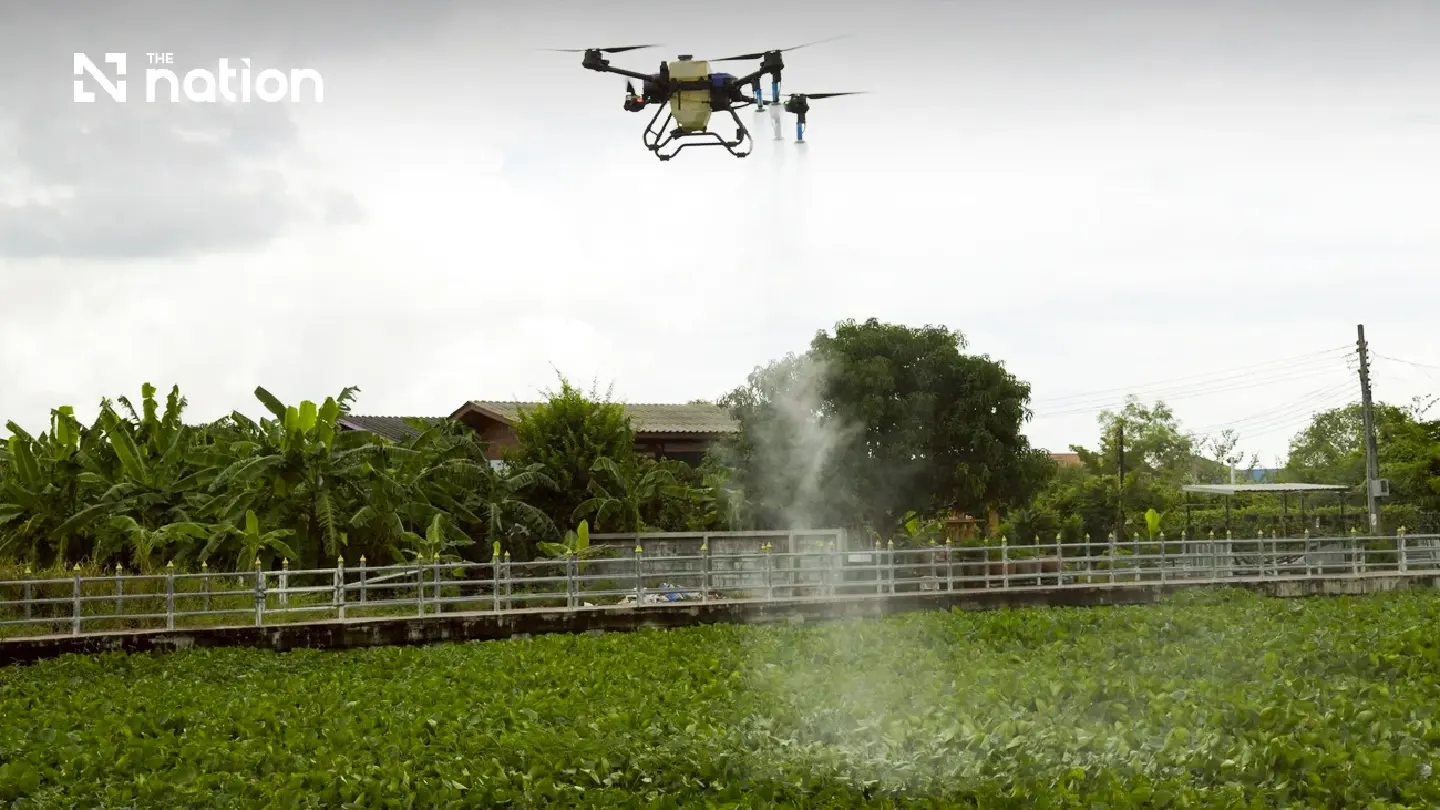


Thailand’s Royal Irrigation Department is turning water hyacinth control into a smart irrigation model using green chemistry, drones and real-time data.
Water hyacinth has long been a persistent burden on Thailand’s water management system, blocking waterways, reducing drainage efficiency and increasing the cost of maintaining irrigation networks.
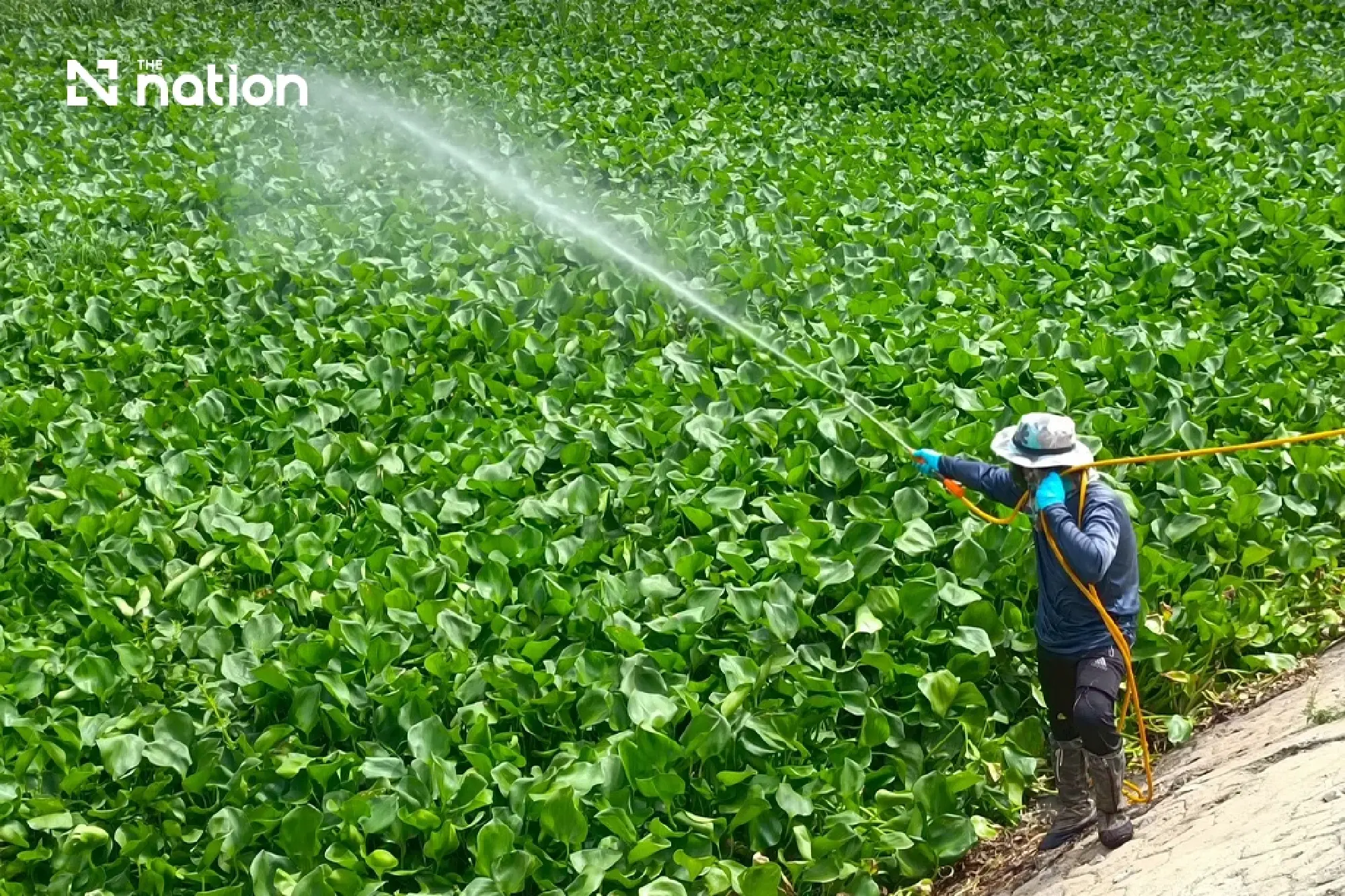
Although the Royal Irrigation Department (RID) has relied mainly on workers, machinery and weed-removal boats, these methods have not been enough to keep pace with the rapid spread of water hyacinth, particularly in small canals, areas beneath bridges and blind spots that heavy equipment cannot reach.
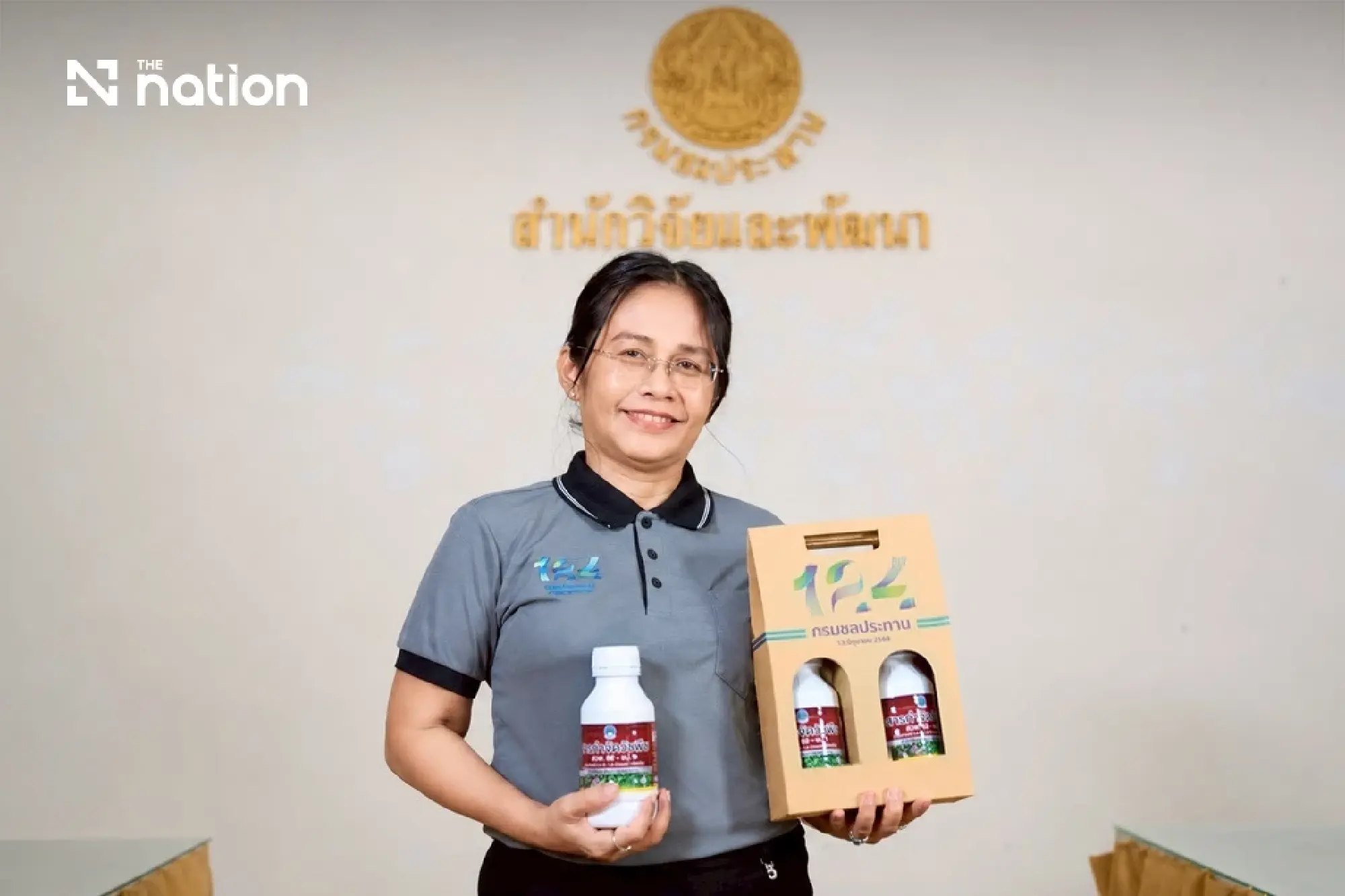
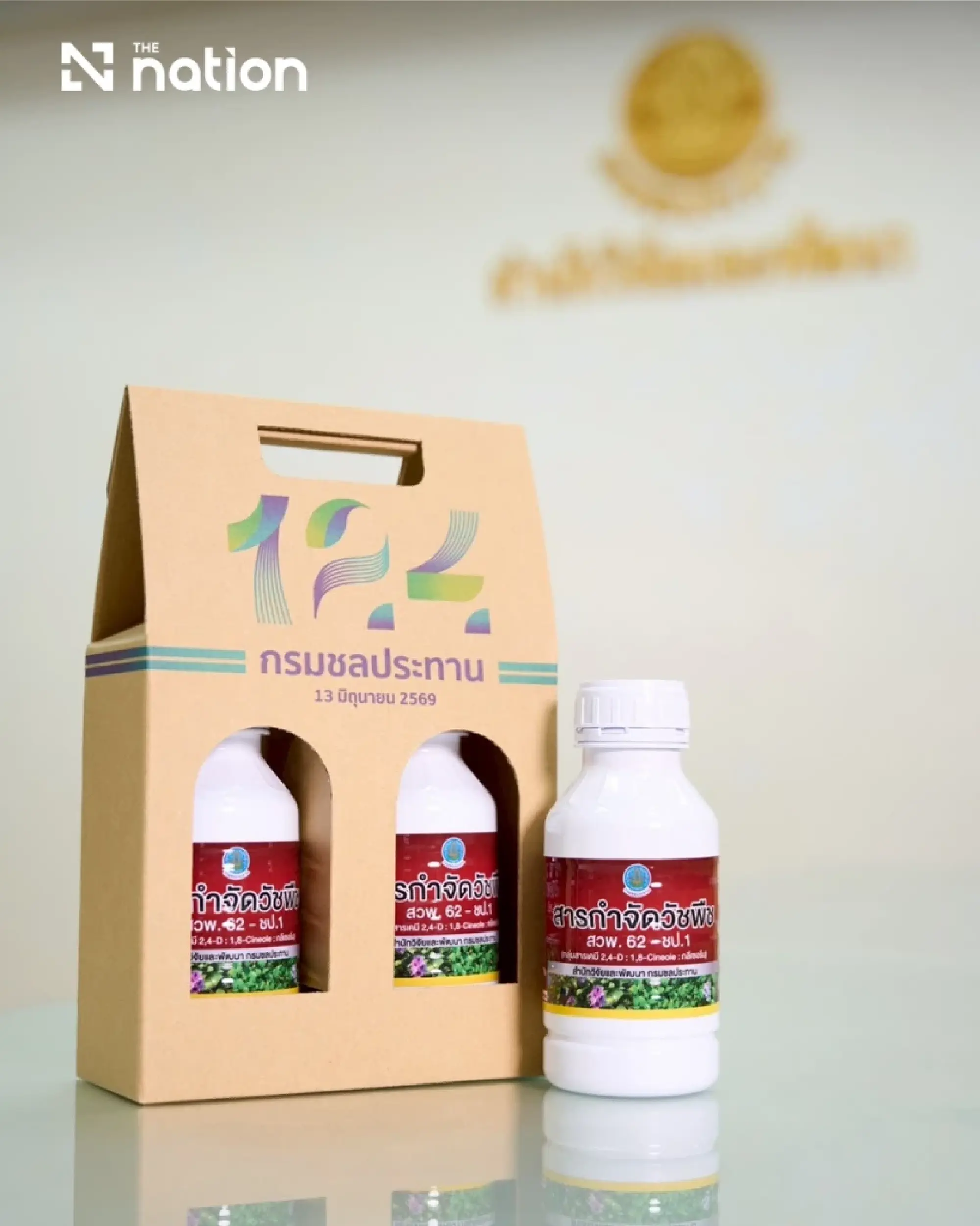
That challenge has led to the development of herbicide Sor Wor Phor 62-RID 1, an innovation designed not only to remove water hyacinth but also to reduce chemical use, cut costs and protect ecological balance, while supporting Thailand’s wider shift towards modern water management.
Unlocking old limits with less chemical use and greater impact
Thanyalak Taebanphakul, a researcher and director of the Science and Environmental Research and Development Division at RID, explained that the innovation was developed in response to practical limits encountered in field operations.
Traditional methods, including manual removal, machinery and single-substance herbicide use, could not fully address the problem in all locations.
In the past, using 2,4-D alone required a high volume of the substance to control water hyacinth, raising concerns over possible environmental residue.
The research team therefore shifted its approach from “using more chemicals” to “using chemicals more precisely”, aiming to increase effectiveness while sharply reducing the amount required.
Synergism targets weeds down to the roots
The core of Sor Wor Phor 62-RID 1 is the principle of synergism, or enhanced combined action, between 2,4-D herbicide and 1,8-cineole, commercially known as eucalyptus oil. Glycerine is added to improve adhesion to leaf surfaces, reducing the rain-free period from about five hours to less than one hour.
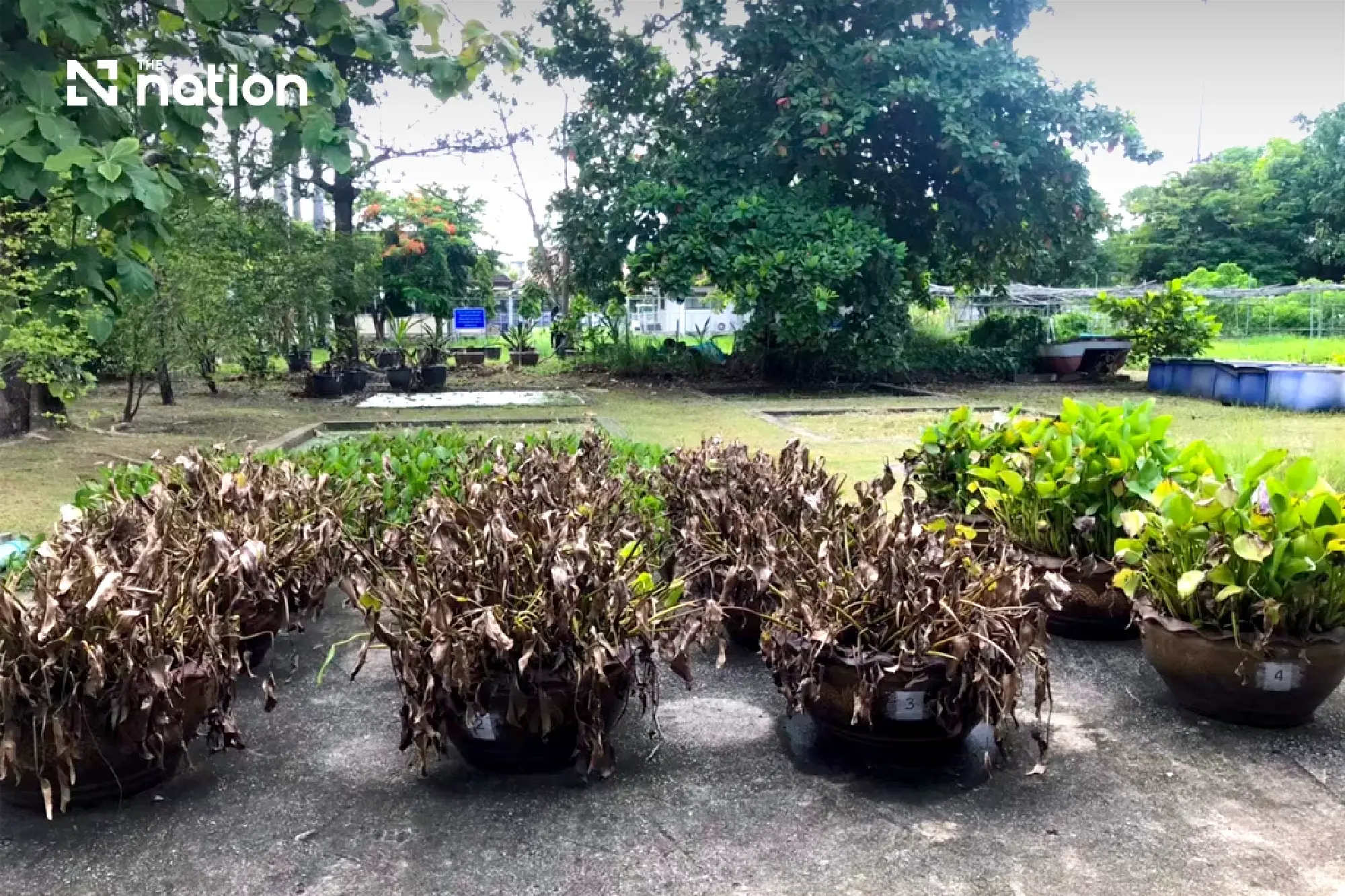
The 1,8-cineole helps 2,4-D penetrate the leaf surface and enter the plant’s transport system before moving down to shoots and stolons, which are key sources of water hyacinth propagation.
This differs from many conventional herbicides, which tend to damage only the parts of the weed above the water surface, allowing regrowth.
As a result, the use of 2,4-D can be reduced from around 1,000 grammes per rai to just 125 grammes per rai, while delivering stronger weed-control performance. The outcome reflects the concept of green chemistry, which reduces chemical use from the start.
“We are not developing a herbicide. We are developing a water management tool that reduces chemical use and protects ecological balance,” Thanyalak said.
Field trials focus on safe ecological control
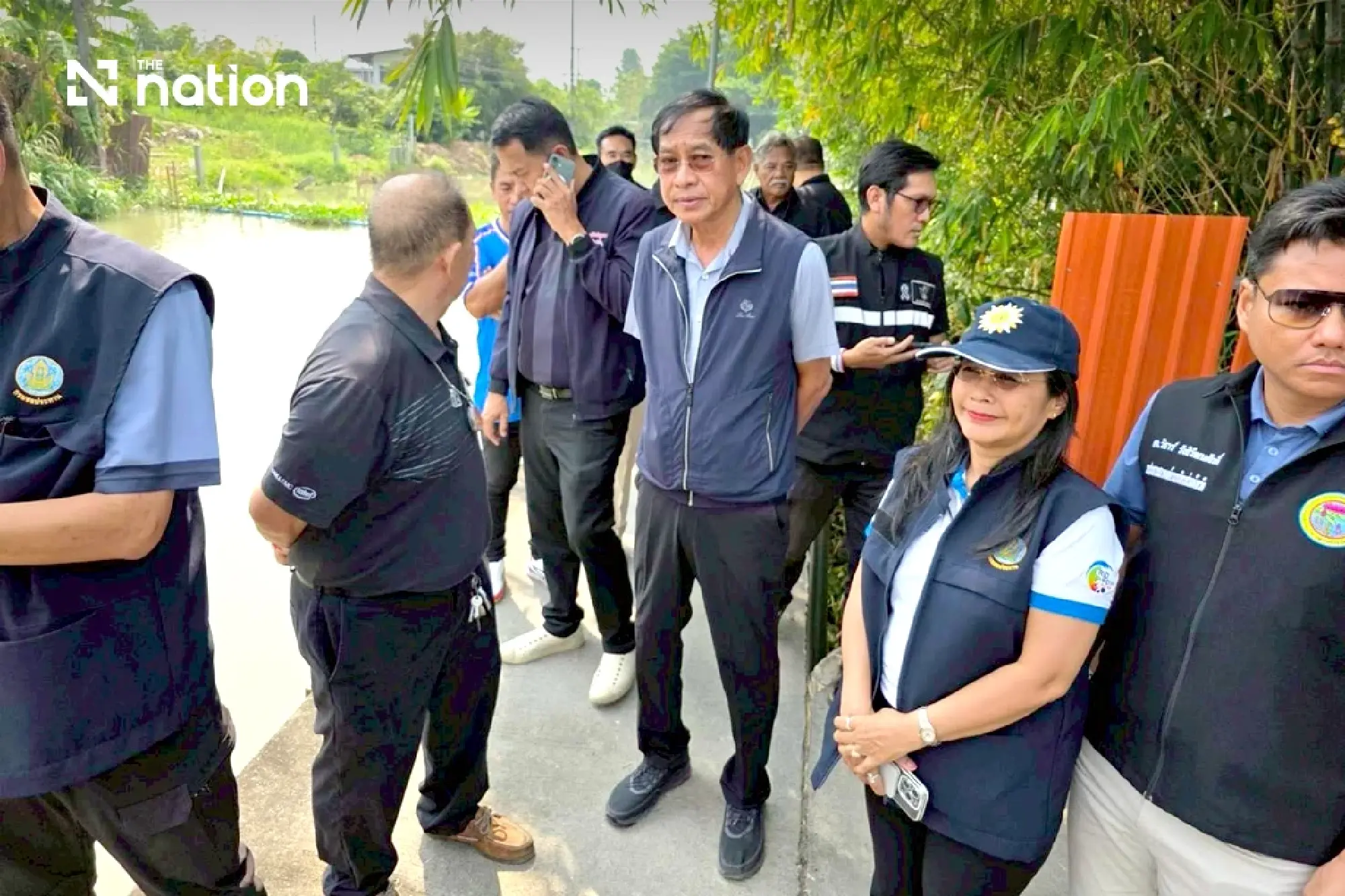
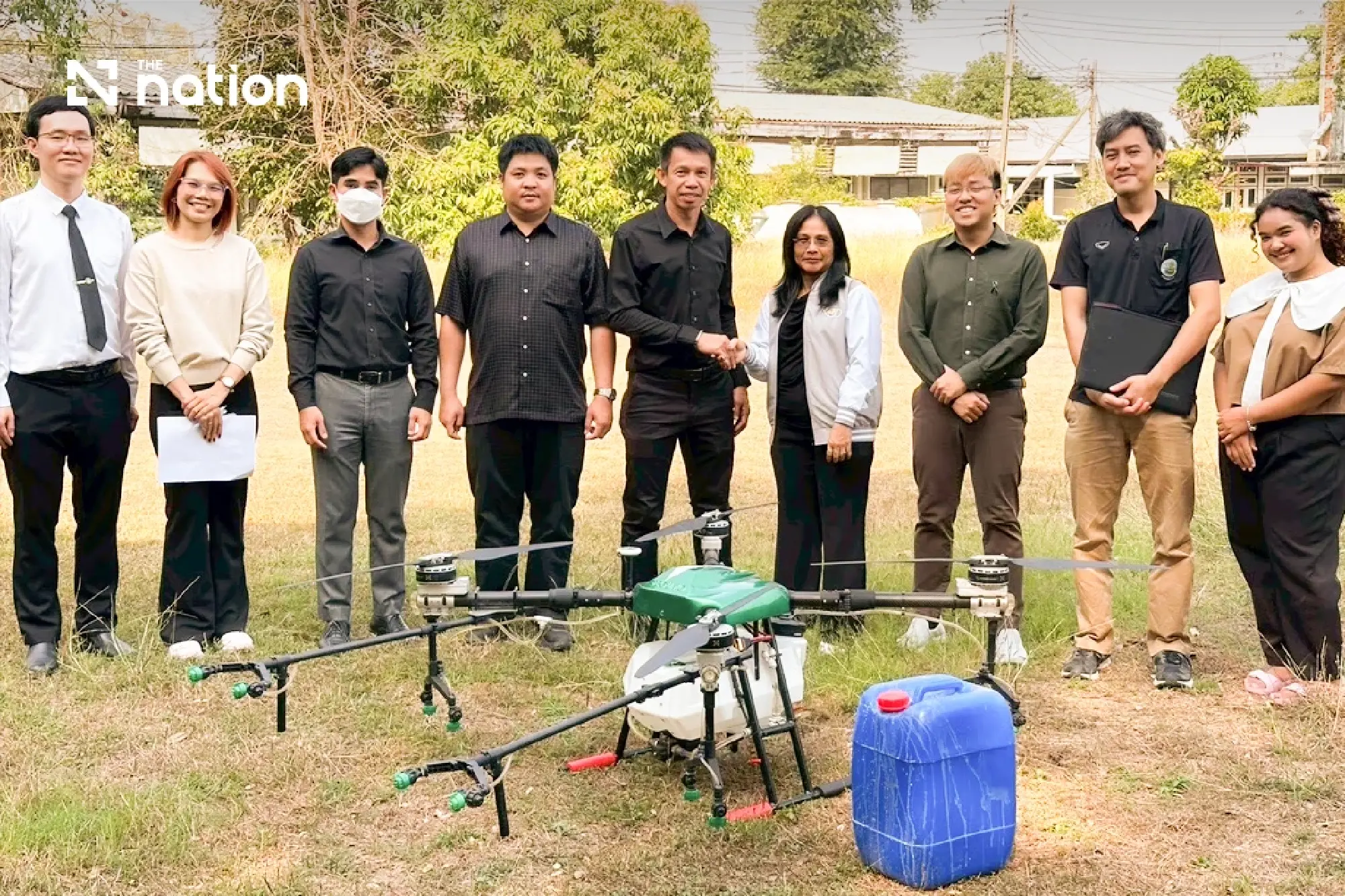
After laboratory research, RID tested Sor Wor Phor 62-RID 1 in areas under Regional Irrigation Offices 1 to 17, including Bang Leng and Bang Som in Nakhon Si Thammarat under Regional Irrigation Office 15, where dense water hyacinth growth had been reported.
While laboratory results showed drying and dieback within seven to 14 days, field application caused water hyacinth to gradually collapse and dry out within 45 to 60 days.
RID considers this timeframe appropriate because it allows biomass to decompose gradually, reducing the risk of simultaneous decay that could affect oxygen levels in the water and damage the ecosystem.
The success of the demonstration plots was driven by three key factors. The first was a mode of action that damaged the weed down to its roots and stolons. The second was precise drone spraying in hard-to-reach areas. The third was public confidence built through safety verification, which helped secure cooperation from local communities.
Strict monitoring builds environmental confidence
Safety is central to the development of the innovation. RID has continuously monitored environmental impacts through water-quality testing, residue analysis in soil and water sources, and ecological impact assessments.
Monitoring found that the synergistic approach greatly reduced the amount of active substance required. The substances can break down naturally and do not accumulate in soil or water sources.
Water-quality indicators, including pH and electrical conductivity (EC), remained within suitable levels under Section 8 water-quality criteria, while no impact was found on aquatic animals or organisms in water sources.
The department also sprays selected areas gradually rather than treating all areas at the same time. This allows water hyacinth to decompose naturally in stages, reducing the risk of polluted water while maintaining the balance of water bodies alongside weed control.
Costs fall by more than 60% as nationwide rollout expands
Beyond its environmental performance, Sor Wor Phor 62-RID 1 has delivered clear budget efficiency. According to RID data, manual spraying costs an average of 840 baht per rai, around 74% lower than conventional methods.
Spraying by workers on boats costs 1,050 baht per rai, saving 68% but requiring more time. Drone spraying costs 1,160 baht per rai, cutting costs by around 64% compared with previous methods.
Although drone spraying costs slightly more than manual application, it can reach small canals, areas beneath bridges and blind spots inaccessible to machinery. It also controls spray dispersion more precisely, reduces chemical use, lowers the need for repeated removal, takes less time and reduces chemical exposure among workers. Overall, this improves management efficiency.
Following the successful trials, RID is expanding the use of the innovation in fiscal 2026, with a target to produce more than 35,000 litres of the substance. In fiscal 2027, it plans to prepare more than 100,000 litres to support operations across all 17 regional irrigation offices nationwide, covering outbreak-prone areas and blind spots in the irrigation system.
The department is also preparing operating standards, including practical manuals, staff training, the use of drones with precision agriculture systems, water-quality monitoring and the use of cost data to develop unit-cost standards.
The aim is to improve efficiency and transparency in the use of public budgets.
“The goal is not to make water hyacinth die as quickly as possible. It must die without damaging the quality of water sources,” Thanyalak added.
Setting a course towards smart irrigation
In the long term, RID intends Sor Wor Phor 62-RID 1 to be more than a water hyacinth herbicide. It is being positioned as a strategic tool for sustainable water management, with plans to apply the knowledge to formulas for controlling other aquatic weeds, including giant mimosa and water lettuce, to improve the management of the wider waterway network.
Another key objective is to advance smart irrigation by integrating drones, artificial intelligence and aerial imagery data to analyse weed density, plan spraying more precisely and develop real-time water-quality monitoring systems. This would help improve the management of water sources.
Thanyalak explained that the success of Sor Wor Phor 62-RID 1 should not be measured solely by water hyacinth removal. It also reflects an innovation model that combines science, environmental knowledge and technology with Thailand’s national water management mission.
Amid the challenges of climate change and rising management costs, the innovation has the potential to become a model for modern aquatic weed control. It can reduce costs, lower chemical use, improve water management efficiency and protect ecological balance, laying an important foundation for the future development of Thailand’s irrigation system.
