
Malaysia shrimp ban pushes Thailand to seek premium markets
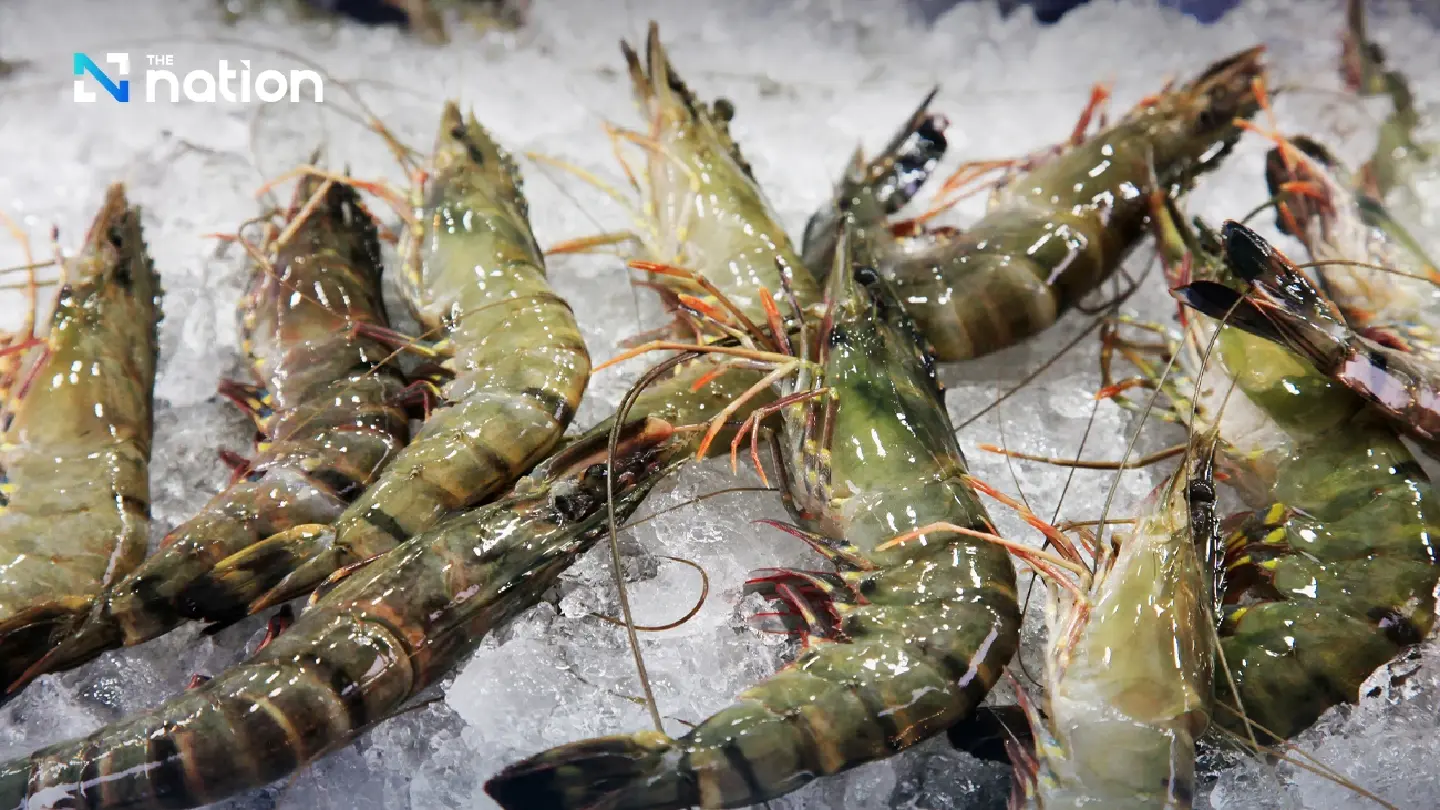


Thailand is urged to take Malaysia’s shrimp import ban to the WTO while shifting exports towards premium markets in Japan, Europe and the US
Thailand is being urged to take Malaysia’s suspension of Thai shrimp imports to the World Trade Organization while urgently seeking new premium markets to cushion the impact on farmers and exporters.
The dispute has raised concern over a possible trade retaliation cycle between the two neighbours, after Thailand earlier tightened inspection measures on seabass imported from Malaysia due to chemical and antibiotic residue concerns.
The Agriculture and Cooperatives Ministry has said its measures were carried out step by step and in coordination with Malaysia to ensure the safety of imported seabass for Thai consumers.
However, Malaysia later suspended imports of five shrimp species from Thailand from June 1, 2026. The affected species are brown tiger prawn, banana prawn, whiteleg shrimp, giant tiger prawn and blue shrimp.
The suspension came shortly after Thailand imposed measures on Malaysian seabass. Thailand was notified on May 28, 2026, with the measure taking effect on June 1, giving Thai authorities little time to clarify the issue or prepare supporting measures for affected operators.
Ath Pisalvanich, an independent academic specialising in international economics and ASEAN affairs, said Malaysia’s stricter controls on seafood imports from Thailand, particularly seabass and five shrimp species, appeared to be a trade retaliation measure combined with an attempt to raise national food-safety controls.
He said Malaysia’s move was linked to Thailand’s earlier suspension of certain fish and shrimp imports from Malaysia after Thai authorities found contamination.
He supported the Commerce Ministry’s plan to raise the issue through the WTO process on the grounds that the measure may amount to a trade barrier.
However, he warned that the WTO dispute-settlement process could take more than a year because it is an international legal procedure. The government should therefore act in parallel by finding new markets to support farmers and exporters.
He identified three key target markets.
The first is the premium market, including Japan, the European Union and the United States, which have strong purchasing power.
The second is China, a large and fast-growing market.
The third is ASEAN, where Thailand already exports shrimp that meet a certain level of standards.
Ath said Thai shrimp was once the world’s top export product in its category, but over the past two decades the industry had faced disease outbreaks and pressure from overproduction, weakening international confidence.
He said Thailand should no longer compete mainly in the mass market, where Vietnam and India have become major rivals with lower-priced shrimp.
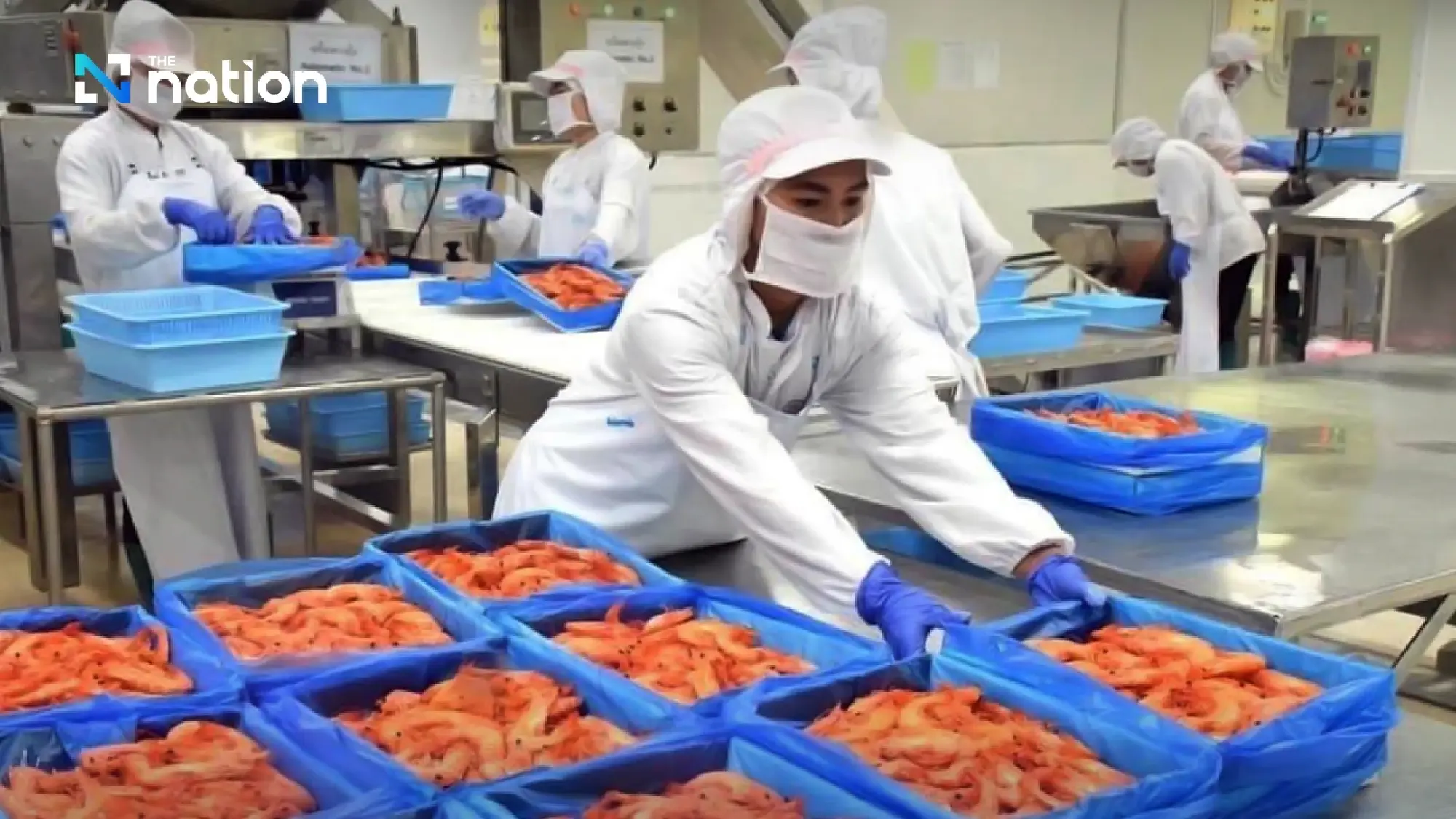
Instead, Thailand should move towards premium markets by focusing on quality, international standards, hygiene and health-conscious products.
Traceability is especially important for exports to Europe and the United States, where buyers place strong emphasis on verifying the origin of products.
Ath also said the government must help tackle shrimp disease outbreaks more seriously in order to raise the quality of Thai production.
“Thailand must urgently improve quality and standards so they are accepted internationally, shifting from price competition to premium markets that focus on high quality,” he said.
Thailand prepares WTO and ASEAN talks
Deputy Prime Minister and Commerce Minister Suphajee Suthumpun said the Thai government was moving to address the problem, with the Department of Fisheries and the National Bureau of Agricultural Commodity and Food Standards preparing urgent talks to ease the dispute.

The Commerce Ministry is also ready to raise the issue at relevant forums, including the WTO and ASEAN. Suphajee said she had instructed the Office of Commercial Affairs in Kuala Lumpur to monitor the situation closely.
She has also assigned Commerce Ministry agencies in Thailand and overseas to speed up efforts to find markets for farmers and operators.
Thailand’s shrimp exports to Malaysia in 2026 have averaged 300-400 tonnes per month, worth about 44 million baht a month.
The ministry has launched 13 urgent preliminary measures aimed at absorbing around 400 tonnes of Thai shrimp a month. These include finding replacement markets, opening shrimp purchasing points and organising sales activities to help move affected supply.
Suphajee said the ministry’s current action was intended to ease immediate hardship for farmers by helping them release shrimp that had been blocked from entering Malaysia.
She stressed that the response was not limited to domestic consumption campaigns or short-term support, but included several measures, particularly raising the issue for discussion at WTO and ASEAN levels.
Four areas of impact for Thailand
The Office of Commercial Affairs in Kuala Lumpur has assessed that Malaysia’s measures could affect Thailand’s seafood export supply chain in several ways.
The first impact is on shrimp exporters and farmers, which could be severe in the short term. The sudden suspension of five main shrimp species could directly reduce revenue from the Malaysian market.
If exporters cannot ship products out, Thailand could face domestic oversupply, putting downward pressure on shrimp prices. Farmers and exporters would then need to find alternative markets quickly.
The second impact is on seabass exporters, who now face additional costs and time burdens. Malaysia’s requirement for a Certificate of Analysis creates hidden costs for Thai operators, including laboratory testing fees and waiting times for test results, particularly for fresh and live seafood.
The third impact is on logistics and border trade. During the early stage of Malaysia’s new standard operating procedure, cargo clearance at border checkpoints could face congestion and delays because Malaysian Quarantine and Inspection Services officers must examine documents more strictly.
The fourth impact concerns bilateral trade relations. Malaysia’s explicit description of the measure as reciprocal reflects tension in agricultural trade policy between the two countries. This could potentially lead to tariff walls or non-tariff barriers in other products.
The dispute has therefore become more than a short-term shrimp export problem. It is now a test of how Thailand manages food-safety standards, trade diplomacy and the long-term competitiveness of one of its key agricultural export industries.
