
DTAM advances five strategies to promote Thai kratom globally
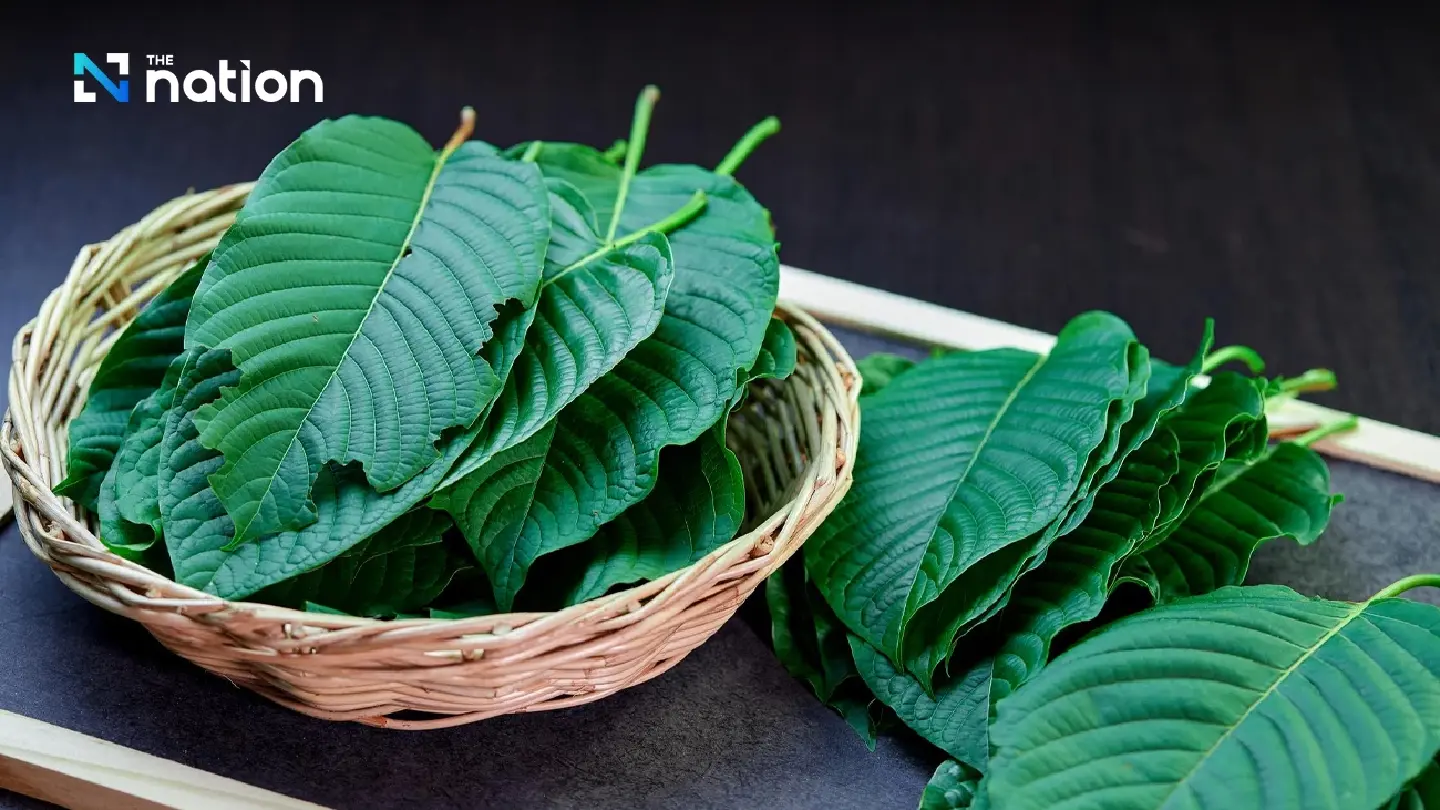


The Department of Thai Traditional and Alternative Medicine says the plan aims to close knowledge gaps and support global competition.
- The plan focuses on agriculture and basic science to develop high-quality kratom varieties and control the quality of raw materials.
- It aims to accelerate pharmacological studies and clinical trials to establish the medicinal effects and safety of kratom, in line with international standards.
- Product development will be advanced using innovations like nanotechnology, while advanced tech like AI will be used to build international credibility.
- A key strategy involves creating policies and laws that strike a balance between economic development and the protection of public health.

Dr Thewan Thaneerat, deputy director-general of the Department of Thai Traditional and Alternative Medicine (DTAM), said kratom, or “Mitragyna speciosa”, is a native herb long connected with Thai traditional medicine, local ways of life and traditional knowledge.
Its removal from the narcotics list in 2021 marked a significant turning point, opening opportunities for research, economic value creation and broad commercial development, especially after kratom was promoted as one of the country’s target herbs, or Herbal Champions, in 2023.
The department has therefore drawn up the “National Kratom Research and Development Plan” to set a systematic development direction in line with international standards.
The plan aims to analyse the research situation, identify knowledge gaps and build cooperation between the public and private sectors to develop innovations with proven efficacy and safety, raising Thai kratom products’ competitiveness in the global market.
An analysis of kratom research in Thailand found a total of 331 studies, mostly concentrated in pharmacology and safety at 32.9%, and basic science and agriculture at 31.1%, with Prince of Songkla University serving as the main agency driving research.
The new research plan will focus on filling important gaps, such as safety standards, product standards, studies on long-term effects in young people and clinical trials in line with international standards.
To advance Thai kratom, the department has set five main strategies:
- Agriculture and basic science: develop varieties and control the quality of raw materials.
- Pharmacology and safety: accelerate studies on medicinal effects and clinical trials.
- Product development: use advanced innovation, such as nanotechnology, and study safety in combination with modern medicines.
- Policy, law and society: strike a balance between economic development and the protection of public health.
- Advanced technology: use AI and pharmacogenomics to develop precision medicine and build international credibility for Thai kratom.
In the next phase, the department is ready to move ahead with integrated cooperation with key agencies, including the Department of Medical Sciences, the Food and Drug Administration and the Office of the Narcotics Control Board, as well as universities nationwide, to reduce duplication in research and increase the efficiency of budget use.
“The aim is to promote Thai kratom as a new economic crop that generates income for the country while sustainably safeguarding social safety,” Dr Thewan said.
