
Thai JIC chief reviews reported activity near Ta Kwai
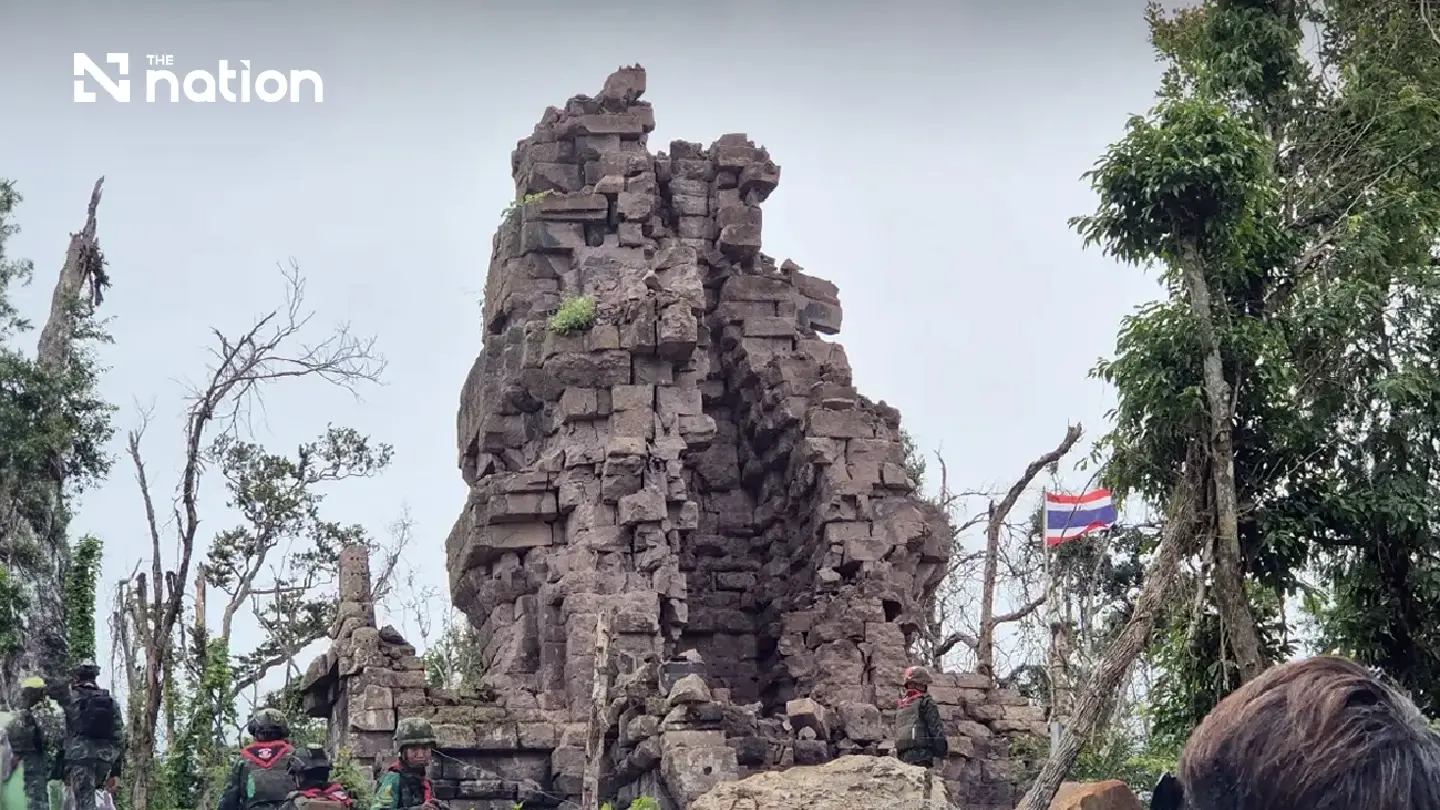


ACM Prapas inspected Ta Kwai and Hill 350 as Thai-side reports cited Cambodian tanks, drones and troop positions near the frontier.
ACM Prapas Sornchaidee, Assistant Commander-in-Chief of the Royal Thai Air Force and director of the Thailand-Cambodia Joint Information Centre (JIC), inspected Ta Kwai Temple and Hill 350 in Surin on Thursday (August 20, 2026) as Thai-side field reports cited Cambodian tanks, drones, troop assembly points and reinforced positions several kilometres from the frontline.
Prapas travelled to the sites in Phanom Dong Rak district to receive security briefings, meet frontline personnel and deliver essential supplies to military units. An official account confirmed that he inspected border positions and heard directly from personnel operating in the area.
The military movements and allegations concerning privately financed fortifications were contained in reports from the Thai side. They could not be independently verified, and no Cambodian response to the claims was available.
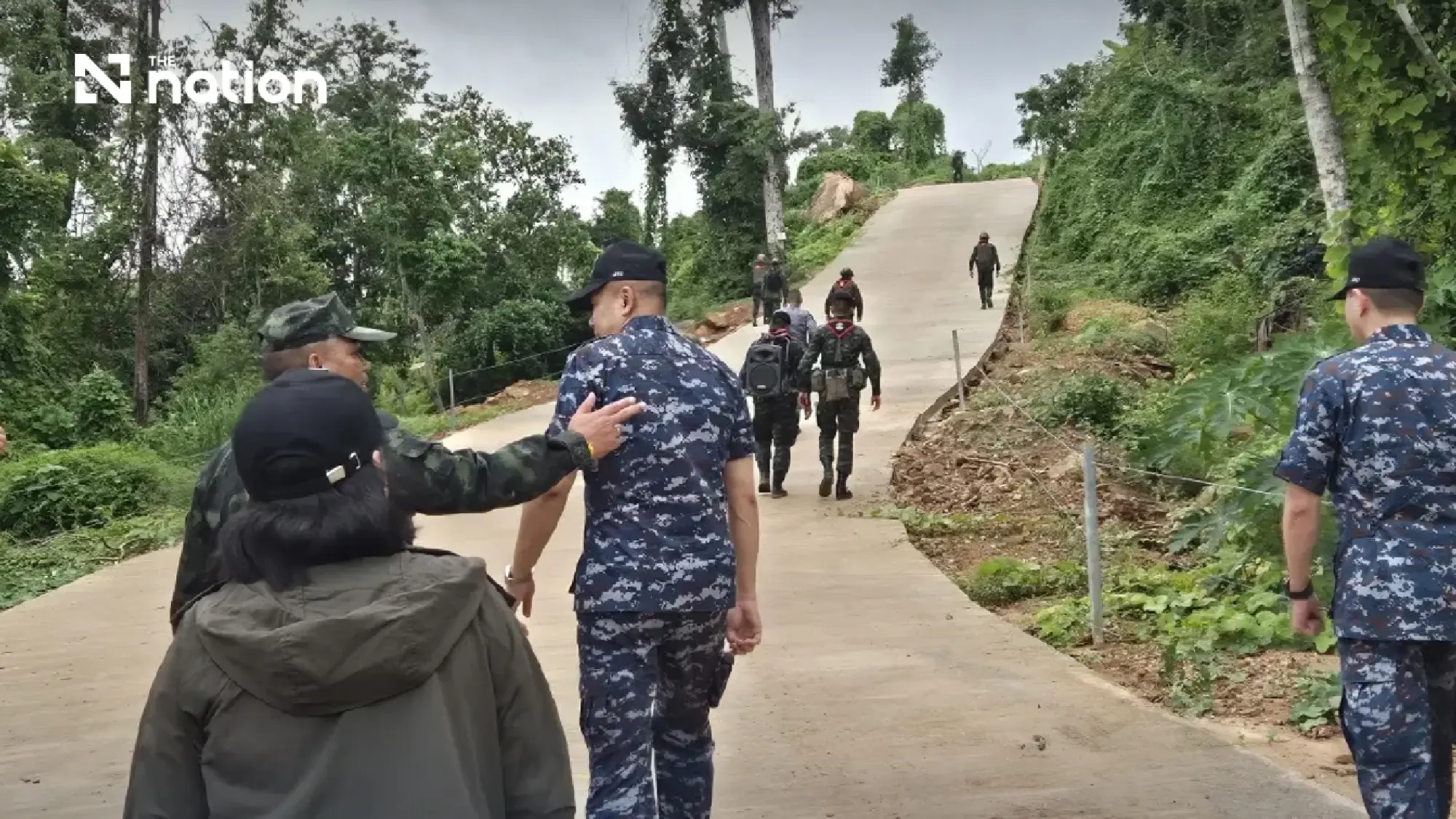
Thai-side reports cite armour, drones and fortified positions
A field briefing claimed that Cambodian forces had withdrawn to operational positions behind the K58 road after the second round of fighting around Ta Kwai Temple and Hill 350.
The positions were described as being about 2.5 kilometres from the Thai frontline. The briefing alleged that Thai forces had previously pushed back four Cambodian battalions, each estimated to contain about 500 personnel.
The K58 road was described as running along the border and providing connections towards Chong Chom, Sa Kaeo and the Ta Muen Thom Temple area. The field account said sections of the road had been developed with support from business interests operating locally.
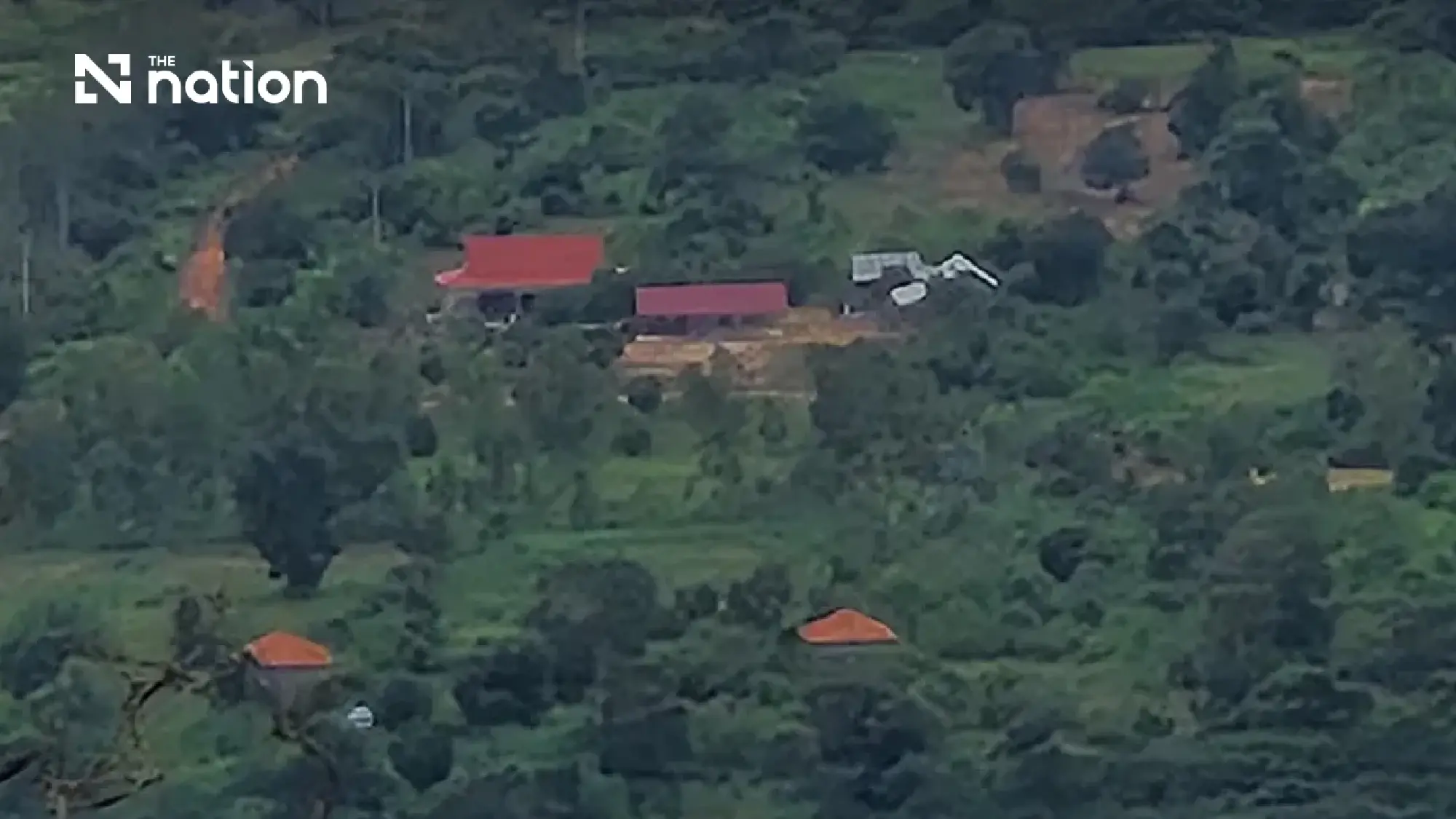
Reports also placed about 10 Cambodian tanks between 3 and 4 kilometres behind the forward positions and identified troop assembly points about 2 kilometres from the Thai line. Personnel were reportedly seen gathering at those points in the morning and evening.
Cambodian drones were said to have flown intermittently near Ta Kwai Temple. Thai units had deployed signal-detection and anti-drone equipment, and the aircraft reportedly withdrew when detected.
A separate unnamed report alleged that reinforced Cambodian bunkers had reduced troops’ vulnerability to Thai F-16 operations. It also claimed that Chinese and Cambodian business interests had financed fortifications in different border sectors, including Chong Chom, Ta Muen Thom and Ta Kwai.
No companies were identified, and no documents or other evidence were provided to substantiate the financing allegation.
Prapas said information concerning border incidents should be based on verified facts and cautioned against premature conclusions that could create misunderstanding or raise tensions unnecessarily.
He maintained that Thailand wanted peace but had to combine restraint with readiness, the protection of civilians and the defence of national sovereignty.
“We can be strong without provoking,” he said, adding that Thailand could protect its sovereignty while adhering to the law and international principles.
Mine risk reported beyond cleared access corridor
Reporters accompanying the visit said the concrete road leading to Ta Kwai Temple had been completed and that the immediate area surrounding the access route had been fully cleared of landmines.
The reported clearance applied to the transport corridor rather than all territory beyond the Thai perimeter.
A separate field account said three dogs from a Thai military position crossed beyond the barbed-wire boundary about a week before the visit and triggered a mine. Two reportedly died, while the third returned injured.
The account treated the incident as an indication that mines remained beyond the perimeter and alleged that Cambodian forces were continuing to place mines to restrict Thai troop movements. It did not cite an official investigation or independently verified evidence establishing when the mine was laid or who placed it.
Thai demining teams had previously reported finding PMN-2 anti-personnel mines and unexploded ordnance near Ta Kwai Temple. Those earlier discoveries confirm the continuing hazard but do not, by themselves, establish responsibility for the mine involved in the reported dog incident.
New road halves journey to Hill 350
A connecting road between Ta Kwai Temple and Hill 350 has reduced travel time between the two strategic locations from about 30 minutes to 15 minutes, according to officials at the site.
A 147-step steel staircase has also been installed to provide access to Hill 350.
Prapas said infrastructure at the border supported military operations, communications, safety and the quality of life of personnel stationed in remote areas. During the inspection, he praised the discipline, endurance and professionalism of troops serving at the frontline.
The Fine Arts Department has completed an inspection of Ta Kwai Temple ahead of planned restoration work. The project is expected to begin in 2027 and be completed in 2029, according to the field briefing.
Previous official reporting confirmed that Fine Arts Department personnel had examined the temple and begun preparing a restoration plan following damage and structural concerns at the site.
Commemorative run scheduled for December
A walk and run titled Run for Honor 2026 is scheduled for December 20 along a route covering Ta Kwai Temple and Hill 350.
Held under the theme “Every Step in Remembrance”, the event is intended to commemorate the courage of personnel who served in the border area and honour those who lost their lives.
