
A Princess's Promise: How One Royal's Empathy Rewrote Global Justice
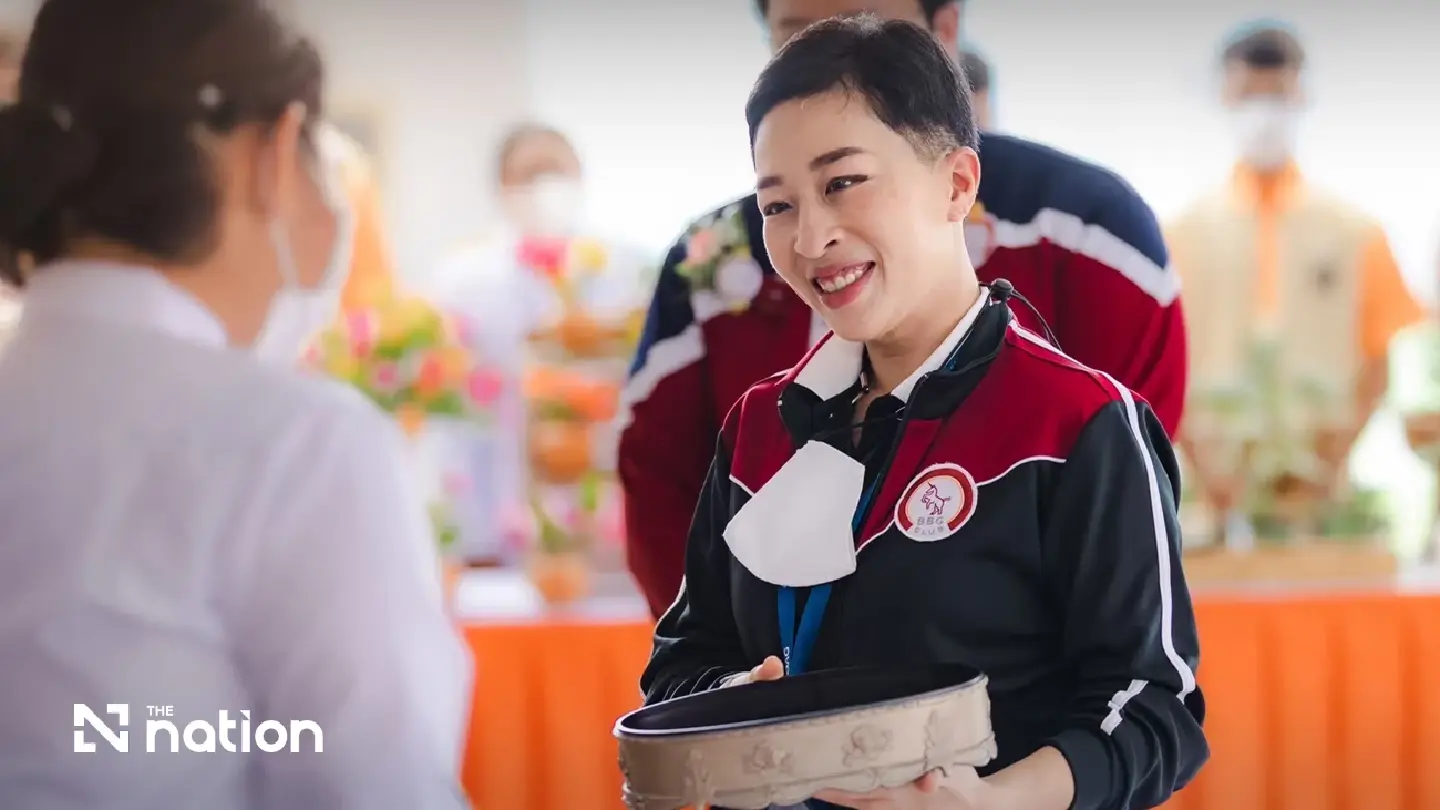


HRH Princess Bajrakitiyabha's Kamlangjai Project transforms prisons from places of punishment into spaces of hope — and reshapes international law for generations to come
- Inspired by her empathy for a female inmate with a newborn, HRH Princess Bajrakitiyabha of Thailand created the Kamlangjai Project to address the unique needs of women in a justice system designed for men.
- The Princess leveraged the success of her project to advocate at the United Nations, leading to the unanimous adoption of the "Bangkok Rules" by 193 nations in 2010.
- The Bangkok Rules rewrote international law by establishing the first global standard for the gender-specific treatment of women prisoners, mandating protections for mothers and improved healthcare.
- Beyond legal reform, the project focuses on rehabilitation through vocational training in "Model Prisons," providing former inmates with skills and reducing reoffending rates.
HRH Princess Bajrakitiyabha's Kamlangjai Project transforms prisons from places of punishment into spaces of hope – and reshapes international law for generations to come.
There is a particular kind of courage that belongs not to the battlefield but to the quiet corridors of a women's prison. It was in one such corridor — at the Central Women's Correctional Institution in Bangkok in the summer of 2001 — that a young law student encountered an inmate cradling a newborn behind iron bars and felt what she would later describe as the "inequality of equal treatment".
That student was Her Royal Highness Princess Bajrakitiyabha Narendiradebyavati Krom Luang Rajasarinisiribajra Mahavajrarajadhita, and the sight before her would shape the remainder of her life's work.
More than two decades on, the ripple effects of that single encounter have transformed prisons across Thailand, rewritten international law for 193 nations, and given thousands of women — many of them broken, forgotten, and without hope — the means to rebuild their lives.
The instrument of that transformation is the Kamlangjai Project, known in English as the Inspire Project, and it stands today as one of the most remarkable achievements in the history of humanitarian royal enterprises.
A Vision Born of Compassion
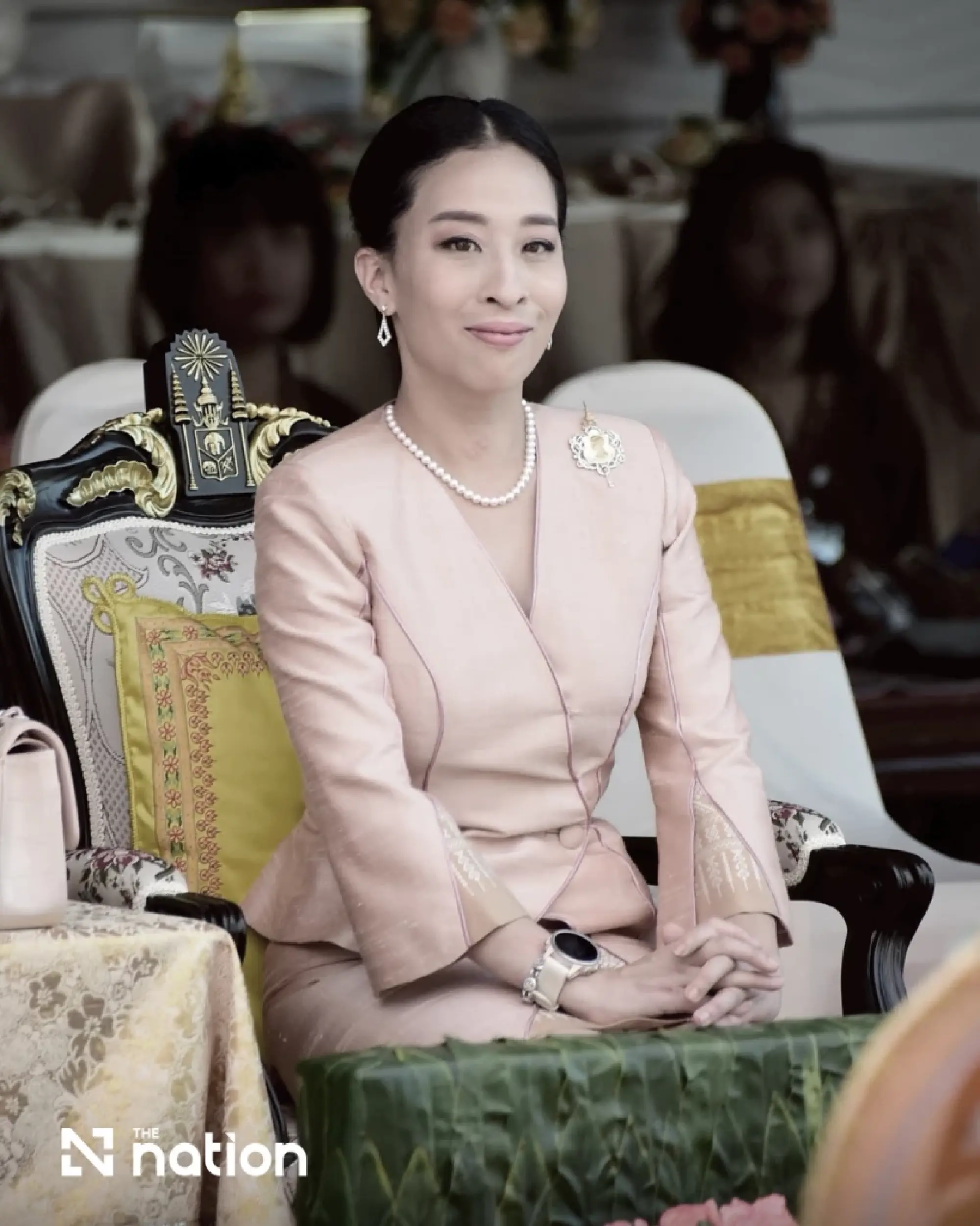
The word Kamlangjai is itself a small poem. In Thai, it means "strength of spirit" — and it is precisely this quality that HRH Princess Bajrakitiyabha sought to restore in those whom society had largely given up upon.
When she launched the project on 31 October 2006, funding it initially from her own personal resources, she did so with a conviction rooted not in sentiment alone but in the disciplined legal understanding of a Cornell-trained jurist.
The Princess had observed that the global penal architecture had been built, overwhelmingly, by men and for men. Women — who represented fewer than one in ten prisoners worldwide — were subjected to systems entirely ill-suited to their biological realities and social circumstances.
Prenatal care was inadequate or absent. Children born within prison walls had no formal legal status in correctional budgets. Histories of domestic abuse, which shaped so many women's paths into the criminal justice system, went unacknowledged. The Princess resolved to change all of that.
"Mother and Baby" units were established, allowing infants to remain with their mothers during the critical early months of life. Partnerships were forged with hospitals, universities, and the private sector to fund programmes – yoga in prison, quality pregnancy care, and maternal health services – that fell beyond the mandate of conventional correctional budgets.
In doing so, the Princess not only addressed immediate suffering; she laid the empirical groundwork for something far larger.
From Bangkok to the World: The Making of International Law
In 2008, the Princess brought the Kamlangjai model before the United Nations Commission on Crime Prevention and Criminal Justice in Vienna.
Speaking not as a figurehead but as a practising prosecutor and legal scholar who had worked the courts of both Bangkok and rural Udon Thani, she argued with forensic precision that the quality of a justice system must be measured not by its capacity to punish but by its ability to rehabilitate.
The international community listened.

On 21 December 2010, the 65th United Nations General Assembly unanimously adopted the United Nations Rules for the Treatment of Women Prisoners and Non-custodial Measures for Women Offenders – a landmark document that would become known to the world as the Bangkok Rules.
For the first time in modern legal history, 193 nations formally acknowledged that women prisoners require distinct, gender-specific protections. The use of physical restraints on women in labour was condemned. Invasive searches were restricted.
Alternatives to imprisonment for mothers of young children were mandated. A global standard, shaped in no small part by the conscience of one Thai princess, was now the law of the world.
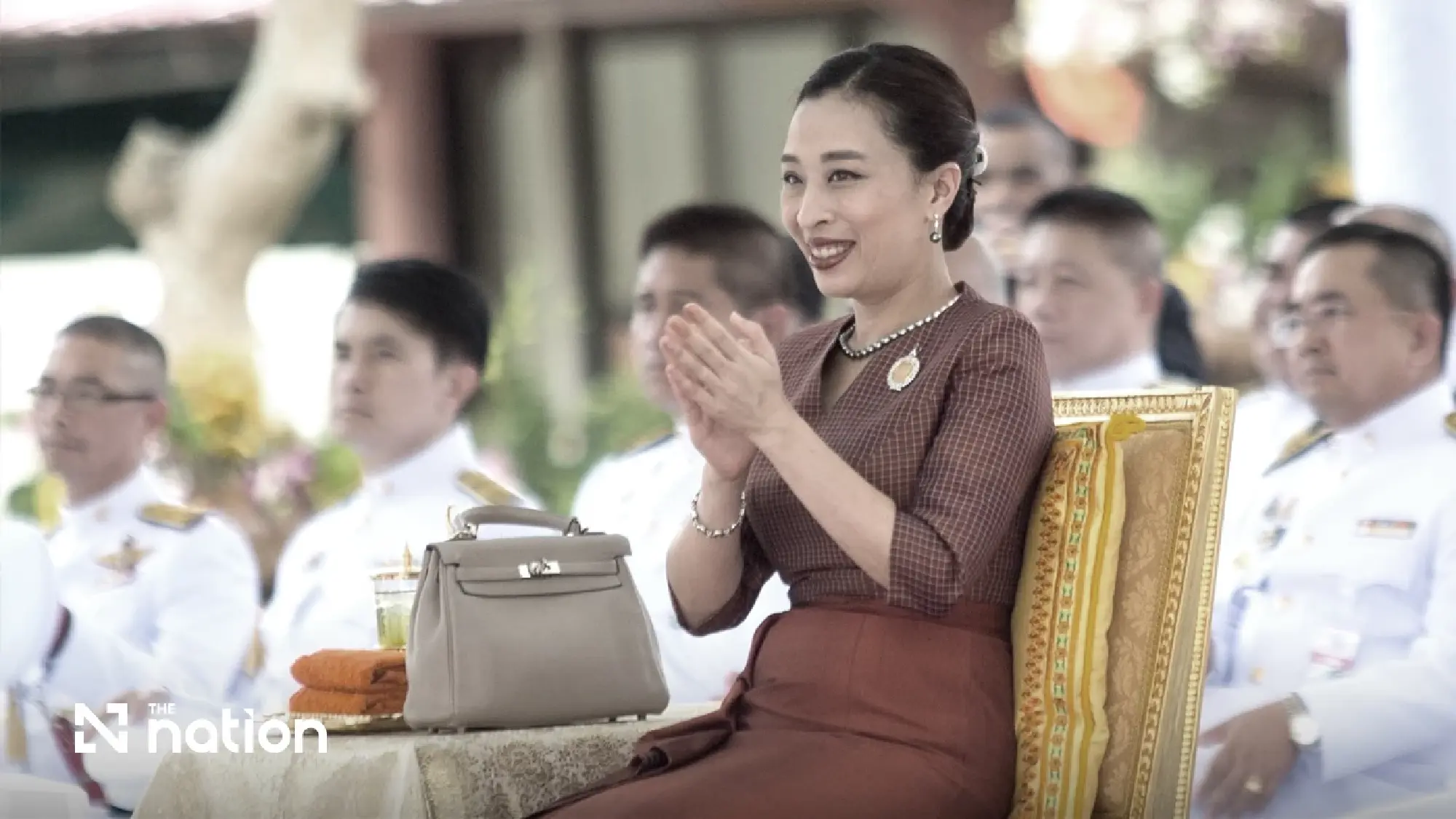
"The strength of a justice system lies not in its power to punish, but in its ability to restore — and to return the lost to the living," HRH Princess Bajrakitiyabha stated.

Restoring Lives, One Skill at a Time
The Bangkok Rules and the creation of the Thailand Institute of Justice in 2011 gave the Kamlangjai Project institutional permanence. But the Princess understood that law alone does not heal. Rehabilitation, she argued, must be tangible — a set of skills, a sense of purpose, a viable path to life outside the gate.
The Restart Academy, a cornerstone of this philosophy, operates as a social enterprise within correctional facilities, offering training in massage and spa therapy, culinary arts, textile weaving, and arboriculture.
Inspired by His Majesty King Bhumibol Adulyadej's Sufficiency Economy Philosophy, inmates are taught not merely to survive post-release but to contribute meaningfully to their communities.
The results have been striking: a Social Return on Investment of 7.7 times the cost has been recorded, with measurable declines in drug relapse and reoffending rates among graduates.
Twelve correctional facilities across Thailand have since been designated as 'model prisons'. In communities where women once returned from incarceration to poverty and stigma, there are now establishments such as Lila Thai Massage, staffed by former inmates trained under the Kamlangjai framework – walking, working proof that the lost can, indeed, find their way back.
A Legacy That Will Endure
The Bangkok Rules Accelerator, to be launched in December 2025, signals that the Princess's vision is not content to rest on its achievements.
With the female prison population having risen by 57 per cent between 2000 and 2025 — driven largely by drug-related offences — the project's emphasis on non-custodial alternatives, electronic monitoring, and restorative justice remains as urgent as ever.
The forthcoming initiative will align gender-responsive justice with the global Women, Peace and Security agenda, extending the reach of the Bangkok Rules into frameworks of international peace and post-conflict reconstruction.
What HRH Princess Bajrakitiyabha has built is, at its deepest level, a partnership model — one that refuses to assign the responsibility for justice to the state alone and instead calls upon hospitals, universities, businesses, and civil society to become, in the project's own memorable phrase, "Hope Crafters".
It is a model that has already proved its power to transcend borders, cultures, and political systems. And it is a model whose principles are now embedded in international law, ensuring that no future generation of legislators, jurists, or correctional officers can ignore the humanity of the women in their care.
For the women who have passed through the gates of Thailand's Model Prisons — those who entered in despair and departed with a skill, a purpose, and a renewed sense of their own dignity — no legislation is required to understand the depth of what has been given to them.
They know it, simply, as strength of spirit. As Kamlangjai.
