
Thailand’s ISOC warns sharing AI royal images may breach computer law
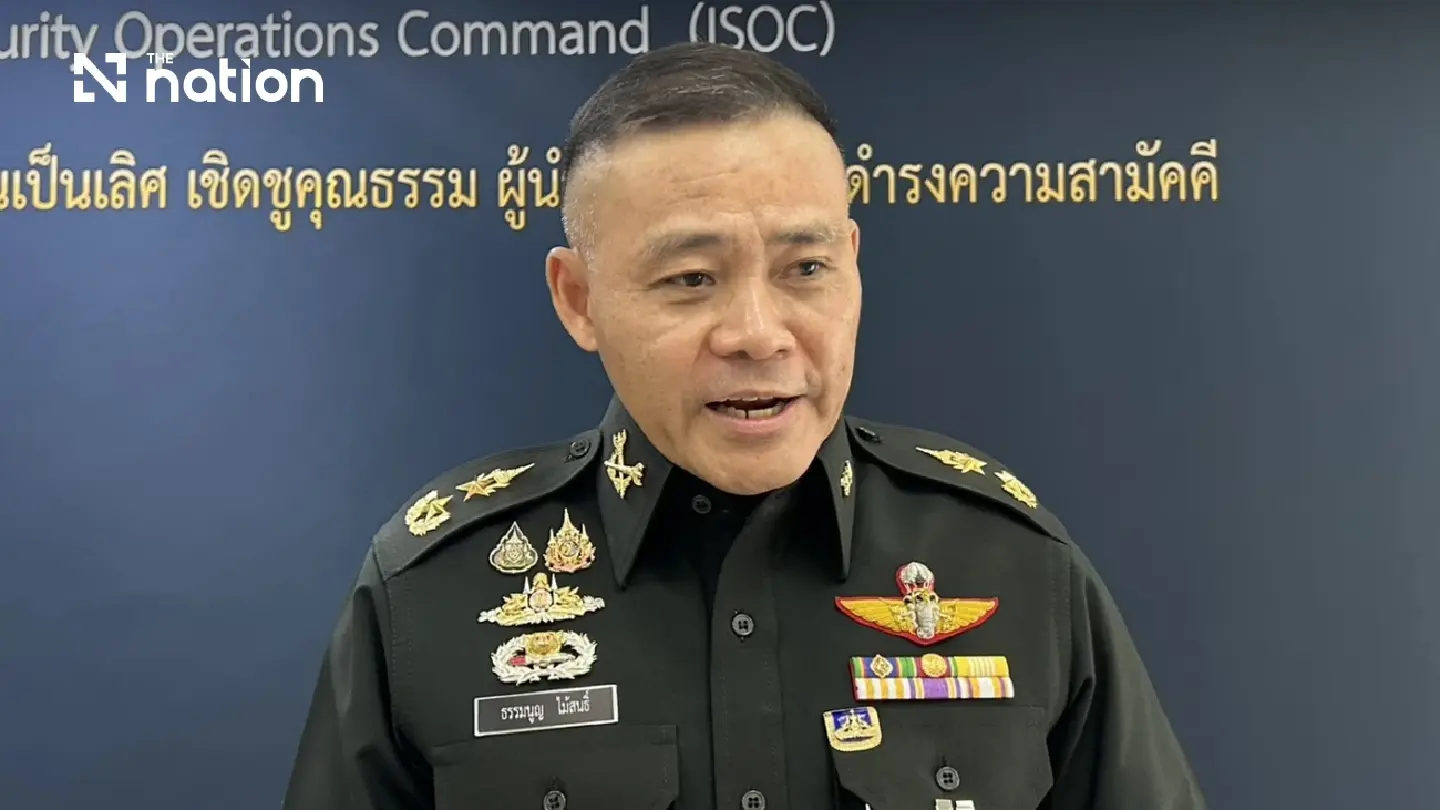


The warning followed the spread of AI-generated and edited royal images that did not match the facts and caused confusion.
- Thailand's Internal Security Operations Command (ISOC) has warned the public against sharing factually inaccurate AI-generated images of the Thai royal family.
- The warning was prompted by the spread of AI-altered images depicting the King and Queen during a royal ceremony, which were designed to cause public confusion.
- Disseminating such images may be considered an offense under the Computer-Related Crime Act 2007.
- Potential penalties for creating or forwarding the false data include up to five years in prison and/or a fine of up to THB100,000.
Images created and altered with artificial intelligence (AI) were found on June 15, depicting His Majesty the King and Her Majesty the Queen during a royal ceremony concerning the conveying of the royal remains of Her Royal Highness Princess Bajrakitiyabha Narendiradebyavati Kromluangrajasarinisiribajra Mahavajrarajadhita.
The images were disseminated and widely forwarded on social media, although they had been generated and edited using AI in a way that did not match the facts, in order to stir emotion and generate online interaction, resulting in misunderstanding and confusion in society.
The Internal Security Operations Command (ISOC) asked the public to use judgment when receiving and forwarding information from social media, particularly content relating to the country’s core institutions.
Sources should be checked each time against state agencies, the Bureau of the Royal Household or reliable news outlets to prevent the spread of false information, reduce confusion in society and help build responsible information resilience for the public good.
Introducing into a computer system, or disseminating or forwarding, false data, or distorted, forged or inaccurate computer data, causing damage to the public or potentially affecting national security, may fall within the scope of offences under the Computer-Related Crime Act 2007, as amended in 2017, as follows:
- Section 14(1): Anyone who imports false computer data into a computer system in a manner likely to cause damage to the public is liable to imprisonment of up to five years, or a fine of up to THB100,000, or both.
- Section 14(2): Anyone who imports false computer data into a computer system in a manner likely to harm national security or public safety, or cause panic among the public, is liable to imprisonment of up to five years, or a fine of up to THB100,000, or both.
- Section 14(5): Anyone who disseminates or forwards computer data while already knowing that it is false data under Section 14(1) or (2) is liable to the same penalties as those who import such data into a computer system.
The Internal Security Operations Command asked the public to “stop before sharing, check before believing” and to use social media constructively, responsibly and with respect for the facts, to preserve public order and protect the country’s core institutions from becoming targets of distorted information in the digital world.
