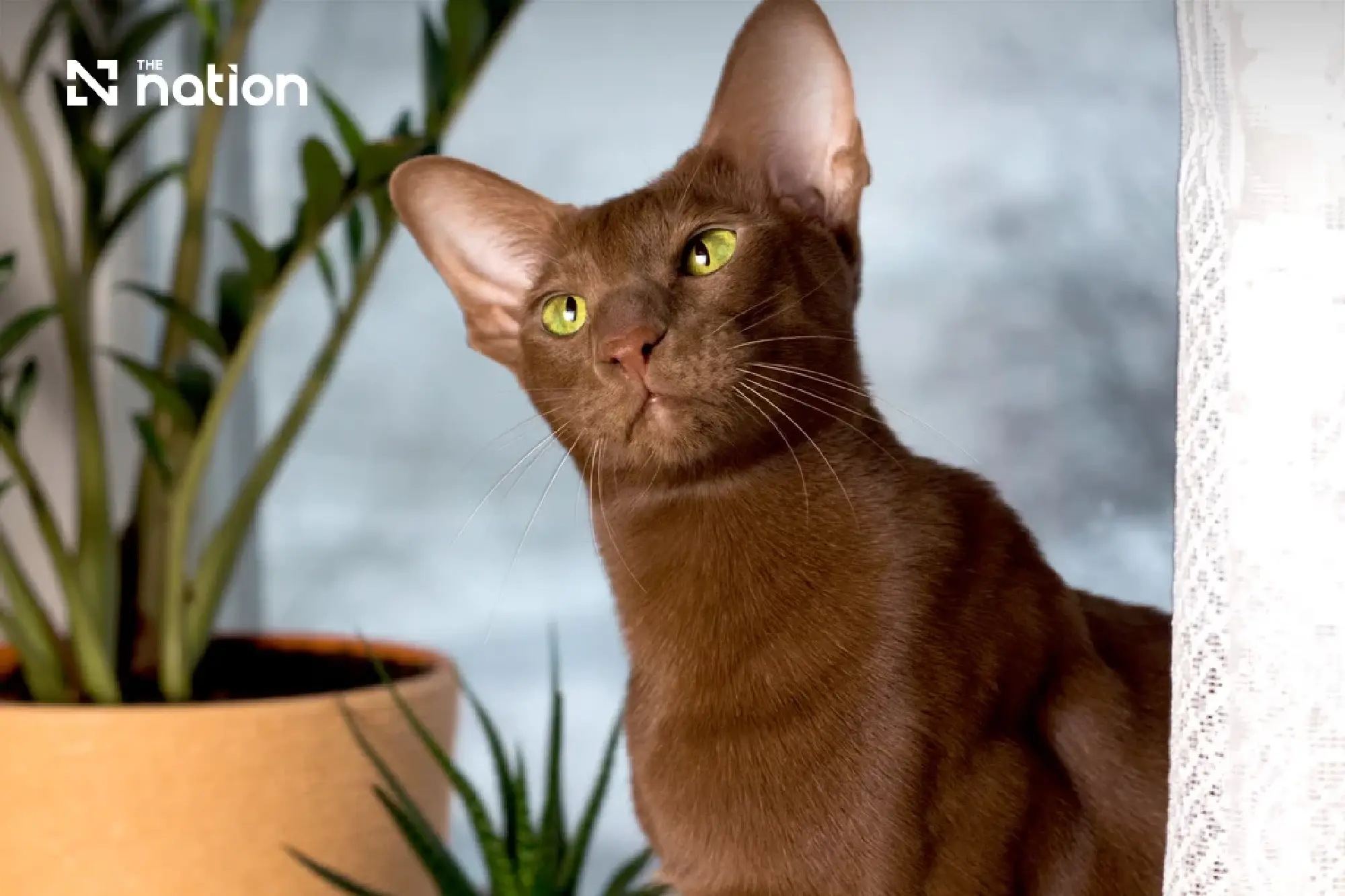
International Cat Day spotlights Thailand's 4.3m cats



Thailand marks International Cat Day as data put the country's cat population at 4.3 million and Bangkok enforces new pet registration rules
- International Cat Day on August 8 brings attention to Thailand's cat population, which a recent survey recorded at over 4.3 million nationwide.
- To improve animal welfare, Bangkok has implemented new regulations requiring pet registration, microchipping, and limiting the number of cats allowed per household based on property size.
- As part of a conservation effort, five native Thai cat breeds (Suphalak, Korat, Wichien Maat, Konja, and Khao Manee) have been officially recognized as a national identity.
International Cat Day is celebrated worldwide on August 8 each year, putting the spotlight on cat welfare as Thailand's latest survey records more than 4.3 million cats across the country.
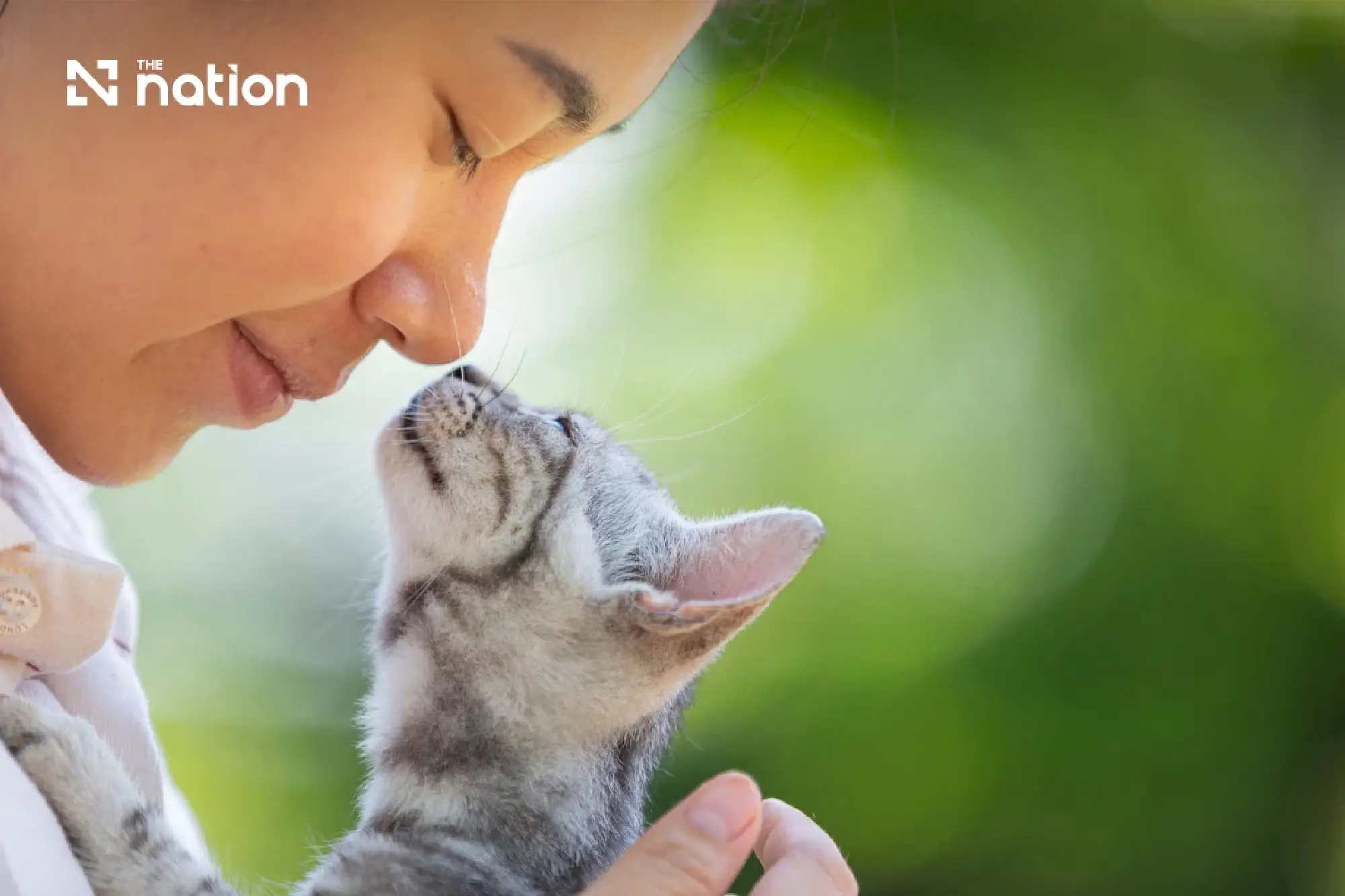
The day was established in 2002 by the International Fund for Animal Welfare (IFAW) to raise awareness of cats and their welfare, including the problem of abandonment. International Cat Care now acts as custodian and coordinator of International Cat Day, which continues to be observed annually on August 8.
Some countries also have separate national cat days. Russia observes National Cat Day on March 1, while the United States marks its National Cat Day on October 29 in addition to International Cat Day.
Thailand records more than 4.3 million cats
Thailand had 4,306,843 cats nationwide according to the 2026 annual dog and cat population survey cited by the Rabies Surveillance Command Centre, with the data current to August.
Bangkok, meanwhile, had an estimated 89,269 stray or unowned cats according to Department of Livestock Development statistics cited in the report. The number of cats living in households and urban areas has also been increasing, with more previously stray animals moving into homes.
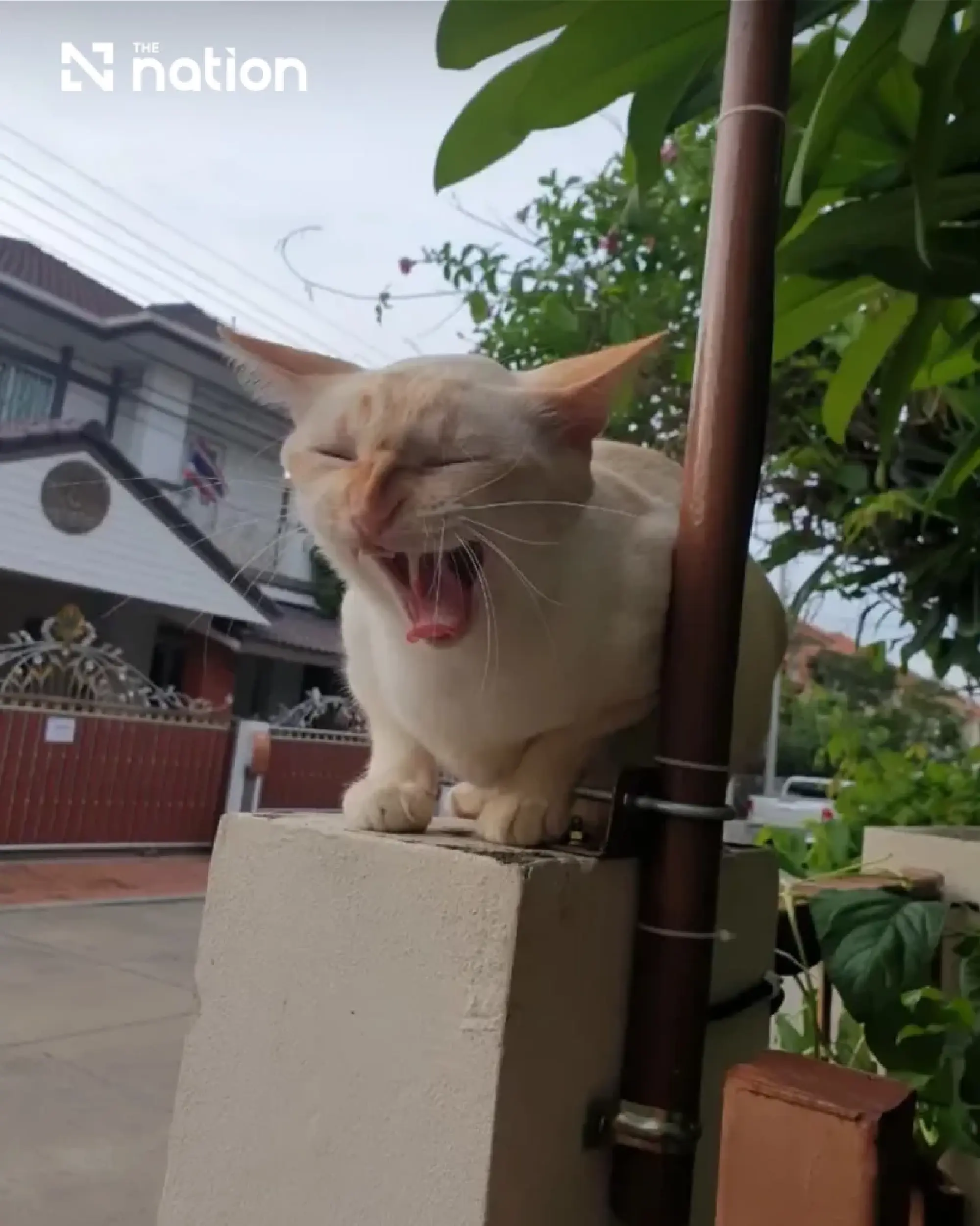

The rise in pet ownership comes as Bangkok enforces new rules governing dogs and cats. The Bangkok Metropolitan Administration's revised regulations took effect on January 10, requiring pets to be registered and dogs and cats to be microchipped. The BMA says the system is intended to identify owners, discourage abandonment, control stray animal numbers and improve disease and nuisance management.
Owners must register pets within 120 days of birth or, for animals brought into Bangkok, within 30 days of beginning to keep them in the capital.
The number of dogs and cats that can be kept is also limited according to the size of the property:
- Rental rooms or condominiums of 20-80 square metres: no more than one dog or cat in total
- Rental rooms or condominiums larger than 80 sq m: no more than two
- Houses on plots of up to 80 sq m: no more than two
- Houses on plots of 80-200 sq m: no more than three
- Houses on plots of 200-400 sq m: no more than four
- Houses on plots of more than 400 sq m: no more than six.
Registration documents include the owner's identification card, the house registration for the animal's residence, landlord consent where applicable and the required certification form. Vaccination, sterilisation and power-of-attorney documents are required where applicable.
Outside the home, pets must be restrained with an appropriate lead or kept in a suitable carrier, enclosure or cage, and owners must prevent them from disturbing others and clean up animal waste in public areas. Additional restrictions apply to dogs classified as dangerous or with a history of attacking people.
Bangkok provides free microchipping, rabies vaccination and sterilisation services for dogs and cats through its eight veterinary service locations.
Five Thai cat breeds gain national recognition
Thai cats were formally designated a national identity in the pet category after the Cabinet approved the proposal in November 2025. The decision followed a March 21, 2025 recommendation from the National Identity Committee.
The distinction was based on historical and genetic studies highlighting the distinctive appearance and characteristics of Thai cats, their long association with Thai society and their links to the country's beliefs, way of life, traditional knowledge and culture.
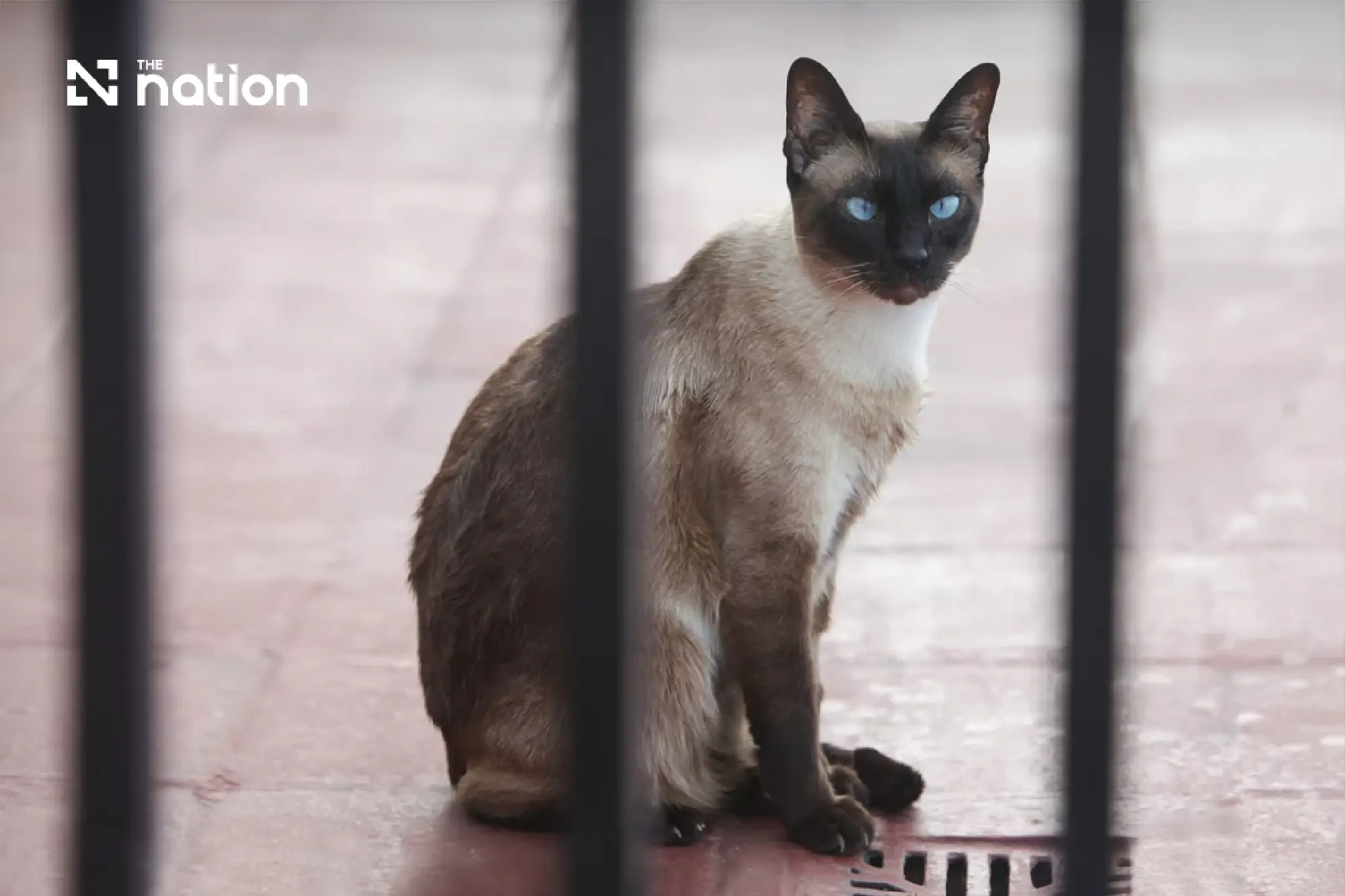
Official documents identify five surviving pure Thai breeds: Suphalak, Korat, Wichien Maat, Konja and Khao Manee. The designation is intended to support conservation, common breed standards and protection of Thailand's rights over its native cat breeds.
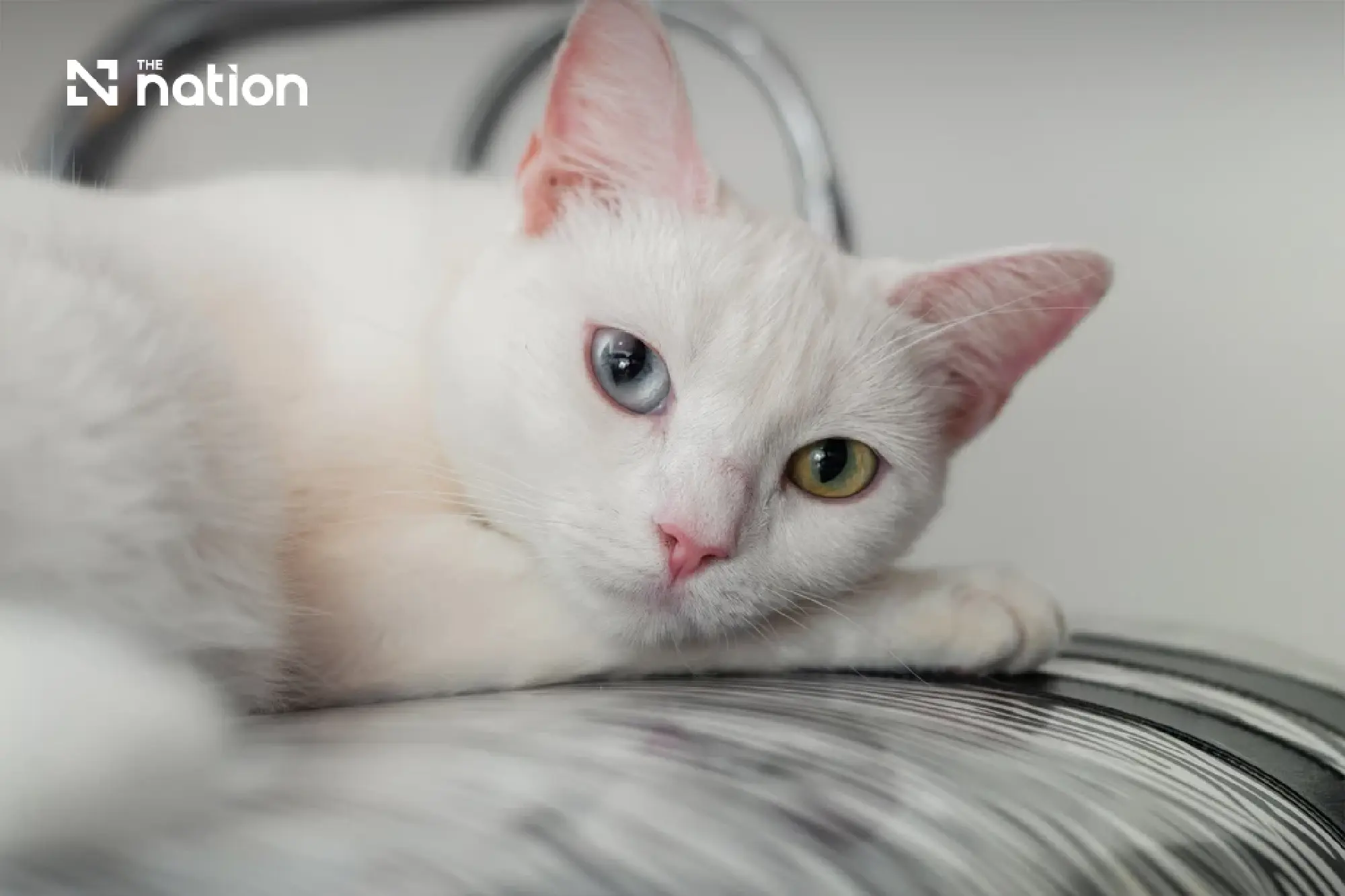
Understanding common cat behaviour
Several familiar behaviours can also offer clues to how cats interact with their environment.
Cats often seek out boxes or confined spaces because these can provide a sense of security. Kneading with their front paws is a behaviour that begins in kittenhood, while rubbing their head or face against people can serve as a greeting and a way of depositing scent.

Cats also commonly seek high places, scratch furniture and other objects, bring prey or other objects back to their owners, and bury their faeces. Changes in established behaviour, including unusual urination or changes in toileting habits, can warrant closer observation and veterinary advice if they persist.
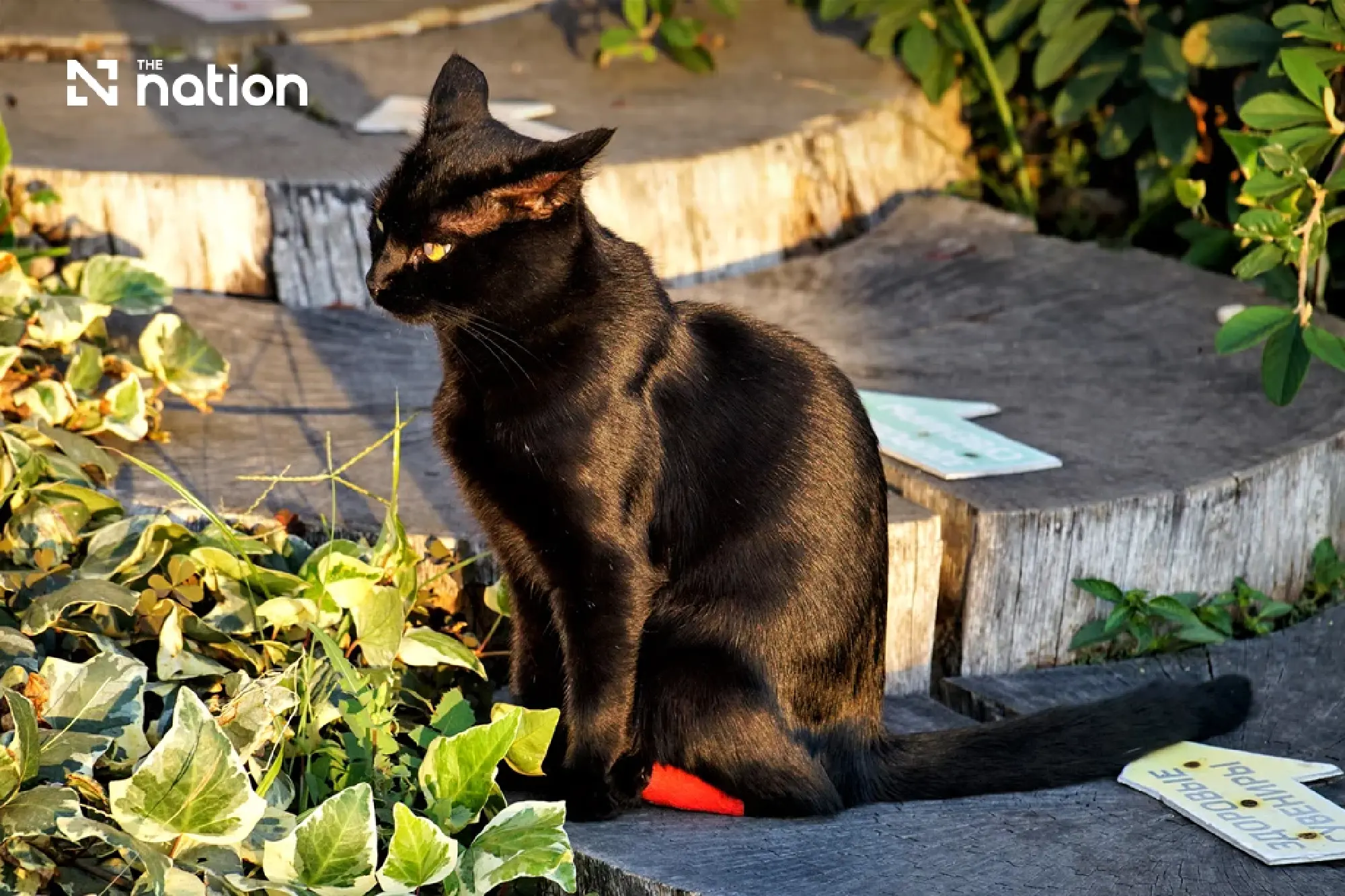
Foods and substances owners should keep away from cats
Several foods and substances that cat owners should avoid giving to their pets include paracetamol, chocolate, onions and garlic, grapes and raisins, raw eggs, raw potatoes and certain other raw vegetables, fish bones and other bones, and excessive liver. Cow's milk and dairy products may also cause digestive problems in cats that cannot tolerate lactose, while raw fish carries contamination and parasite risks.
Owners are advised to pay attention to changes in a cat's behaviour and diet and seek veterinary advice when signs of illness or persistent behavioural changes appear.