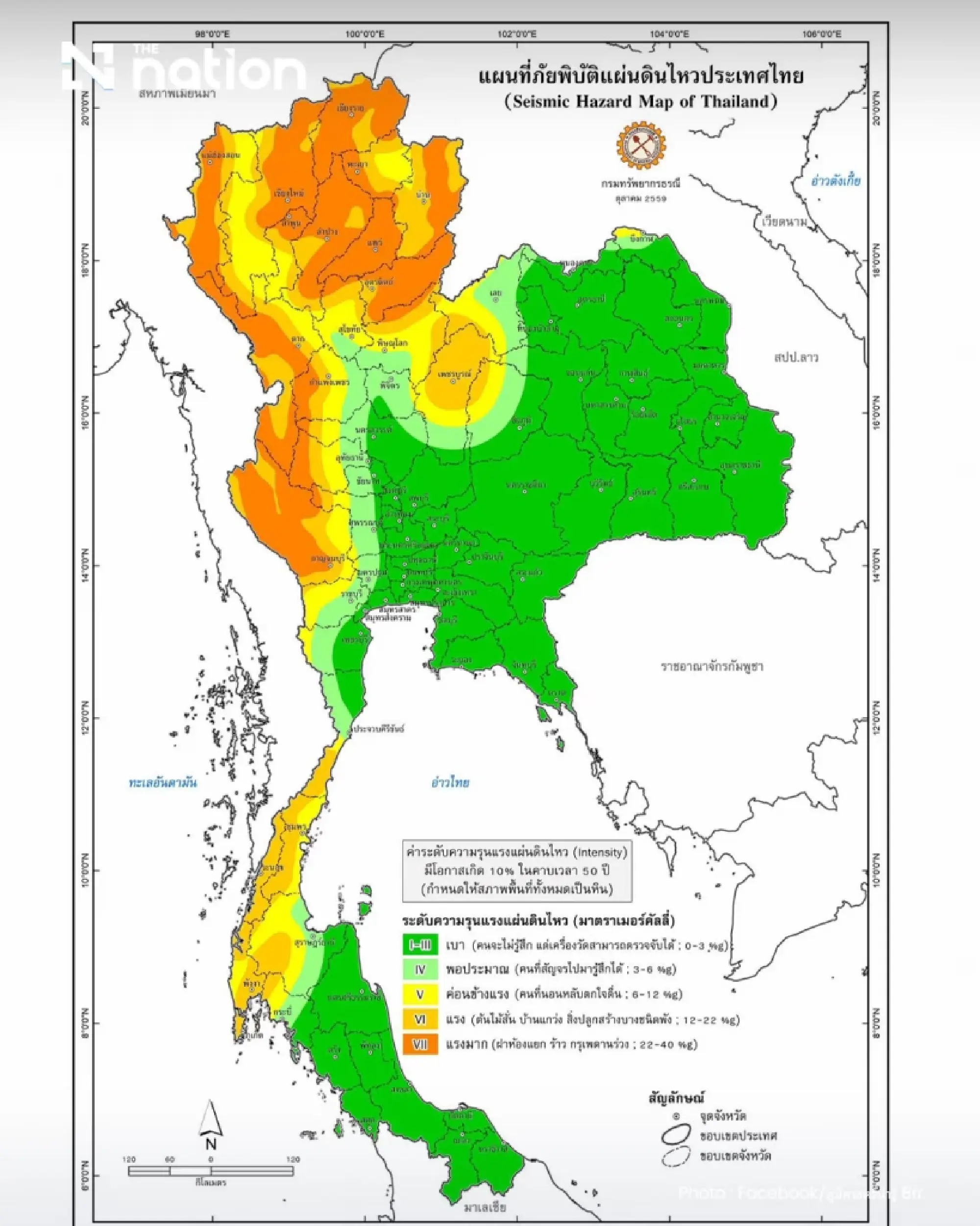
Thailand maps 16 active fault groups and prepares quake alerts
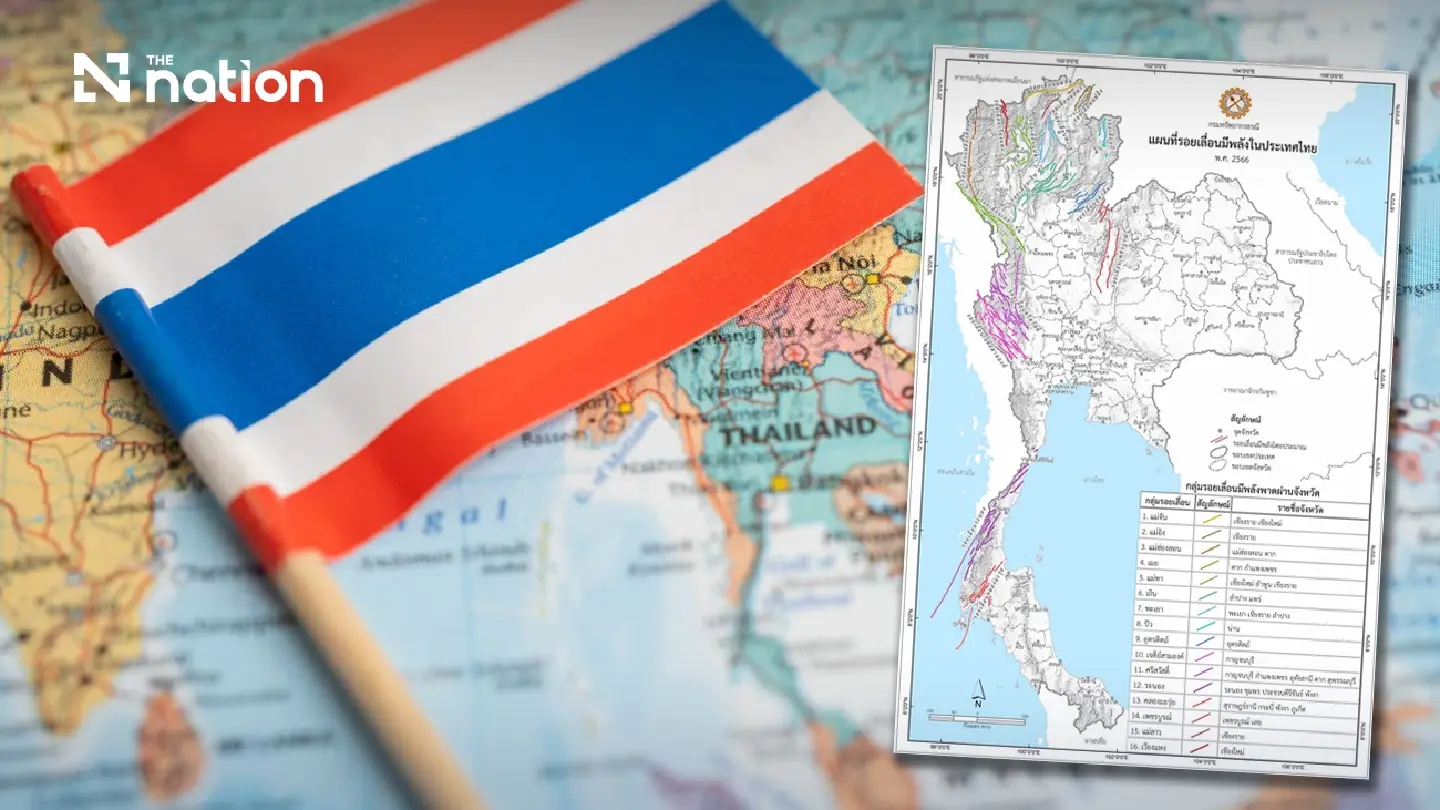


Thailand will issue Cell Broadcast earthquake alerts under new magnitude thresholds while monitoring 16 active fault groups nationwide.
Thailand is strengthening its earthquake monitoring and warning system, with authorities preparing to send urgent Cell Broadcast alerts directly to mobile phones when tremors reach levels that could affect the public.
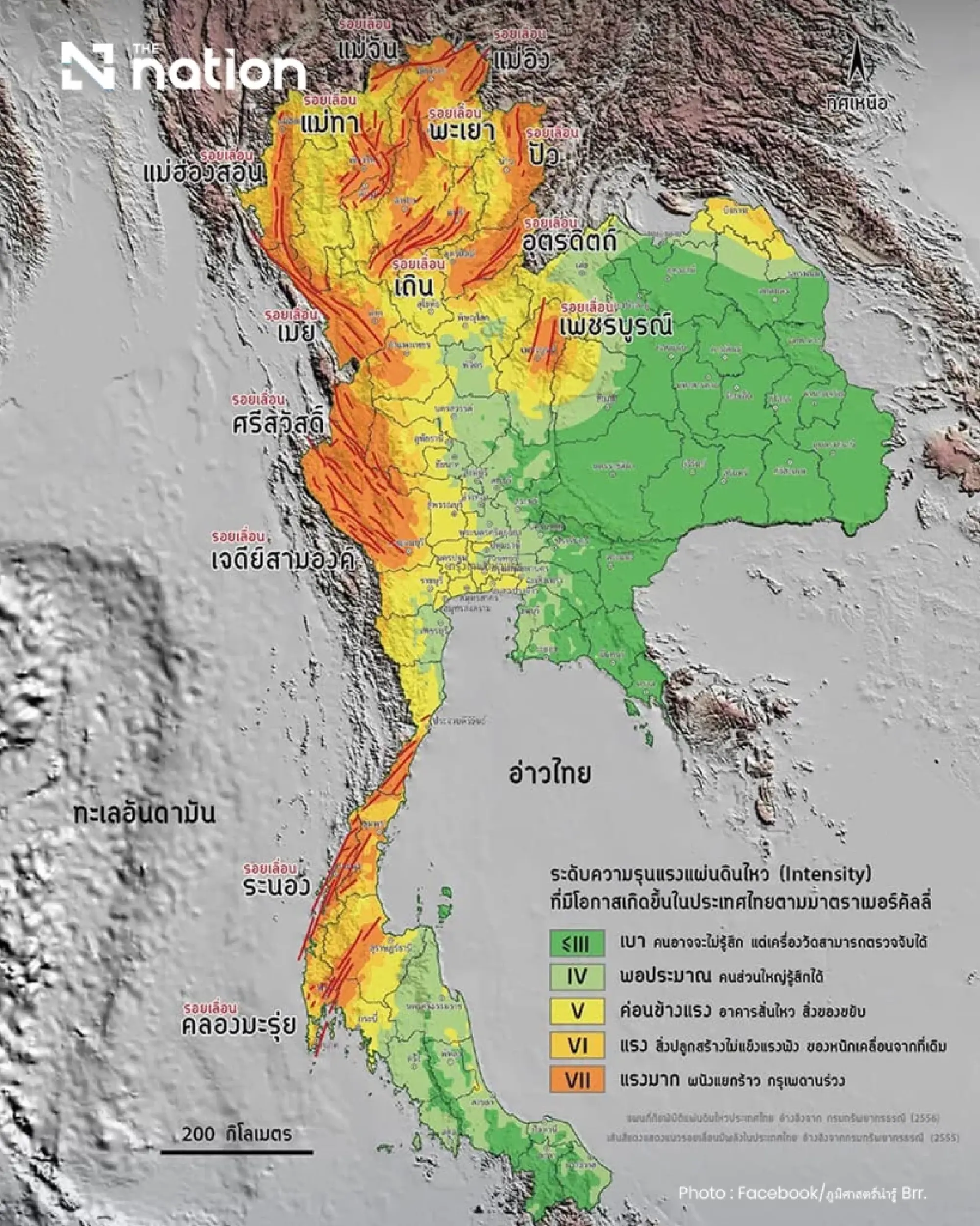
The Department of Disaster Prevention and Mitigation (DDPM) is working with the Thai Meteorological Department and the Department of Mineral Resources to improve surveillance of 16 active fault groups across the country.
Under the system, the Thai Meteorological Department will issue the first Cell Broadcast notification when an earthquake meets the specified magnitude and location thresholds. The DDPM will then send a follow-up message containing safety advice and instructions for the public.
Magnitude thresholds for earthquake alerts
Immediate notifications will be issued in the following circumstances:
- An onshore earthquake in Thailand with a magnitude of 4.0 or higher
- An earthquake in the ASEAN region with a magnitude of 6.0 or higher
- An earthquake in the Andaman Sea with a magnitude of 7.0 or higher
- An earthquake with a magnitude of 7.6 or higher at a depth of less than 100 kilometres, creating a potential tsunami risk
The system is intended to give people more time to respond safely and follow official instructions when an earthquake may have a significant impact.
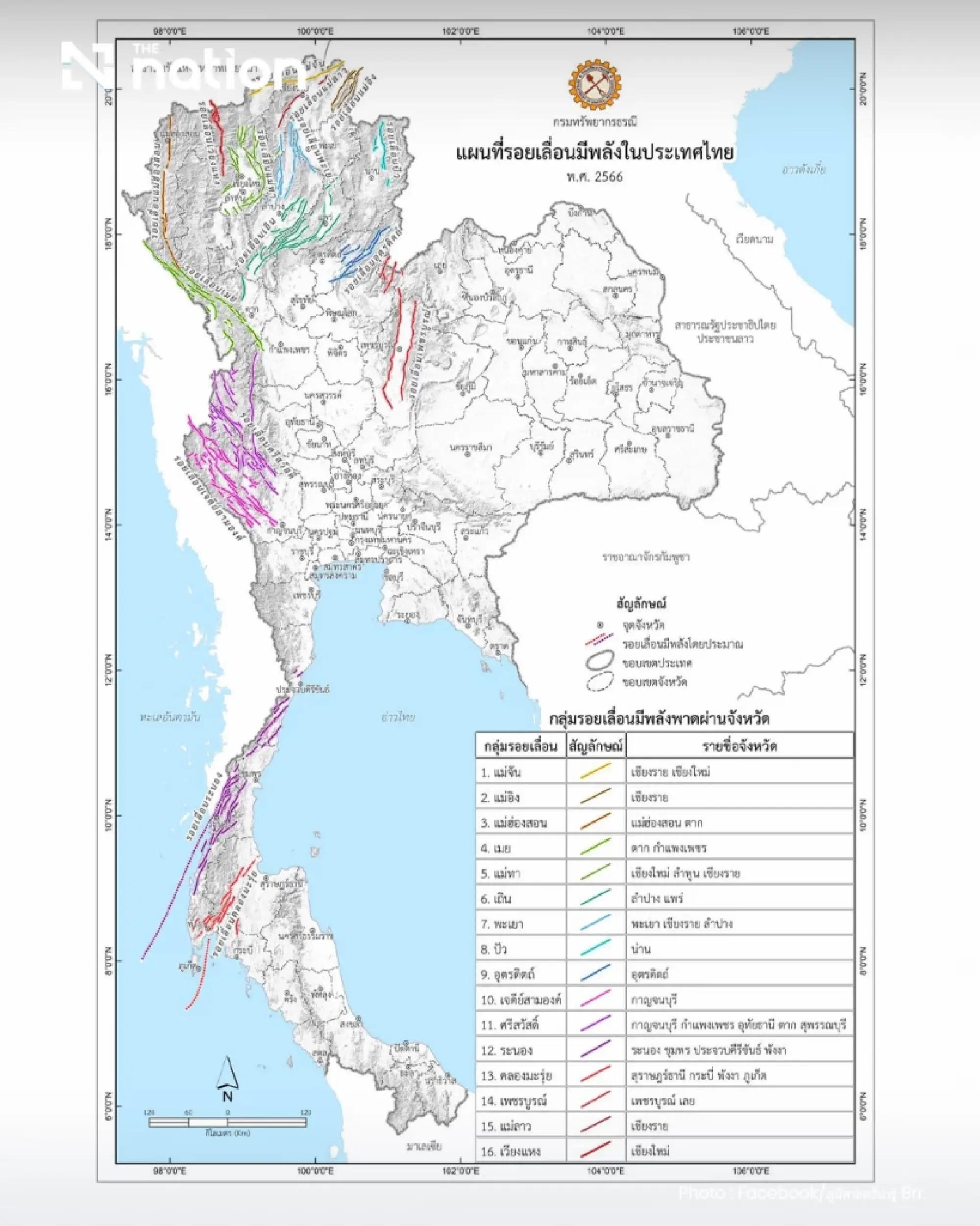
Thailand’s 16 active fault groups
The DDPM identified 16 active fault groups with the potential to generate earthquakes:
- Mae Chan Fault Group: Chiang Rai and Chiang Mai
- Mae Ing Fault Group: Chiang Rai
- Mae Hong Son Fault Group: Mae Hong Son and Tak
- Moei Fault Group: Tak and Kamphaeng Phet
- Mae Tha Fault Group: Chiang Mai, Lamphun and Chiang Rai
- Thoen Fault Group: Lampang and Phrae
- Phayao Fault Group: Phayao, Chiang Rai and Lampang
- Pua Fault Group: Nan
- Uttaradit Fault Group: Uttaradit
- Three Pagodas Fault Group: Kanchanaburi
- Si Sawat Fault Group: Kanchanaburi, Suphan Buri, Uthai Thani and Tak
- Ranong Fault Group: Ranong, Chumphon, Prachuap Khiri Khan and Phang Nga
- Khlong Marui Fault Group: Surat Thani, Krabi, Phang Nga and Phuket
- Phetchabun Fault Group: Phetchabun and Loei
- Mae Lao Fault Group: Chiang Rai
- Wiang Haen Fault Group: Chiang Mai
Authorities said most earthquakes generated by fault groups in Thailand are relatively small and have not affected infrastructure.
Thailand has installed 111 earthquake-monitoring stations, 55 ground-acceleration monitoring stations and 19 crustal-movement monitoring stations nationwide.
The network operates around the clock to detect seismic activity, assess potential effects and support rapid public warnings.