
Thailand plans auto tax overhaul after Indonesia’s Toyota bid
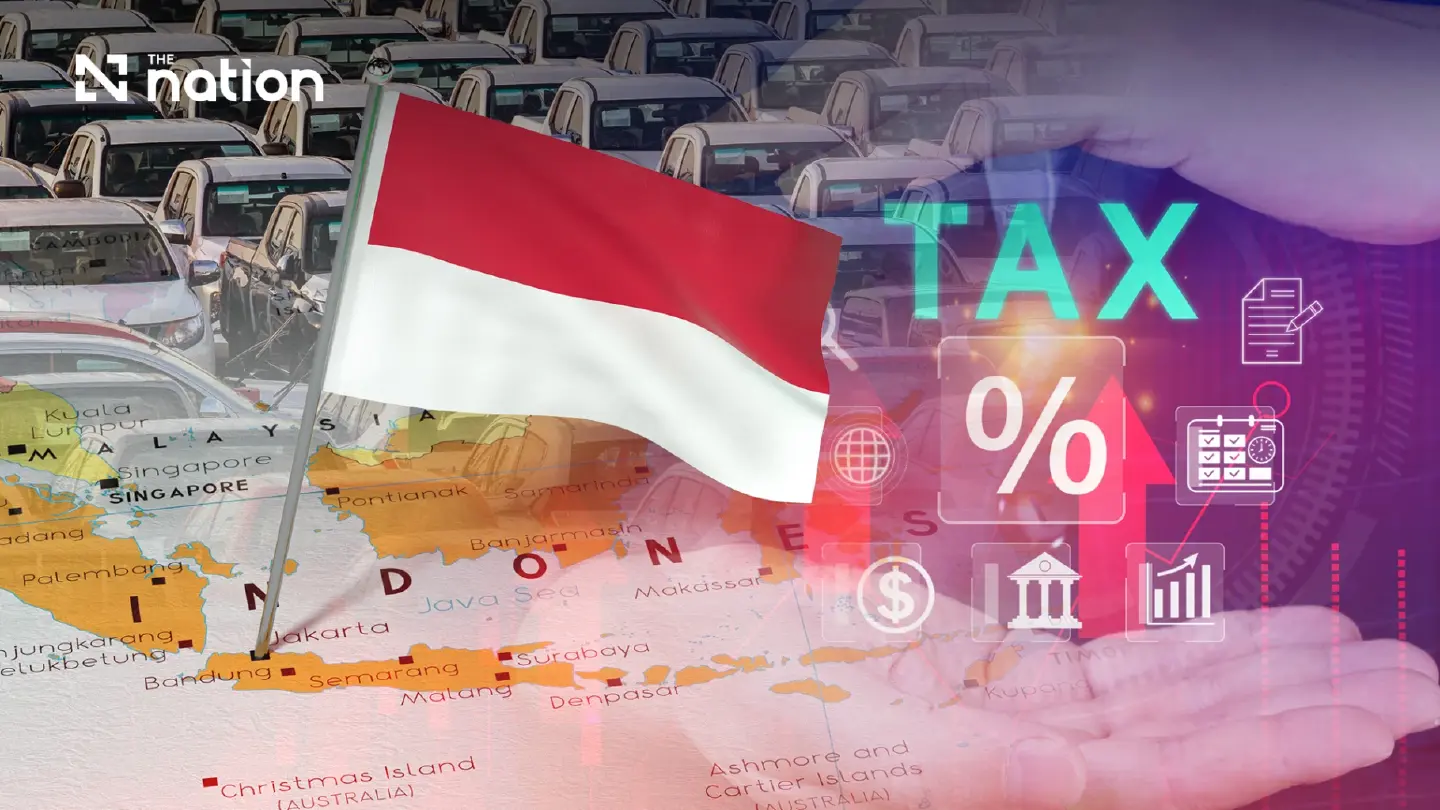


The Finance Ministry aims to complete new excise rules by September, offering lower rates to carmakers that invest and source parts locally
- Thailand plans to restructure its automotive excise tax, lowering rates for vehicles produced domestically while increasing them for fully imported cars from companies without local manufacturing investment.
- This tax overhaul is a direct response to an attempt by Indonesia to persuade Toyota to relocate its production facilities from Thailand, raising concerns about competition from neighboring countries.
- The new policy aims to incentivize carmakers to invest in Thai production facilities, use local components, and produce vehicles for export.
- The government intends to finalize the new tax structure by September and implement the new rules before the end of 2026.
Thailand plans to restructure automotive excise taxes by offering lower rates for vehicles produced domestically and charging more on fully built imports from companies without manufacturing investment in the country.
Deputy Prime Minister and Finance Minister Ekniti Nitithanprapas described the reform as urgent and instructed senior officials to complete the new structure by September.
The ministry aims to bring the rules into force before the end of 2026.
The proposal follows an attempt by Indonesian Finance Minister Purbaya Yudhi Sadewa to persuade Toyota to relocate production from Thailand to Indonesia.
Purbaya offered the Japanese carmaker incentives and other requested conditions if it established a factory there, following Hyundai’s earlier investment in the country.
Ekniti acknowledged concerns among carmakers operating in Thailand that tax disparities could encourage manufacturers to move production to neighbouring countries.
Vehicles imported from some free trade agreement partners receive lower customs-duty rates, which he argued placed manufacturers with Thai production bases at a disadvantage.
“Some groups of countries benefit from lower customs duties under FTAs, and this has become a constraint on domestic industrial development,” he said.
Thailand cannot simply increase customs duties on fully built vehicles from FTA partners to create a tariff barrier similar to measures used by the United States.
The Finance Ministry therefore intends to use excise tax as its principal mechanism for addressing the disparity.
Lower rates tied to local investment
The proposed structure would offer lower excise rates to established and new carmakers investing in production facilities in Thailand.
The incentives would cover internal combustion engine vehicles, plug-in hybrid electric vehicles and battery electric vehicles.
Carmakers would be required to make genuine factory investments, use domestically produced raw materials or components and begin producing vehicles for export.
Companies importing fully assembled vehicles without investing in Thai manufacturing facilities would face higher excise rates.
The government wants to prevent domestic manufacturers from being disadvantaged and encourage automotive companies to commit capital to local production.
The Finance Ministry has been reviewing vehicle excise rates to give manufacturers investing in Thailand an advantage over businesses relying solely on imports.
Ekniti argued that the restructuring could also increase government revenue because consumers choosing imported vehicles would pay higher taxes, while locally produced cars would retain lower rates.
“Anyone who wants to use an imported car will face a higher tax, while taxes on vehicles made domestically are already very low,” he said.
“This would kill several birds with one stone by supporting domestic production and employment.”
Ekniti has assigned Finance Ministry permanent secretary Lavaron Sangsnit and Excise Department director-general Pornchai Theeravet to complete the work by September.
The changes would be introduced through a ministerial regulation specifying excise tariff rates under the Excise Tax Act.
The regulation could be issued and brought into force within 2026 without requiring parliamentary approval.
Australia and New Zealand targeted as export markets
Ekniti is scheduled to accompany Prime Minister Anutin Charnvirakul on an official visit to Australia and New Zealand beginning on August 17.
The government intends to use the visit to seek further opportunities for Thai automotive exports and expand the benefits available under Thailand’s free trade agreements with the two countries.
Ekniti said attracting investment on the supply side would not be sufficient to manage the transition from internal combustion engine vehicles to electric vehicles.
Thailand must also strengthen demand by securing overseas markets for vehicles produced domestically.
Some electric vehicle manufacturers have already begun producing vehicles in Thailand for export to Australia and New Zealand, with further shipments anticipated as production expands.
