
EECO lays out four priorities for Thailand’s investment race



Thailand’s EECO says suitable land, reliable utilities, skilled workers and stable rules are essential to secure global investment.
Thailand must secure industry-specific land, reliable water and electricity, an industry-ready workforce and predictable regulations if it is to attract global capital and modernise its industrial base, according to the Eastern Economic Corridor Office (EECO).
Chula Sukmanop, secretary-general of the EECO, identified the four factors as the main pillars of Thailand’s investment strategy during the KT Dialogue New Horizon: Thailand Investment Playbook seminar.
He described the current state of Thai industry as highly concerning, saying the sector was undergoing a transition towards new forms of economic activity that were more technologically advanced, sustainable and environmentally responsible.
The urgency is particularly acute in data centres and artificial intelligence. Chula estimated that Thailand had no more than two to three years to secure a meaningful share of the current investment cycle.
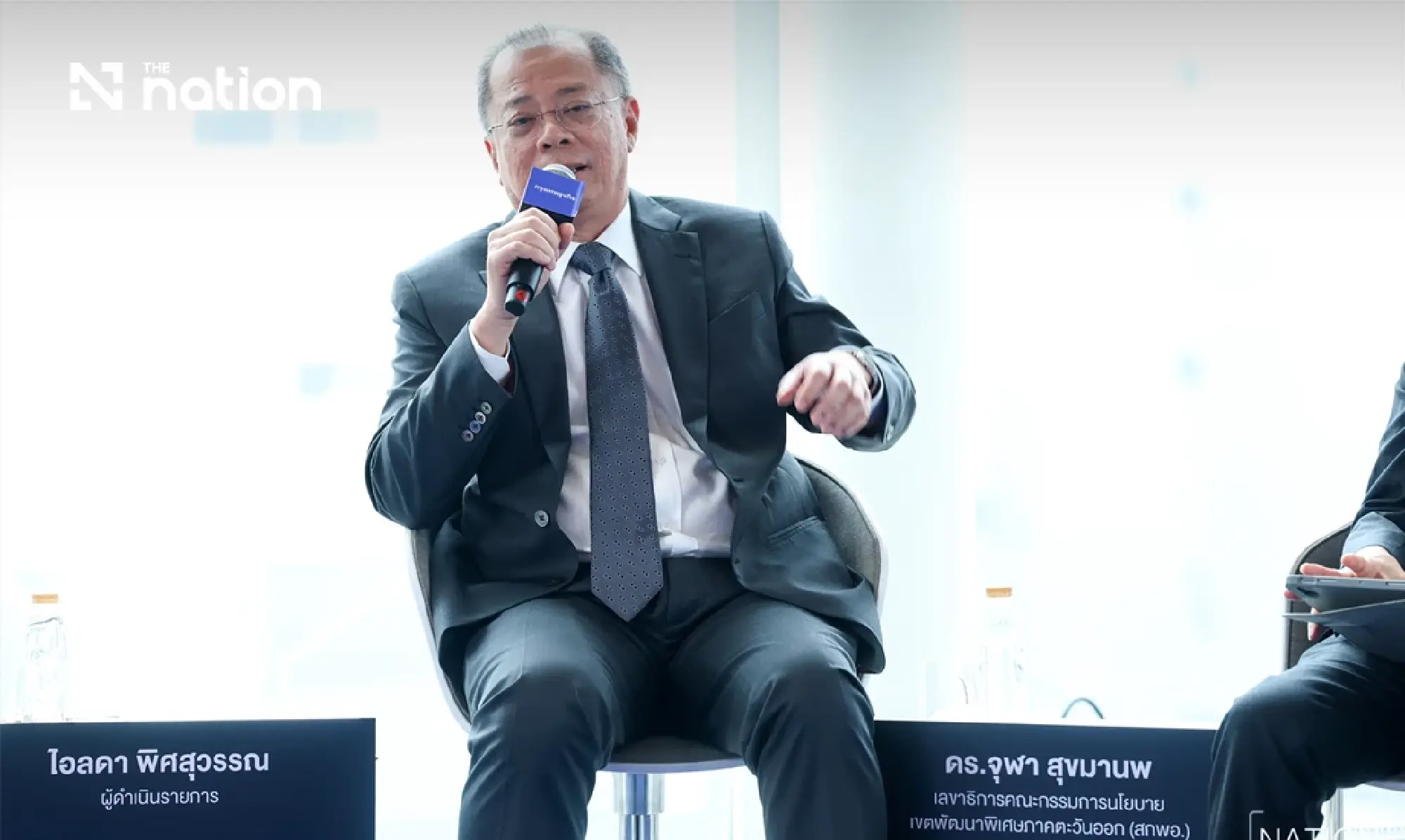
Failure to capture the opportunity during that period could cause projects to move to competing countries and leave Thailand permanently outside the next stage of regional digital investment, he warned.
Suitable land must match each industry
The first factor is the availability of land suited to the operational requirements of individual industries.
Chula said the investment model had shifted away from simply offering large plots inside traditional industrial estates. Modern investors increasingly want locations where companies belonging to the same supply chain can operate together.
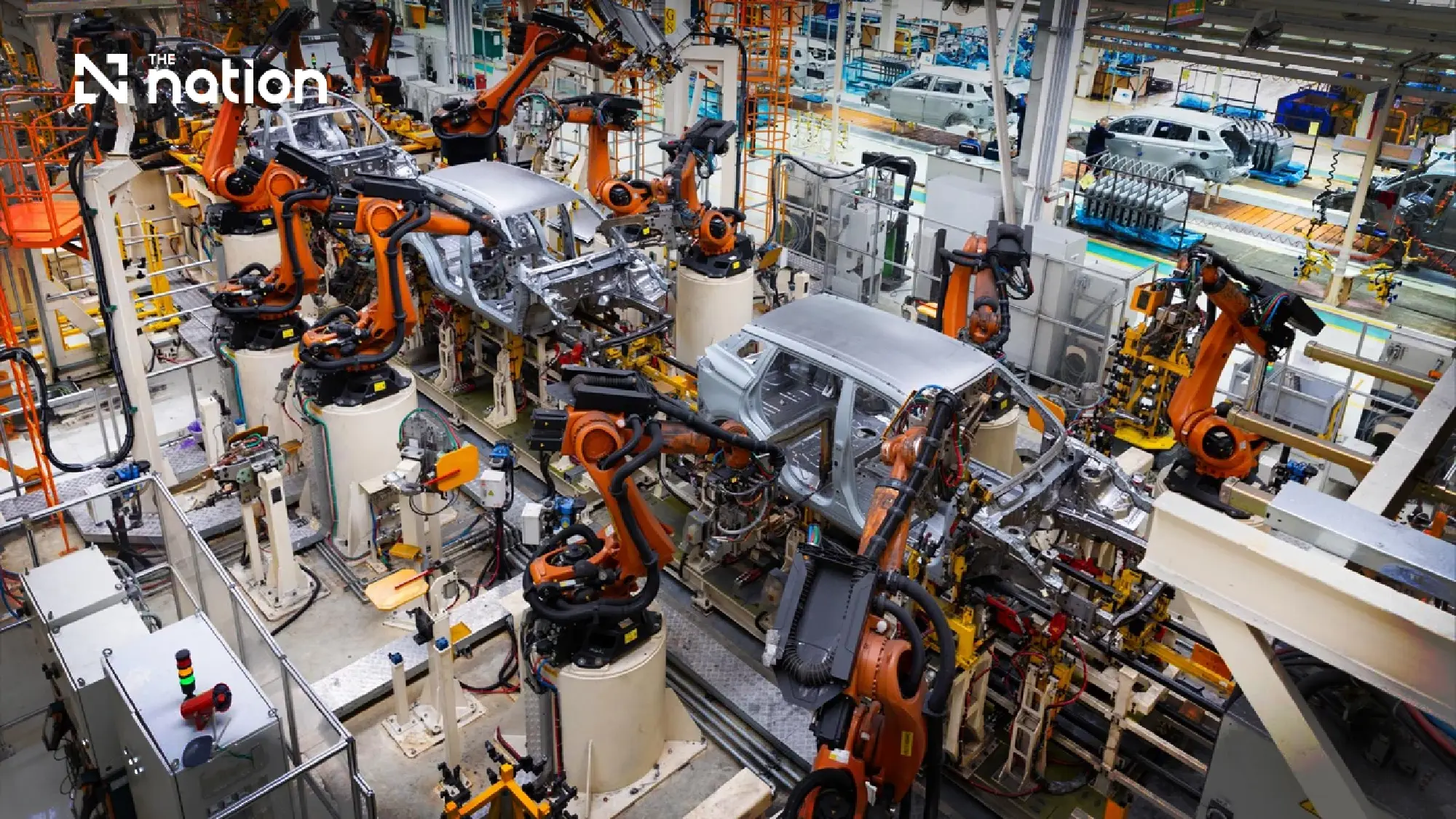
The EEC Office is therefore developing investment areas around industry clusters, enabling manufacturers, service providers and other connected businesses to establish operations near one another.
Around 20 additional investment-promotion zones have been approved over the past two years, with many designed to accommodate green industries and green-logistics businesses.
The EEC is also identifying potential locations for major data-centre projects. Priority sites would need to be close to electricity transmission lines, have access to reliable water supplies and be capable of supporting high levels of power demand.
Location requirements differ by industry. Some businesses depend heavily on water and electricity, while others need to be near ports to facilitate imports of raw materials and exports of finished goods.
Chula said preparing sites around these specific requirements would help shorten the period between an investor’s initial interest and the start of actual operations.
Water and clean power become investment priorities
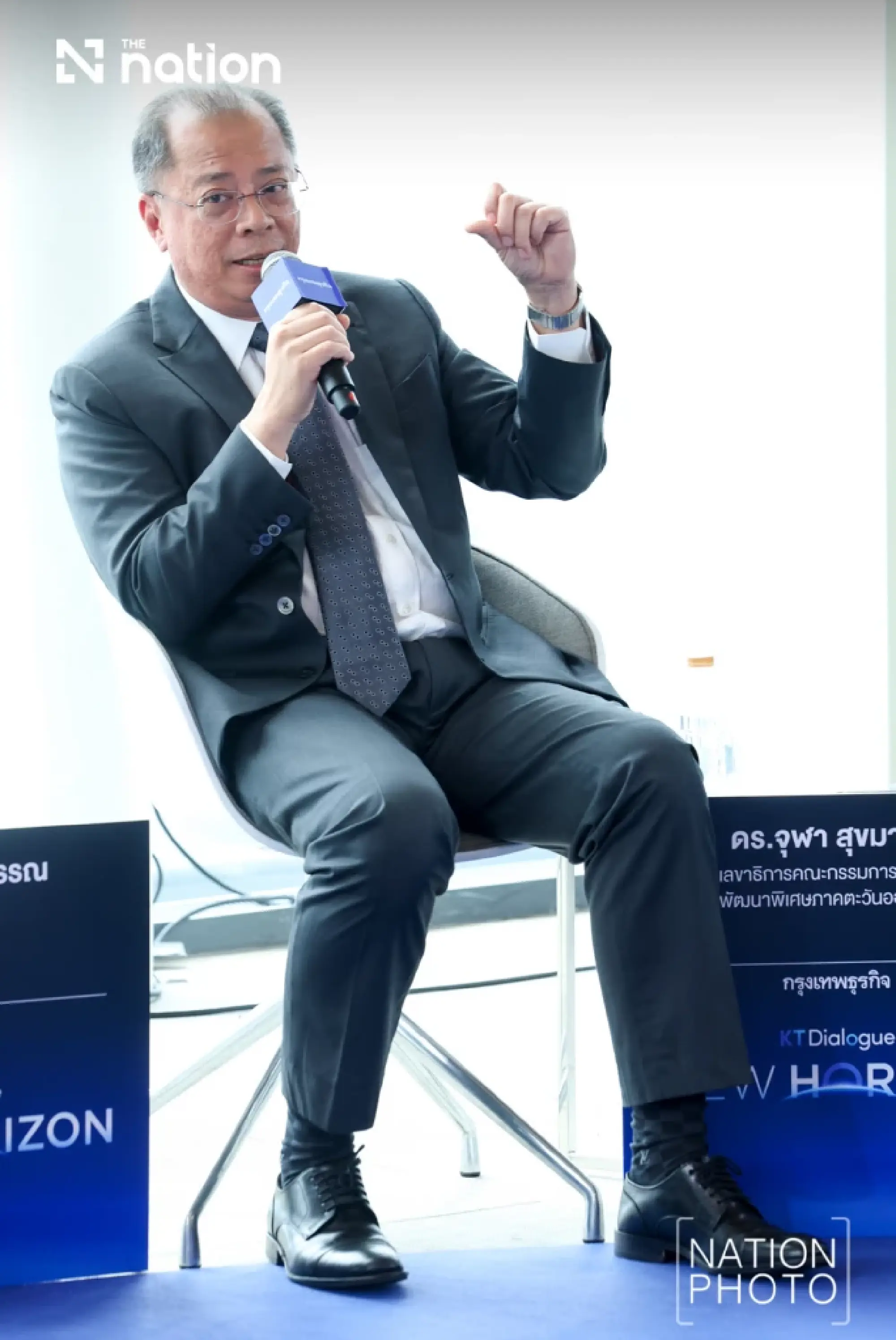
Infrastructure and utilities form the second pillar of the strategy.
The EEC Office expects some of Thailand’s largest investments over the next one to two years to be made in energy and utility systems as the country prepares for a broad green transition.
New industries increasingly depend on automation, electricity and advanced technology while requiring fewer workers in their production processes. This has made adequate power and water supplies critical to investment decisions.
Chula said water and electricity had been raised more frequently than any other subject during the EEC Office’s discussions with investors over the previous two to three months.
The issues are particularly important for foreign direct investment in digital businesses, data centres and AI, all of which require large and dependable utility supplies.
“If Thailand can manage clean energy and water effectively, these utilities will become an infrastructure platform supporting both investment and future living,” Chula said.
He compared infrastructure development to building a stadium, arguing that the objective was not simply to create a physical facility but to provide a platform on which businesses, technology and supporting activities could develop.
Skills and regulatory reform complete the strategy
Workforce readiness is the third factor.
Chula said Thailand needed personnel with the skills required by modern target industries, describing human resources as an indispensable part of the investment ecosystem alongside land and infrastructure.
Regulatory reform is the fourth factor and, in his assessment, the most important accelerator of investment.
Rules must allow investors to establish facilities and begin operating quickly, rather than creating uncertainty or delaying capital expenditure after projects have already been planned.
The need for policy consistency was highlighted during an EEC visit to Singapore two weeks before the seminar, when foreign investors directly challenged Thai officials over changes to regulations and government policy.
“I was asked a very tough question by investors: what exactly is Thailand going to do? Is Thailand misleading investors?” Chula said.
“They said Thailand invites them to invest, but when they are preparing to make an actual investment, the rules and policies are changed.”
Chula described data centres and AI as “Olympic-level industries” operating within a global investment network dominated by a relatively small number of major companies and leading users.
Timing, clear government direction and continuity of policy support were therefore critical to maintaining confidence among investors with multiple countries competing for the same projects.
Five clusters guide EEC supply-chain development
Although EEC legislation covers 12 targeted industries, the EEC Office has grouped them into five broader clusters to manage their supply chains more effectively:
- Medical and health
- Digital
- Modern automotive
- Bio-Circular-Green economy
- Services
Chula said the services cluster was particularly important because service-sector projects accounted for a large share of investment value.
The cluster model is also intended to create links between industries. Digital businesses and modern automotive manufacturers, for example, could share technologies, services and other parts of their respective supply chains.
Chula argued that attracting foreign direct investment alone would not produce the economic transformation Thailand needed. The country must also build the connected suppliers, infrastructure and services required by each target industry.
The EEC was established to “repair and build” parts of the economy, he said, combining modern economic activity with sustainability and environmental responsibility.
Without securing essential parts of a supply chain first, Thailand would struggle to attract the leading global companies positioned at the top of that industry.
