
Independent candidates tipped to lead Bangkok council race in Thailand



Independent candidates are tipped to lead the Bangkok Metropolitan Council race as low turnout and strong local vote bases threaten momentum-driven parties.
- Independent candidates are expected to perform well in the Bangkok council election due to anticipated low voter turnout, which favors those with strong, organized local vote bases over candidates relying on national political momentum.
- A recent Suan Dusit Poll shows independent candidates leading with 35.39% of support, ahead of major political parties like the People’s Party (28.88%) and Pheu Thai (10.55%).
- Political analysts predict that various independent groups could collectively win around 20 seats, potentially making them the largest single bloc in the Bangkok Metropolitan Council.
Independent candidates are expected to perform strongly in the Bangkok Metropolitan Council (BMC) election on June 28, 2026, as low turnout could favour candidates with strong organised vote bases.
Political observers believe the race across Bangkok’s 50 districts will be shaped less by national political sentiment and more by local networks. Unlike general elections, local polls have not generated the same level of enthusiasm among Bangkok voters.
Bangkokbiznews reported that turnout in the BMC election on May 22, 2022, stood at 60.48%, while the Bangkok governor election held on the same day drew 60.73%.
That level of turnout tends to benefit established local figures, especially former BMC members and long-time district candidates. Voters in condominiums and housing estates are also harder to mobilise in large numbers, making organised local support even more important.
Some BMC candidates are concerned about the People’s Party’s strong “orange wave” in the February 8, 2026 general election, when the party swept Bangkok. Some are even hoping for heavy rain on polling day, believing that lower turnout would allow organised vote bases to outperform broader political momentum.
This situation has pushed some parties, especially Pheu Thai, which has yet to fully recover from the national election, to campaign heavily online. The party hopes to reach voters beyond communities, alleyways, flats and housing estates where candidates already have direct access.

Organised votes may decide the BMC race
Asst Prof Dr Suvicha Pouaree, director of Nida Poll at the National Institute of Development Administration (NIDA), believes BMC candidates with strong organised vote bases have a high chance of winning.
He noted that parties relying mainly on political momentum, particularly the People’s Party and the Democrat Party, could face heavy vote-splitting pressure.
“Nida Poll is still collecting survey data, but judging from some other polls, independent groups currently have an advantage,” Suvicha explained.
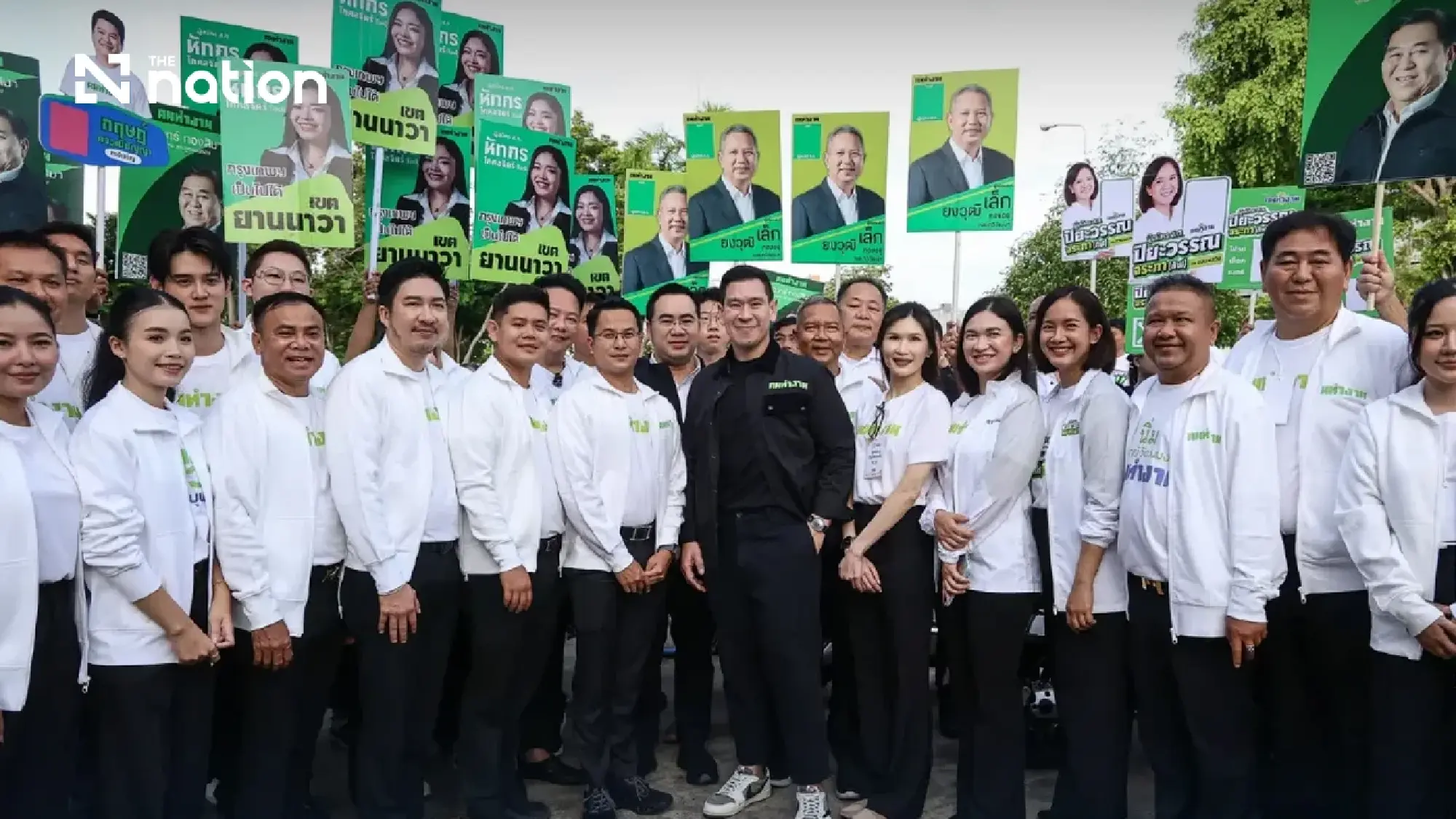
He identified these groups as the Khon Tham Ngan group, Pheu Thai-linked candidates and independents who are not formally attached to any party.
However, Suvicha questioned how independent some independent candidates really are. He cited his home district of Saphan Sung, where there are no fully independent candidates. The race there includes the People’s Party, the Democrat Party, the Economic Party and the Khon Tham Ngan group.
He noted that many voters know the Khon Tham Ngan group is linked to Torsak Chotimongkol, former chairman of the Bangkok governor’s advisory team.
“I still believe BMC candidates with organised votes have a very strong advantage. In Saphan Sung, former BMC members from the Khon Tham Ngan group who were previously with Pheu Thai certainly have a stronger vote base than other candidates,” he added.
Suan Dusit poll points to independent lead
The latest Suan Dusit Poll, released on June 14, 2026, surveyed 2,029 respondents on the Bangkok governor and BMC elections.
For the BMC race, independent candidates came first with 35.39%, followed by the People’s Party at 28.88%, Pheu Thai at 10.55%, the Democrat Party at 9.96%, Bhumjaithai at 1.58% and other candidates at 1.12%. Another 12.52% of respondents were undecided.
Based on these figures, Suvicha assessed that if turnout remains low, candidates with strong organised votes will gain an immediate advantage. Several candidates who previously belonged to Pheu Thai or the Democrat Party, but are now running as independents, still have strong local support.
“Independent candidates, including the Khon Tham Ngan group and other independent groups, will split the vote heavily. Combined, they will certainly come first,” Suvicha observed.
He added that Pheu Thai’s low polling score should be viewed in context, as the party is fielding BMC candidates in only 14 districts.
“Although its survey figure is not high, when measured against just over 10 districts, most of its candidates could become BMC members,” he noted.
The Khon Tham Ngan group is fielding candidates in 33 districts, including some former Pheu Thai BMC members who are running again. The group has avoided some districts where it has no candidate or where it does not want to compete directly with certain parties.
Suvicha estimated that former BMC members under the group have a strong chance of winning in more than 10 districts, possibly putting its result close to Pheu Thai’s.
The People’s Party, which relies more on political momentum than organised local networks, could face a tougher race. Analysts believe both the People’s Party and the Democrat Party may suffer from vote splitting, despite fielding candidates in all 50 districts.
The key factor is turnout. If fewer voters go to the polls, momentum-based campaigns may struggle to beat candidates with well-established local networks.
Independents tipped to become largest bloc
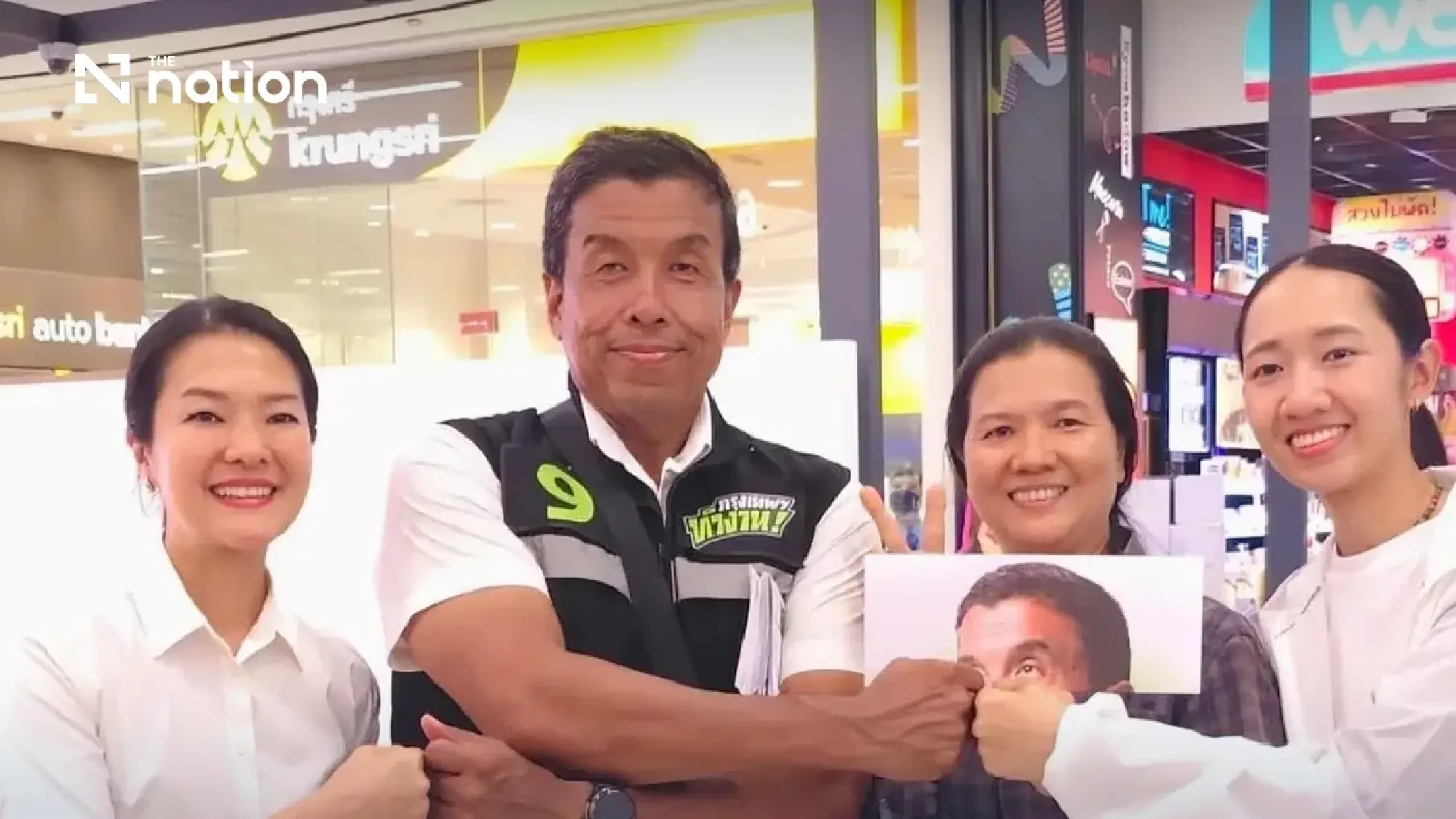
Suvicha predicted that various independent groups could collectively win around 20 BMC seats, making them the largest bloc.
The People’s Party could win close to 20 seats at best, but he does not expect it to finish first.
In the Bangkok governor race, former governor Chadchart Sittipunt is seen as having strong momentum and a high chance of winning. The race for second place is expected to be between Dr Chaiwat Sathawornwichit of the People’s Party and independent candidate Mallika Boonmeetrakool Mahasook.
Mallika’s unexpected rise appears to have been driven partly by conservative Bangkok voters, whose support has lifted her above Anucha Burapachaisri of the Democrat Party.

Unlike a general election, the local contest has not attracted the same level of public enthusiasm. This has put the orange camp of the People’s Party and the blue camp of Democrat Party in a difficult position, as both rely on broader political sentiment while independent factions work to cut into their vote in several districts.
If momentum-driven parties continue to rely mainly on online campaigning, they risk being outmanoeuvred by candidates and former BMC members with deep experience in organised local election networks.
With just over 10 days left before polling day, the result will show whether independent factions, political parties or other groups can capture the majority in the Bangkok Metropolitan Council.
