
Why pink? The strategy behind PUMA’s World Cup football boot trend
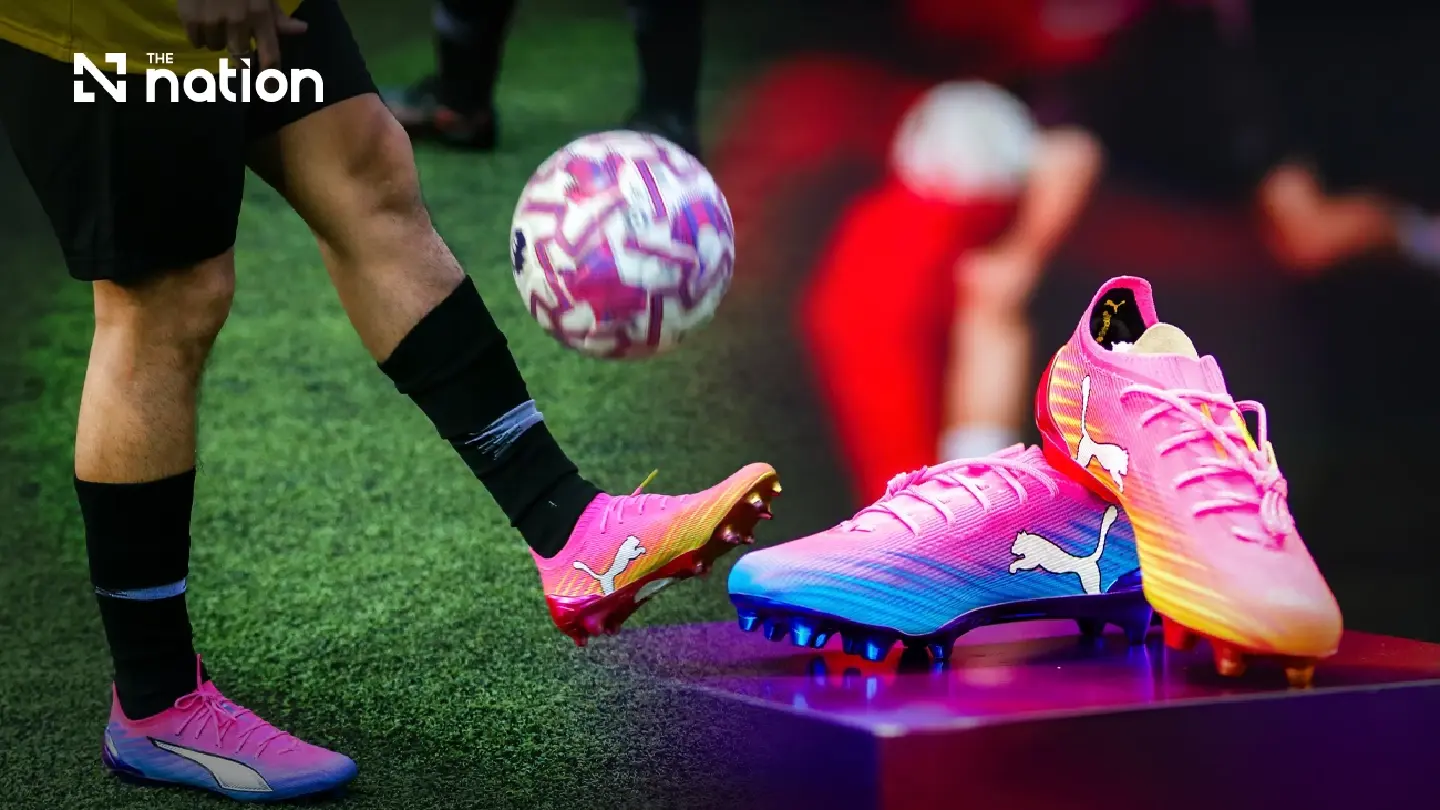


Pink football boots dominated the 2026 World Cup, with PUMA’s FUTURE 9 and ULTRA 6 showing how fashion, psychology and performance technology now shape the modern game.
- The widespread use of pink was a calculated strategy based on global trend-forecasting and AI data analysis, which predicted the color would be a defining shade for 2026.
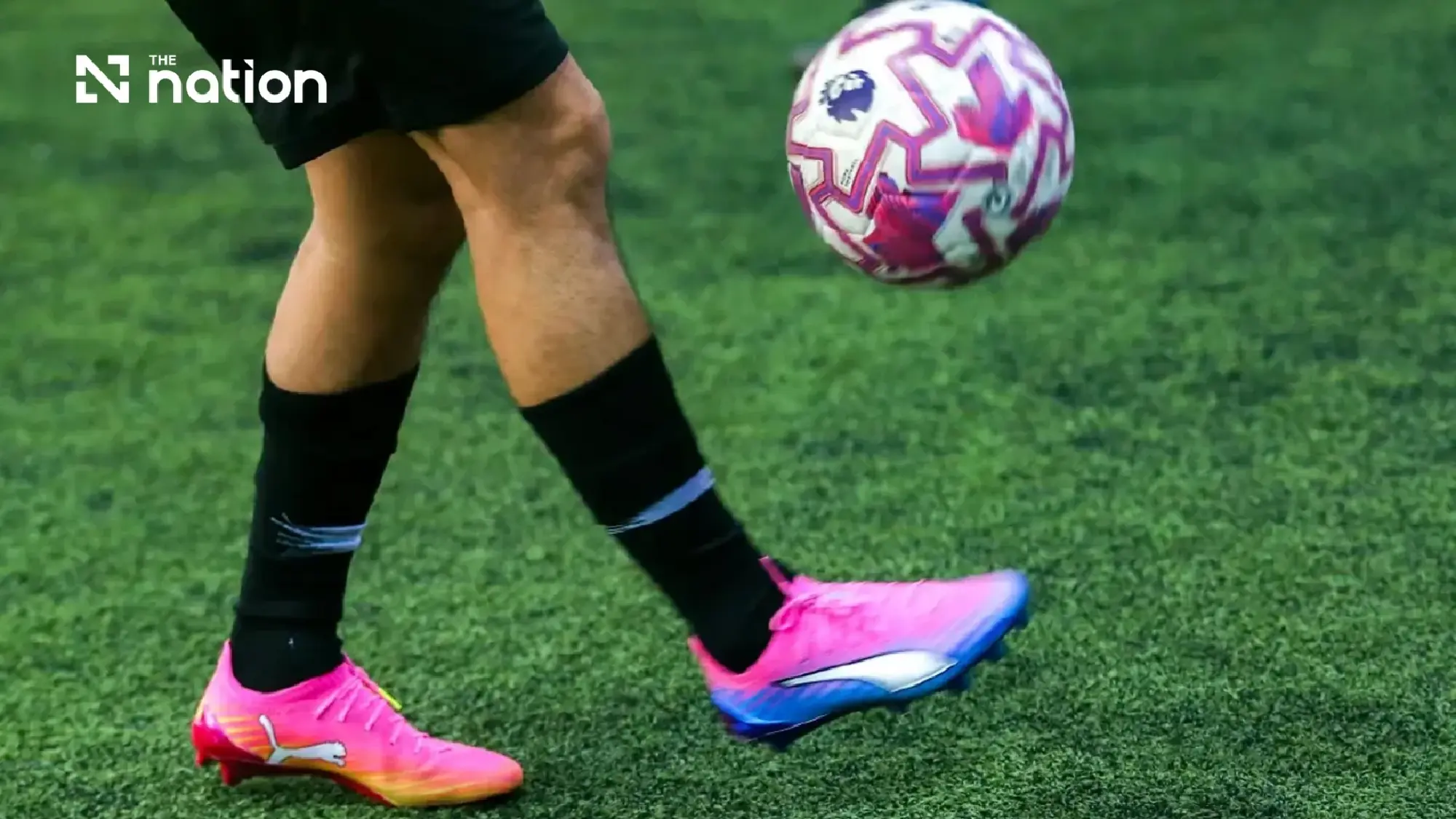
- Pink creates a strong visual contrast against the green football pitch, making the boots highly visible and instantly recognizable on smartphone screens where fans consume short video clips.
- In modern men's football, the color has been elevated to a symbol of extreme confidence, with players wearing it to declare their ability to handle pressure on a global stage.
- PUMA participated in this trend with its FUTURE 9 and ULTRA 6 models, applying the market-driven color strategy to its performance-engineered boots designed for different player types.
The 2026 FIFA World Cup has now come to an end. But for anyone watching closely throughout the tournament, one thing stood out almost as much as the tactics of the game’s biggest stars: the wave of pink football boots worn across the pitch.
Major sports brands around the world seemed to push pink-toned boots into the tournament almost in unison. Hidden beneath this bold visual trend is a bigger question: why did every brand appear to surrender to this colour, and why did a giant like PUMA step into the pink arena with the PUMA FUTURE 9 and PUMA ULTRA 6, both worn by a notable share of players at the 2026 World Cup?
No such thing as coincidence
In global business, coincidence rarely exists.
Behind this shared colour direction is the result of close work between the sports industry and global trend-forecasting institutions. Developing a flagship football boot can take nearly two years of research and development. Leading brands now rely on large databases analysed by AI, drawing on millions of social-media behaviour records and decades of fashion runway history.
When trend data from multiple sources pointed in the same direction — that a bright pinkish-purple shade would become one of the defining colours of 2026 — brands did not hesitate to invest heavily in that colour story.
The result was a powerful visual mechanism that blurred the lines between rival brands under one of the year’s most influential shades.
The psychology of the smartphone screen
Today, football fans consume much of the game through short video clips on smartphone screens. That means the colour of sporting equipment must work within a fraction of a second.
According to colour theory, bright pink creates one of the strongest contrasts against the green of the football pitch. It attracts the eye instantly and creates recognition without relying on oversized logos.
Attitudes in men’s football have also changed. Pink is no longer seen only as a soft fashion colour. It has been elevated into a symbol of extreme confidence.
When professional footballers choose to wear pink boots on the world stage, they are quietly declaring that their ability is strong enough to absorb pressure and challenge every pair of eyes fixed on them.
PUMA’s two pink choices
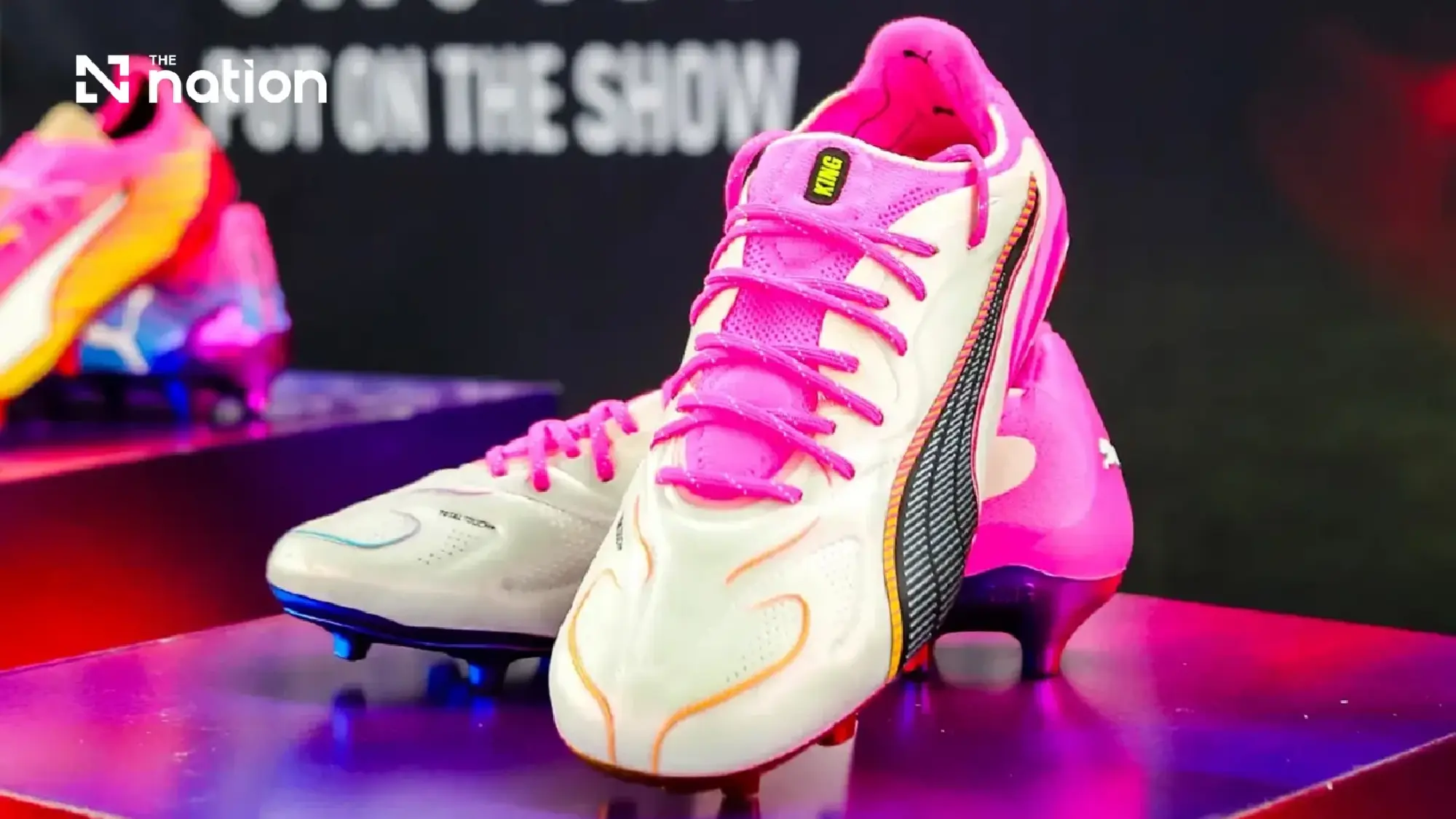
Amid the flood of pink boots at this year’s World Cup, PUMA chose to make its latest collection stand out on the pitch.
Leading the line was the PUMA FUTURE 9, designed for playmakers.
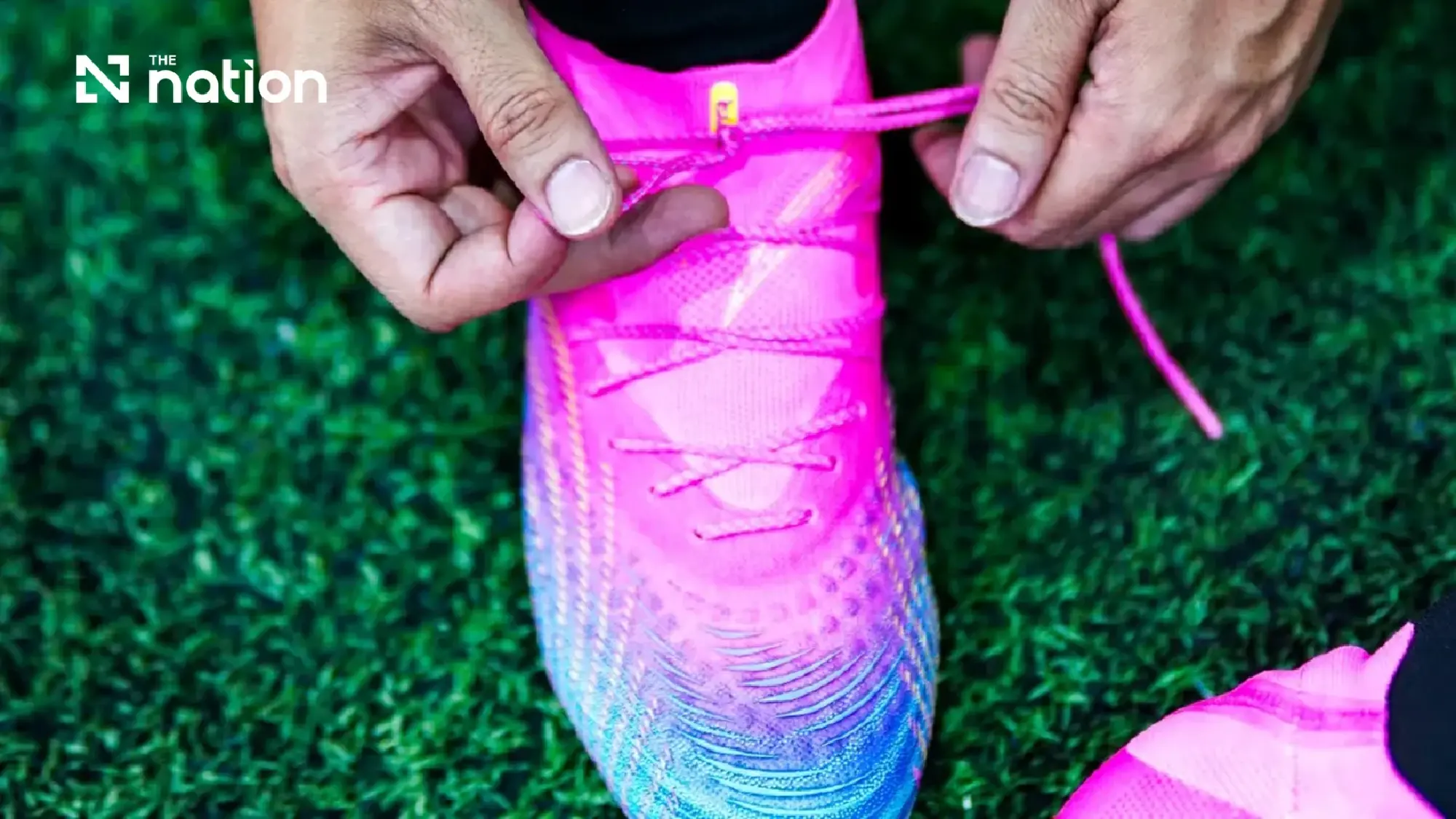
After a real wear test at the Supersports x PUMA: Showtime Pack Try-On event, the new FUZIONFIT³ upper was found to wrap the foot effectively, giving a snug and secure fit. The GripControl Pro coating on the boot’s surface helped increase friction when touching the ball, making first touches and short passing feel more assured.
However, while the FLEXGILITY soleplate serves players well when changing direction suddenly, the mid-cut structure and PWRTAPE technology, which focus on ankle lockdown, may require a slightly longer breaking-in period for players with wider feet.
It is an excellent boot for creative players, but it may not be the most comfortable option straight out of the box.
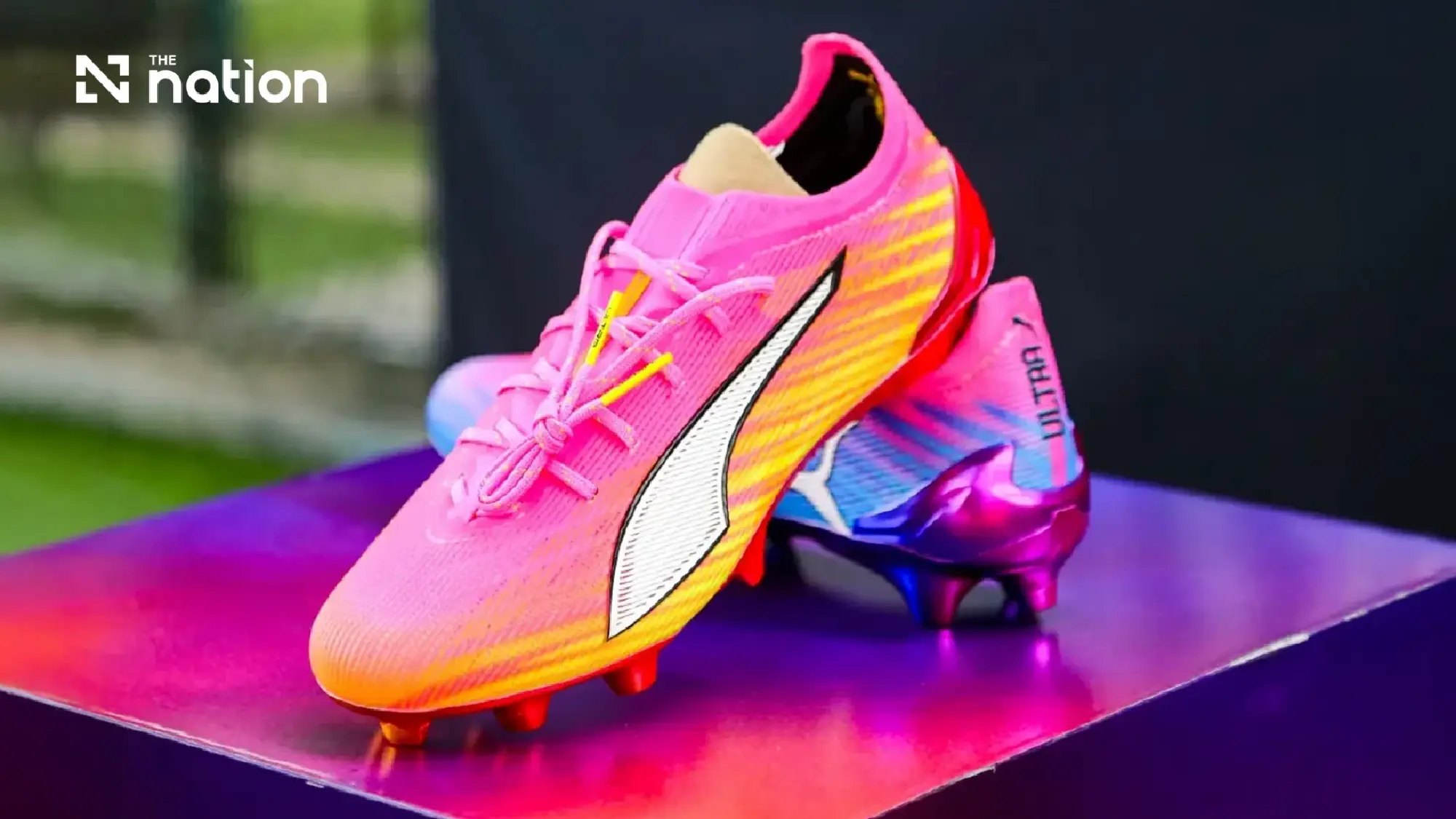
ULTRA 6: built for pure speed
For players obsessed with explosive pace, the PUMA ULTRA 6 is a speed boot stripped down to an extremely light weight.
In sprint testing on a real pitch, the SPEEDSYSTEM soleplate was immediately noticeable. With a carbon-fibre plate hidden inside, it worked almost like a spring, returning energy with every explosive step.
Combined with FastTrax studs that bite firmly into the grass, the ULTRA 6 delivered fierce acceleration over short distances.
But in design, everything comes with a trade-off.
The thin engineered mesh upper sits almost like a second skin, giving raw, natural ball control close to a barefoot feel. The drawback is reduced protection. For attacking players who are often tackled or stepped on by defenders, the thinness of the ULTRA 6 may make the foot more vulnerable than in control or power boots with thicker padding.
The PWRTAPE SQD structure, designed to lock the foot securely during high-speed running, also feels quite tight across the forefoot. This makes the boot more suitable for players with narrower feet.

Pink boots everywhere: where fashion meets function
The pink football boot phenomenon at this global tournament was not simple imitation. It was a response to a global trend where sport, technology and lifestyle are merging into one.
Both the PUMA FUTURE 9 and PUMA ULTRA 6 have clear strengths and limitations. Neither is a magic boot that will instantly make the wearer a better player.
But they are serious pieces of sports engineering, built to bring out specific strengths in different types of footballers.
In the end, pink at the 2026 World Cup was not just a colour. It was visibility, confidence, market intelligence and performance design — all moving together across the world’s biggest football stage.
Source: Krungthep Turakij
