
Ten destinations highlight Korat’s cultural and natural heritage
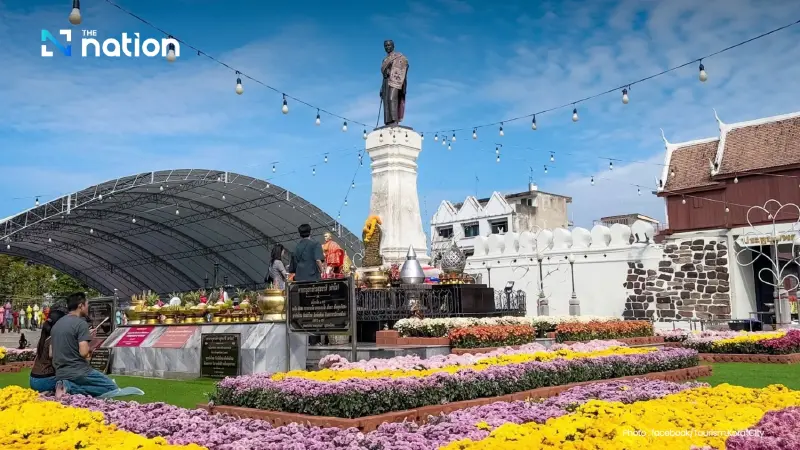


Visitors to Nakhon Ratchasima can explore an ancient Khmer sanctuary, see fossils found in the province and watch for wildlife after dark in Khao Yai National Park.
- The province's cultural and historical heritage is showcased through landmarks such as the Thao Suranari Monument, the ancient Khmer sanctuary at Phimai Historical Park, and significant temples like Wat Sala Loi.
- Korat's natural heritage is highlighted by sites ranging from the Petrified Wood Museum, which reveals its prehistoric past, to Khao Yai National Park, a World Heritage site known for its waterfalls and wildlife.
- Visitors can also experience scenic nature and fresh air in the Wang Nam Khiao district, or engage with modern local life at attractions like the Korat Zoo and the Saveone Night Market.
Many travellers know Nakhon Ratchasima, or Korat, as the gateway to Isan in Thailand’s north-east, with a wealth of places to visit in the province itself. The story of this fertile land stretches back millions of years, from its natural past to the growth of civilisation in Korat. These ten destinations take visitors back through that history and offer a glimpse of what gives Ya Mo’s city its character.

Thao Suranari Monument – blessings and remembrance of Korat’s heroine
The journey through Nakhon Ratchasima’s history begins at the Thao Suranari Monument, a landmark at the heart of Korat’s spiritual life. Visitors pay their respects and pray for good fortune. The monument honours Khunying Mo, known as Ya Mo, whose courage in saving the city in wartime is still celebrated in Korat.

Wat Sala Loi – a temple built after the fighting
Thao Suranari and her husband built Wat Sala Loi together after the fighting ended. Long cherished by the people of Korat, the temple is known for its ordination hall, where Dan Kwian terracotta tiles form an intricate and distinctive decoration. Thao Suranari’s ashes were enshrined here, giving the temple a particular place in the city’s history.

Phimai Historical Park – a stone sanctuary of the ancient Khmer
Phimai Historical Park is an important place to learn about the region’s history. Its stone sanctuary, Prasat Hin Phimai, is a notably complete example of ancient Khmer architecture and one of the largest of its kind in Thailand. The elaborate design reflects the civilisation that flourished here and makes the site a striking setting for photographs.
Petrified Wood Museum – discovering life millions of years ago
The Petrified Wood Museum brings the prehistoric world to life for visitors of all ages. Among its exhibits are petrified wood and the fossilised remains of animals that lived millions of years ago. Found in Nakhon Ratchasima province, these specimens provide an important record of its natural history.
Khao Yai – Thailand’s first national park and part of a World Heritage site
Khao Yai National Park, Thailand’s first national park, forms part of a natural World Heritage site. The Thai itinerary calls it the ‘Switzerland of Isan’. Visitors can enjoy the fresh air and explore the park’s natural heritage at its large waterfalls, including Haew Narok and Haew Suwat. After dark, nature lovers can look for wildlife.

Wat Ban Rai – devotion at Wihan Thep Witthayakhom, the hall surrounded by water
Wat Ban Rai offers an insight into the history of religious devotion in Korat. This well-known temple, a spiritual centre for the community, is closely associated with the monk Luang Pho Khun Parisuttho. Its centrepiece is Wihan Thep Witthayakhom, which the Thai account describes as a boat-shaped hall surrounded by water. Its distinctive architecture reflects both the strength of local faith and the richness of the temple’s religious art.
Wang Nam Khiao and Pha Kep Tawan – pure ozone and the last light of day
Wang Nam Khiao district enjoys pleasant weather year-round. The Thai itinerary describes it as one of the country’s leading destinations for pure ozone and attributes its nickname, the ‘Switzerland of Thailand’, to the quality of its air. Visitors come to relax, visit flower and mushroom farms, or explore by bicycle. This part of the trip ends at Pha Kep Tawan, where the viewpoint offers views of both sunrise and sunset and campers can enjoy the cool winter breeze.

Korat Zoo and Saveone Night Market – family outings and local life after dark
The trip draws to a close at Nakhon Ratchasima Zoo, also known as Korat Zoo, where families can spend time together, learn about a wide variety of animals and visit the Zoo Lagoon water park. The final stop is Saveone Night Market, Korat’s largest night market. Its fashion stalls and food give visitors a taste of local life, rounding off a journey that brings together nature, history, faith and everyday life in Korat.
