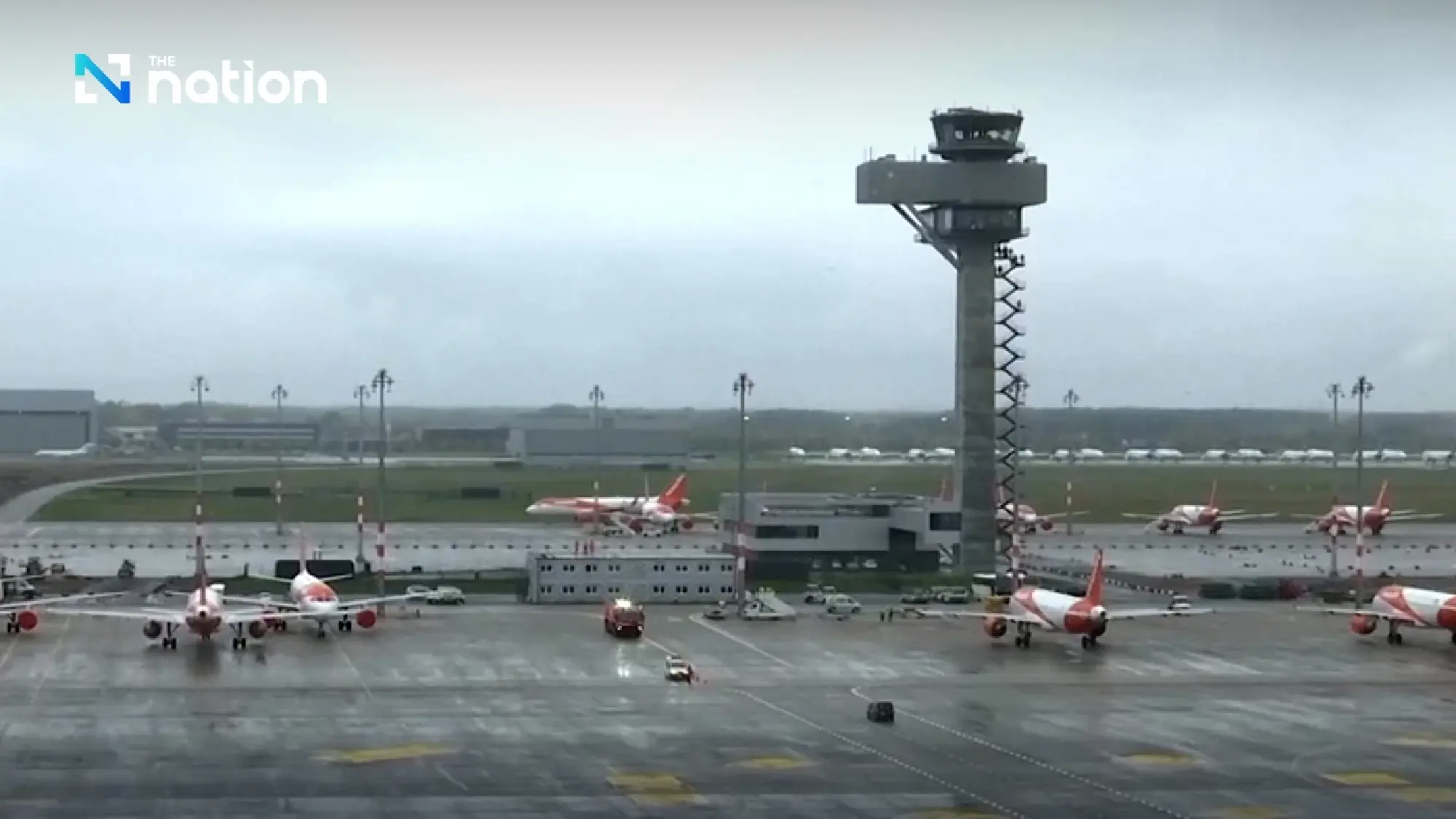
Lufthansa grounds 27 aircraft as fuel crisis bites; more airlines warn of cuts and suspensions
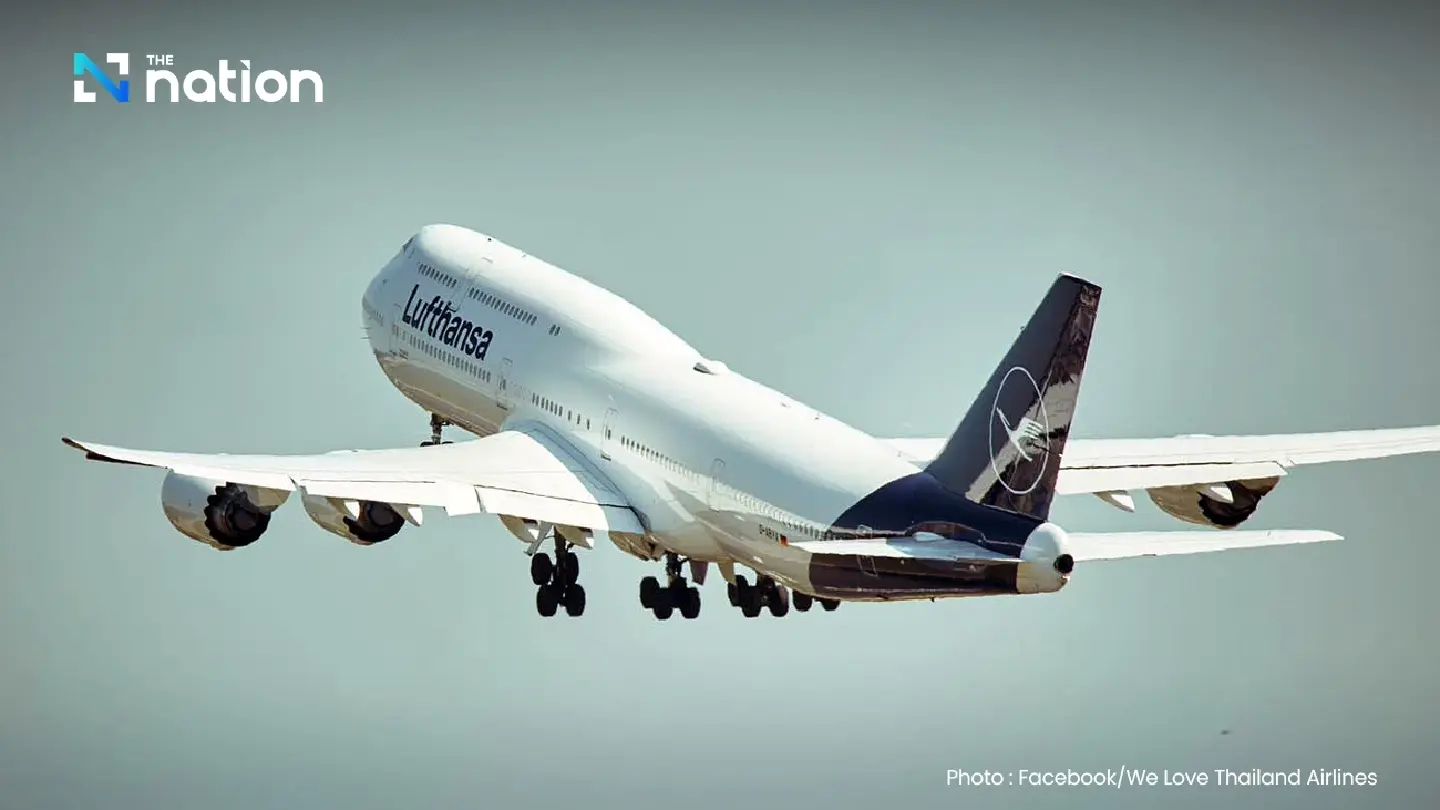


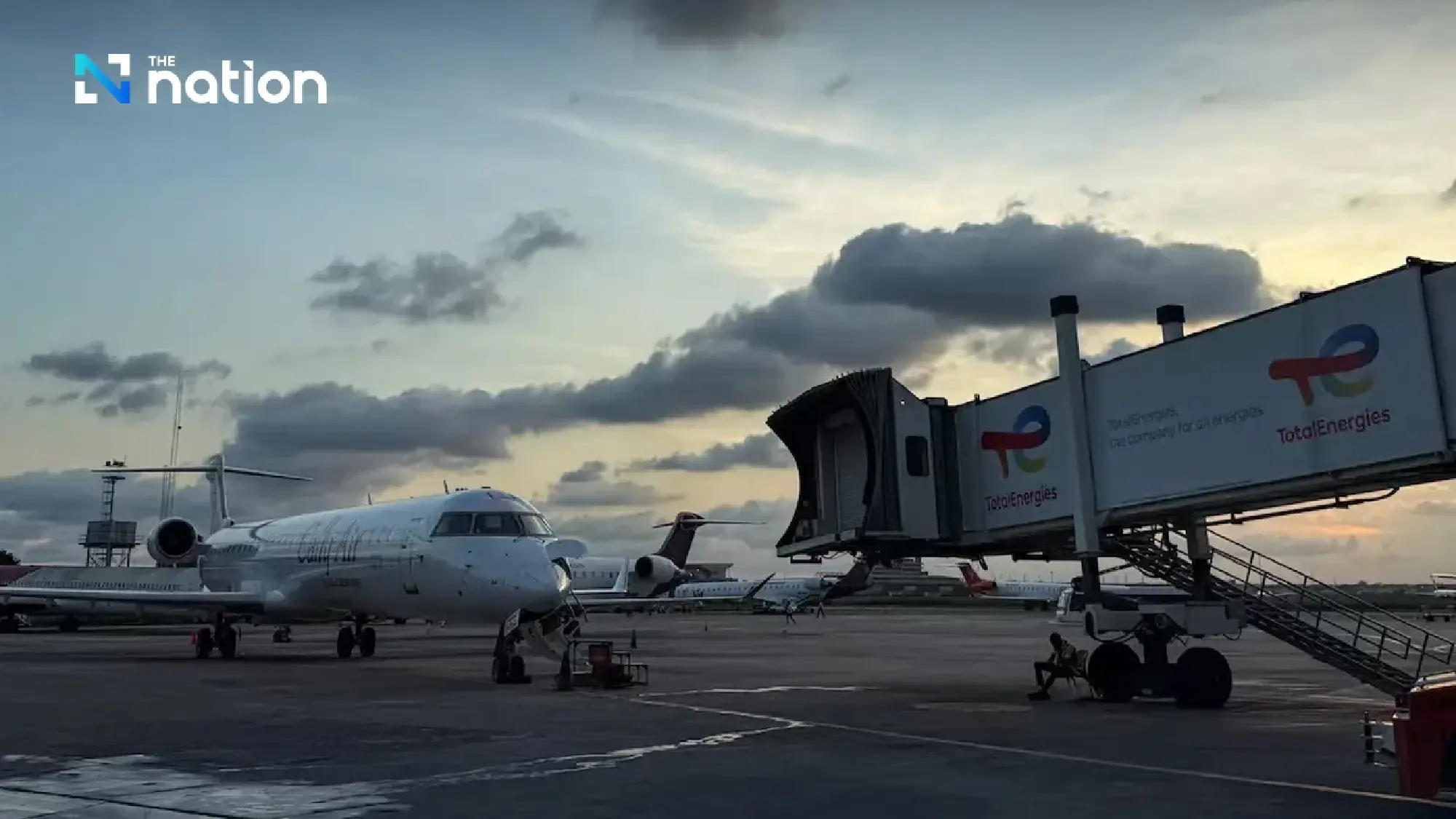
Lufthansa has become the first major carrier to suspend up to 27 aircraft as jet fuel supplies tighten amid the Iran war, while Nigerian airlines warn they may halt services next week if fuel costs, up more than 270%, do not ease.
Global aviation is coming under severe pressure as an energy shock linked to the US-Israel war with Iran squeezes jet fuel supply and drives prices sharply higher, pushing airlines to adopt emergency measures to cut costs and protect liquidity.
Germany’s flagship carrier Lufthansa has moved to suspend operations of up to 27 aircraft, making it the first major airline to take such a step. In Nigeria, airlines have warned they may be forced to stop services from early next week if fuel prices, reported to be up more than 270%, do not fall.
Since the conflict began on February 28, airlines worldwide have gradually raised ticket prices, increased fuel surcharges and cancelled some routes as costs surge. Industry warnings have also intensified, with some operators cautioning that jet fuel shortages could emerge within weeks, threatening peak summer travel in the Northern Hemisphere and deepening what carriers describe as the most serious aviation crunch in years.
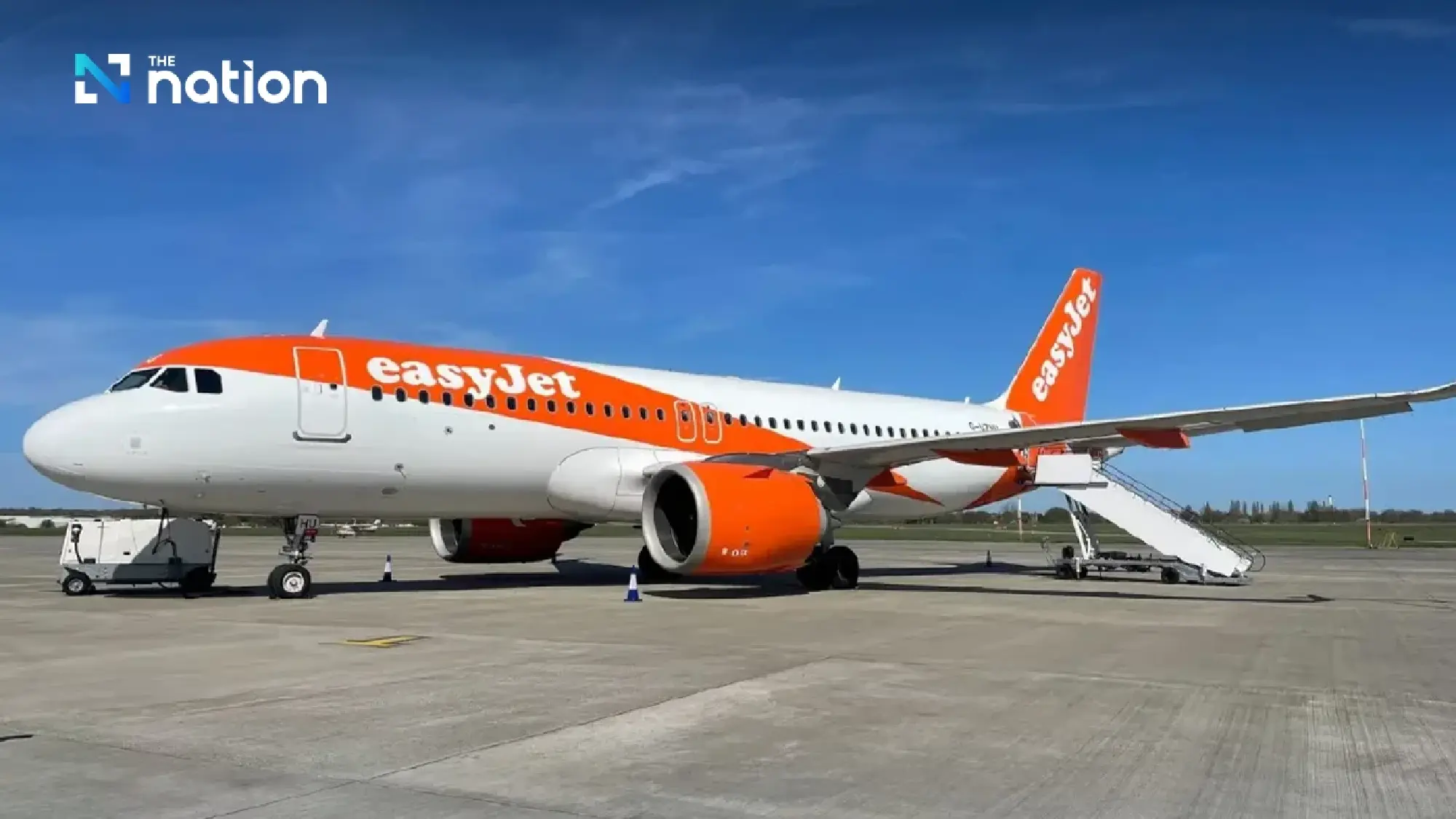
In Europe, UK low-cost carrier easyJet has said bookings remain noticeably below last year’s levels. Its share price fell as much as 9% during trading at one stage before closing down 5%, with Ryanair and Wizz Air also seeing share prices decline.
Analysts say airlines’ earnings expectations could face further downgrades as demand softens and margins are squeezed by higher fuel costs.
Despite a two-week temporary ceasefire announcement, the situation has not fully stabilised. The continued disruption around the Strait of Hormuz is still reported to have removed around 20% of global oil and LNG supply, while damaged refineries may take time to return to full production.
In Australia, a fire at a major refinery has added to energy security concerns, with Viva Energy warning that petrol and jet fuel output could be affected.
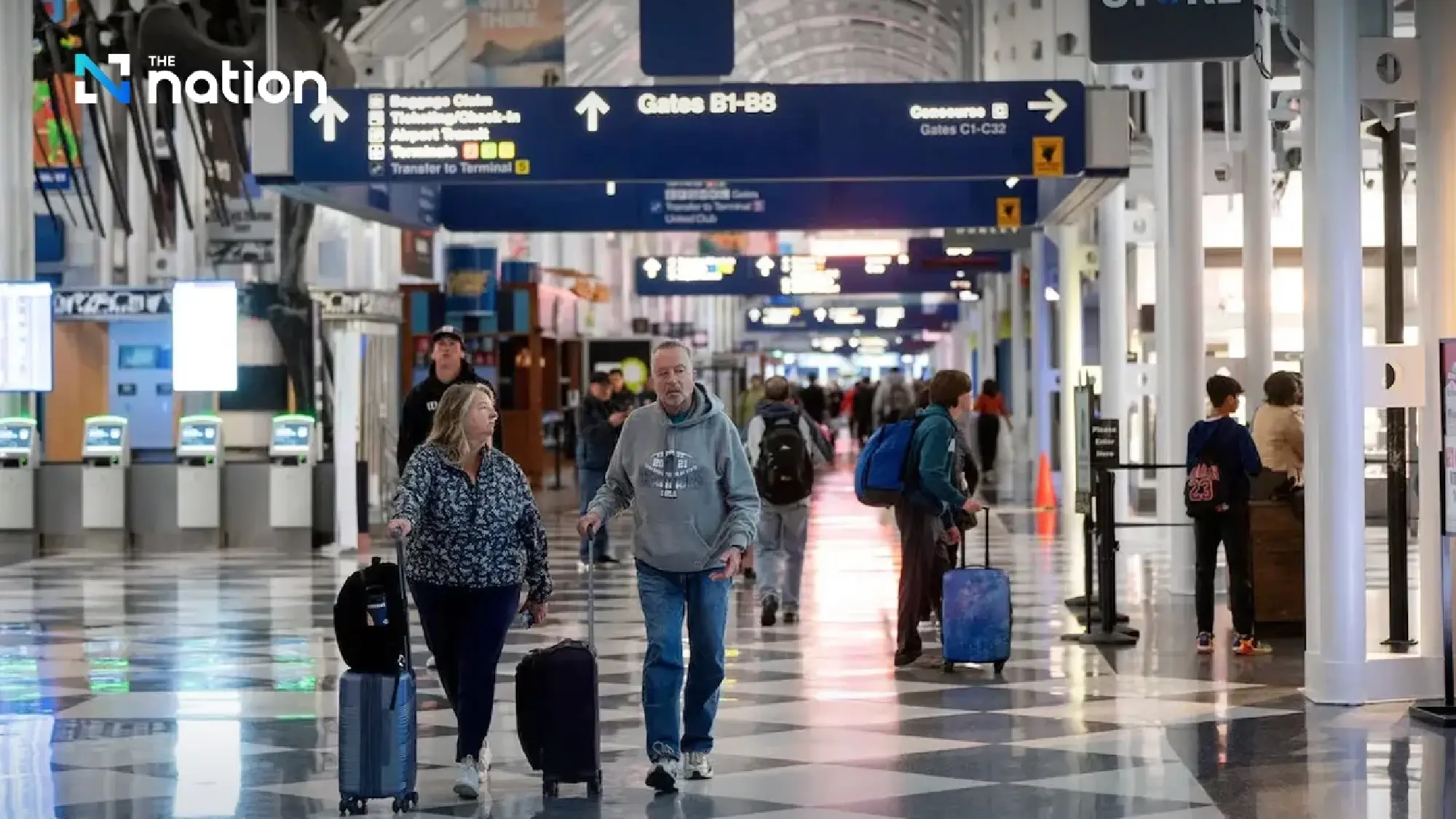
Passenger behaviour is also shifting, with travellers increasingly booking closer to departure and choosing domestic or nearby destinations over long-haul trips—particularly cutting back on travel to the eastern Mediterranean.
Policy responses are emerging. The European Union is working on contingency plans to raise refining output and import jet fuel from the United States at record levels, given its heavy reliance on Middle Eastern supply for aviation fuel. Australia’s government, led by Anthony Albanese, is also stepping up cooperation with Southeast Asian partners to secure additional fuel supplies, reporting diesel procurement of 100 million litres from Brunei and South Korea.
Experts warn that intensified competition for energy resources, stockpiling, and persistent supply constraints could keep fuel prices elevated, with broader knock-on effects for the global economy, tourism, and air travel.