
Iran’s 77% inflation crisis pushes families to the brink
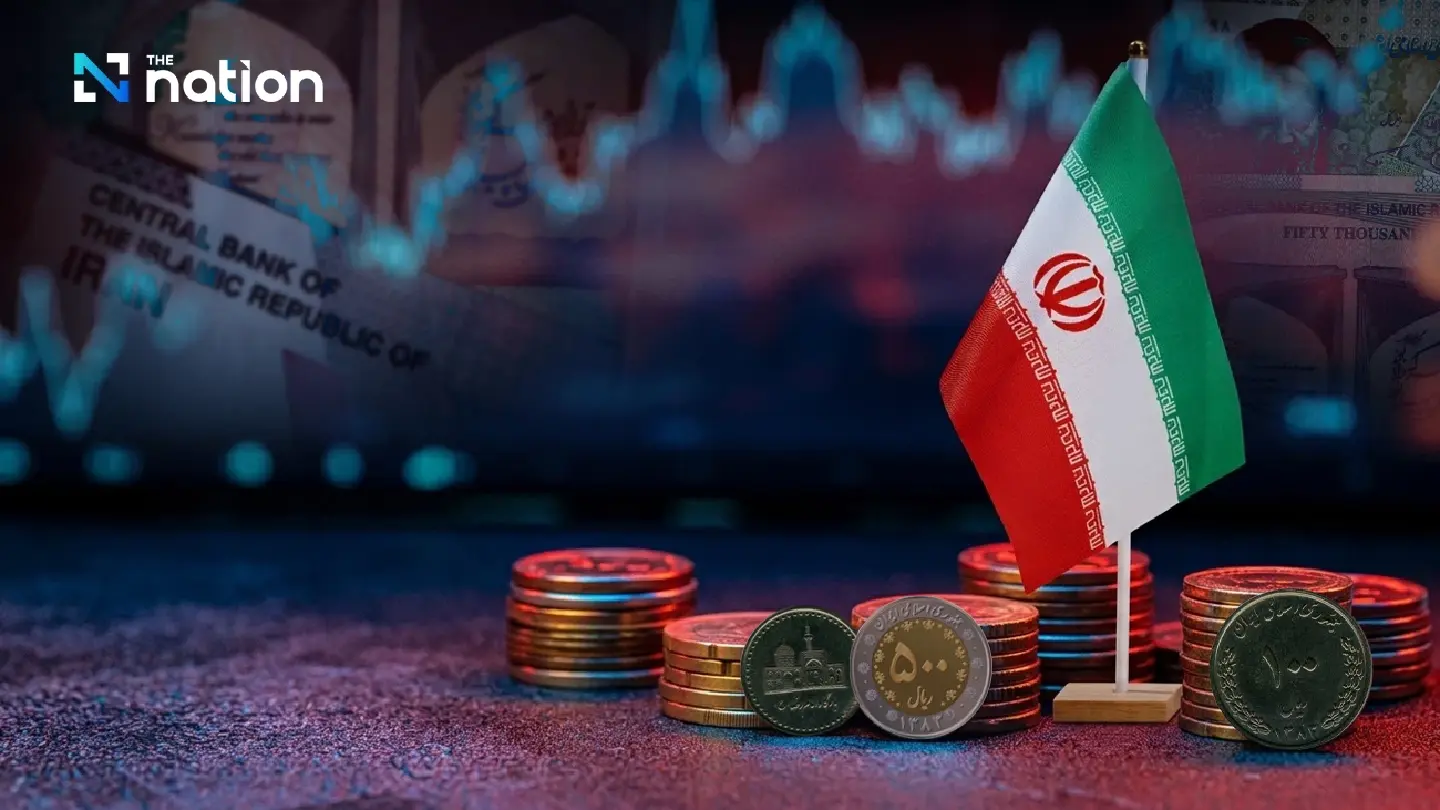


Iran’s inflation has surged to 77.2%, its highest level since World War II, as food prices, war pressure and structural weaknesses deepen hardship
- Iran's annual inflation has surged to 77.2%, the highest rate recorded since 1942, with the cost of goods rising over 113% on a point-to-point basis.
- The crisis has pushed workers and retirees into severe hardship, as wages and pensions fail to keep pace with soaring prices, forcing them to cut back on essentials like food, healthcare, and medicine.
- Basic food items have become unaffordable for many families, with the price of staples like rice and cooking oil more than doubling and red meat becoming a luxury.
- The inflation is attributed to a "perfect economic storm" of factors, including the removal of subsidies, war pressure, a maritime blockade, and long-standing structural weaknesses.
Iran is confronting its most severe inflation crisis since the Second World War, with soaring prices pushing workers, retirees and small businesses deeper into hardship as the country’s economy struggles under the combined weight of war pressure, subsidy reform and long-running structural weaknesses.
The Central Bank of Iran reported that annual inflation jumped to 77.2% year on year in the period from April 21 to May 20, while prices rose 8.5% from the previous month.
Inflation for goods on a point-to-point basis surged above 113%, underlining the speed at which daily necessities have become more expensive.
The latest rate is the highest recorded in Iran since 1942, when the Second World War disrupted food supply chains and drove prices sharply higher.
The impact is being felt far beyond economic data. In markets across Tehran, shoppers are checking prices repeatedly, buying less and cutting back on basic items that were once part of daily life.
Al Jazeera reported scenes in Bastan market, west of the Iranian capital, where customers walked between stalls, examined goods and often left without buying anything.
For many households, food has become the clearest symbol of the crisis.
A 46-year-old mother of three told Al Jazeera that she now visits the market several times a week, not to buy more, but to look for items that have not yet been hit by another price increase.
Red meat, she said, has become unaffordable for many families, while chicken is increasingly treated as an occasional meal.
The pressure is also hitting retirees and fixed-income earners.
One 63-year-old pensioner said the price of one kilogramme of rice had risen from about 1.8 million rials, or US$1.31, last year to more than 5 million rials, or US$3.63. A bottle of cooking oil that cost about 700,000 rials, or US$0.51, last spring had climbed to more than 3 million rials, or US$2.18.
He said his pension no longer covered even one-third of his household expenses, adding that poverty was spreading not only among the poorest groups but also among retirees and salaried workers who had once been able to maintain a modest standard of living.
Five pressures behind the crisis
Arman Khaleghi, head of Iran’s Chamber of Commerce, Industries and Mines, described the situation as a “perfect economic storm”, driven by several forces hitting the economy at the same time.
He pointed to five major factors:
- the removal of preferential foreign-exchange subsidies, which pushed up food prices;
- major protests earlier in the year, which disrupted market activity and security conditions;
- the US-Israeli “Ramadan War”, which added heavy inflationary pressure;
- annual increases in wages and energy prices at the start of the Persian New Year;
- a maritime blockade that has disrupted import and export chains.
Khaleghi said the impact of war was not limited to military pressure. The outbreak of conflict changed consumer behaviour, with households rushing to stockpile essentials such as food and detergent despite no actual shortage in the market. That panic-driven demand, he said, was enough to push prices higher.
The inflation shock has also spread from consumers to producers.
Higher costs in upstream industries, particularly petrochemicals, have increased packaging costs for food, medicine and consumer goods. Problems in the steel industry have also fed into the car and home-appliance sectors, allowing inflation to move directly from factories to shop shelves.
Khaleghi said the maritime blockade had dealt another severe blow by making shipping to Iran riskier and more expensive.
Even reports of vessels being attacked could immediately push prices higher, while actual transport obstacles had forced businesses to seek more expensive land routes.
That, in turn, reinforced fears of shortages and added further pressure on prices.
Wages rise, but real incomes collapse
Iran’s decision to raise wages and salaries at the start of the year was intended to soften the impact of removing preferential currency support and to protect the purchasing power of workers.
But Khaleghi said the increase, while seemingly significant on paper, had failed to keep pace with real price rises.
The result has been a steep fall in real purchasing power.
Families are first using up savings, then cutting spending on healthcare, medicine and education, before eventually reducing spending on daily food and other essentials.
Khaleghi warned that Iran was now trapped in a damaging cycle. Citizens’ incomes are losing value, government revenue is being weakened by the economic slowdown, and prices are continuing to rise at levels not seen for decades.
Small businesses struggle to survive
The crisis is also damaging small traders and shop owners, who are facing weaker demand as households cut back.
In a wholesale market in southern Tehran, a 71-year-old grocery seller told Al Jazeera that inflation had hit sellers as well as buyers.
Consumers were purchasing only essential goods, while some prices had doubled in less than four months. He said he had reduced the quantity of goods on offer but still could not find enough buyers.
After four decades in business, he said he had never seen a downturn this severe, even during the worst periods of sanctions. His goal, he said, was no longer to make a profit but simply to avoid bankruptcy and keep open the shop he inherited from his father.
In Tajrish Square in northern Tehran, markets may still appear busy at first glance, but shopkeepers say the crowds hide a weaker reality.
Some people walk through markets because they have become one of the few free forms of entertainment left, recalling a time when they could shop freely and return home with bags of goods. Many now leave empty-handed.
One shop owner said traders themselves could no longer afford the goods they were selling, reflecting how deeply inflation has eroded purchasing power across different income groups.
Structural weaknesses laid bare
Analysts and ordinary Iranians alike say the crisis cannot be explained by war alone.
A university lecturer quoted by Al Jazeera said price increases of several hundred percent for some goods may appear to be a sudden shock, but the roots go much deeper.
He said Iran had long relied on oil revenue to cover economic weaknesses. Once that cushion weakened, underlying problems surfaced all at once.
Years of flawed policy, sanctions, dependence on energy income and limited economic flexibility had left the country vulnerable to a sudden inflationary spiral.
The danger now, analysts warn, is that Iran remains stuck in a state of prolonged uncertainty, neither fully at war nor at peace, a condition that could further weaken an already exhausted economy.
For ordinary Iranians, however, the crisis is less about macroeconomic theory than daily survival.
Households are counting every purchase, traders are struggling to stay open, and workers and retirees are finding that wages and pensions no longer stretch far enough to cover the basics.
