
Ex-South Korean president jailed 30 years over drones sent into North
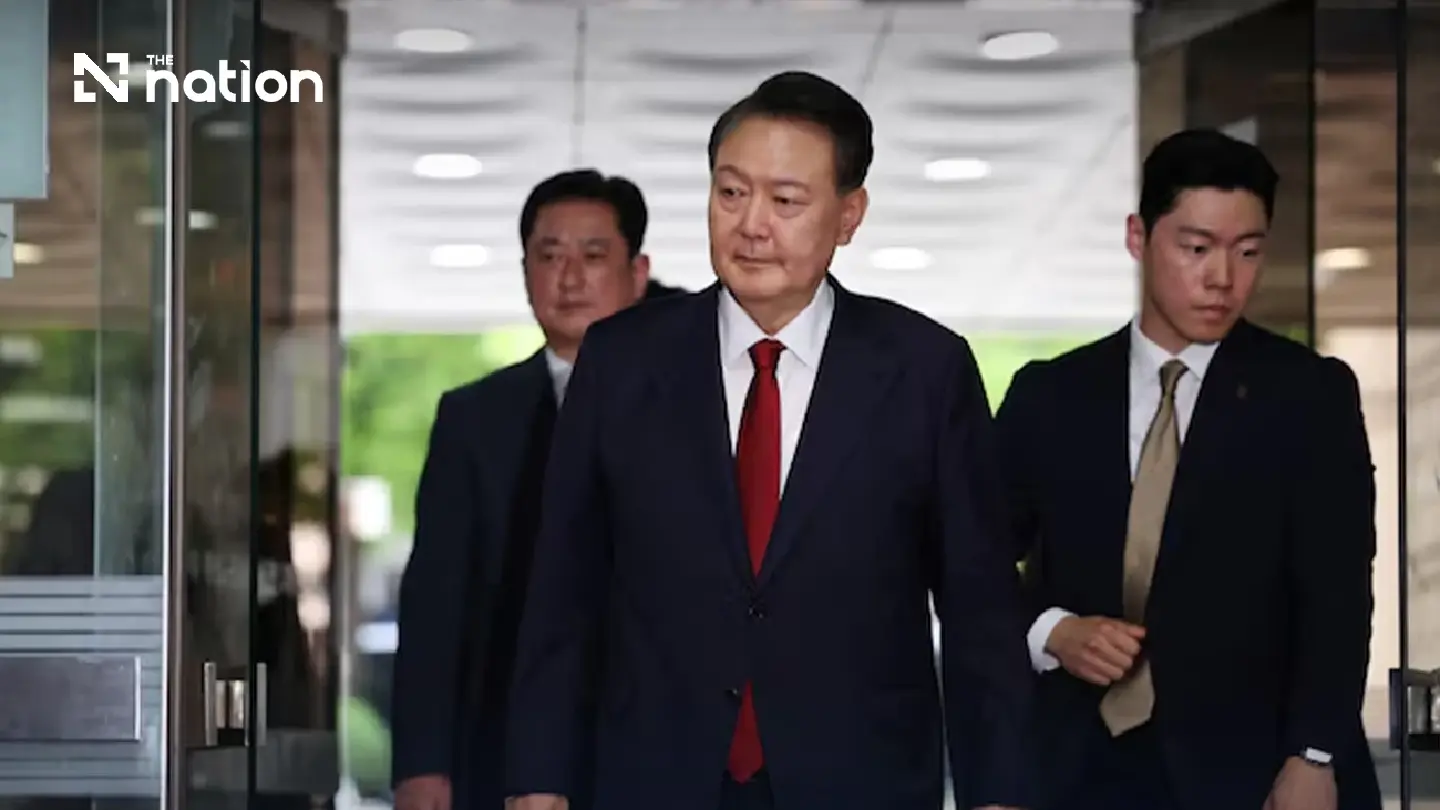


A Seoul court sentences former South Korean president Yoon Suk Yeol to 30 years over a drone incursion tied to his failed martial law bid
Former South Korean president Yoon Suk Yeol has been sentenced to 30 years in prison after a Seoul court found him guilty in a case centred on a military drone incursion into North Korea, deepening the legal downfall of a leader already convicted over his failed martial law bid.
The Seoul Central District Court ruled on Friday that Yoon was guilty of aiding the enemy and abuse of power. According to the court, he had been involved from the start in a plan to send military drones over Pyongyang in October 2024, an operation prosecutors said was used to help create a justification for his later attempt to impose martial law.
The ruling marks another severe blow for the ousted conservative leader, who had previously served as South Korea’s top prosecutor before rising to the presidency. His brief martial law declaration in December 2024 shook South Korea’s democratic institutions and triggered one of the country’s gravest political crises in decades.
Yoon has denied wrongdoing in the drone case. His lawyers argued that he neither ordered nor later approved the operation, and said it was not connected to martial law. They described the drone deployment as a response to months of North Korean provocations, including balloons carrying rubbish across the border.
Prosecutors had asked the court in April to impose a 30-year sentence. Friday’s ruling followed a separate judgment in February, when Yoon was sentenced to life in prison after being found guilty of leading an insurrection linked to the martial law attempt.
The martial law crisis began in December 2024, when Yoon abruptly declared emergency rule before the National Assembly voted it down within hours, forcing the measure to be lifted. The move prompted impeachment efforts and sharply divided South Korean politics before the Constitutional Court ultimately upheld his removal from office.
His removal triggered a snap presidential election, which was won by liberal President Lee Jae Myung. Yoon, who is already in custody, can appeal Friday’s lower-court ruling and has also appealed earlier judgments against him.
The latest sentence keeps the former president at the centre of South Korea’s long-running reckoning over the failed martial law episode, as the courts continue to examine how far the planning extended and whether state power was misused to manufacture a national security emergency.
