
US launches further strikes on Iran amid regional military action


Saudi Arabia joined US attacks in Iraq for the first time, while missile fire in Jordan and a suspected drone strike in Egypt widened the five-month conflict.
Military action spanning Iran, Iraq, Jordan and Egypt widened the five-month Middle East conflict on Wednesday (July 29), with the United States beginning another round of strikes on Iran.
US Central Command announced that US forces had begun launching strikes against Iran at 8pm ET, equivalent to 0000 GMT. It added, “The strikes are a powerful response to yesterday's attempted Iranian attacks on U.S. forces based in the Middle East.”
President Donald Trump had earlier promised retaliation after Iran fired on US troops. “So it's our turn,” he told reporters at the White House, pledging to “hit them very hard” while reiterating that Washington would continue pursuing a peace deal with Tehran.
Iran confirmed overnight that it had fired on US bases in Jordan and at ships in the Strait of Hormuz. It also rejected an Omani proposal for joint management of the strait, a critical global shipping route for oil and gas.
The Revolutionary Guards said they had launched several ballistic missiles at US military installations in Jordan and struck three tankers attempting to pass through the Strait of Hormuz along an unauthorised route.
Jordan's military reported shooting down five Iranian missiles. Hours before the attacks in Iraq, the US military said its air defences had prevented a surprise Iranian attack on American troops in the region.
US bases in Jordan have recently become primary Iranian targets. Three US service members were killed there this month in the heaviest US losses since March.
In eastern Iraq, US and Saudi forces attacked Iran-aligned groups in the first publicly acknowledged instance of Riyadh joining strikes alongside Washington.
The Popular Mobilisation Forces, powerful Iran-backed paramilitary groups incorporated into Iraq's security forces, reported that at least 20 members had been killed and 32 wounded in attacks on several bases across the country.
Washington and Riyadh described the operation as retaliation for drone attacks launched from Iraq against Saudi oil targets. Iraqi men shouted “Death to America!” while carrying the bodies of slain fighters in body bags.
Iran denied that its forces had directed attacks from Iraqi territory. Hamshahri, an Iranian newspaper, nevertheless reported that four Revolutionary Guards advisers had been killed in the strikes on Iraq.
Following the joint attacks, Saudi Arabia's defence minister met Vice President JD Vance in Washington. Two sources told Reuters that he urged the Trump administration not to widen the conflict by attacking Yemen's Houthis or conducting further strikes on Iran-aligned militias in Iraq.
One source warned that further escalation could open the door to “major unknown risks”. The White House and the Saudi embassy in Washington did not immediately respond to a request for comment.
The strikes exposed a dangerous rift in volatile Iraq. Its Shia-led government is among the few in the world to maintain close military and diplomatic ties with both Tehran and Washington, but those divided loyalties have remained a source of tension and frequent domestic unrest.
The office of Prime Minister Ali al-Zaidi, who took power two months ago, urged all sides to avoid escalation and said he wanted to keep Iraq out of regional conflicts.
The Iraqi presidency denounced the attacks on the paramilitary groups as “an unacceptable attack and a flagrant violation of Iraq's sovereignty”, while also calling for armed groups to stop attacking neighbouring countries.
The close ties between Iran and Iraq, the two largest Shia-majority countries, were also evident this week as hundreds of thousands of Iranian religious pilgrims headed towards Iraqi shrines for an annual observance mourning martyrs.
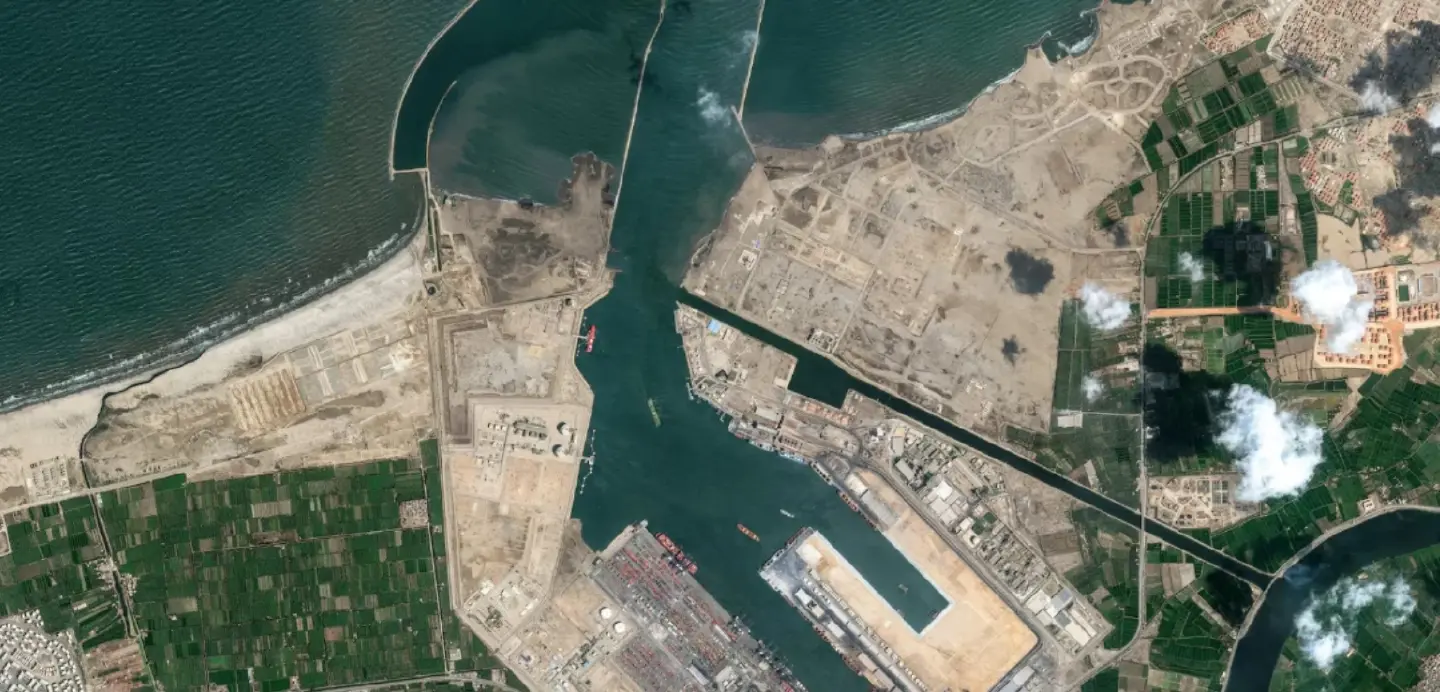
In Egypt, British maritime security firm Ambrey said in an initial assessment that a drone had hit a US-owned gas storage tanker at Damietta, a Mediterranean port.
Egypt's petroleum ministry confirmed a fire at the port but did not mention a drone attack, and it was not immediately clear who was responsible.
The incidents in Iraq and Egypt increased the risk of more Middle Eastern countries being drawn into the conflict. They followed a declaration the previous week by Yemen's Iran-aligned Houthis that they were imposing a naval blockade on Saudi Arabia.
The war began in February when the United States and Israel launched a bombing campaign in Iran that Trump said would last only a few weeks. A temporary ceasefire agreed in June later collapsed as fighting resumed over the Strait of Hormuz, which Iran says it now controls.
Oil prices recorded one of the sharpest increases of the five-month war. Brent crude futures climbed more than 8%, taking the benchmark well above US$90 a barrel and reversing much of a steep fall earlier in the week after Trump unexpectedly halted US strikes.
US officials have privately cautioned that restarting major combat operations against Iran would carry risks because of the impact on munitions stocks.
The Washington-based Centre for Strategic and International Studies estimated this week that the US military had fewer than 1,000 Patriot interceptor missiles and fewer than 250 THAAD interceptors, two key air-defence systems.
Source: Reuters
