
Democratic-led US states sue Trump over sweeping new tariffs
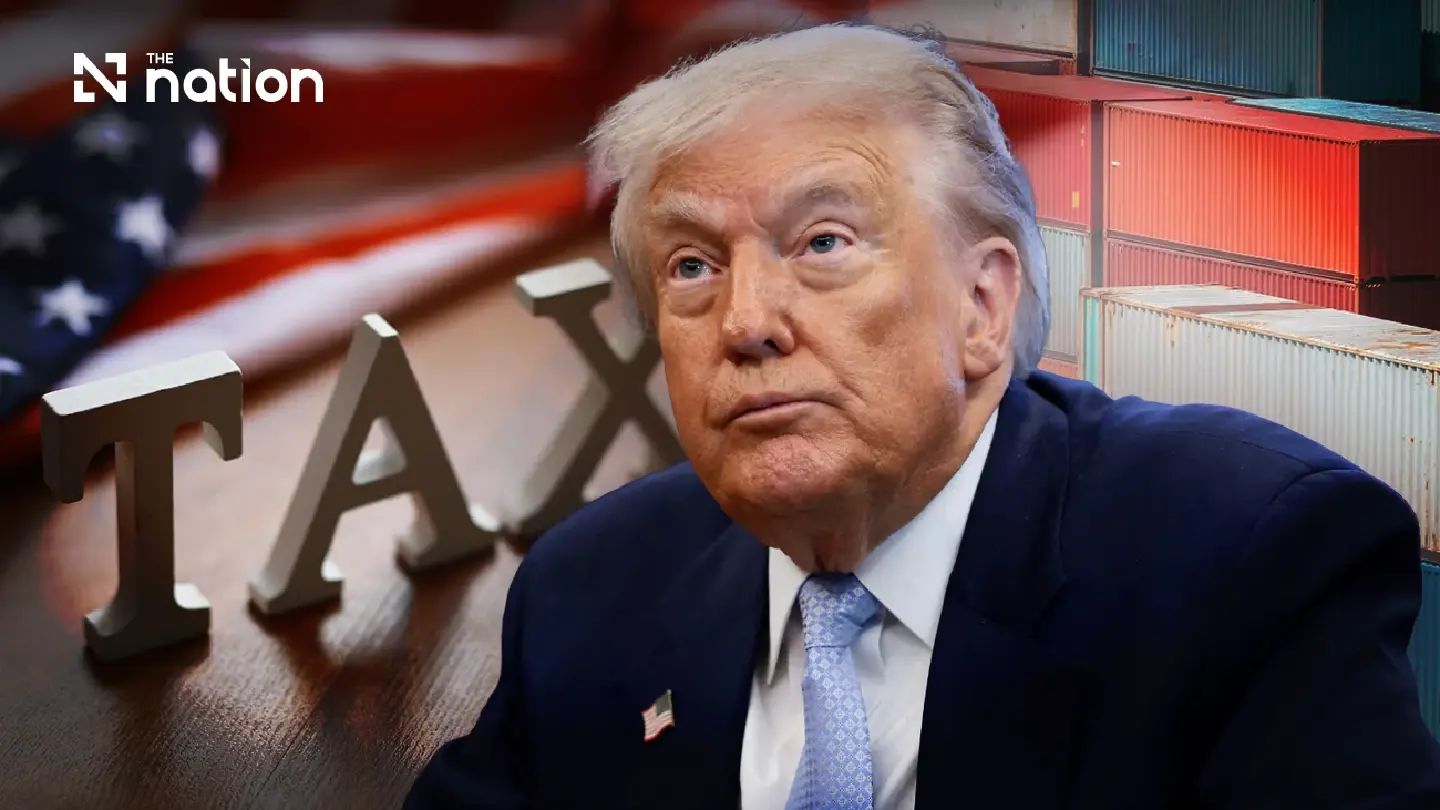


Twenty-five Democratic-led US states have challenged Trump’s tariffs on 60 trading partners, including Thailand, alleging that the administration unlawfully invoked Section 301.
- A coalition of 25 Democratic-led states has sued the Trump administration over new, broad tariffs imposed on 60 trading partners.
- The lawsuit argues that the tariffs exceed the president's legal authority under Section 301 of the Trade Act of 1974.
- The states claim the administration is using the issue of forced labor as a pretext for the tariffs, which they argue is an improper use of the law.
A coalition of 25 Democratic-led US states has taken President Donald Trump’s administration to court, arguing that its latest tariffs on imports from 60 trading partners — along with most of its earlier sweeping levies — exceed the president’s legal authority.
The complaint was filed with the US Court of International Trade in New York on Monday (August 3).
The legal action follows separate cases brought by small US businesses seeking to block the tariffs when they took effect in July. States and small firms have previously secured favourable rulings against other global tariffs introduced during Trump’s second term, but his administration has continued to pursue new measures despite repeated legal setbacks.
Thailand placed in 12.5% tariff band
The latest tariff package was announced on July 24 under Section 301 of the Trade Act of 1974. It imposes rates of 10% or 12.5% on imports from 60 trading partners, including the European Union.
Thailand is among the economies placed in the 12.5% tariff band, with the Section 301 duty applied in addition to normal most-favoured-nation tariffs. However, 2,120 Thai product lines are exempt from the additional levy, accounting for more than half the value of Thailand’s exports to the US.
The Trump administration linked the measures to allegations that trading partners had not done enough to prevent the export of goods produced using forced labour.
Plaintiffs challenge forced-labour justification
The US government maintains that the tariffs are lawful and constitute an appropriate response to unfair trade practices.
“A foreign country’s failure to impose and effectively enforce a prohibition on the importation of goods produced with forced labor is unreasonable and burdens US commerce, including American workers, and must be addressed,” White House spokesman Kush Desai said.
However, the states and small businesses argue in their complaints that Section 301 has historically been directed at specific countries and industries rather than used to impose broad tariffs across dozens of trading partners.
They also accuse the administration of invoking forced labour as a pretext to restore duties that courts had previously rejected. The plaintiffs argue that sweeping import taxes would do nothing to address the underlying problems of forced labour worldwide.
Source: Reuters
