
Japan approves two-year food consumption tax cut to 1% from next April


Revenue is expected to fall by 10 trillion yen over two years, with the government pledging to cover the shortfall without issuing deficit-financing bonds.
- Japan's cabinet has approved a plan to cut the consumption tax on food from 8% to 1% for a two-year period starting next April.
- The measure is intended to ease the financial effects of inflation on consumers and will be the first consumption tax cut since the levy was introduced in 1989.
- The government anticipates the tax cut will reduce revenue by approximately 10 trillion yen over its two-year lifespan.
- This reduction is a temporary measure until a new income-linked benefit system is fully introduced in fiscal 2029.
Japan's cabinet approved a two-year reduction in the consumption tax on food on Wednesday (August 5), lowering the rate from 8% to 1% from next April to ease the effects of inflation.
If enacted, it will be the country's first consumption tax cut since the levy was introduced in 1989.
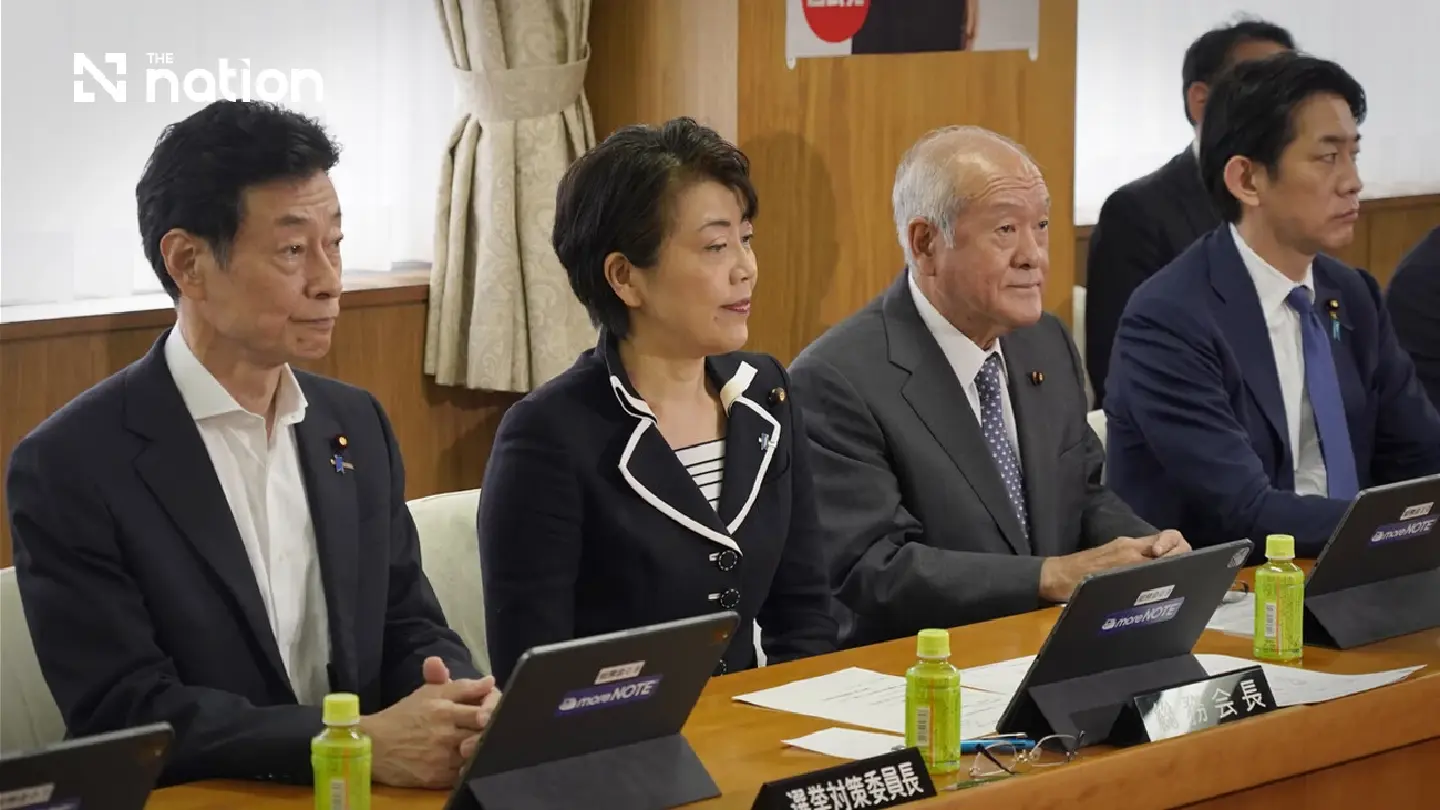
The decision was taken at an extraordinary cabinet meeting after the ruling Liberal Democratic Party (LDP) and Japan Innovation Party (JIP) completed their internal procedures earlier that day.
The LDP's General Council endorsed the proposal unanimously at its own extraordinary meeting before policy chiefs from the two coalition partners concluded the ruling bloc's approval process.
The unanimous vote did not remove internal reservations.
Some LDP members questioned whether sufficient funding had been identified and whether the cut would deliver its intended economic effects.
Former party tax panel leader Yoichi Miyazawa and former Defence Minister Gen Nakatani, both opponents of the proposal, did not attend the General Council meeting.
Prime Minister Sanae Takaichi, who leads the LDP, had announced the proposal the previous Thursday alongside cash benefits for middle- and low-income earners intended to offset their consumption tax burden on food.
The government expects the lower rate to reduce revenue by about 10 trillion yen over its two-year lifespan.
Takaichi has pledged to cover the loss mainly by reviewing special tax measures and subsidies, without resorting to deficit-financing bonds, although no detailed funding plan has been provided.
A tax system reform package is due to be adopted in September.
The government then plans to submit the legislation required for the reduction to an extraordinary Diet session expected to convene in the autumn.
The tax cut is designed as a temporary bridge until an income-linked benefit system is fully introduced in fiscal 2029.
That system is intended to ease tax and social insurance premium burdens on middle- and low-income households, encourage employment and serve as the first step towards a future refundable tax credit scheme.

[Copyright The Jiji Press, Ltd.]
