
Trump demands Iran pay damages as Hormuz deal hopes fade


Trump has added compensation demands to Iran talks, complicating efforts to reopen the Strait of Hormuz after Tehran set its own conditions for a deal
- President Trump has introduced a new demand that Iran pay compensation for 50 years of damages, complicating negotiations to reopen the Strait of Hormuz.
- The new demands have diminished hopes for a quick agreement to reopen the vital energy route, contributing to a 5% increase in oil prices.
- Trump's specific demands include compensation for the USS Cole bombing (an attack attributed to al Qaeda, not Iran) and for conflicts in Lebanon, Syria, and Yemen.
- The U.S. proposal is a response to Iran's own conditions for reopening the waterway, which include compensation from the U.S., the lifting of sanctions, and an end to military threats.
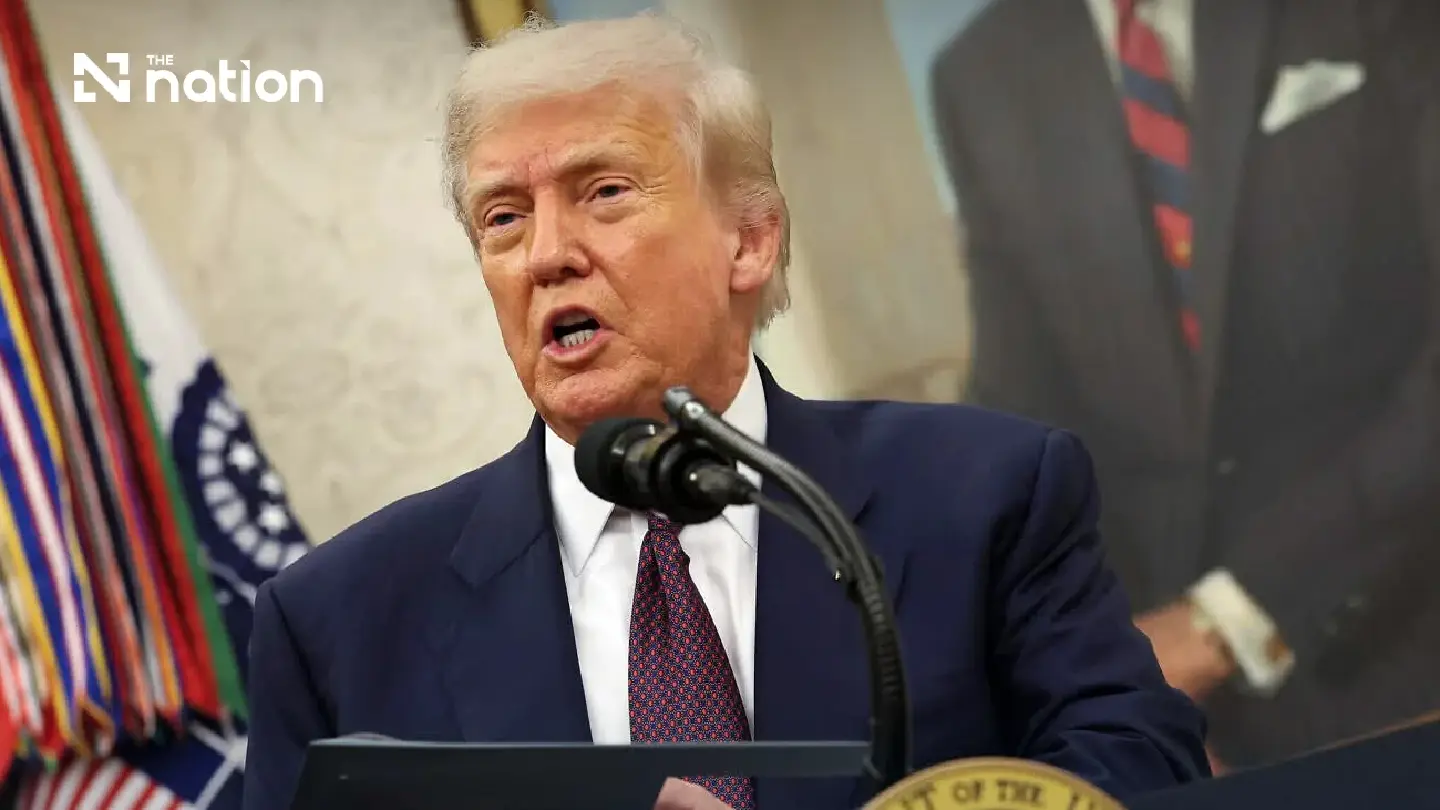
US President Donald Trump has introduced new compensation demands in negotiations with Iran, further complicating efforts to reopen the Strait of Hormuz after Tehran set conditions of its own for ending the confrontation.
Trump said on Monday that Iran should pay compensation for deaths and damage linked to wars, attacks and protests, responding to Iranian demands for compensation, the lifting of US sanctions and an end to military threats. His proposal had not previously been part of the negotiations.
The escalation reduced expectations that the two sides could quickly reach an agreement over Hormuz, one of the world's most important energy routes. Oil prices settled 5% higher on Monday as prospects for reopening the strait diminished.
Trump said the United States would seek money for damage he attributed to Iran over a 50-year period, including deaths involving civilian demonstrators and US forces in the region.
Trump expands compensation demands
Trump also said Iran should compensate the families of 17 US sailors killed in the October 2000 bombing of the USS Cole in Yemen. That attack has been attributed to al Qaeda, not Iran.
In a Truth Social post, he also called for Iran to be held responsible for deaths and damage in Lebanon, Syria, Yemen and Gaza.
Trump separately cited Tehran's crackdown on demonstrations and claimed that about 52,000 protesters had been killed as of six weeks earlier. Some Iranian opposition and exile groups have reported deaths in the tens of thousands, while the US-based Human Rights Activists News Agency reported in February that about 7,000 people had died, including roughly 6,500 protesters.
The United States and Israel began airstrikes against Iran in February, when Trump also encouraged demonstrators to overthrow the Iranian government. Rights organisations have said Tehran has continued suppressing opponents since then.
Iran says Oman talks are progressing
Iran, meanwhile, says it is close to an agreement with Oman defining new shipping lanes through the Strait of Hormuz.
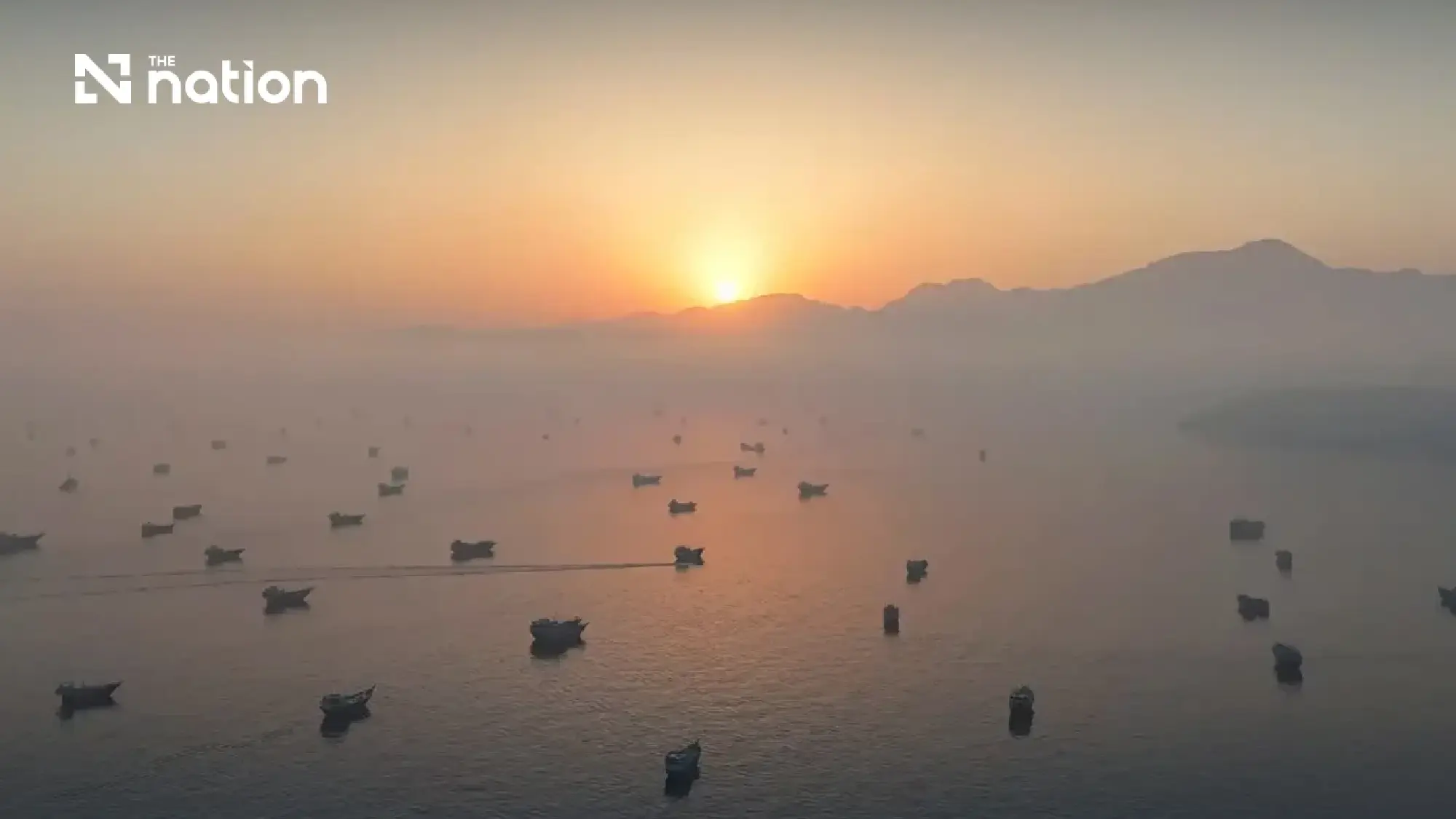
Iranian Foreign Ministry spokesman Esmaeil Baghaei said discussions were progressing smoothly and constructively and that agreement had been reached on a shipping-route map, although several technical issues remained unresolved.
The talks also covered services normally associated with payment, including safe navigation, environmental protection, maritime services and crime prevention. US officials have repeatedly rejected any arrangement that would allow Iran to charge vessels for passage through the strait.
Tehran has maintained that Washington must compensate Iran for damage, lift sanctions and end military threats before the waterway can reopen. Those demands broadly reflect terms contained in a preliminary peace agreement reached in June that later broke down.
Strait remains effectively blocked
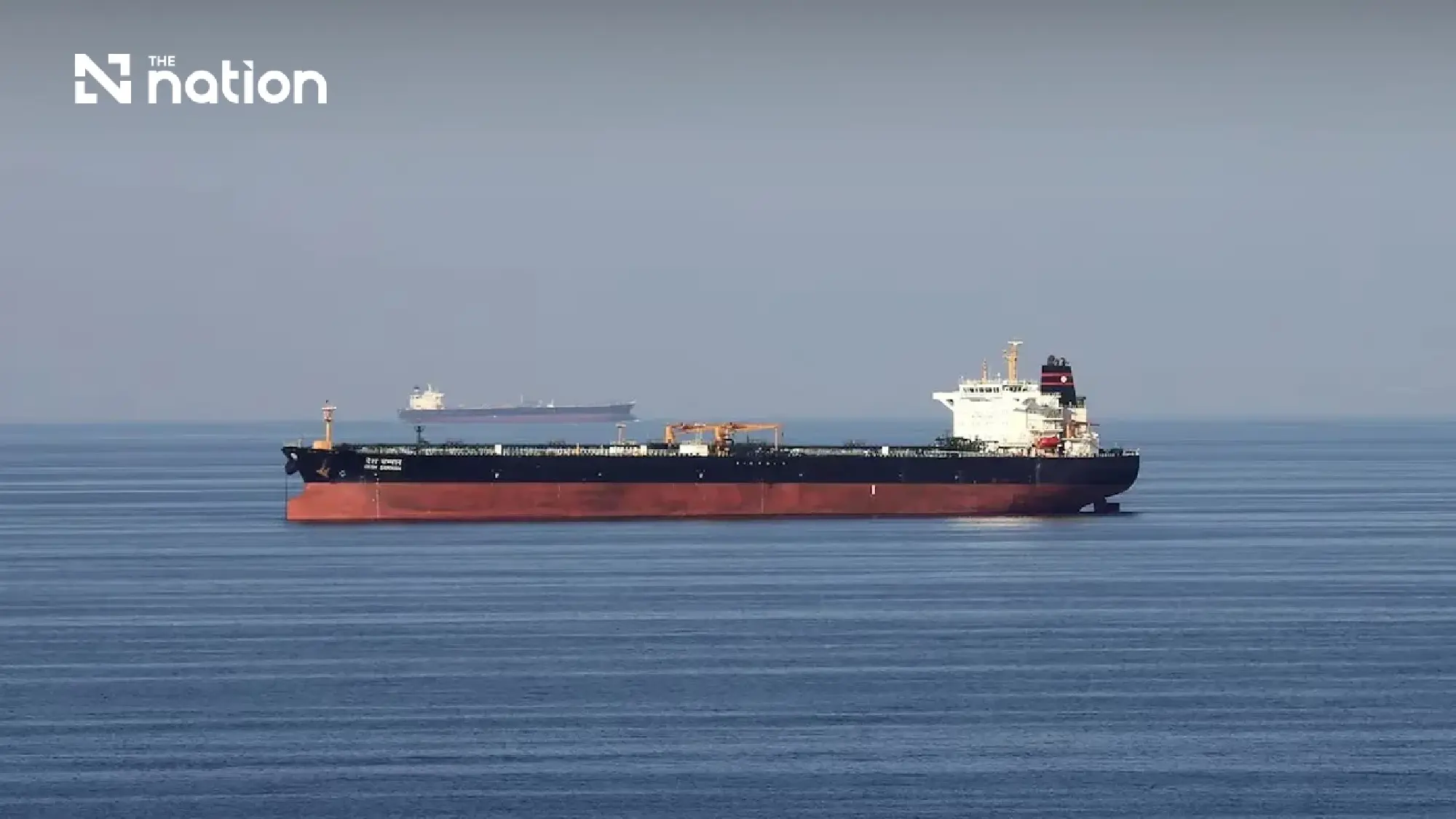
Before the conflict, about one-fifth of global oil and liquefied natural gas trade passed through the Strait of Hormuz. The route has been effectively blocked since the war began, contributing to higher energy prices and inflation concerns.
US military operations, including two weeks of strikes in July, have not ended Iran's ability to restrict the waterway.
Trump said again on Monday that the strait was open and that the US Navy controlled it, but Reuters described that assertion as misleading. Iran continues to exert control over shipping through the passage and has targeted commercial vessels travelling without its permission.
Washington and Tehran agreed to a ceasefire in June, but the United States reimposed a blockade on Iranian shipping in July. Iran said the action violated the truce.
Trump is also facing domestic pressure to bring the conflict to an end ahead of US midterm elections in November, with high fuel prices becoming an important political issue.
