
Meta to testify on Australia’s social media law for users under 16
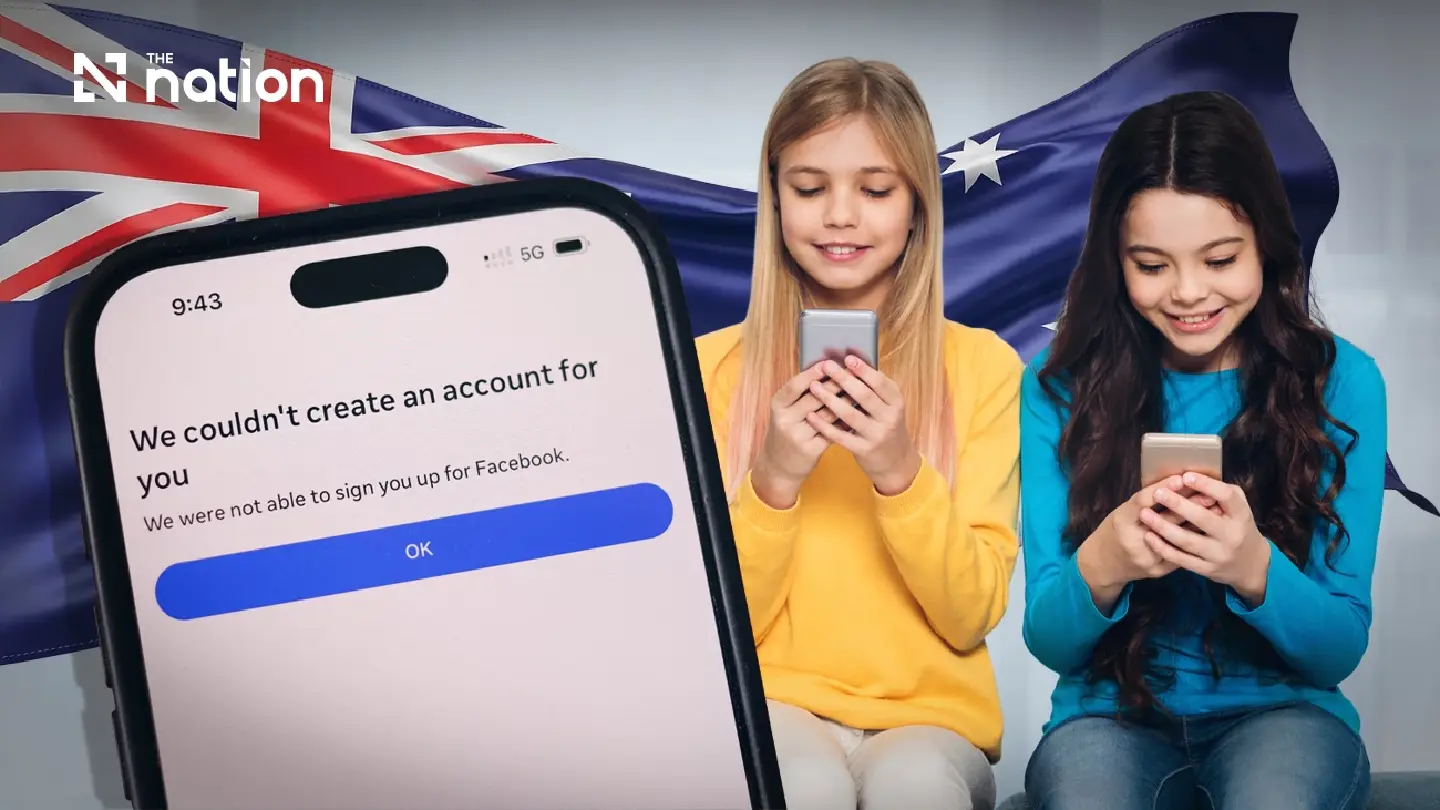


Meta disabled 756,000 accounts suspected of belonging to under-16s through June, while studies found widespread social media use during the first three months of Australia’s ban.
- Australia's internet regulator is investigating Meta for potentially failing to adequately enforce a law banning social media accounts for users under the age of 16.
- The Australian government alleges that platforms have implemented the ban in a way intended to be ineffective, with studies showing over 80% of under-16s still using social media.
- In its defense, Meta states it is complying with the law and has disabled 756,000 suspected underage accounts on Facebook and Instagram using AI detection.
- Meta representatives are scheduled to testify before a parliamentary inquiry as the government introduces legislation to increase the penalties for non-compliance.
Australia’s internet regulator is considering enforcement proceedings against social media platforms that it believes have not taken sufficient steps to prevent people aged under 16 from holding accounts, as required by law.
The platforms potentially facing action include services owned by Meta.
Government figures and several independent studies found that more than eight in 10 Australians under 16 were still using social media during the restrictions’ first three months.
No other platform has published compliance figures covering the same period as Meta’s data, which extends through June.
The Australian government has alleged that the platforms approached implementation in a way intended to leave the ban ineffective.
It has also introduced legislation that would double the maximum penalty for non-compliance to A$99 million (US$69.75 million) and expand the regulator’s powers to obtain documents.
Representatives of Meta and TikTok, along with Google, which owns YouTube, and Snap, the company behind Snapchat, are scheduled to give evidence to a parliamentary inquiry into the changes on Friday.
Government and regulatory officials are also due to appear.
Meta, the world’s largest social media company and the owner of Facebook and Instagram, opposed the law alongside other platforms but maintains that it intends to comply.
“Enforcement is ongoing, and these numbers will continue to grow,” Meta said.
“We share the Australian Government’s goal of ensuring young people have safe, age-appropriate experiences online, and we are meeting our obligations under the law,” the company added.
Meta reported on Thursday (August 13) that it had disabled 462,000 suspected underage Instagram accounts and 294,000 suspected Facebook accounts between shortly before the restrictions took effect in December and June.
The combined total was 756,000 accounts.
By comparison, Meta had reported removing 331,000 Instagram accounts and 173,000 Facebook accounts by January.
The company said it was using AI to examine profiles for “contextual clues that an account may belong to someone under 16, such as birthday celebrations or mentions of school grades”.
AI was also being used to analyse reports concerning suspected underage accounts.
Meta has also removed the option allowing someone to make further attempts to create an account after an earlier account has been deleted.
An Australian trial of age-assurance technology in 2025 found that products available on the market could effectively support the restrictions.
Most major platforms, including Meta’s services, have introduced photo-based age-estimation software.
The companies say they generally begin by inferring a person’s age from their online activity.
The Australian government put forward the world-first measure because of concerns about social media’s effects on the physical and mental health of children and younger teenagers.
It took effect on December 10, while other countries are considering similar age restrictions.
Source: Reuters
