
Canada vows retaliation after talks fail and US tariffs hit 50%
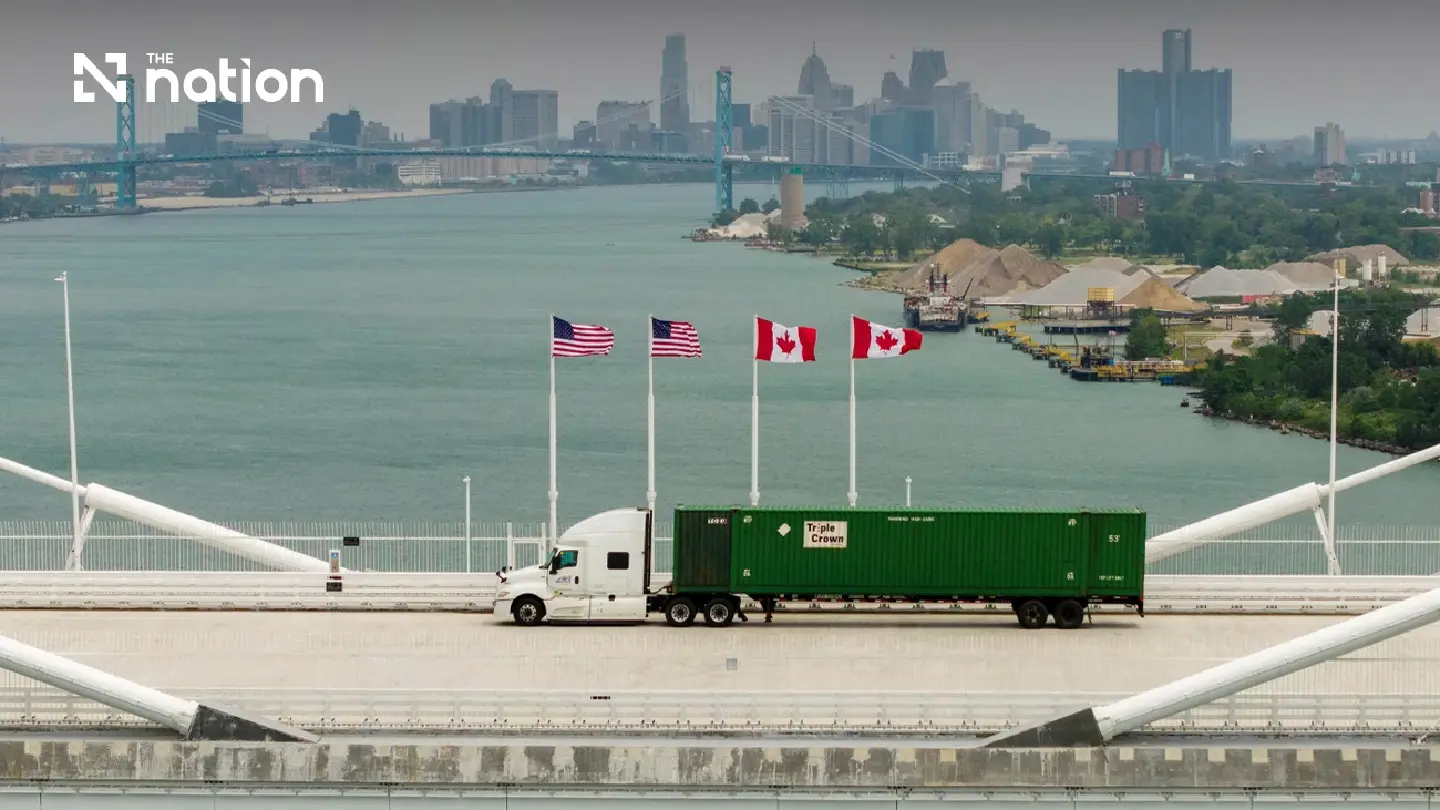


Canada has suspended trade negotiations and pledged matching retaliation after the US imposed 50% tariffs on US$20 billion of Canadian goods
- The United States imposed 50% tariffs on approximately US$20 billion of Canadian goods after last-minute trade negotiations failed.
- In direct response, Canada suspended the trade talks and ordered its negotiating team to return home.
- Canada has pledged to implement matching "dollar for dollar" retaliatory measures against the new U.S. tariffs.
- Both nations are blaming each other for the breakdown in talks; Canada cited "unfair" last-minute changes, while the U.S. claimed Canada backed out of an agreed-upon deal.
The United States imposed 50% tariffs on about US$20 billion of Canadian goods on Saturday (August 22, 2026) after last-minute negotiations failed to produce an agreement.
Canada responded by suspending trade talks and promising matching retaliatory measures, with Washington and Ottawa each accusing the other of derailing negotiations between the long-standing allies, Reuters reported.
The duties took effect shortly after midnight US Eastern Time and cover products including wine, furniture, dairy goods, cement, clothing, fishing equipment and ice-hockey products.
Canada suspends negotiations
Canadian Prime Minister Mark Carney ordered his country’s negotiating team to return to Ottawa and pledged to respond “dollar for dollar” to the new tariffs.
Carney accused the US of making last-minute changes that were “unfair” and “uneconomic”, arguing that the revisions undermined confidence in any potential agreement.
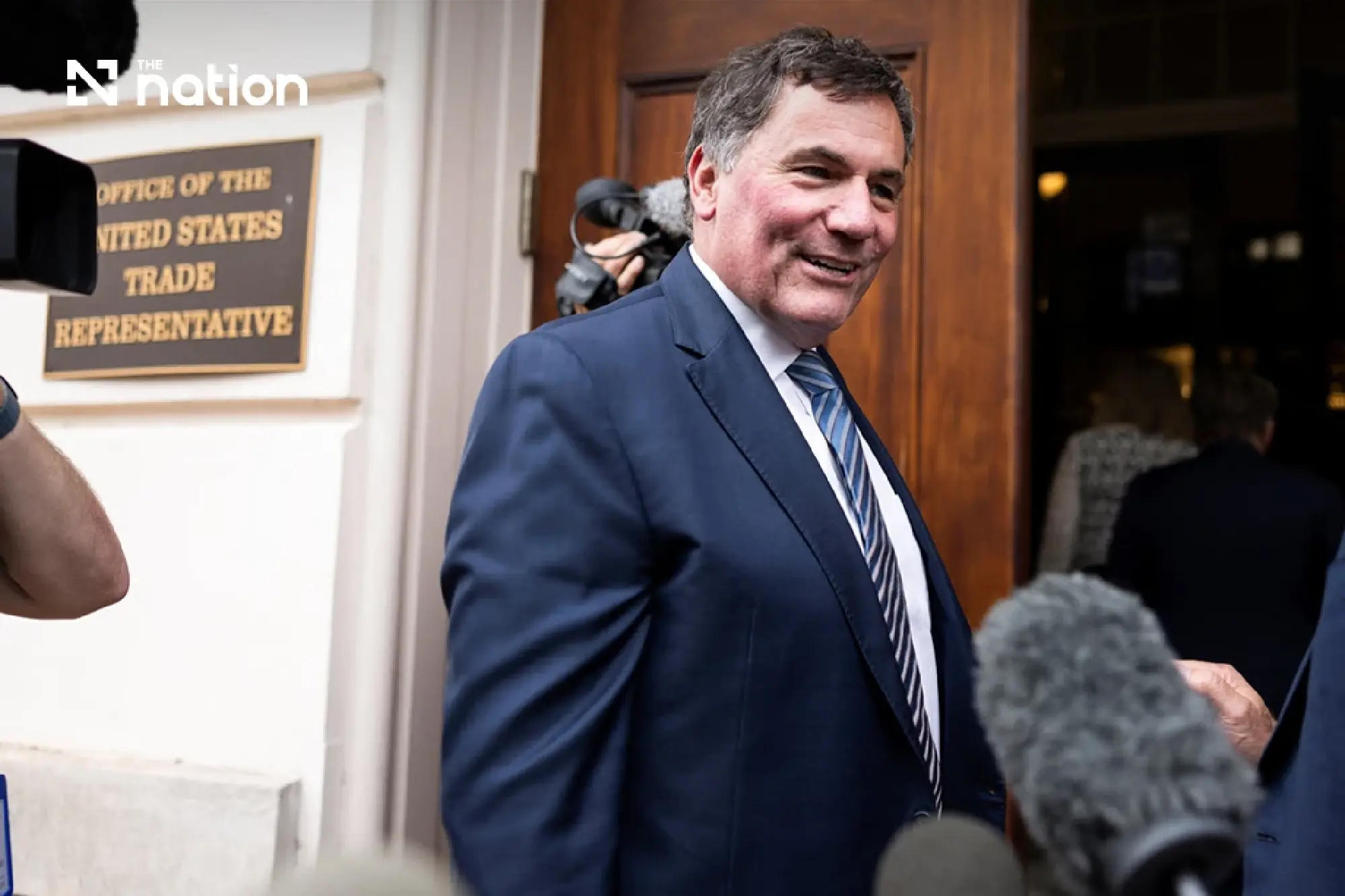
The Canadian negotiating team had been working in Washington for three days under Dominic LeBlanc, the minister responsible for trade with the US.
Washington blames Canada for failed agreement
US Trade Representative Jamieson Greer said Canada had declined to finalise a deal under terms that Washington believed had been agreed earlier in the week.
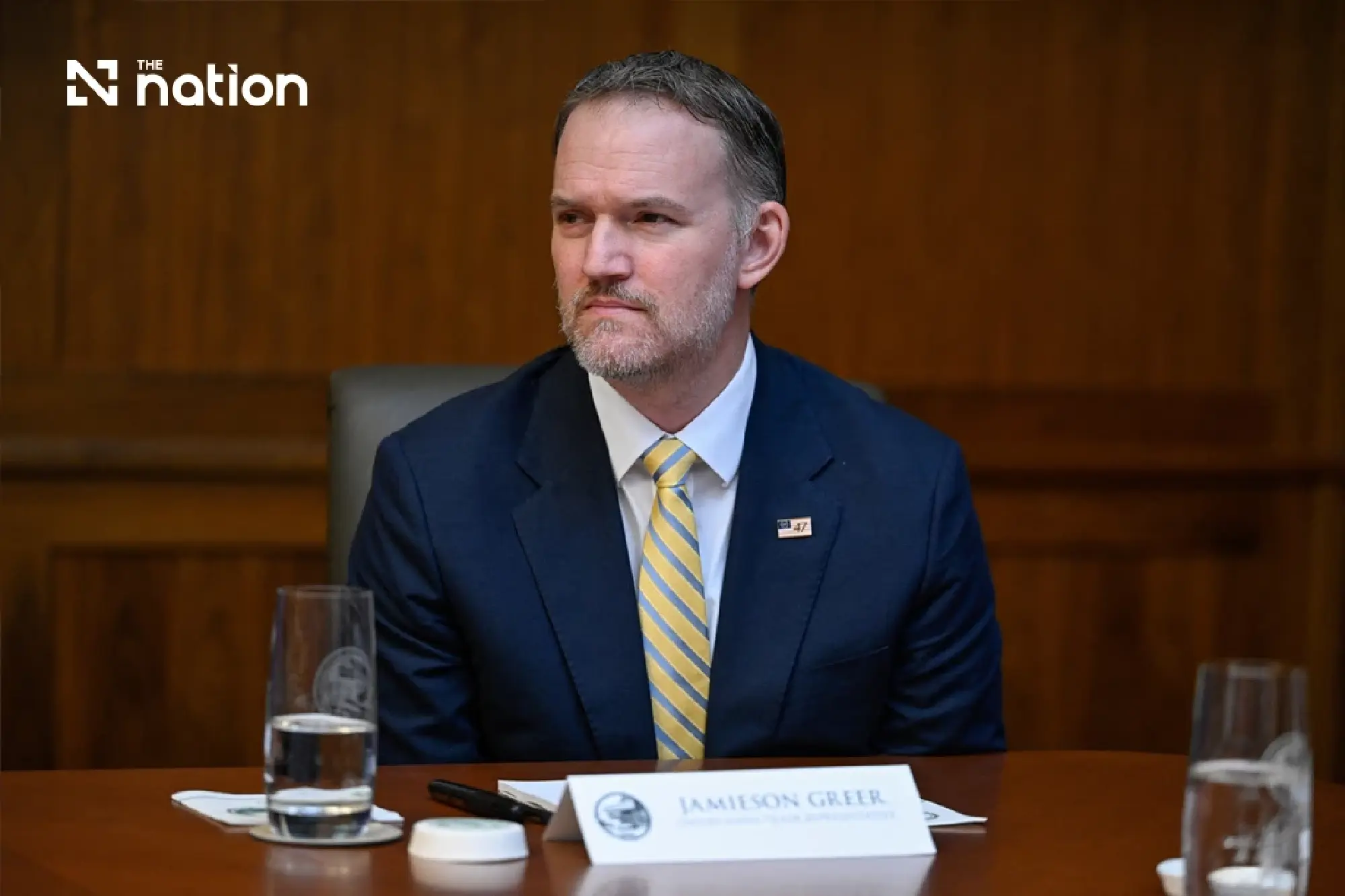
Greer described the outcome as a “missed opportunity” for Canada.
A senior Trump administration official maintained that the US proposal would have given Canada more favourable tariff treatment than other major exporters. The official accused Ottawa of seeking further concessions covering steel, aluminium, vehicles and softwood lumber.
No additional negotiations had been scheduled when the tariffs took effect.
Proposed concessions fail to secure deal
The two sides had appeared close to an agreement only hours before the negotiations collapsed.
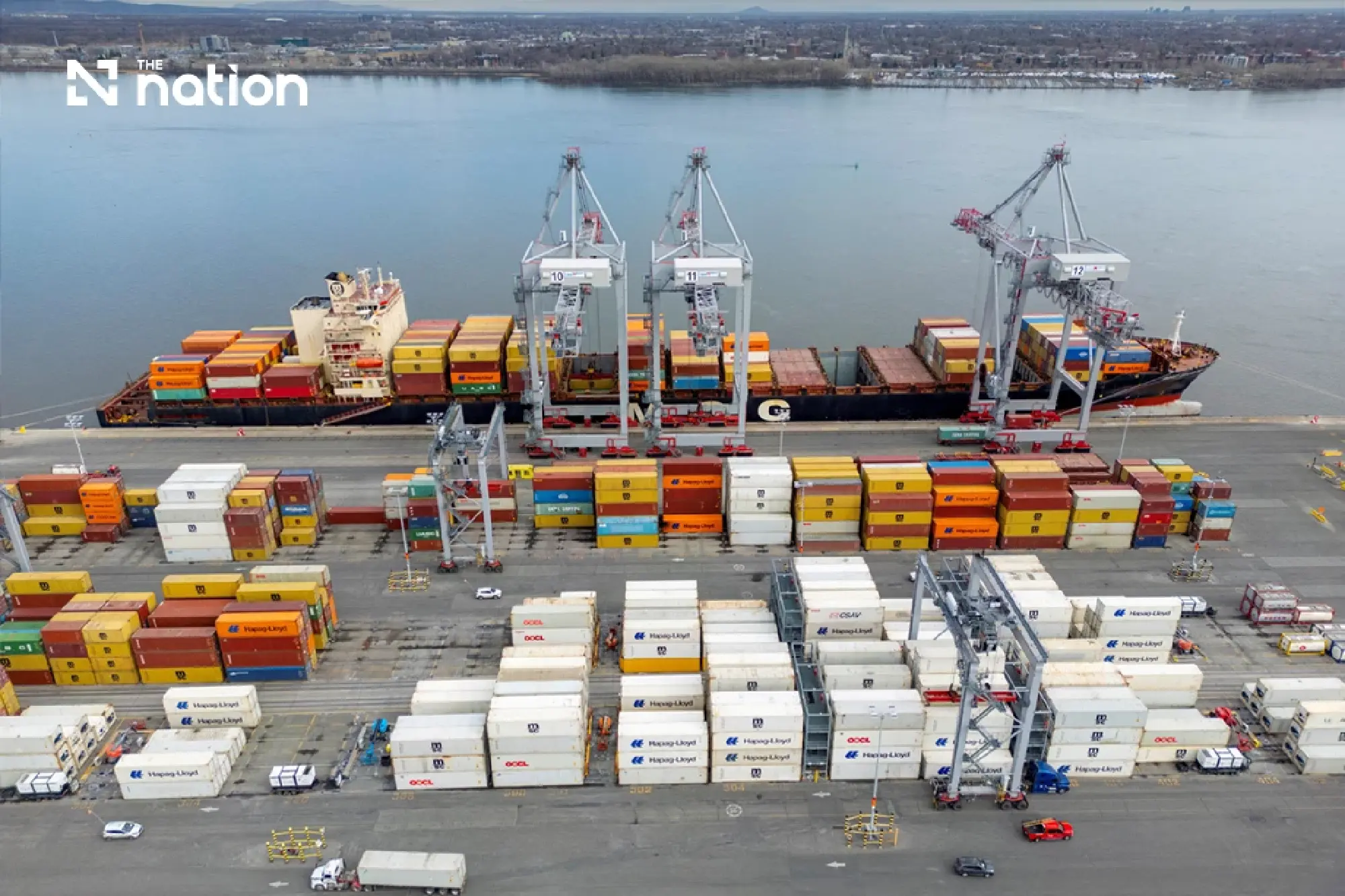
The proposed arrangement was expected to lower US tariffs on Canadian steel, aluminium and vehicles. It could also have led to American alcoholic drinks returning to Canadian provincial liquor stores.
The tariff package was originally announced in July before its implementation was postponed for three days to allow negotiations to continue.
Wider trade relationship faces greater uncertainty
The affected products represent slightly more than 5% of Canadian exports to the US, limiting the immediate effect on overall bilateral trade.
However, the new tariffs add to existing US duties on Canadian steel, lumber and vehicles. Trade specialists have warned that vulnerable businesses in the affected sectors could face job losses or closure.
The dispute may also complicate negotiations over the future of the United States-Mexico-Canada Agreement, the three-country free-trade framework governing much of North American commerce.
