
COP31 ends in deadlock as EU and UK reject climate pact over failure to address fossil fuels
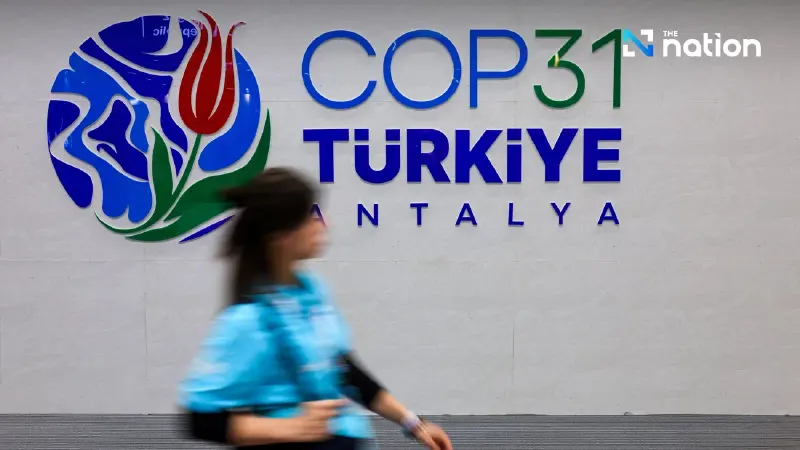


COP31 climate talks in Turkey end without a major agreement after the EU, UK and other countries reject a draft deal that fails to address the transition away from fossil fuels.
The COP31 United Nations climate summit in Antalya, Turkey, ended without an overarching agreement on Sunday (November 22, 2026), after the European Union, the United Kingdom and several developing countries rejected a proposed deal that failed to explicitly address the transition away from fossil fuels.
The breakdown followed more than two weeks of negotiations involving nearly 200 countries, with talks extending two days beyond their scheduled conclusion, making COP31 the longest UN climate summit on record.
The proposed agreement, known as the "Antalya Pact", was drafted under the joint leadership of Turkey and Australia but failed to secure the consensus required for adoption.
The central dispute concerned the absence of an explicit commitment to move away from coal, oil and gas, despite more than 130 countries calling for stronger action on fossil fuels.

EU refuses to endorse deal that ignores fossil fuels
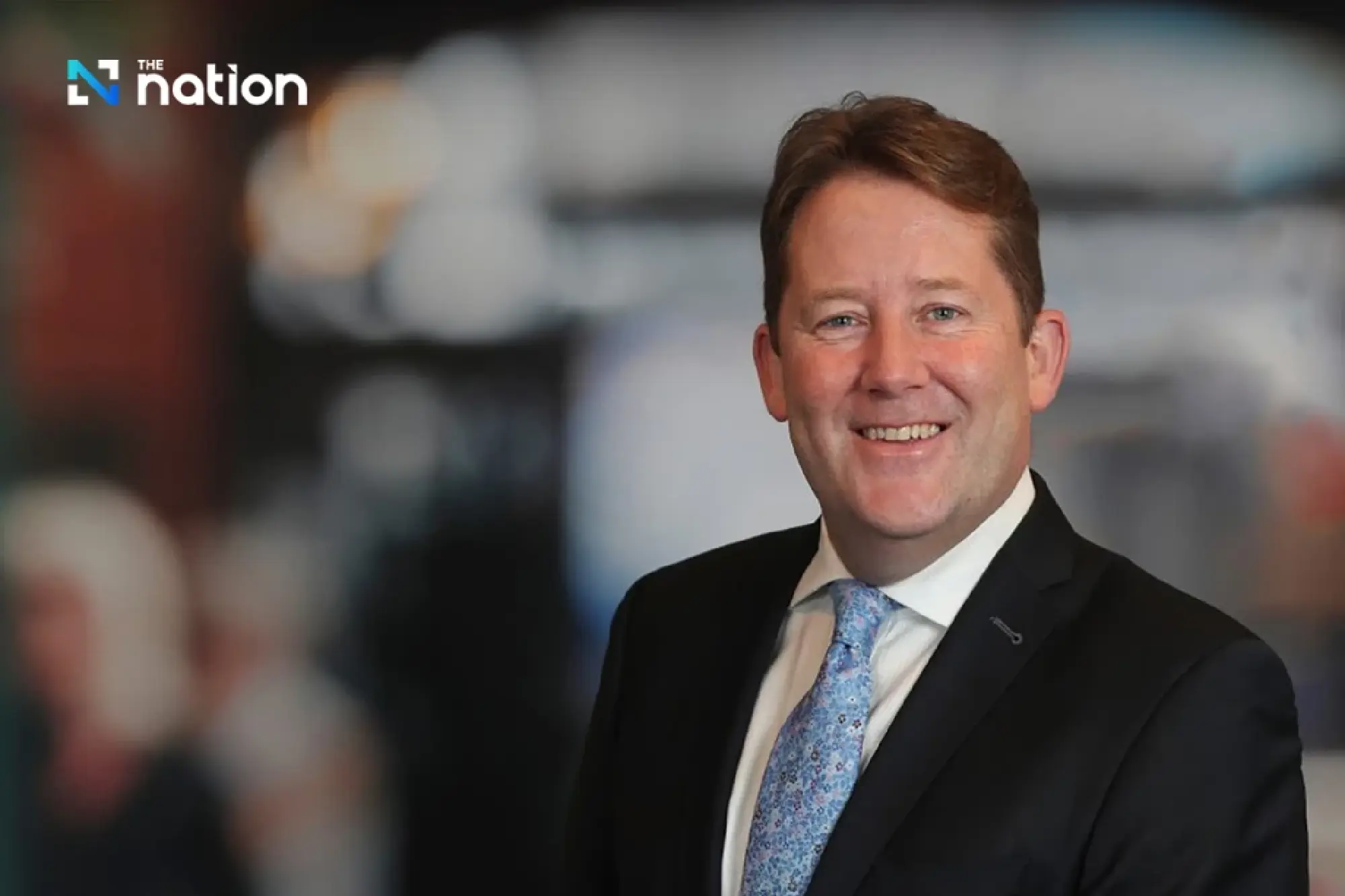
Ireland's Minister for Climate, Energy and the Environment, Darragh O'Brien, speaking on behalf of the EU, said the proposed agreement was inadequate and failed to reflect the urgency of the climate crisis.
He argued that the draft did not respond sufficiently to scientific evidence and risked widening the gap between international climate commitments and the measures required to meet them.
O'Brien stressed that the EU would not endorse an agreement that failed to explicitly mention fossil fuels, the primary driver of global warming.
He also warned against adopting language that could amount to "greenwashing" the fossil fuel industry.
The EU's opposition was supported by the UK and several other countries, including Panama, the Marshall Islands and Norway.
Some of the world's most climate-vulnerable nations argued that the proposed agreement did not provide sufficient guarantees on emissions reductions or protection against worsening climate impacts.
Antalya Pact fails to secure consensus
The proposed Antalya Pact included measures encouraging countries to increase electrification, expand climate finance for developing nations and minimise the extent to which global temperatures exceed the Paris Agreement's 1.5°C target.
However, the draft failed to explicitly endorse the transition away from fossil fuels, a commitment supported by more than 130 countries.
It also contained provisions concerning carbon capture and storage (CCS), a technology designed to capture carbon dioxide emissions and prevent them from entering the atmosphere.
Critics argued that excessive reliance on the technology could allow fossil fuel production and consumption to continue without sufficient reductions.
Saudi Arabia defended the inclusion of carbon capture technologies, while China, Pakistan and the African Group did not reject the proposed agreement, despite reservations among some delegations.
Pakistan argued that disagreements over individual provisions should not prevent countries from adopting other measures that could advance international climate action.
Ghana also expressed concerns about the negotiating process but maintained that international co-operation remained essential.
The differences highlighted divisions between countries demanding stronger commitments to phase down fossil fuel use and those prioritising flexibility in energy policy and economic development.
COP31 president acknowledges failure to reach agreement
Turkey's COP31 president, Murat Kurum, acknowledged that the proposed overarching agreement could not be adopted because the participating countries had failed to reach consensus.
He said the conference leadership had made extensive efforts to reconcile competing positions but would not impose an agreement on countries that opposed its provisions.
Australia's Climate Change and Energy Minister Chris Bowen, who served as COP31 president of negotiations, described the outcome as deeply disappointing.
He said differences over fossil fuels and climate finance had proved impossible to bridge despite prolonged negotiations.
Although the main agreement collapsed, the conference adopted decisions on several other issues, including measures supporting a just transition for workers and communities affected by the shift towards lower-carbon economies.
These outcomes prevented the summit from ending without any agreements, although the failure to adopt an overarching political declaration represented a significant setback.
Climate experts criticise lack of progress
Bill Hare, chief executive of climate advisory group Climate Analytics, welcomed the refusal of several countries to endorse what they considered an inadequate agreement.
He said their opposition demonstrated a willingness to challenge the influence of fossil fuel interests in international climate negotiations.
However, Mohamed Adow, director of the African climate think tank Power Shift Africa, criticised the summit's outcome and questioned the role of wealthy countries.
He described COP31 as the worst climate summit to date, arguing that developed nations had failed to provide adequate support for countries already suffering from climate-related disasters.
Adow also accused European governments of inconsistency, saying they demanded stronger fossil fuel transition plans from other countries while continuing to support fossil fuel expansion themselves.
For vulnerable countries facing crop failures, damaged homes and rising debt, he warned that insufficient climate finance could deepen the consequences of global warming.
UN admits outcome falls short of expectations
Simon Stiell, executive secretary of the United Nations Framework Convention on Climate Change (UNFCCC), acknowledged that the negotiations had fallen short of expectations.
However, he emphasised that progress had been achieved on several other negotiating issues, despite the failure to adopt the main agreement.
UN Secretary-General António Guterres also expressed disappointment at the lack of consensus on an overarching climate deal.
The setback comes amid increasing concern about the world's ability to limit global warming to 1.5°C above pre-industrial levels, as extreme weather events, including heatwaves, floods and droughts, continue to threaten communities and economies worldwide.
The failure to secure an Antalya Pact leaves governments facing renewed pressure to strengthen emissions reduction commitments, address their dependence on fossil fuels and improve financial support for developing countries.
While COP31 failed to deliver a unified political agreement, existing international climate commitments remain in force.
Negotiations are expected to continue ahead of COP32 as countries seek common ground on the unresolved issues of fossil fuel transition, climate finance and global emissions reductions.
Source: Thansettakij
