
IndiGo to suspend Krabi flights as jet fuel crisis drives up costs
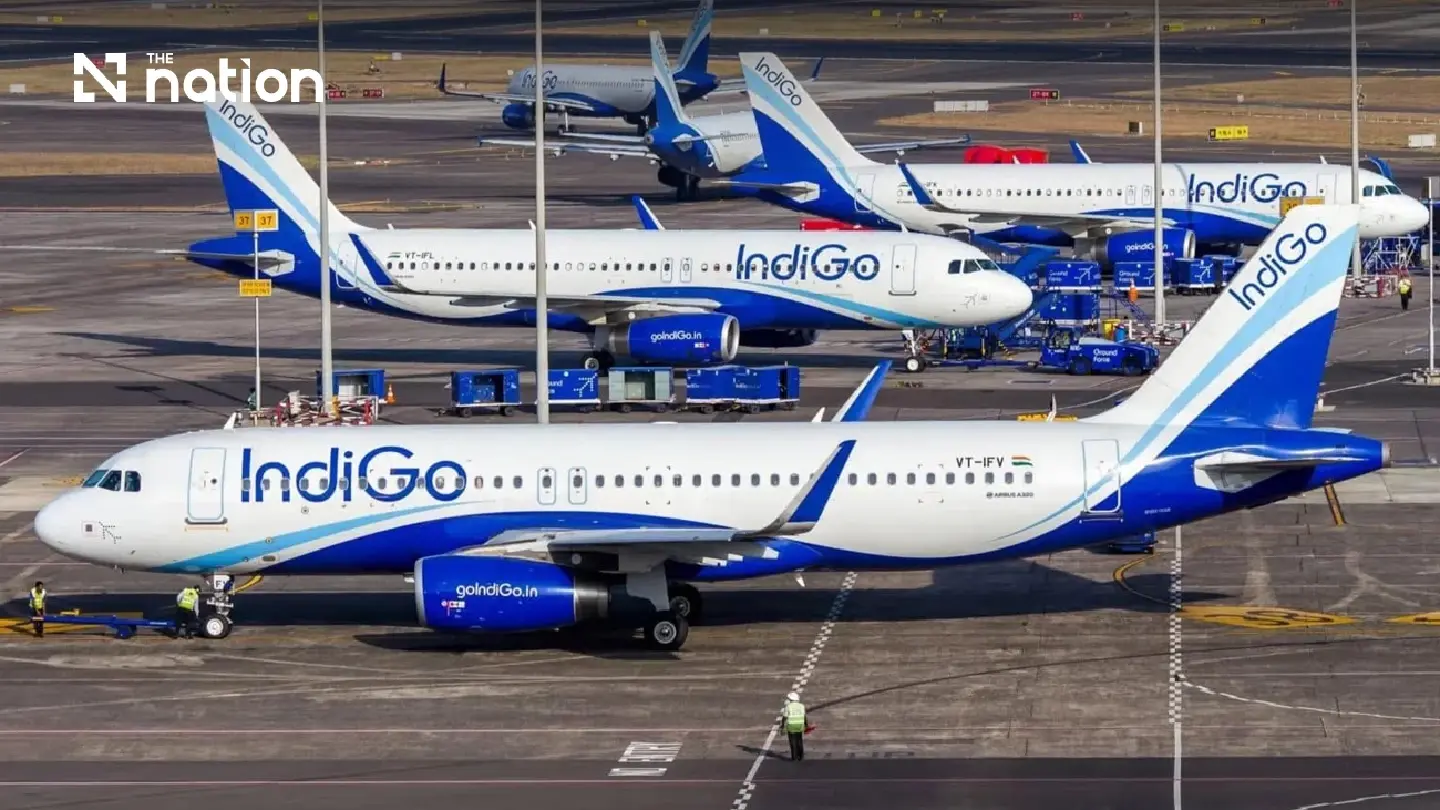


India’s largest low-cost carrier, IndiGo, will temporarily suspend direct flights to Krabi from July 1 to September 30, 2026, as soaring jet fuel prices and weak low-season demand put pressure on airline operating costs.
- IndiGo will temporarily suspend its direct flights to Krabi from July 1 to September 30, 2026, as part of a network restructuring.
- The suspension is a response to soaring operating costs and slower passenger demand during the tourism low season.
- A primary cause is the tripling of jet fuel prices, which now account for over 50% of total operating expenses, up from about 30% previously.
- The airline has stated the suspension is temporary and plans to resume the route from October 1, 2026, or possibly sooner if market conditions improve.
India’s largest low-cost carrier, IndiGo, has announced that its direct service to Krabi will be suspended from July 1 to September 30, 2026, as part of a restructuring of its international route network.
The move is aimed at responding to higher operating costs and slower passenger demand during the third quarter, which falls outside the peak tourism season.
In addition to Krabi, IndiGo will also suspend flights to five other destinations: Langkawi, Hong Kong, Shanghai, Ho Chi Minh City and Siem Reap. Most of these routes will be paused from July 1, while the Siem Reap service will be suspended from July 3.
The airline explained that the decision formed part of its capacity management strategy to match current market conditions, while also addressing airspace restrictions and persistently high operating costs.
IndiGo confirmed that the suspension is temporary and that bookings for all affected routes are expected to resume from October 1, 2026. The airline will maintain most of its international network, operating more than 1,800 international flights per week.
It also emphasised that it would closely monitor fuel costs and travel demand, and may consider resuming the Krabi route earlier than scheduled if market conditions improve.
Fuel costs have now more than tripled, prompting airlines to restructure pricing and flight schedules in line with actual costs. The increase has slowed passenger volumes, leading carriers to reduce frequencies or temporarily pause selected routes during the low season, while maintaining sufficient capacity on core routes.
Carriers are also ready to add flights again once fuel costs ease and demand recovers.
The impact of the Middle East conflict has been especially severe for aviation fuel. Jet A-1 prices have climbed to two to three times their pre-conflict levels, rising from around US$80 per barrel to more than US$240 per barrel.
This has pushed up costs per flight, with fuel now accounting for more than half of total operating expenses, compared with about 30% previously.
