
Samui heats up as luxury villas drive 53bn-baht property boom



Koh Samui’s residential market continues to grow, with luxury villas leading investment worth more than 53 billion baht as foreign buyers keep driving demand.
- Koh Samui's residential property market is booming, with a total value exceeding 53.2 billion baht across 113 projects.
- Luxury holiday villas are the primary driver of this growth, accounting for over half of the market's total value at nearly 30 billion baht.
- The market is dominated by foreign buyers, particularly from Europe, who make up 85-90% of the total demand for properties.
- The island is transitioning from a tourist spot to a long-term residential community, reflected in the growth of housing estates and rising luxury condo prices.
Phattarachai Taweewong, director of research and communications at Colliers Thailand Ltd, said the overall residential market on Koh Samui continued to grow in the first quarter of 2026, reflecting the island’s role as one of Thailand’s strongest international property markets for both investment and residential use.
There are currently 113 residential projects for sale on the island, comprising 2,422 units with a combined investment value of more than 53.2 billion baht. These include condominiums, holiday villas and housing estates, reflecting a market structure that remains in a sustained growth phase amid strong demand from foreign buyers.
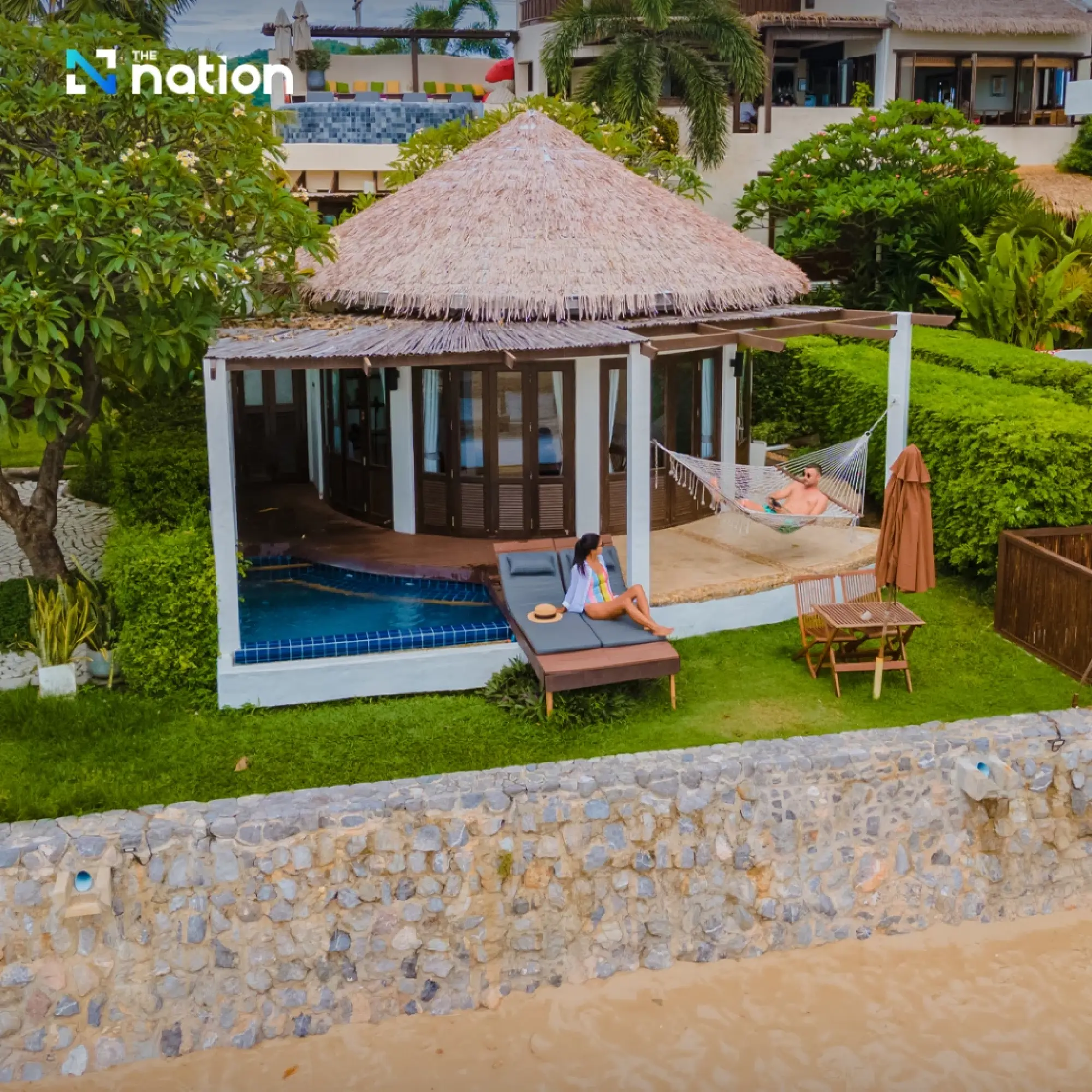
Luxury villas dominate with nearly 30bn baht in market value
The holiday villa market remains the star performer on Koh Samui, with 65 projects under sale, comprising 749 units worth more than 29.85 billion baht. This accounts for more than half of the island’s total residential market value.
Popular locations remain key beach areas such as Mae Nam, Chaweng, Bophut and Lamai, which offer strong advantages in terms of sea views, privacy and income potential from short-term rentals to tourists.
The growth of the villa market shows that foreign investors no longer view Samui merely as a holiday destination, but increasingly see it as a long-term asset capable of generating returns while also supporting a lifestyle choice.
Samui condo prices top 200,000 baht per square metre
Another key sign of market strength is the rise in condominium prices on Koh Samui.
There are currently nine condominium projects for sale, comprising 1,214 units with a combined value of around 6.03 billion baht. Most are located in high-potential areas such as Chaweng-Bophut and Lamai, which are the island’s main tourism and lifestyle hubs.
Although average selling prices remain in the range of 60,000-80,000 baht per square metre, the market is starting to see luxury projects priced above 200,000 baht per square metre. This reflects strong purchasing power among high-end buyers and increasingly intense competition over project quality.
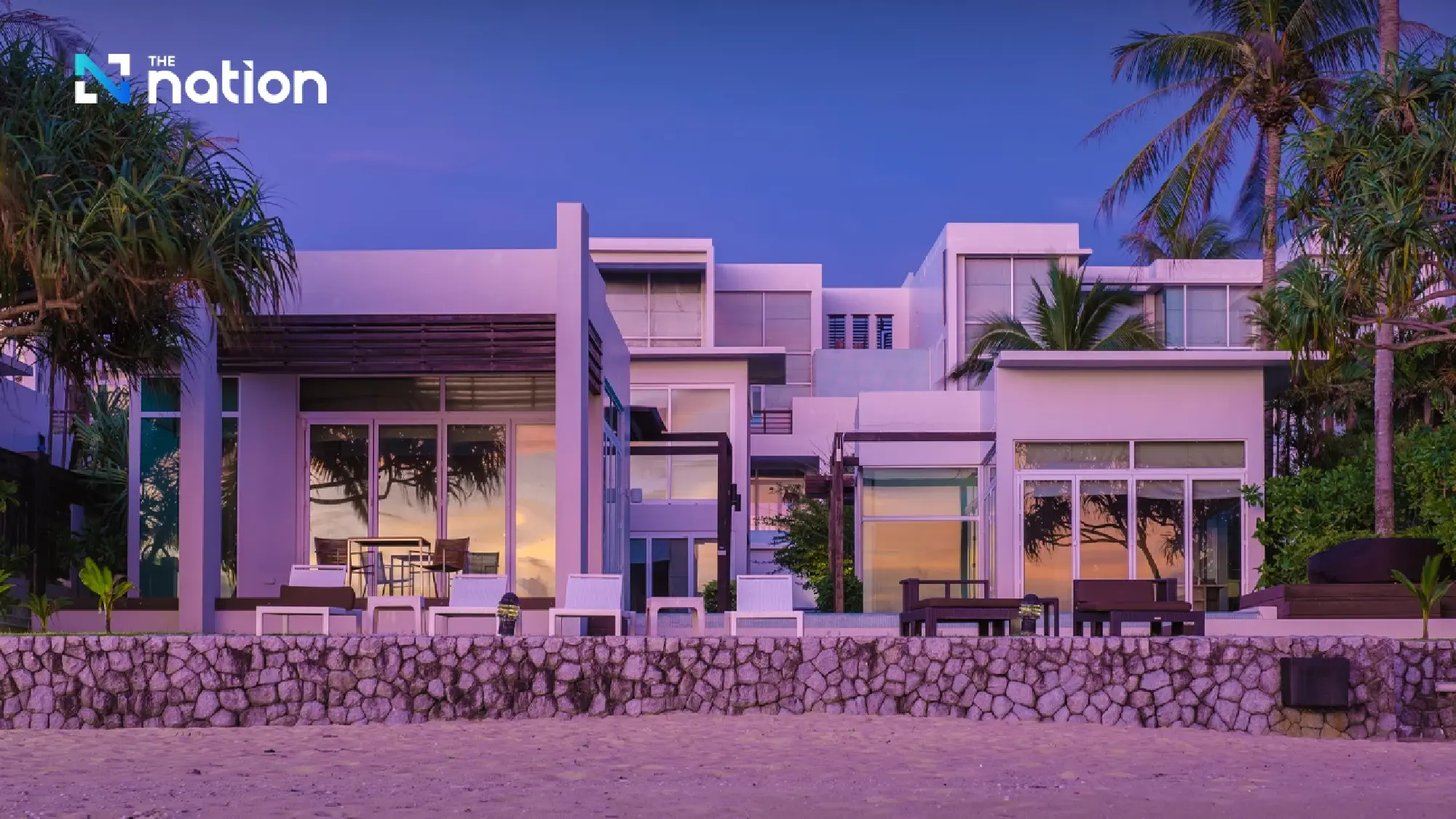
Housing estates grow on ‘relocation for real living’ trend
Beyond the resort and holiday villa markets, housing estates on Koh Samui are also benefiting from the trend of foreign residents relocating for long-term stays.
There are currently 39 housing estate projects, comprising 459 units worth more than 17.32 billion baht. Most are concentrated in the northern part of the island, which is quieter and more suitable for residential living than commercial tourism.
This trend shows that Samui is gradually expanding beyond its identity as a resort island and moving towards becoming an international residential community.
Foreign buyers control 90% of the market, led by Europeans
The main driver of the market continues to be overseas purchasing power, which accounts for as much as 85-90% of total demand.
Key investor groups include buyers from Europe, Russia, France, Australia, China and Israel, with European investors accounting for more than half of total demand.
These buyers have diverse objectives, including long-term residence, retirement, rental investment and holding property as a long-term store of value.
Thai purchasing power still accounts for only 10-15% of the market, mostly comprising local entrepreneurs and businesspeople who have long-term confidence in the island’s potential.
New supply pours into the market
Colliers data also show that the holiday villa market on Koh Samui has grown strongly over the past two years.
In 2024, around 298 new units were launched for sale. This increased to 318 units in 2025, representing growth of more than 100% compared with normal pre-growth levels and reflecting developers’ confidence in the market’s potential.
Many projects are also preparing to launch new phases to meet continued strong demand, particularly from foreign buyers seeking high-quality properties in a world-class destination.
Destination investment market
What sets Samui’s property market apart from other resort markets in Thailand is not only the scale of investment, but also the strength of its residential ecosystem.
World-class beaches, an international airport, comprehensive facilities, international schools, private hospitals and a continuously growing expatriate community are all helping lift Samui from a tourist island into an investment city.
Combined with remote working trends, foreign relocation and continued demand for luxury holiday homes, Koh Samui is moving firmly towards becoming a full-fledged destination investment market.
If this trend continues, Samui may no longer be merely one of Thailand’s world-class tourist destinations. It is increasingly on track to become one of Southeast Asia’s most important international resort property hubs in the future.
