
DITP Rallies Global Trade Envoy Network to Accelerate Processed Fruit Exports


Deputy PM Suphajee Suthumpun unveils a demand-driven strategy targeting green tech, OEM links, and high-value exports to tap global markets
- Thailand's Department of International Trade Promotion (DITP) has launched a new demand-driven strategy, convening its global trade envoys to boost exports of high-value processed fruit.
- The initiative focuses on diversifying key crops like durian, mangosteen, and coconut into value-added products, including food items (freeze-dried, purees) and non-food innovations (skincare, cosmeceuticals).
- To accelerate market entry, the plan involves immediate promotional efforts at global trade fairs, business matching within the HORECA (Hotel, Restaurant, and Catering) sector, and leveraging the Thai SELECT restaurant network.
- The strategy also aims to fortify the supply chain by providing exporters with regulatory guidance and establishing direct original equipment manufacturer (OEM) networks to connect them with local producers and cooperatives.
Deputy PM Suphajee Suthumpun unveils a demand-driven strategy targeting green tech, OEM links, and high-value exports to tap global markets.
Thailand’s Department of International Trade Promotion (DITP) has convened a global meeting of its trade diplomats to roll out a proactive export strategy for processed fruit, shifting focus towards high-value food, cosmeceutical, and bio-based markets.
The initiative, directed by Deputy Prime Minister and Minister of Commerce Suphajee Suthumpun, adopts a ‘demand-driven’ framework designed to align agricultural output directly with international consumer trends.
Advisor to the Minister of Commerce Banjongjitt Angsusingh chaired the global summit alongside DITP Director-General Sunanta Kangvalkulkij.
"This approach will allow Thai processed fruits to penetrate target markets with precision, enhance international competitiveness, and elevate long-term revenue for domestic producers and farmers," Sunanta said.

To move beyond raw agricultural commodities, the Ministry of Commerce outlined a comprehensive strategy built on three strategic pillars:
1. High-Value Product Diversification
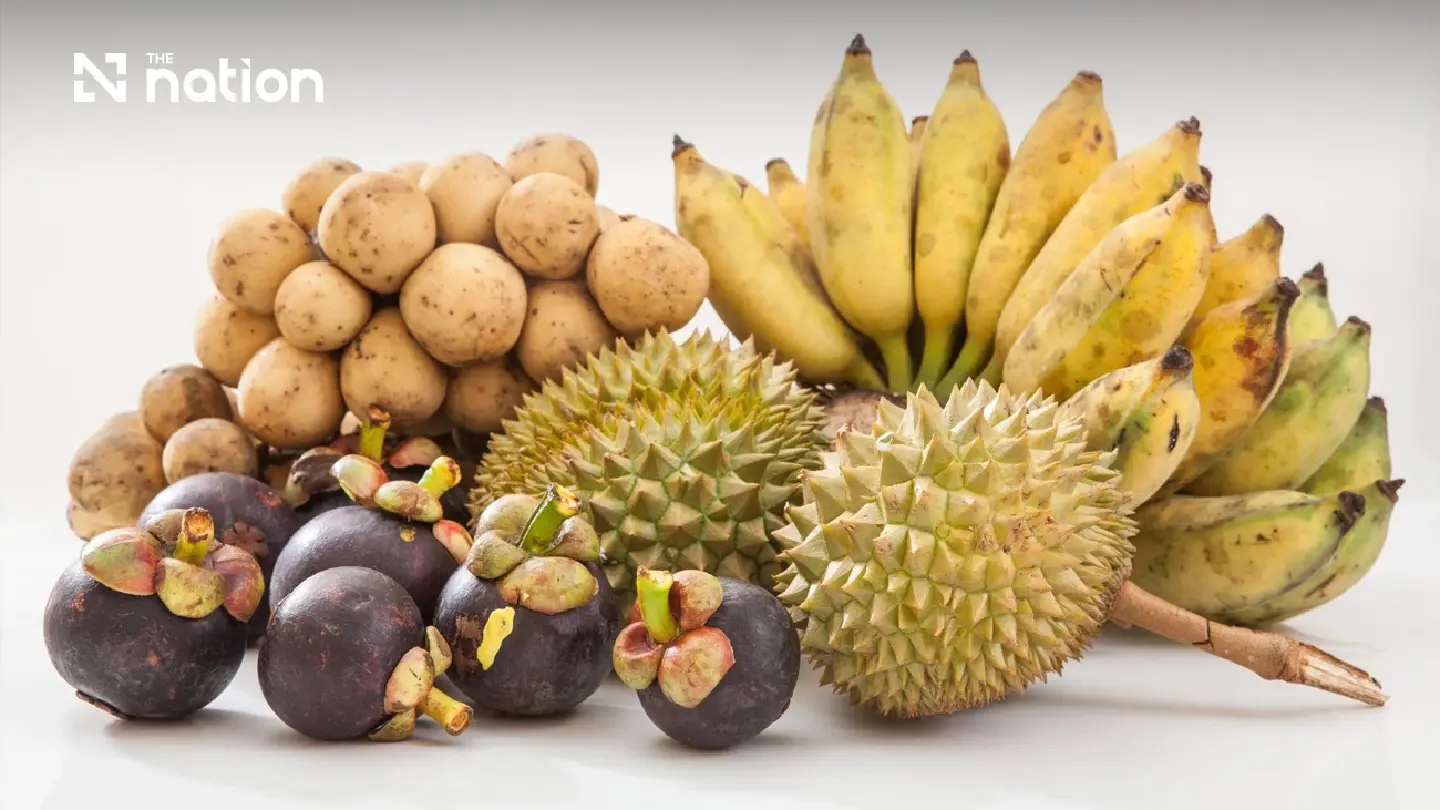
The department will incentivise processing innovation for key economic crops—including durian, mangosteen, longan, coconut, and mango—spanning two distinct product streams:
Food & Foodservice: Freeze-dried, dehydrated, frozen, purees, sauces, and premium ice creams.
Non-Food Innovation: Skincare, cosmeceuticals, and bio-based products tailored to expanding wellness markets worldwide.
2. Immediate Market Penetration (‘Quick Wins’)
The strategy incorporates immediate promotional channels to capture new market segments:
Global Trade Platforms: Increased presence at international events including THAIFEX–Anuga Asia, overseas Thai Festivals, and regional trade fairs.
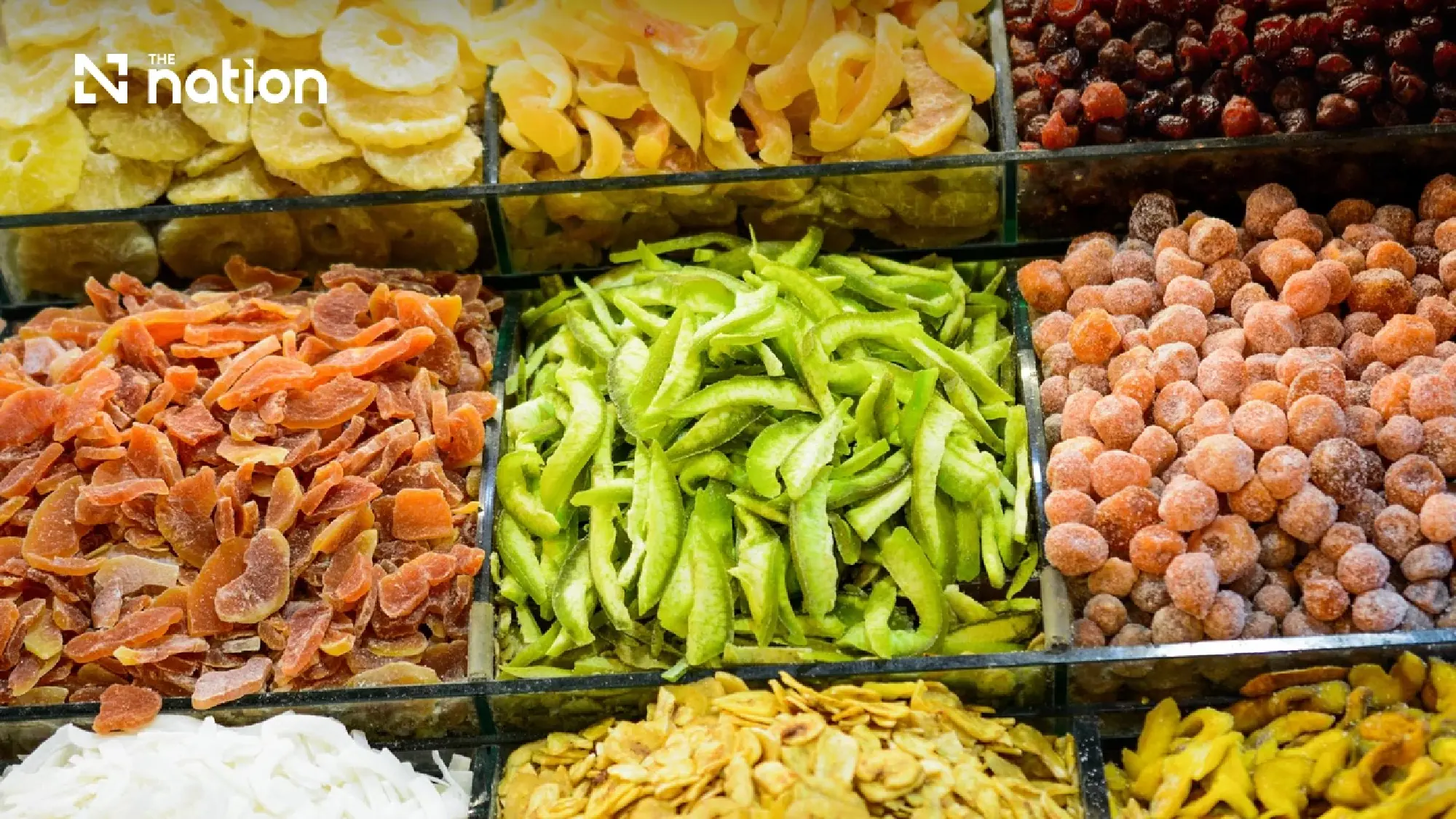
HORECA Business Matching: Strategic positioning across the HORECA (Hotel, Restaurant, and Catering) sector, leveraging the international Thai SELECT restaurant network to promote high-potential items like coconut water and dried fruits to premium gift and bakery sectors.
3. Supply Chain Integration and Compliance
To fortify export readiness, the DITP will provide exporters with detailed regulatory guidance on non-tariff barriers and import standards in destination markets.
Concurrently, the department is establishing direct original equipment manufacturer (OEM) networks between exporters, small-scale producers, and agricultural cooperatives.
Record Fresh Fruit Shipments Anchor Global Push
The strategic pivot towards processed products comes amidst unprecedented demand for Thailand’s fresh fruit exports in key Asian markets.
Data released for the period between 1 January and 19 July 2026 demonstrates robust performance in primary export corridors.
For fresh durian shipped to China, volume reached a historic milestone of 1,000,763 tonnes valued at 114.8 billion baht, surpassing the one-million-tonne mark by mid-year.
Meanwhile, fresh mangosteen exports to China reached 148,776 tonnes valued at 10.2 billion baht, remaining firmly on track to pass its 150,000-tonne target within July.
By integrating local farming groups into global supply networks, trade officials aim to insulate growers from seasonal fresh fruit price volatility while expanding Thailand’s share of the global high-value food processing industry.
