
WHO, Thailand begin regional digital health wallet cooperation



A WHO-backed workshop has launched cooperation on secure digital health wallets, aimed at letting people manage health records across services and borders.
- The World Health Organisation (WHO) and Thailand have launched a cooperation to develop a regional "Digital Health Wallet".
- The system aims to allow individuals to securely own and manage their health information, enabling the exchange of data between service providers and across countries.
- This initiative is part of a WHO-driven project in Southeast Asia, with Thailand serving as one of three pilot countries due to its advanced digital health infrastructure.

The World Health Organisation (WHO) is pressing ahead with efforts to position Thailand as a regional leader in digital health after holding the Regional Digital Health Wallets (DHW) Thailand Inception Workshop on Wednesday (June 17, 2026).
The meeting marked the start of cooperation to develop a “Digital Health Wallet”, aimed at allowing people to securely hold and manage their own health information.
The key point is that the system could also support future health-data exchange between service providers across countries.
In practical terms, patients’ records could travel with them wherever they receive treatment, allowing the information to be used anywhere in the world.
The meeting was attended by Dr Ailan Li, WHO Representative to Thailand, together with Public Health Minister Pattana Promphat, senior executives from the Ministry of Public Health, representatives from WHO headquarters, WHO Thailand and partner agencies.
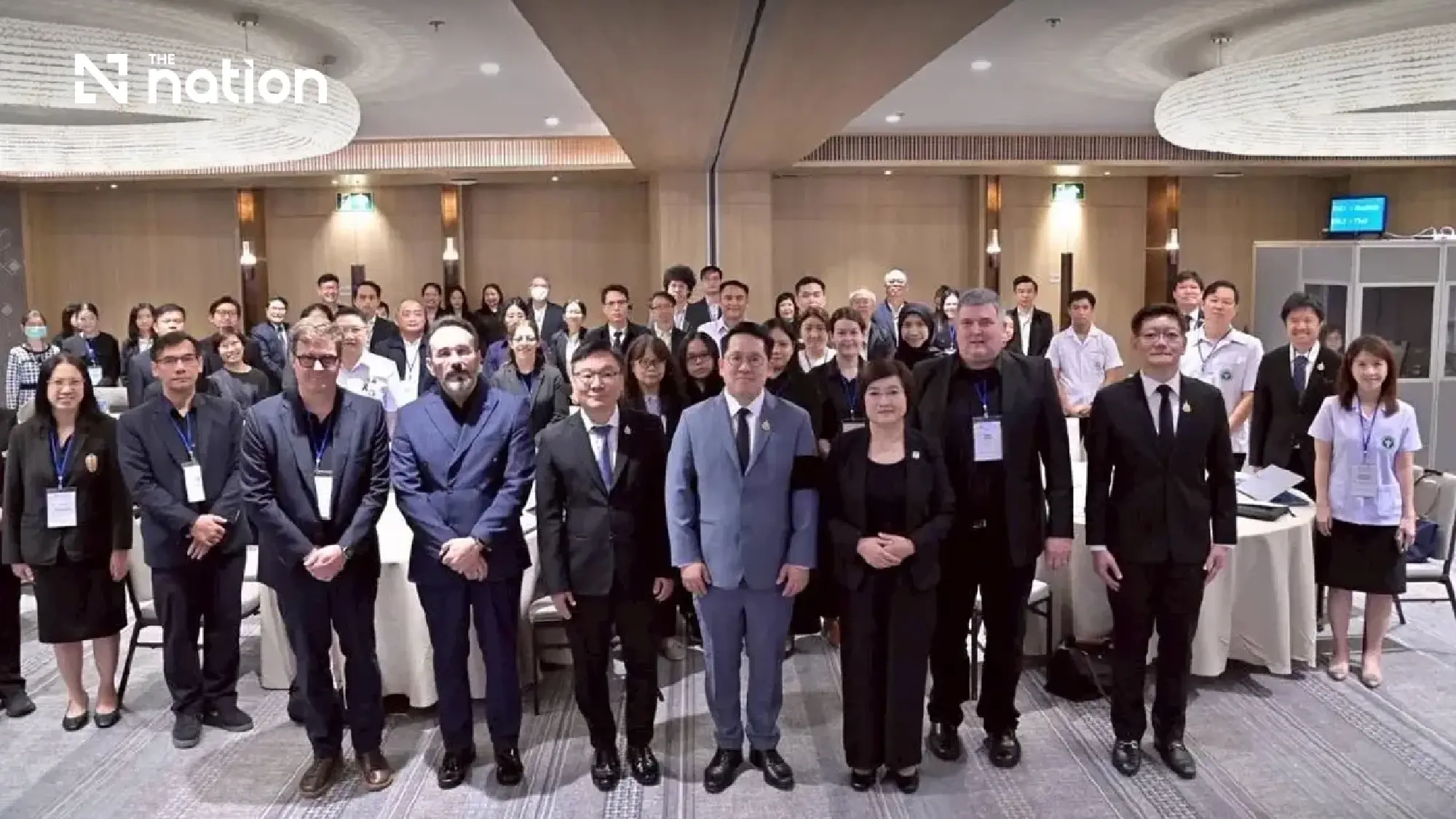
They discussed ways to drive the Regional Digital Health Wallets project in Thailand.
WHO said Thailand is among the countries in the region with strong readiness in digital health systems and is one of the first countries to join the WHO Global Digital Health Certification Network, a global standards network for secure certification and exchange of digital health information.
Dr Ailan Li said the future of digital health systems did not depend on technology alone, but also on trust, shared standards and strong data governance, enabling institutions, the public sector and people to work together to advance a people-centred health system.
WHO also emphasised the importance of developing Personal Health Records and Digital Health Wallets.
The concept allows people to own their own health information, choose to share it with medical personnel when necessary and support continuous use of health data, even when receiving treatment at different service units or in different countries under the same standards.
WHO’s Digital Health Wallets project
The Regional Digital Health Wallets project is a WHO-driven collaboration in Southeast Asia to develop interoperable digital health information systems.
Thailand is one of three pilot countries, alongside Indonesia and Lao PDR.
The three countries have different levels of digital infrastructure readiness and will be able to pass lessons on to other countries in the region.
At the World Health Assembly in May 2026, WHO executives stressed that a Digital Health Wallet is not only a data repository, but a tool that enables people to become “owners of their own health information”.
The data must be portable, verifiable and usable anywhere, including across borders.
Migrant workers, tourists and people receiving treatment at several hospitals are expected to benefit the most.
WHO reaffirmed that it would continue supporting Thailand in developing a safe, fair and people-centred digital health system, while promoting regional cooperation to help people access more continuous and efficient health services.
A Digital Health Wallet is not a WHO application, but a framework and set of standards that WHO supports countries in developing for their own systems.
The aim is to allow health information to be exchanged securely between hospitals, agencies and even across countries under common standards.
How far has Thailand’s digital health development come
The Ministry of Public Health has continued to accelerate Thailand’s transition towards a digital public health system through several initiatives.
These include:
- Upgrading “Mor Prom” from a COVID-19-era application into a comprehensive digital health service platform that supports appointments, test results, vaccine certificates and other health services.
- Developing the Personal Health Record (PHR), which allows people to access and manage their own health information, including treatment history, test results and medication records.
- Advancing Health ID, or the health identity verification system, to allow people to access services and health information securely.
- Linking health information between service units through common standards to improve continuity of care, reduce repeat testing and facilitate patient referrals.
- Developing health data standards and governance to support secure data exchange, protect personal data and prepare for the future use of digital health technology.
- Joining the WHO Global Digital Health Certification Network, reflecting Thailand’s readiness to develop digital health systems in line with international standards and providing an important basis for joining the WHO’s Regional Digital Health Wallets project.
Thailand’s participation in the WHO’s Regional Digital Health Wallets project is therefore another important step in building on the country’s digital health infrastructure.
Beyond the goal of developing a system that allows people to own their health information and supports standardised health-data exchange at national and regional levels in the future, it could also help support the Medical Hub concept by making it easier for foreigners to use health services in Thailand.
