
Piman Rattaya Throne Hall to enshrine Princess Bajrakitiyabha’s Royal Remains
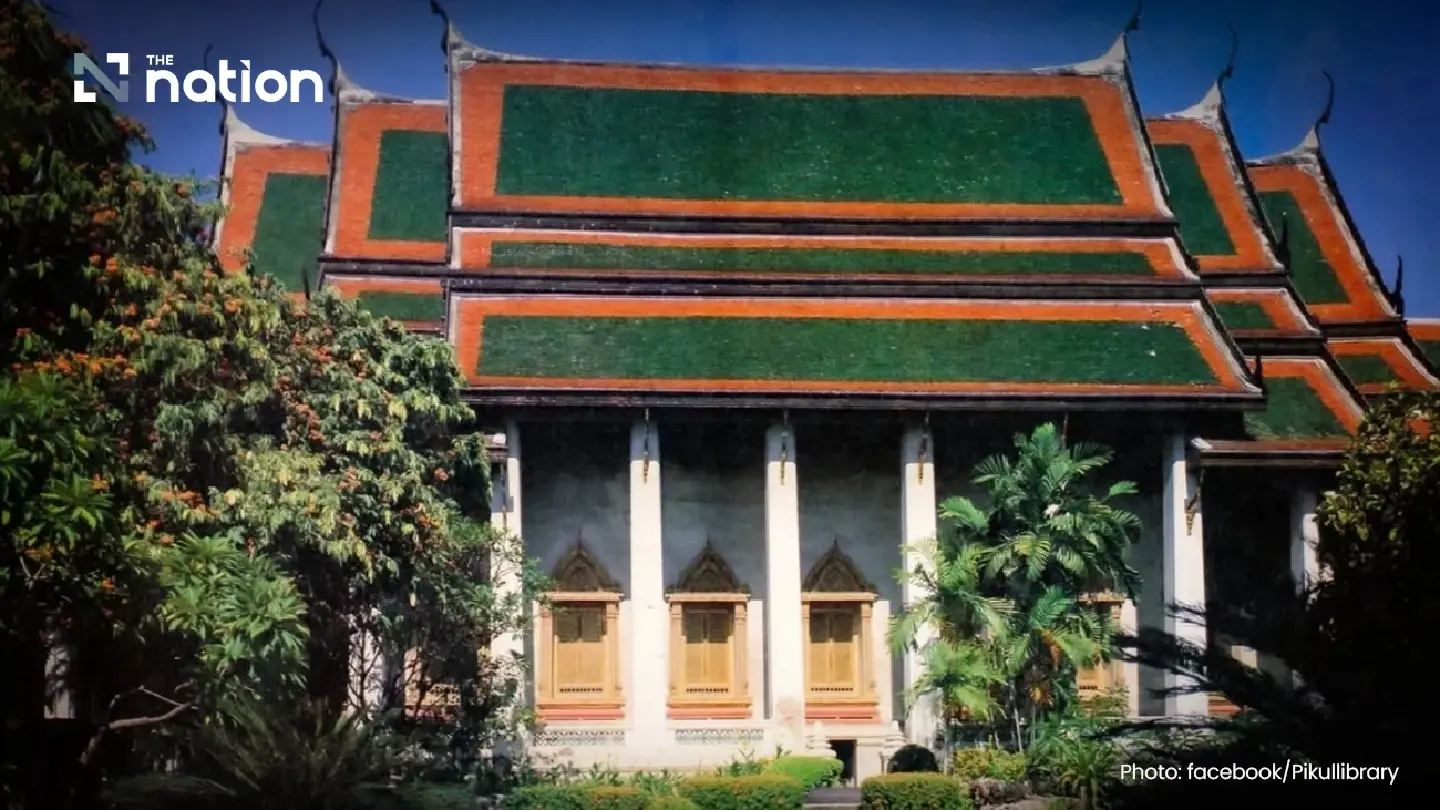


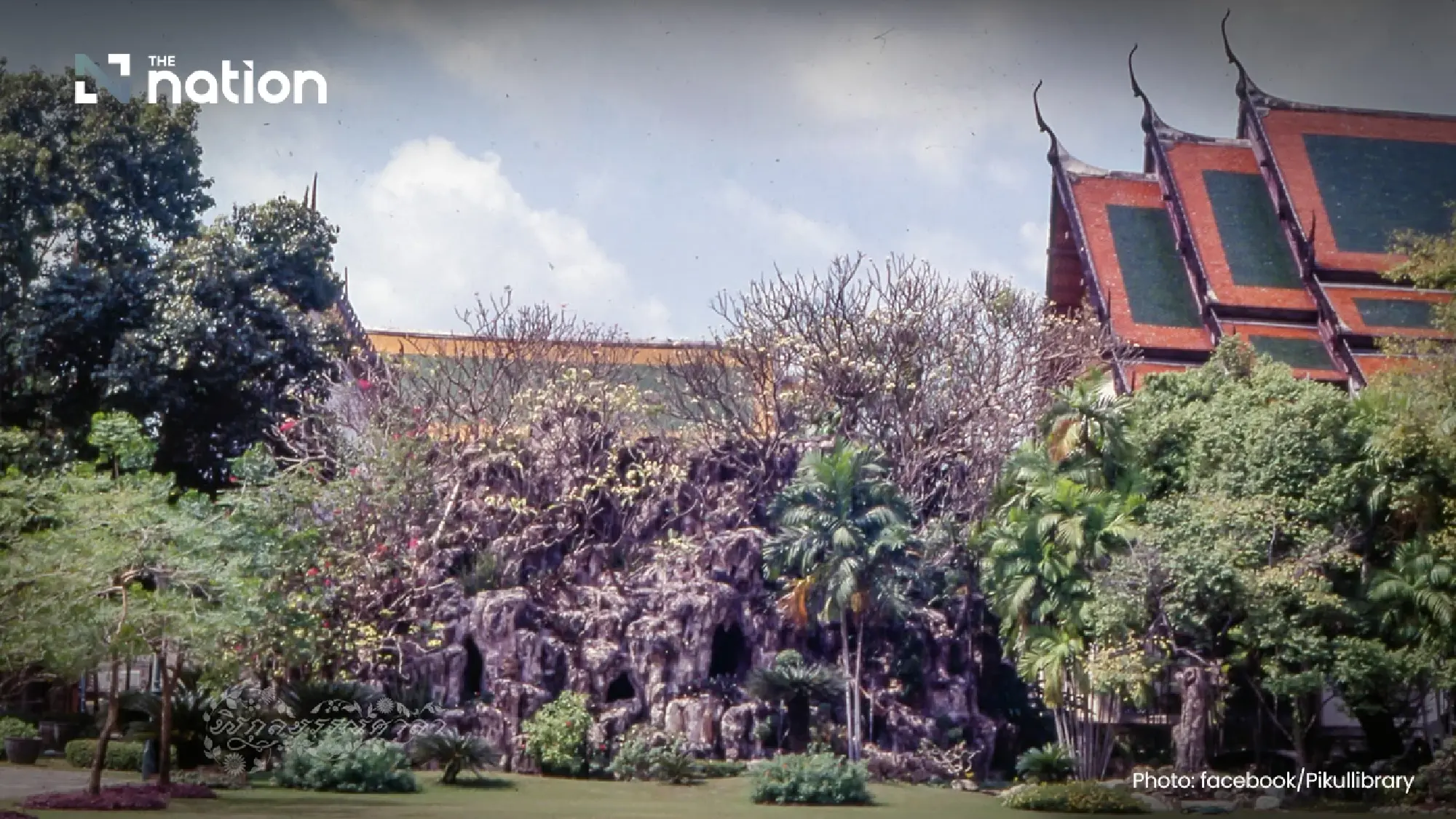
A look at Piman Rattaya Throne Hall in the Grand Palace, the site of royal bathing rites and the enshrinement of Princess Bajrakitiyabha’s Royal Remains.
The Royal Household Bureau has announced that Her Royal Highness Princess Bajrakitiyabha Narendiradebyavati Krom Luang Rajasarinisiribajra Mahavajrarajadhita passed away peacefully on Thursday, June 11, 2026, at 7.48pm at King Chulalongkorn Memorial Hospital of the Thai Red Cross Society. Her Royal Highness was 47.
The Royal Household Bureau has received royal permission for members of the public to pay respects to the Royal Remains at Piman Rattaya Throne Hall in the Grand Palace every day from 9am to 9pm.
Public access will begin after the completion of the 15-day royal merit-making rites, from Saturday, June 27, 2026.
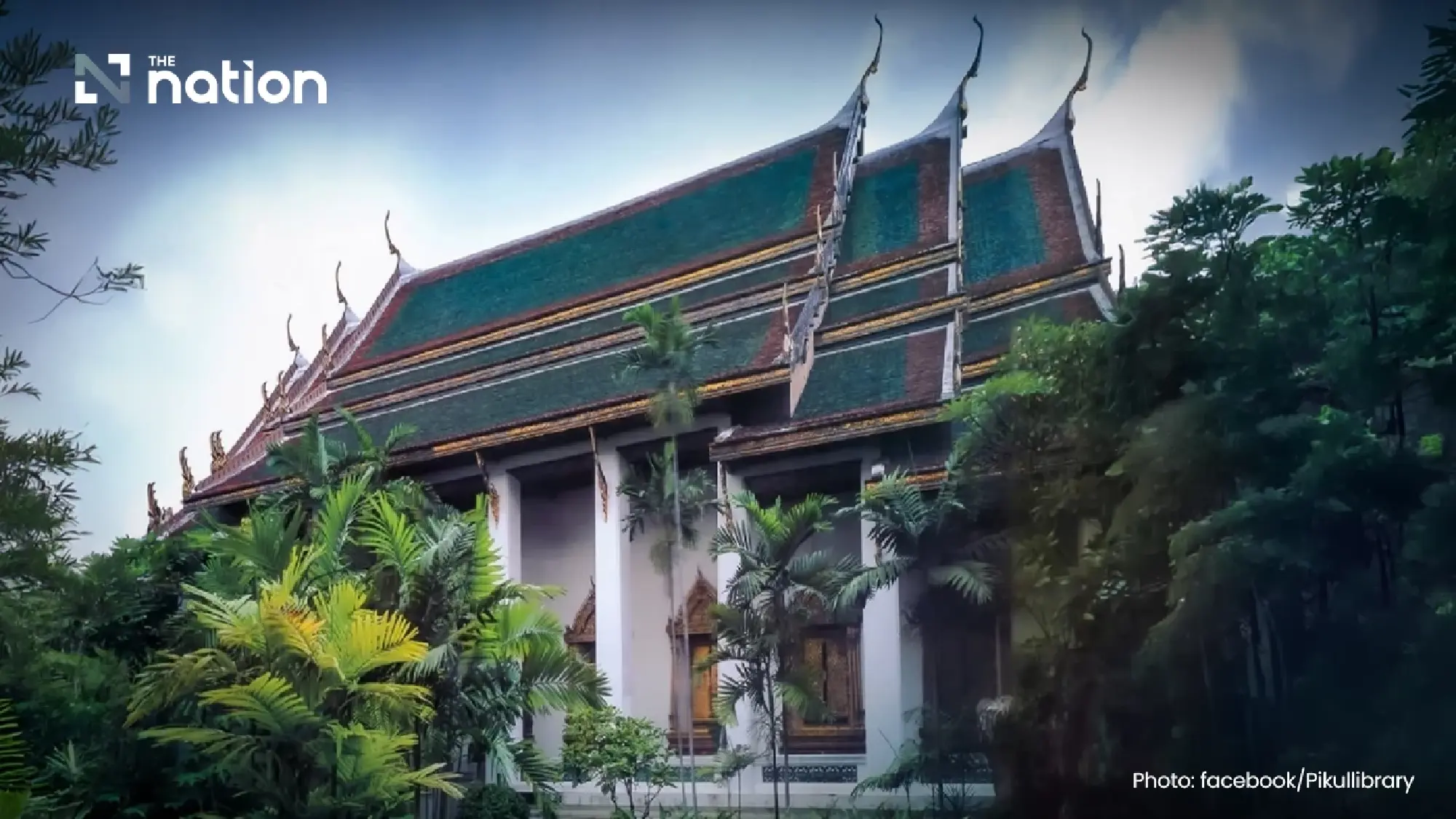
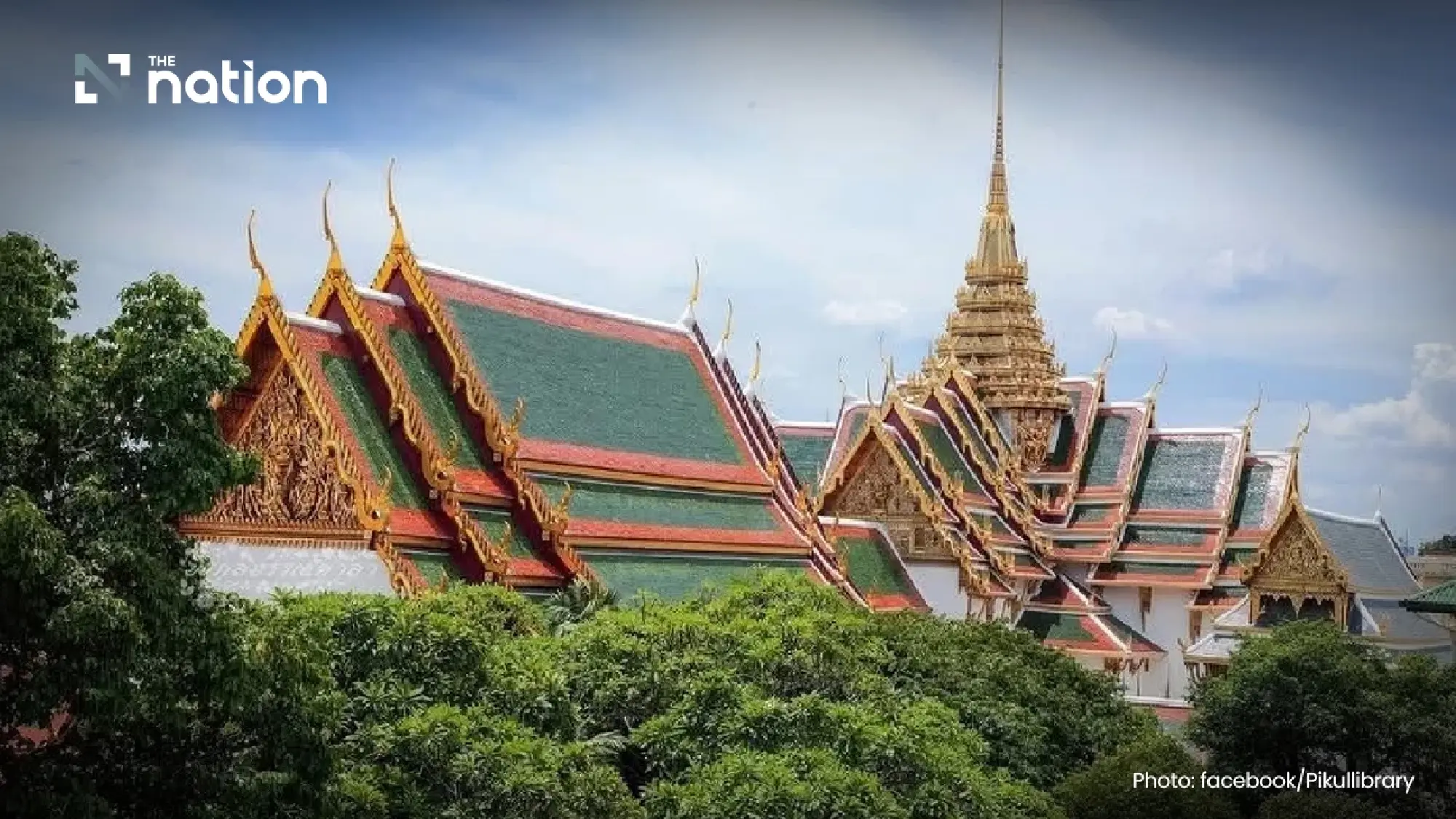
Piman Rattaya Throne Hall is a raised white masonry building surrounded by freestanding pillars supporting the roof. The throne hall is connected to Dusit Maha Prasat Throne Hall by a long hall known as the Muk Krasan, which extends southwards.
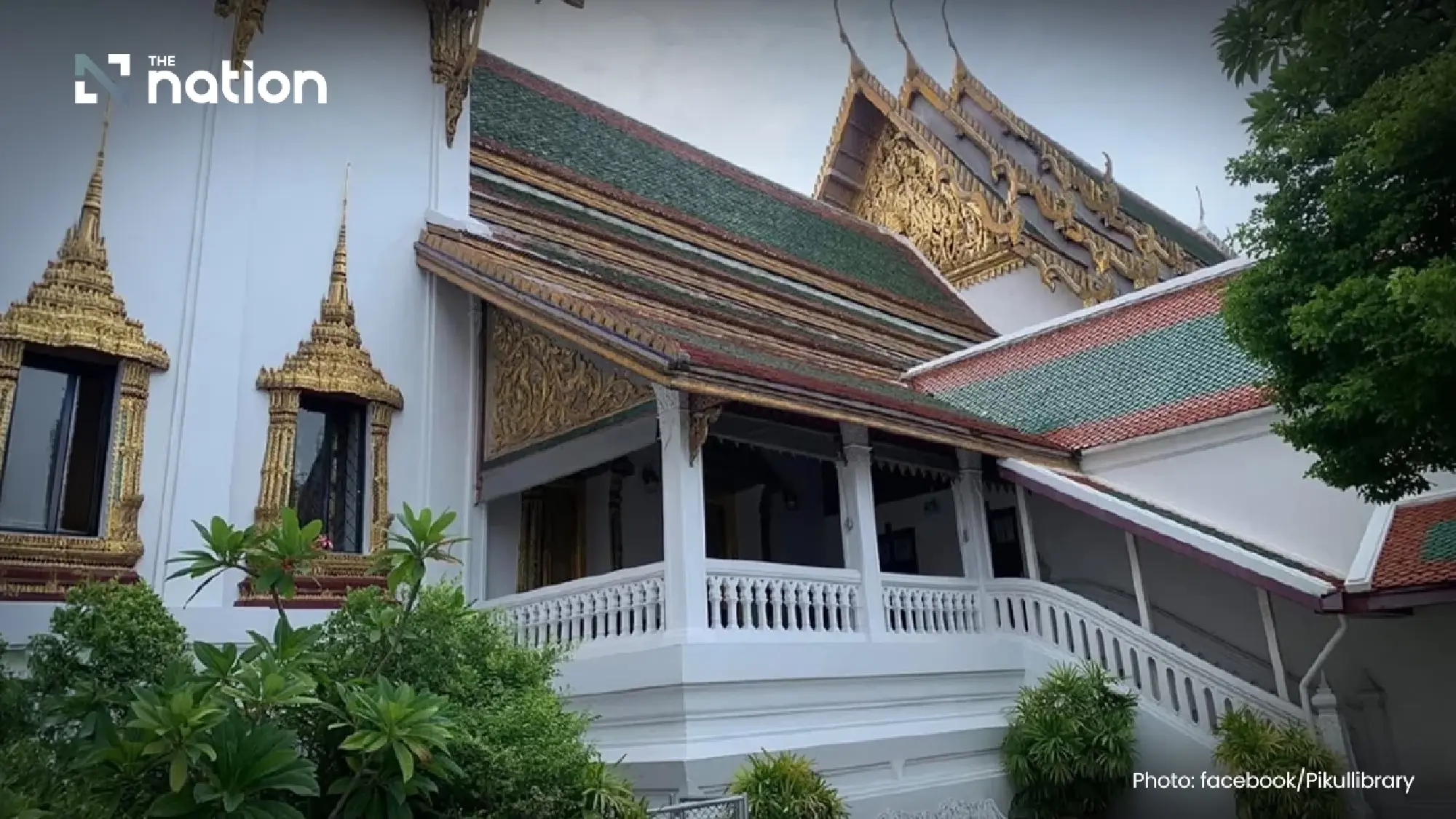
The elevated throne hall has verandas on three sides — east, west and south — lined with columns. Its roof is built in three diminishing tiers in traditional Thai style and covered with glazed tiles. It is decorated with chofa finials, bai raka ornaments and hang hong gable-end elements.
The pediment is carved with an image of Brahma riding a hamsa, while the doorways are decorated with ruean kaeo-style arches featuring cotton rose patterns. The window arches are in ban thalaeng style, gilded and adorned with glass mosaic.
The origin of Piman Rattaya Throne Hall is linked to a major incident during the reign of King Rama I. In 1789, lightning struck the front porch of Amarinthara Pisek Maha Prasat Throne Hall, causing a fire that severely damaged the upper structure, roof, main prasat and the left-side royal residence.
After the fire, King Phra Phutthayotfa Chulalok the Great ordered the ruins to be dismantled and a new royal prasat to be built. The new structure did not fully replicate the original design, as certain architectural features were altered.
The King also ordered the construction of a new throne hall behind the royal prasat and bestowed on it the name “Piman Rattaya Throne Hall”.
For more than two centuries, Piman Rattaya Throne Hall has played an important role in royal ceremonies and court traditions.
In the past, it served as a royal residence for the monarch when staying within the Phra Maha Prasat group. King Nangklao, Rama III, once resided there for as long as one year while the Phra Maha Monthien group was being restored.
During the reign of King Vajiravudh, Rama VI, the hall was used as a gathering place for members of the Royal Family and female court officials to receive royal ranks and decorations.
After the passing of King Ananda Mahidol, Rama VIII, the royal bathing rite for His Majesty’s Royal Remains was held at Piman Rattaya Throne Hall. Since then, the hall has continued to be used for the royal bathing rites of kings and members of the Royal Family.
Although Piman Rattaya Throne Hall has long held an important role in royal rites connected with Royal Remains, there had previously been no record of the hall being used as a place to enshrine the Royal Remains of a member of the Royal Family.
With the royal rites for Her Royal Highness Princess Bajrakitiyabha, the Royal Remains have been enshrined at Piman Rattaya Throne Hall following the royal bathing rite.
This marks the first time in the hall’s history that it has been used as a place to enshrine the Royal Remains of a royal family member, adding another significant chapter to the history of the Thai royal court and of Piman Rattaya Throne Hall itself.
