
Princess Bajrakitiyabha, Diana and royal women who broke the mould
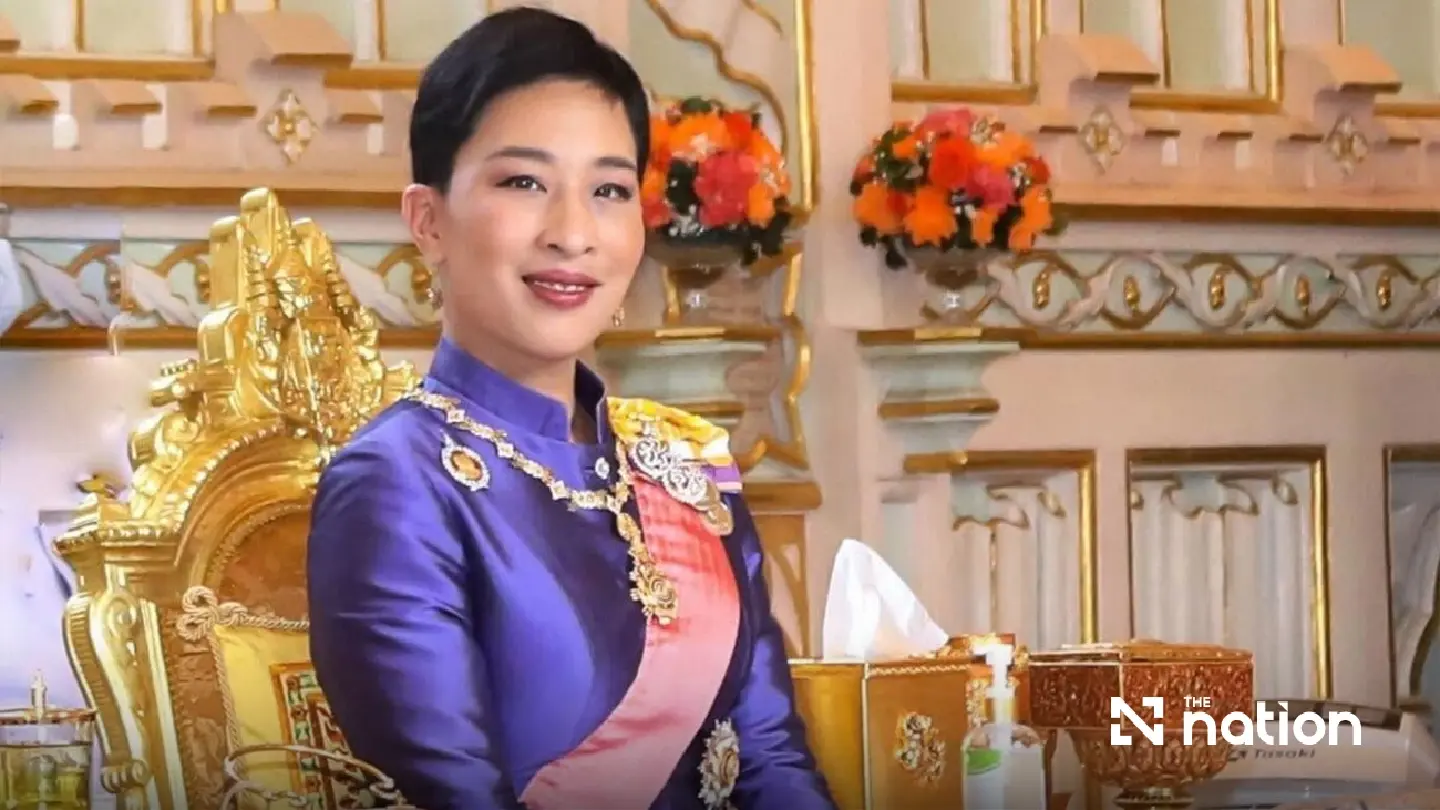


Five royal women who challenged tradition and used their influence to advance justice, women’s rights, fashion and social change.
- The article highlights modern royal women who have broken from traditional, symbolic roles to become active changemakers in fields such as human rights, social reform, and fashion.
- Princess Bajrakitiyabha of Thailand is profiled as a "lawyer princess" who championed global prison reform for women, leading to the UN-endorsed Bangkok Rules, and also took on a high-ranking military role.
- Diana, Princess of Wales, is described as a "people's princess" and fashion icon who used her style to communicate power and redefined her public role with a more modern, accessible approach.
- Other royals who broke the mould include Ameerah Al-Taweel, who advocated for women's rights in Saudi Arabia, and Mako Komuro of Japan, who gave up her royal status for love.
For many people, the image of a princess may still evoke a life inside a grand palace, wrapped in the romance of a fairy tale. In reality, however, many high-profile royal women of the modern era have stepped forward to use their public platforms and global visibility to drive social change across many fields.
Their roles have shifted from being symbols of monarchy to becoming active changemakers who engage seriously with structural issues, from human rights and education to women’s rights and global fashion. For them, a crown or royal status is not a limitation, but a starting point for influence.
Here are the stories of five women from five royal families around the world who broke convention with courage, chose their own paths and became historical icons whose impact continues to resonate.
Her Royal Highness Princess Bajrakitiyabha: the lawyer princess taking human rights to the global stage
Her Royal Highness Princess Bajrakitiyabha was born on December 7, 1978. She is the eldest daughter of His Majesty King Maha Vajiralongkorn and Her Royal Highness Princess Soamsawali Krom Muen Suddhanarinatha.
Princess Bajrakitiyabha earned a bachelor’s degree in law from Thammasat University and another in political science from Sukhothai Thammathirat Open University. She later obtained a master’s degree and a Doctor of the Science of Law from Cornell University in the United States.
She has served as a provincial public prosecutor and as Ambassador Extraordinary and Plenipotentiary to the Republic of Austria.
The Princess became widely known as the “prosecutor princess” for choosing a legal career that required direct engagement with real-world problems.
A major turning point came in 2006, when she visited the Central Women’s Correctional Institution and saw how prison systems often overlooked the basic needs of female inmates, including pregnancy and childcare behind bars. This led to the establishment of the Kamlangjai (Inspire) Project under her royal initiative to help close that gap.
Her firm commitment later helped drive the Bangkok Rules, the world’s first international framework endorsed by the United Nations to address the rights and specific needs of women prisoners.
She also established the Thailand Institute of Justice and the Nabha Foundation, which creates vocational opportunities for former inmates through products under the Chann and Thara brands, turning the idea of a second chance into practical support.
Princess Bajrakitiyabha has become an international icon of justice and human rights, combining compassion with legal principles to help make justice systems more humane.
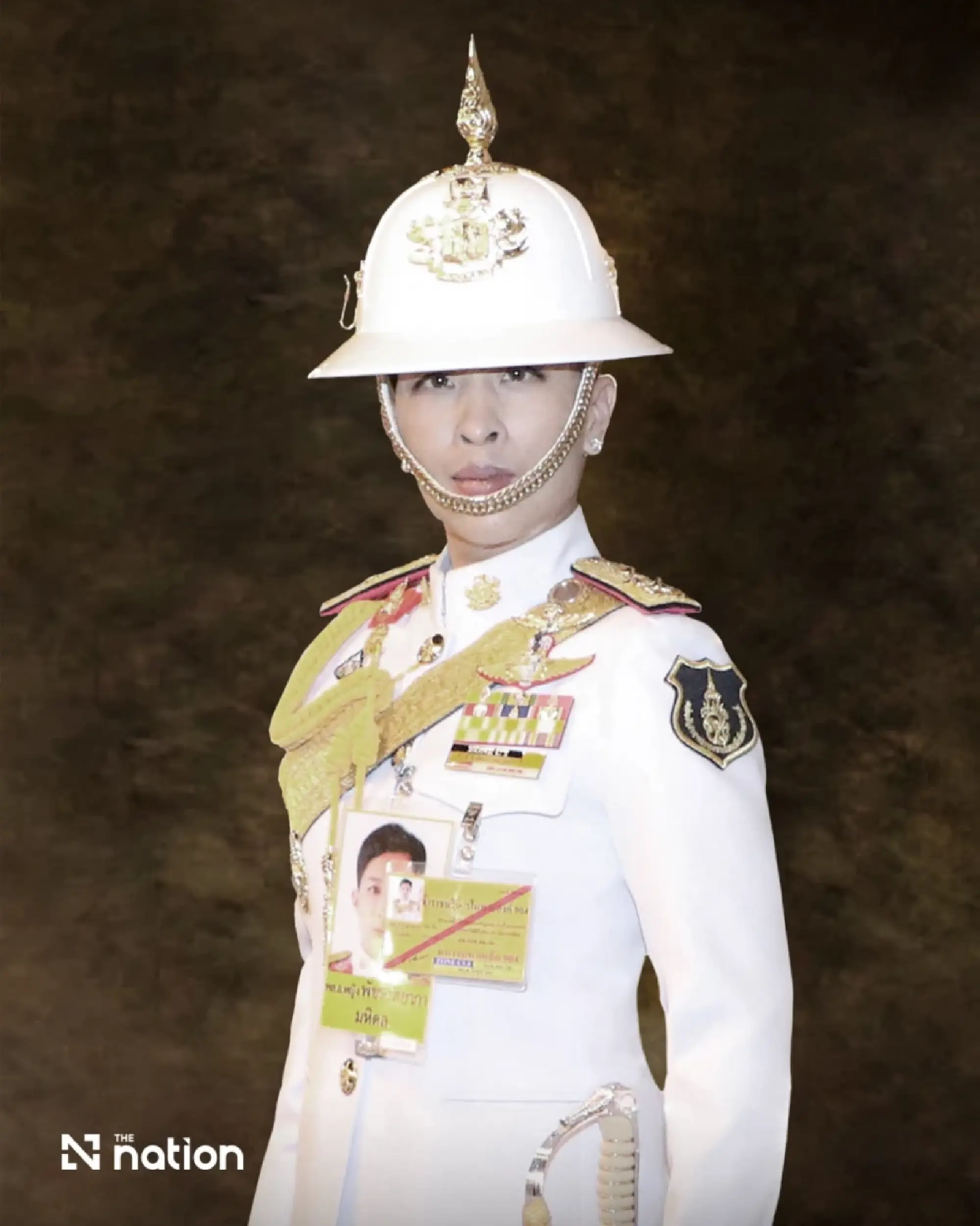
Beyond her work in justice reform, another role reflecting her strength emerged in early 2021, when a royal command transferred her from the public prosecution service to the military branch of the Royal Household. She was appointed chief of staff of the King’s Close Bodyguard Command and was granted the military rank of General.
The Princess later appeared with short hair in a military style, reflecting practicality and readiness for further military skills training. Images of her in military uniform and taking part in tactical field training reflected discipline, determination and a strong sense of duty in carrying out the responsibilities entrusted to her.
Diana, Princess of Wales: legendary fashion icon and the “people’s princess”
Diana, Princess of Wales, was born into an aristocratic but non-royal family on July 1, 1961, in Norfolk, England. She was the daughter of John Spencer, 8th Earl Spencer.
As a child, she loved music and dance. Before marrying Prince Charles, then Prince of Wales, in 1981, she worked as a nanny and nursery teaching assistant. The couple had two sons, Prince William and Prince Harry, before they divorced in 1996. Diana died in a car crash in Paris in 1997.

Diana became a pioneer of casual street-style fashion. Her oversized sweatshirts, cycling shorts, trainers and long socks became an iconic look that continues to be recreated in contemporary fashion.
She was also a fashion icon who used clothing to communicate both emotion and power. One of the most famous examples was the “Revenge Dress”, the fitted black dress she wore on the night Prince Charles admitted in a televised interview that he had been unfaithful.
Diana turned personal pain into public strength, fitting the description later used by former British prime minister Tony Blair when he called her the “people’s princess”.
Grace Kelly: Princess of Monaco and Hollywood’s Cinderella
Grace Kelly was born on November 12, 1929, into a Catholic family in Philadelphia, United States. She entered the entertainment industry and rose to become one of the most successful actresses of Hollywood’s Golden Age, winning the Academy Award for Best Actress for The Country Girl, released in 1954. She was also a favourite muse of renowned director Alfred Hitchcock.
Kelly later stepped away from cinema to marry Prince Rainier III of Monaco in 1956. The couple had three children. She died after a car accident in 1982.
Her life became a perfect meeting point between Hollywood and royalty. At the height of her career, she left her Hollywood career behind and gave up acting. Her wedding was broadcast live and watched by more than 30 million people across Europe, helping transform Monaco from a quiet resort destination into a global centre of luxury.
Although Prince Rainier reportedly prevented her from acting in films again and even banned her films in Monaco, Princess Grace redefined her role as a global patron of the arts. She became involved in philanthropic work, supported young artists and became an important voice for children’s rights and protection.
One enduring symbol of her timeless elegance was the image of Princess Grace using a large rectangular Hermès leather handbag to shield her pregnancy from paparazzi. The image became so famous that the brand later named the bag “The Kelly”. It remains one of the world’s most coveted and valuable handbags.
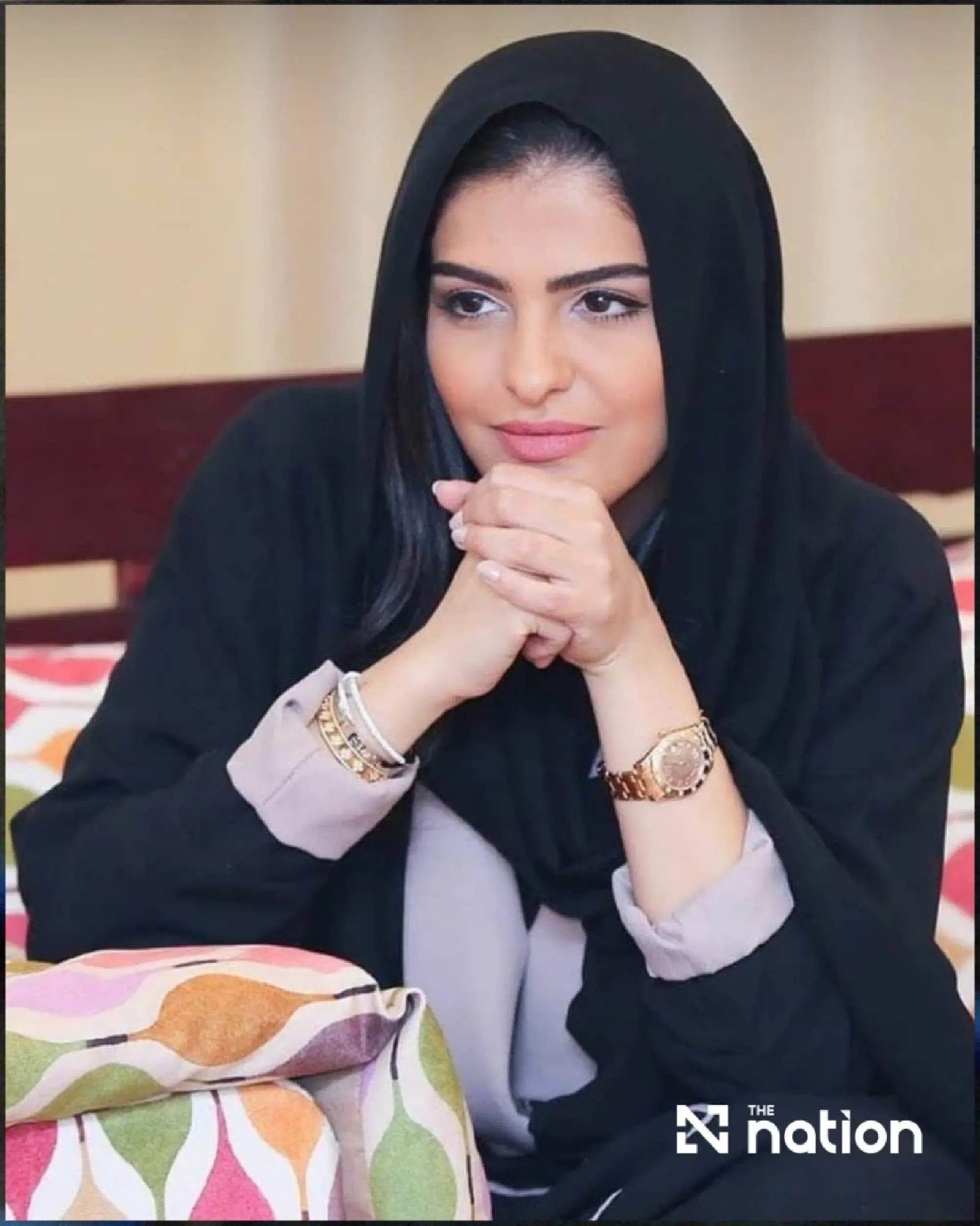
Ameerah Al-Taweel: the Saudi voice pushing boundaries for women
Ameerah Al-Taweel was born on November 6, 1983, in Riyadh, Saudi Arabia. She was raised by her divorced mother and grandparents. She married Prince Alwaleed bin Talal, a nephew of the Saudi monarch and a global billionaire, in 2008. The couple divorced in 2013.
Ameerah graduated with a bachelor’s degree in business administration, with first-class honours, from the University of New Haven in the United States. She is now a businesswoman and chair of companies focused on entertainment and social development.
In a Middle Eastern society where women’s roles have often been restricted under patriarchal systems, Ameerah chose not to remain silent. After graduation, she became vice-chairwoman of Alwaleed Philanthropies, using the platform to advance social change, particularly campaigns for Saudi women’s right to drive and broader legal rights.
She drew international attention through interviews with Western media outlets including CNN and the BBC, appearing publicly with her face uncovered and without a hijab. This challenged conservative expectations surrounding royal women and reportedly drew threats of ostracism and punishment from conservative circles.
Yet she continued to stand firm, using social media as a tool to mobilise younger generations and encourage public discussion around reform. Saudi Arabia eventually changed the law to allow women to drive, while wider reforms also eased parts of the male guardianship system that had long restricted women’s freedom.
Under the old system, Saudi women often needed permission from a male guardian, such as a father, husband or brother, to carry out financial transactions, open bank accounts, travel abroad or pursue higher education.
Ameerah also advocated wider access for women to fields of study once dominated by men, stronger economic opportunities for women and the use of online platforms by young people and women in the Middle East to express opinions, demand rights and challenge injustice.
Ameerah Al-Taweel has shown that modernity and religious faith can move forward together when they are not shaped by oppression.
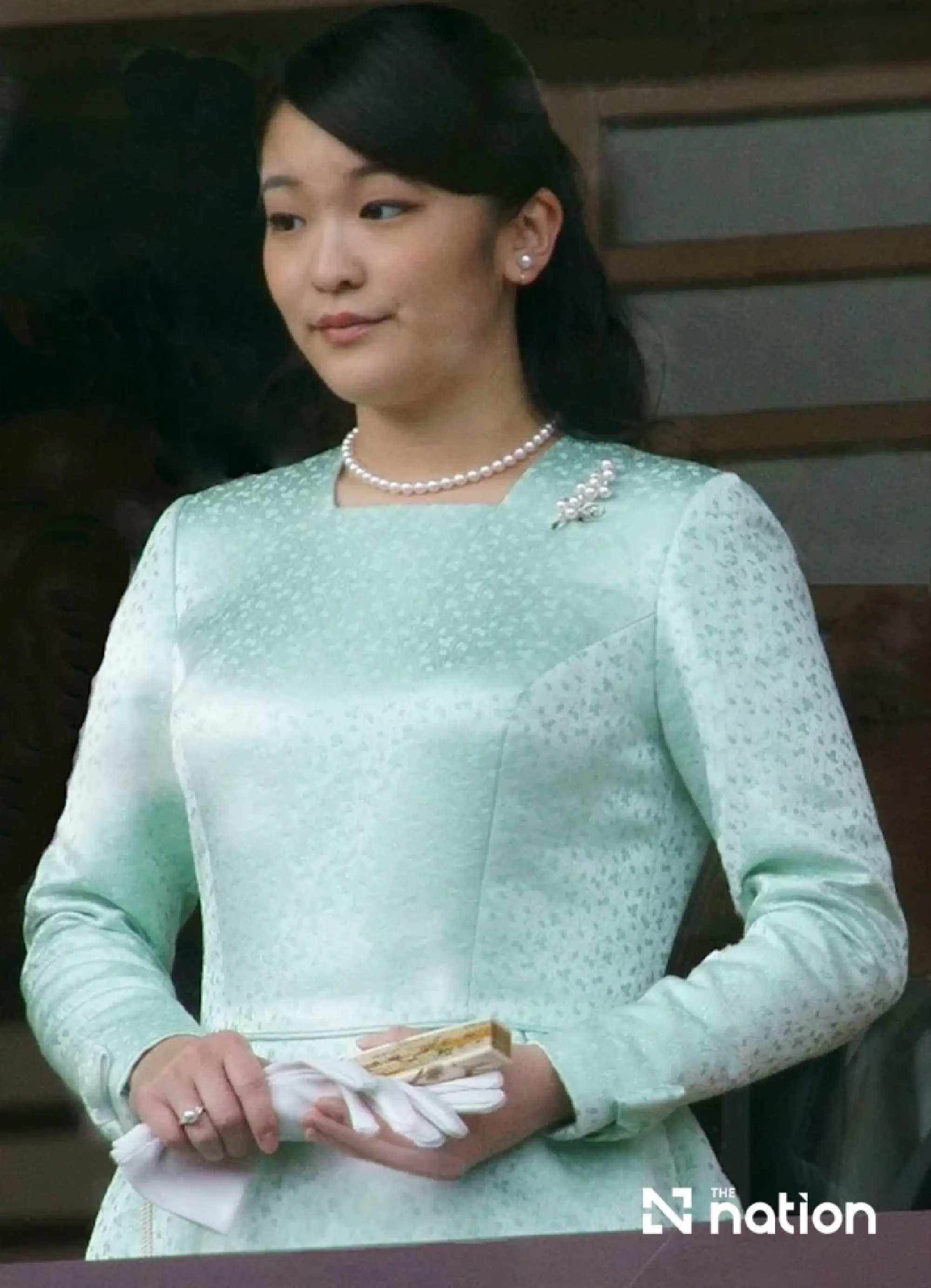
Mako Komuro: the former Japanese princess who gave up royal status for love
Mako Komuro was born on October 23, 1991. She is the eldest daughter of Crown Prince Fumihito, also known as Akishino, and Crown Princess Kiko, and a granddaughter of Emperor Emeritus Akihito.
She earned a bachelor’s degree in art and cultural heritage from International Christian University in Tokyo, and a master’s degree in museum studies from the University of Leicester in the United Kingdom.
She also served as a special researcher at the University Museum at the University of Tokyo before giving up her royal status to marry Kei Komuro in 2021.
