Thailand monitors Cambodia’s Chinese tanks as NSC says border tension remains manageable
WEDNESDAY, JUNE 10, 2026
Play
Defence Minister Adul Boonthamcharoen says Cambodia’s Chinese-made T59D tanks have not been moved to the border, while the NSC says Thai-Cambodian tensions remain manageable and the Foreign Ministry reviews Phnom Penh’s UNCLOS move.
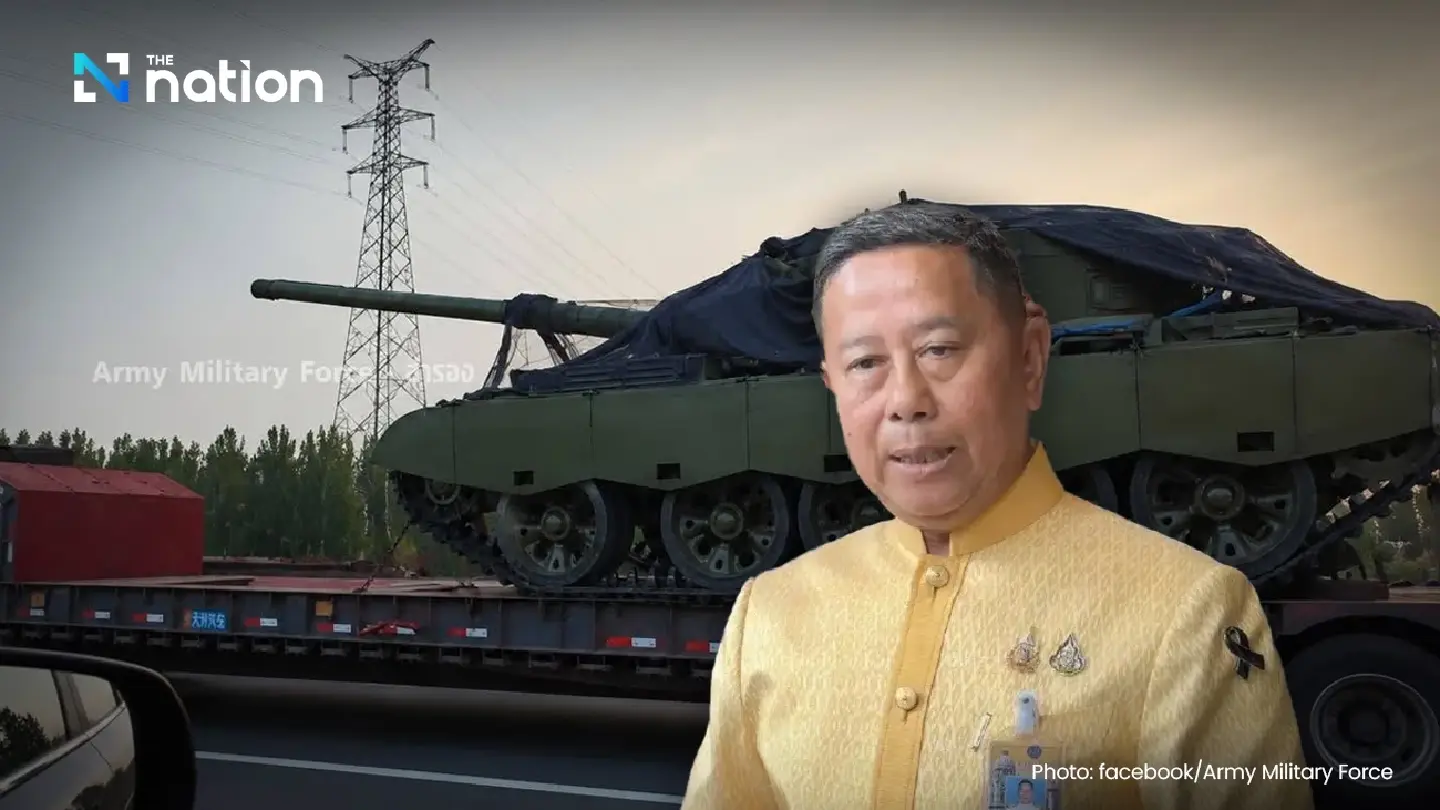
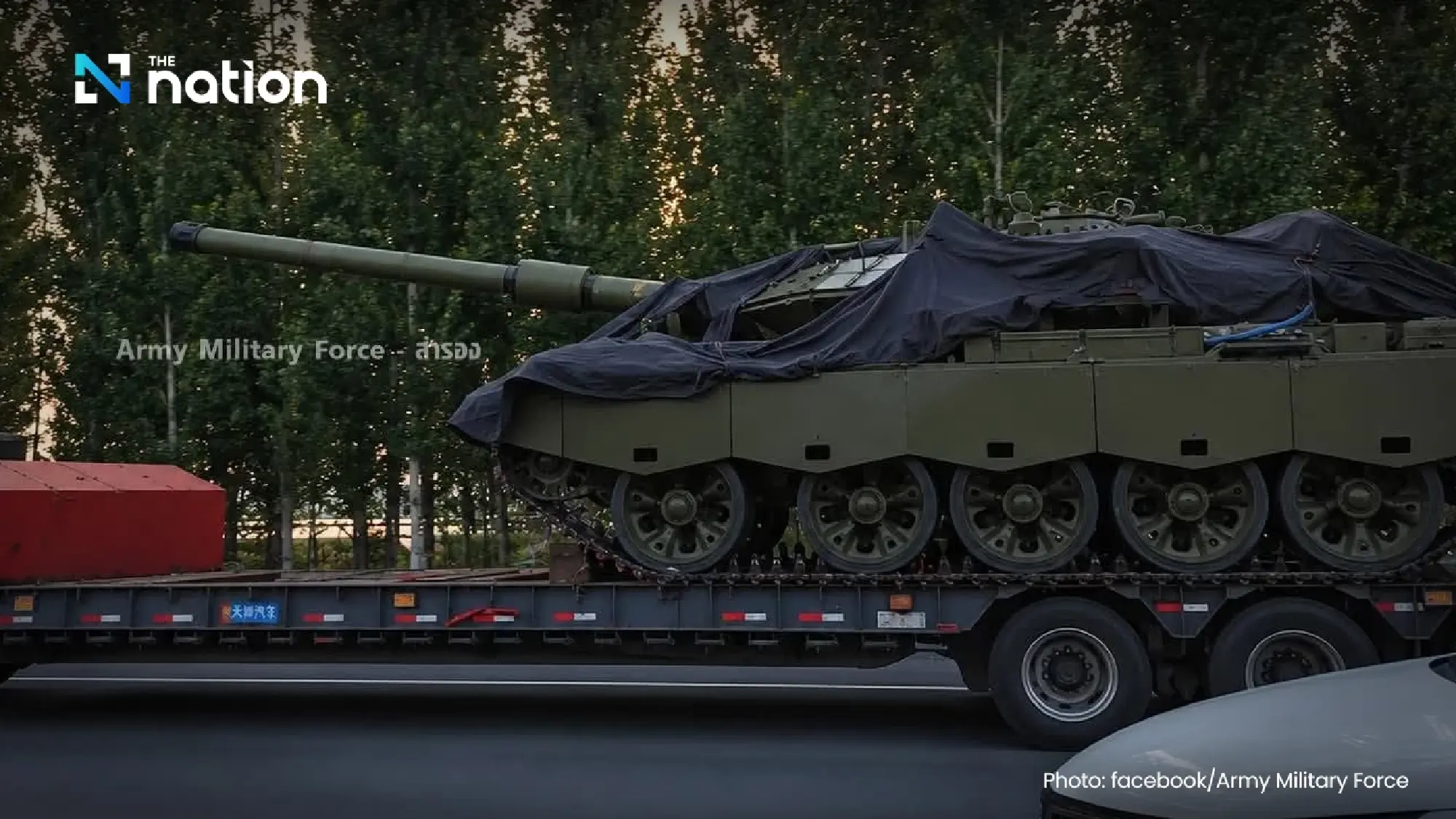
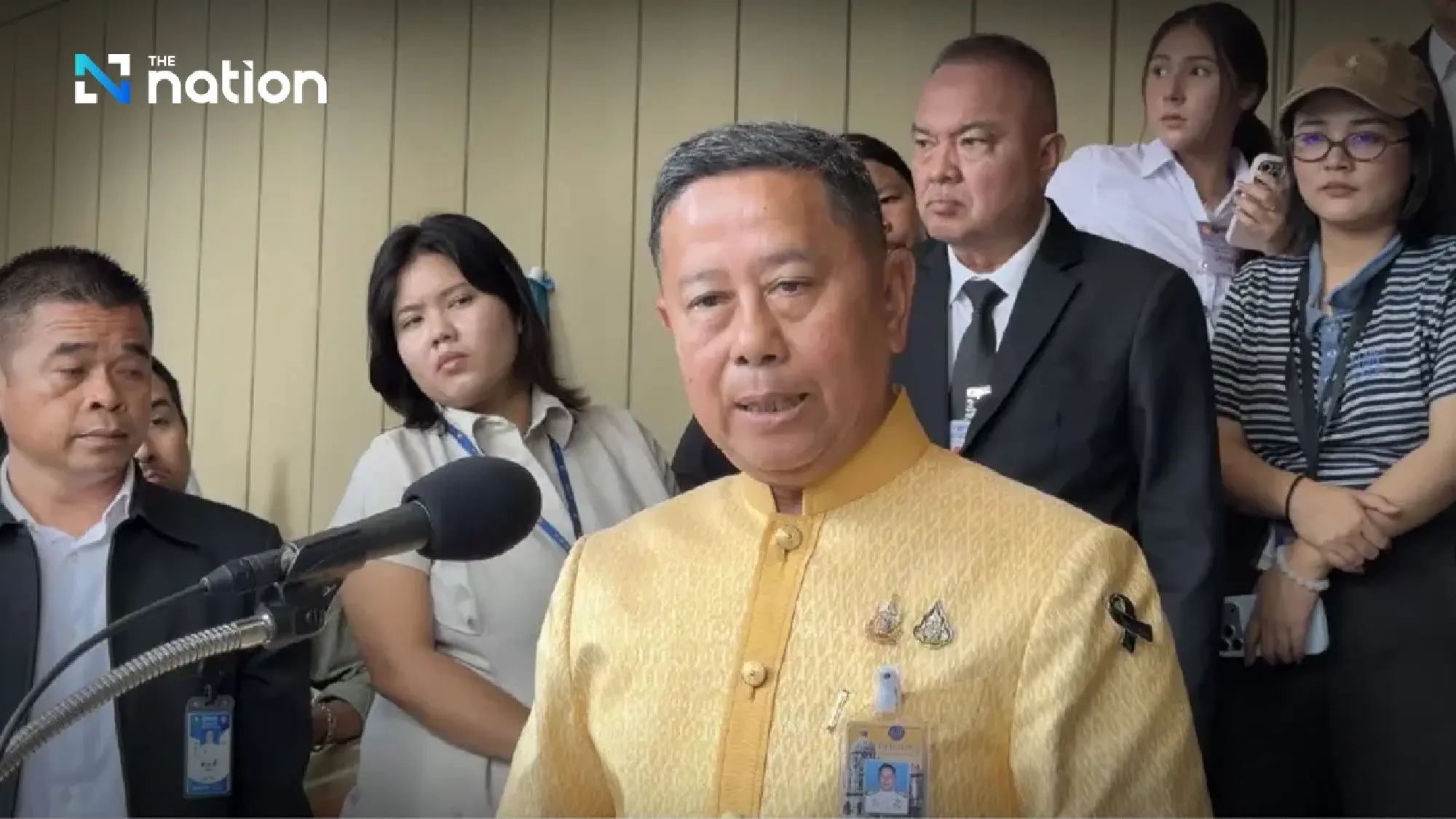
Thailand is monitoring Cambodia’s receipt of Chinese-made T59D tanks but has found no sign that the hardware has been moved to the Thai-Cambodian border, Defence Minister Lt Gen Adul Boonthamcharoen said on Wednesday.
Speaking at Government House on June 10, Adul addressed reports that Chinese officials had requested a meeting after delivering 39 T59D tanks to Cambodia.
He said that on the previous day he had travelled with Prime Minister Anutin Charnvirakul to Vietnam, where they attended meetings and were accompanied by the commanders of the armed forces to strengthen relations.
Adul said he also had the opportunity to meet Vietnam’s Deputy Prime Minister and Minister of National Defence, describing the meeting as standard practice after taking up a new post.
China says tank delivery linked to long-running joint drills
Asked how China had explained the tank delivery to Thailand, Adul said China and Cambodia had conducted joint military exercises for a long time, dating back to 2016.
He said the tanks were old models that China had refurbished, adding that Thailand was aware Cambodia had acquired new military hardware for national defence purposes.
Asked whether the delivery would affect Thailand’s border defence, Adul said the issue depended on where Cambodia deployed the tanks.
Current intelligence indicated that the tanks had arrived at a Cambodian port but had not yet been moved to the border, he said.
He added that Thailand and Cambodia currently had a Joint Statement covering the movement of military equipment and personnel into border areas.
Defence minister says Thailand not being complacent
Asked whether the delivery was part of an old deal between China and Cambodia, Adul said: “It is an existing deal, but we are not being complacent. We know it is part of an existing arrangement for joint training, under which a commitment was made to deliver some military equipment, in this case the T59D tanks.”
Asked whether Thailand would object or discuss the issue with China, as the contract reportedly involved the delivery of up to 93 tanks, Adul said Thailand would have to see whether Cambodia brought them into border areas.
He added that China had also said it would deliver vessels to Cambodia, although they had not yet arrived.
Asked whether he would travel to China to discuss the issue, Adul said he expected to visit China soon as part of his introductory visits after assuming his new role. He said he would have to meet all countries that are allies of Thailand, following the prime minister’s recent visits to France and Vietnam, as well as an upcoming trip to Russia.
Cambodia accused of stirring nationalism
Asked whether there had been any assessment of why Cambodia was bringing in weapons at this time, Adul said that after the previous fighting ended, the relative advantages and disadvantages in the area had become clear.
He said Cambodia was trying to stir nationalist sentiment domestically or use the issue for internal campaigning.
Thailand could not stop Cambodia from speaking or acting domestically, he said, but if the matter posed a policy-level threat to Thailand, it would be addressed.
Adul noted that Deputy Prime Minister and Foreign Minister Sihasak Phuangketkeow had been engaging in proactive diplomacy with various countries, including France and Vietnam, and was now travelling to Japan.
He said this was unprecedented — proactive diplomacy being conducted in parallel with national security work.
Armed forces and local units fully prepared, Adul says
Adul urged the public to remain confident, saying he was responsible for policy matters, while the armed forces, military units and local agencies were fully prepared.
As for provocations, he said they were to be expected because Cambodia wanted Thailand to respond in the way it desired.
However, Thailand would continue to act in line with the original intent of the Joint Statement and would stand by that position, he said.
Cambodia wanted talks under the Joint Boundary Commission, or JBC, and General Border Committee, or GBC, frameworks, Adul said. But if Cambodia failed to comply with the Joint Statement, the public could remain confident in the capabilities of the armed forces, the government and all relevant agencies, he added.
NSC says border situation remains manageable
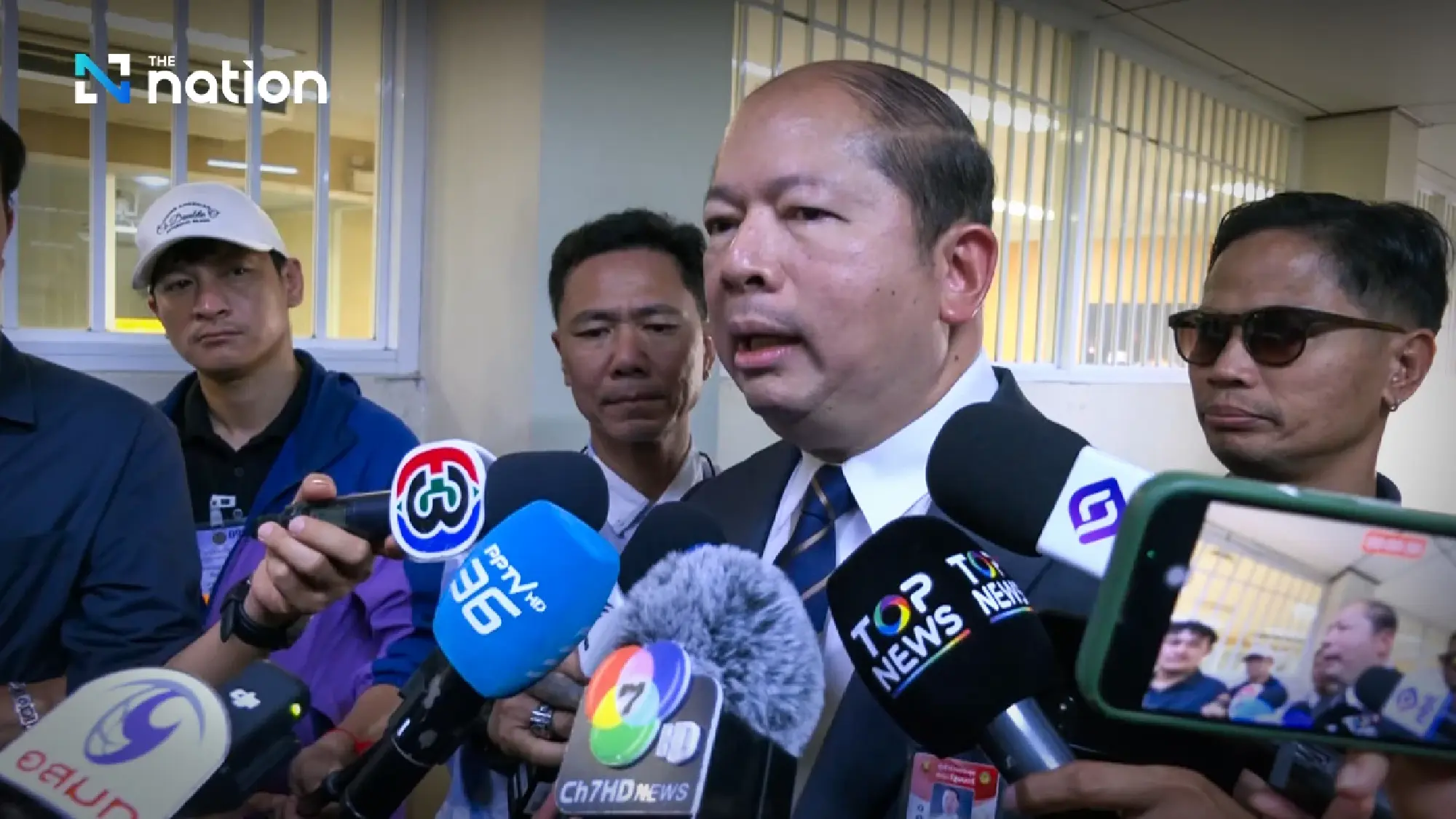
Separately, National Security Council secretary-general Chatchai Bangchuad said Thailand was closely monitoring developments along the border after Cambodia received tanks from China.
He said the situation in the area remained delicate, but Thailand continued to adhere to the existing ceasefire agreement.
Asked whether there was cause for concern, Chatchai said he believed the situation remained manageable, adding that officials at local and regional levels were still capable of holding talks.
Despite occasional friction, dialogue could still take place, allowing progress to be made, he said.
MFA reviewing Cambodia’s UNCLOS move
Chatchai also addressed Cambodia’s move to initiate compulsory conciliation under the 1982 United Nations Convention on the Law of the Sea, or UNCLOS, over the maritime boundary dispute.
He said the matter was now being handled by the Ministry of Foreign Affairs, which had mechanisms in place to review the issue and prepare Thailand’s position.
The maritime issue has become another point of tension between the two neighbours. Cambodia has filed notice under UNCLOS to force conciliation over the maritime dispute after Thailand terminated a 25-year-old memorandum of understanding on overlapping maritime claims.
Hun Sen remarks under close watch
Both Adul and Chatchai were asked about Cambodian Senate President Samdech Hun Sen’s remarks on reclaiming territory from Thailand.
Adul said he was not sure whether Hun Sen had actually made remarks about reclaiming territory through diplomacy and the use of force.
However, he said that if the use of force was being considered, the prime minister had already made Thailand’s position clear on the previous day.
“As I said, if they intend to use force, they should think very carefully,” Adul repeated when asked how he would reassure residents living along the border.
Chatchai said he understood why Hun Sen had spoken in that context, but added that Thailand had appropriate guidelines in place, as previously stated by the prime minister.
He said he could not yet assess whether Hun Sen would actually proceed with such an approach, but confirmed that Thailand was prepared and would continue to closely evaluate developments.
Anutin said on June 9 that Thailand had never invaded or encroached upon another country’s sovereignty, but warned that anyone considering encroaching on Thai territory or using force against Thailand should “think very carefully”.
Cambodian media reports later stressed that Hun Sen’s clarified position was to pursue the issue through the JBC and peaceful negotiations, rather than military escalation.
Ceasefire remains key framework
Chatchai said Hun Sen’s stance would have to be monitored to see how it developed.
He reiterated that the ceasefire agreement remained the main framework both countries must observe, adding that even under Cambodia’s current leadership, there was still a commitment to maintaining the ceasefire.
The latest exchange comes as Thailand-Cambodia relations remain tense over both land and maritime border issues. Armed clashes last year killed nearly 150 people and displaced at least 300,000 people on both sides before a December ceasefire was reached.