
Thailand proposes 3Rs framework at ASEAN–Russia summit
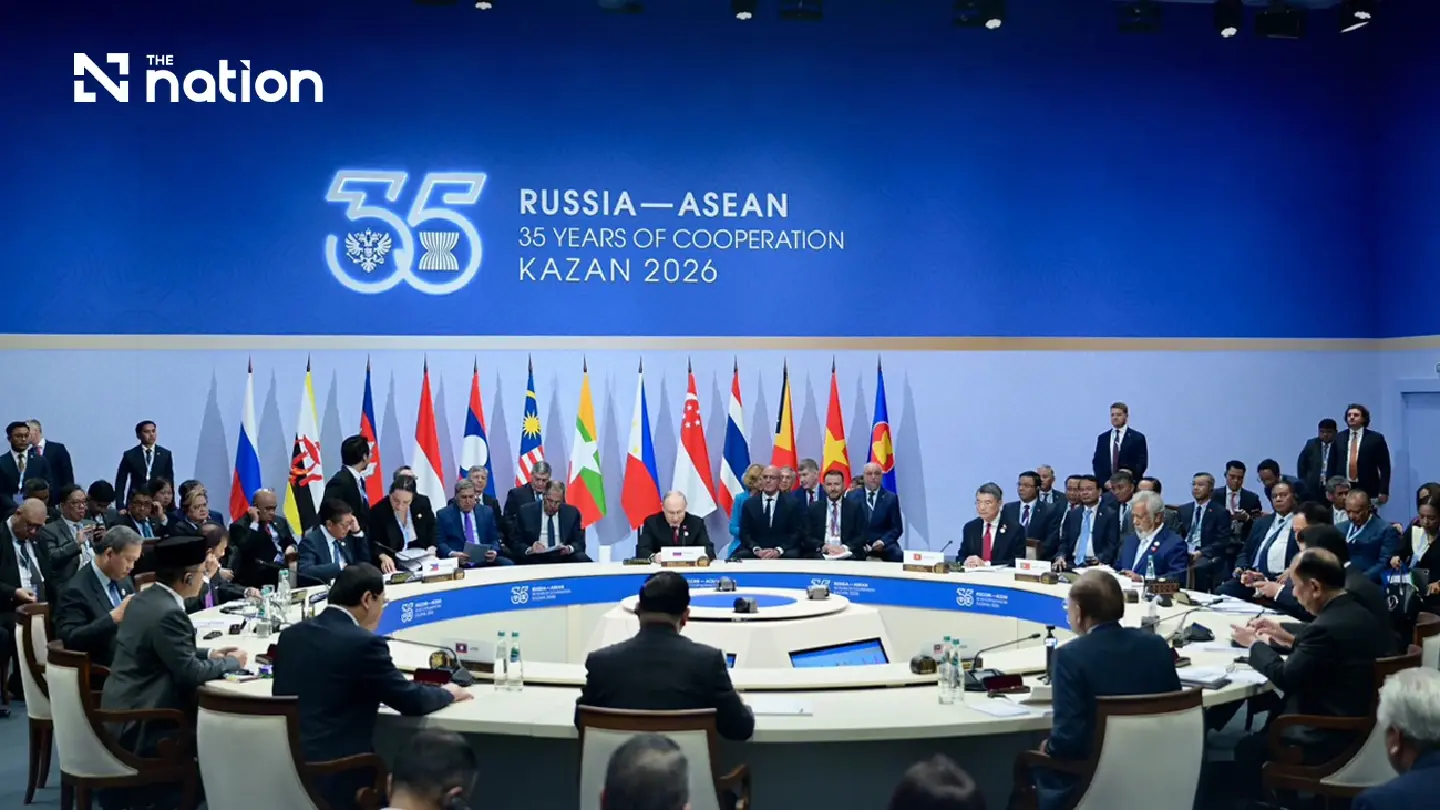


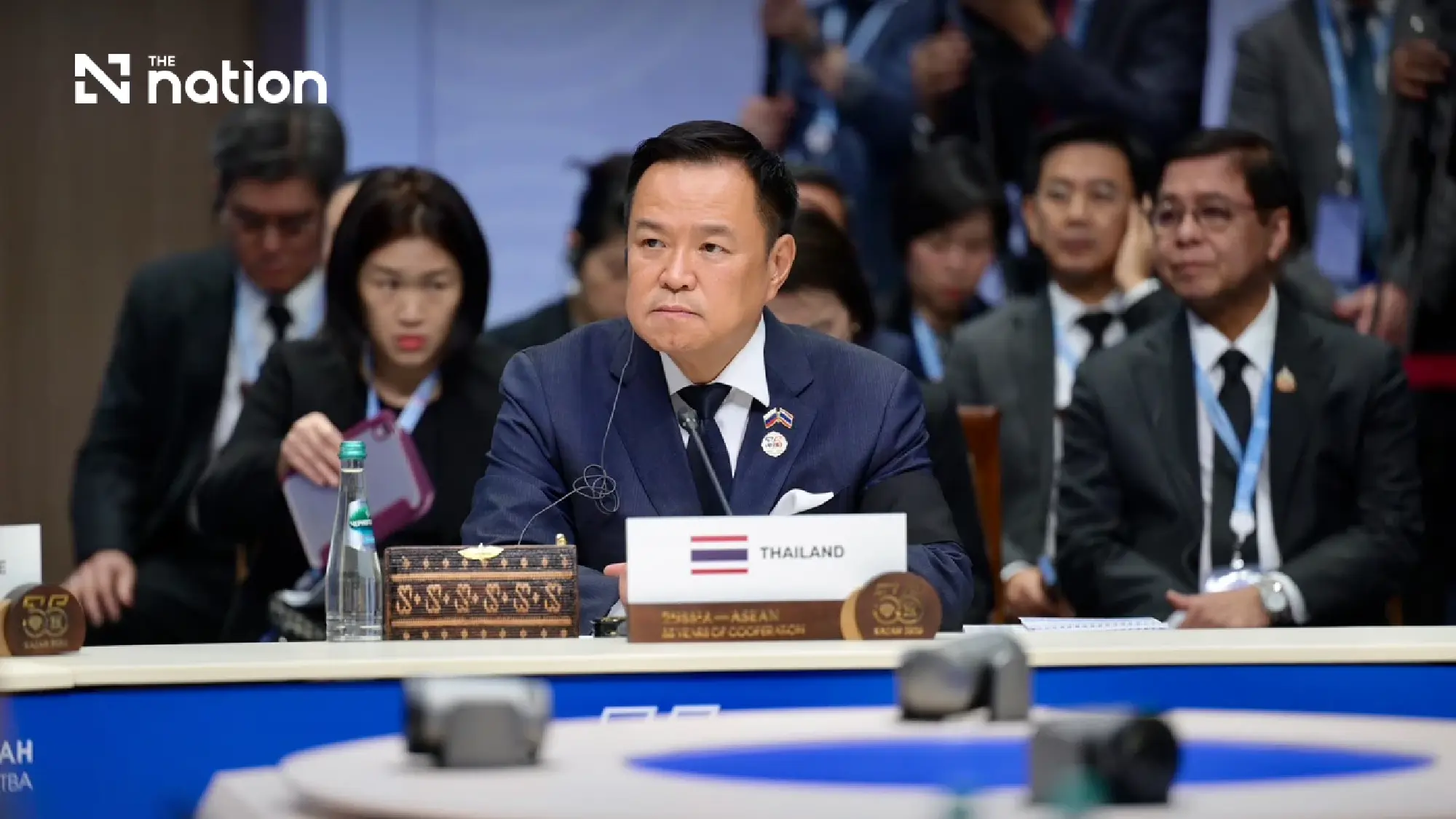
Prime Minister Anutin Charnvirakul outlines a 3Rs framework—Regionalism, Resilience and Relevance—at the ASEAN–Russia summit in Kazan to boost cooperation and stability
- Thailand proposed a new "3Rs" strategic framework—Regionalism, Resilience, and Relevance—to guide the future direction of ASEAN-Russia relations.
- The proposal was presented by Prime Minister Anutin Charnvirakul at the ASEAN-Russia summit in Kazan to address growing global uncertainty, geopolitical tensions, and threats to food and energy security.
- The framework's three pillars focus on upholding ASEAN's central role (Regionalism), strengthening collective defenses against global risks (Resilience), and ensuring cooperation delivers tangible benefits by tackling modern threats like cybercrime (Relevance).
Thailand has proposed a new strategic framework built on “3Rs”—Regionalism, Resilience and Relevance—to guide the future direction of ASEAN–Russia relations amid growing global uncertainty.
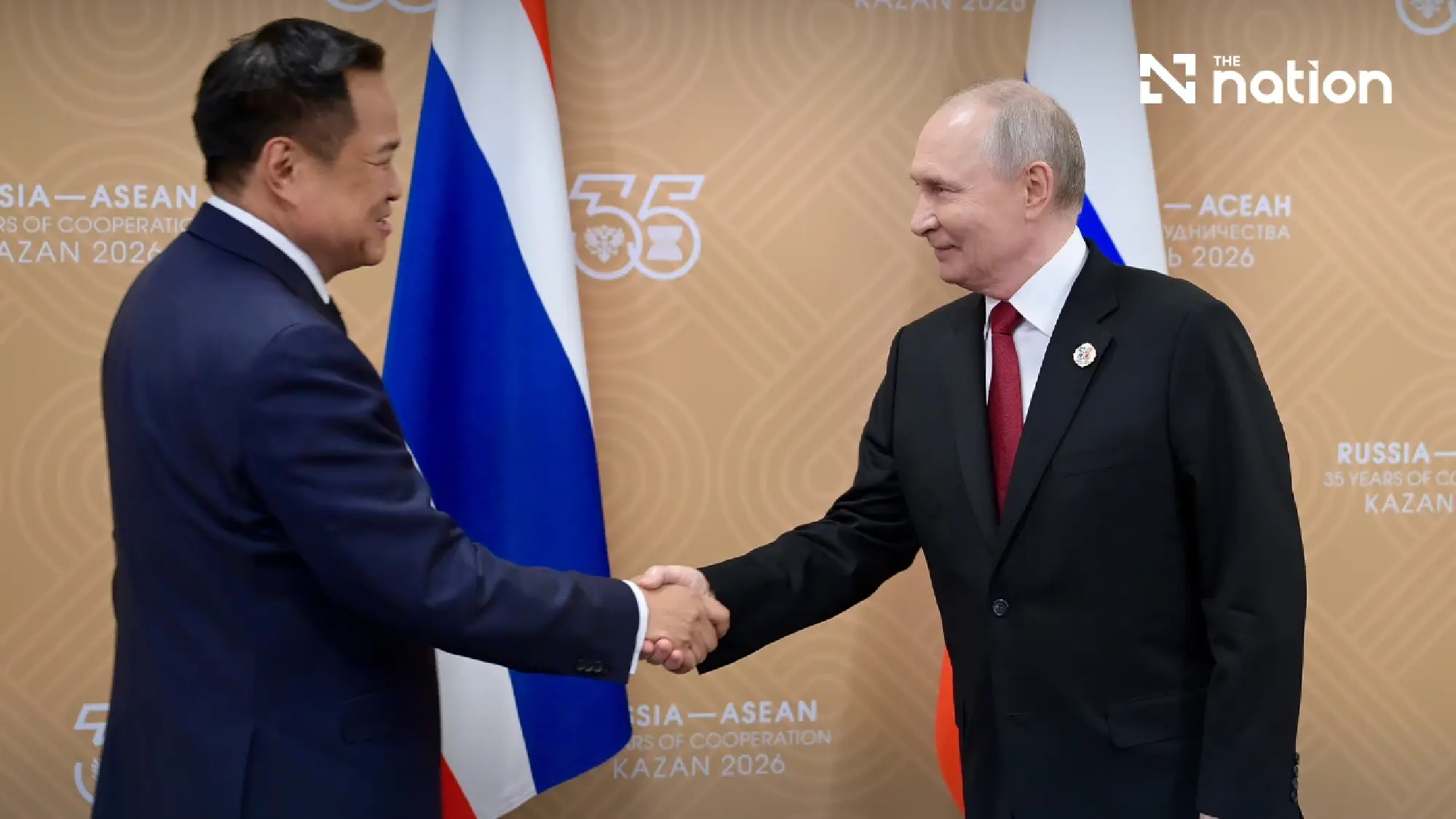
Prime Minister Anutin Charnvirakul presented the proposal during the ASEAN–Russia Special Summit (Plenary Session) held on 18 June at the Kazan Expo International Exhibition Center in Kazan, Russian Federation, marking 35 years of ASEAN–Russia diplomatic relations.
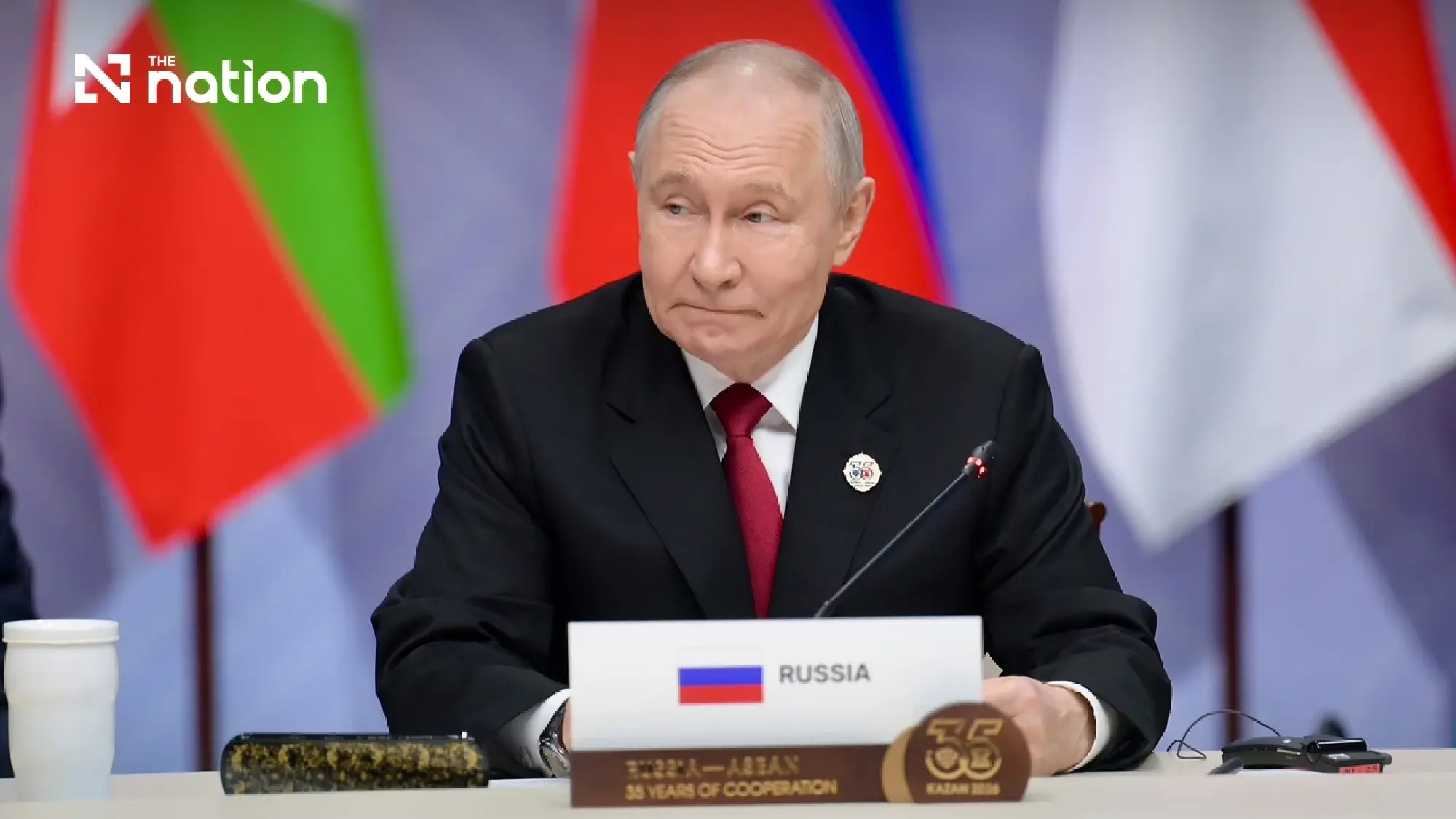
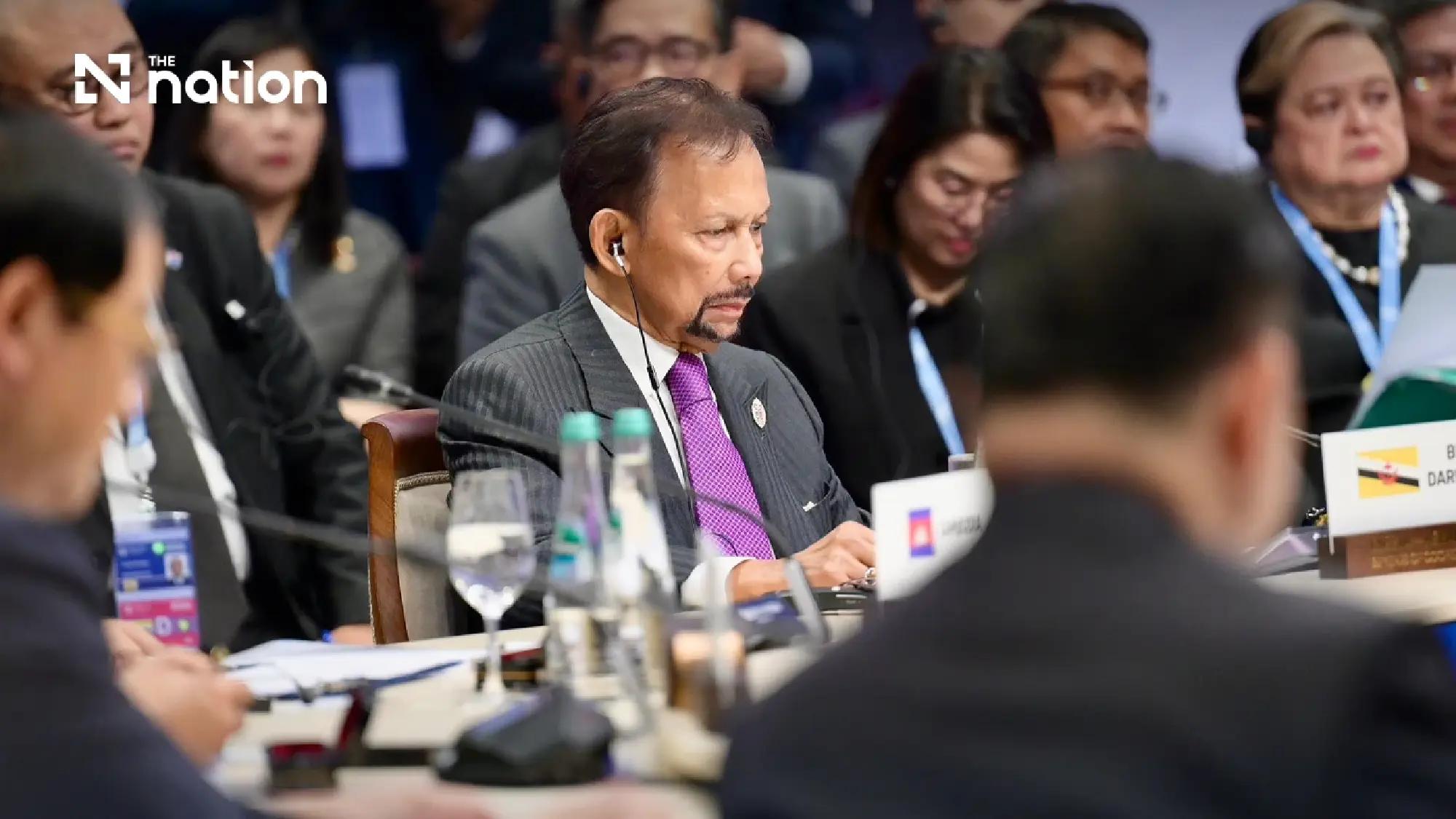
The session was co-chaired by Russian President Vladimir Putin and Philippine President Ferdinand Romualdez Marcos Jr., and brought together leaders from ASEAN member states to set the future direction of cooperation between the two sides.
The Thai government spokesperson said the Prime Minister expressed appreciation to President Putin and the Republic of Tatarstan for their hospitality, and thanked ASEAN leaders for their condolences following the passing of Her Royal Highness Princess Bajrakitiyabha Narendiradebyavati, reflecting solidarity and goodwill among member states.
Responding to global instability
In his remarks, the Prime Minister highlighted the need to strengthen ASEAN–Russia ties in response to mounting global challenges, particularly geopolitical tensions and conflicts in the Middle East, which continue to affect energy security, food systems and global economic stability.
He welcomed diplomatic efforts aimed at achieving peaceful resolutions and stressed that sustained peace and stability require dialogue, trust-building and practical cooperation among nations.
He noted that in an interconnected world, instability in one region can quickly spill over into trade, energy markets and livelihoods elsewhere, reinforcing the importance of cooperative multilateral engagement.
The 3Rs framework
The Prime Minister outlined three key pillars to shape future ASEAN–Russia cooperation:
1) Regionalism
He reaffirmed ASEAN’s central role as the foundation of regional cooperation and dialogue. ASEAN-led mechanisms, he said, remain essential platforms for building trust, advancing practical cooperation and enabling dialogue among partners. He also acknowledged Russia’s constructive engagement with ASEAN-led frameworks and its continued support for ASEAN centrality.
2) Resilience
The second pillar focuses on strengthening collective resilience to emerging global risks, including food and energy security, climate change and supply chain vulnerabilities. He emphasised that no country can address these challenges alone and called for deeper cooperation in risk preparedness, adaptation and recovery.
Thailand, as a key agricultural producer and exporter, expressed readiness to expand cooperation with Russia in fertiliser supply chains, agricultural innovation and food security systems. He also highlighted opportunities for collaboration in energy security, future energy technologies and human resource development to support sustainable growth and energy transition goals.
3) Relevance
The final pillar centres on ensuring that ASEAN–Russia cooperation delivers tangible benefits to people. The Prime Minister highlighted the importance of addressing new cross-border threats such as online fraud, cybercrime and transnational criminal networks linked to money laundering and human trafficking.
He called for stronger cooperation in information sharing, capacity-building, law enforcement and digital security to better protect citizens and economic systems across the region.
He also stressed the importance of preparing societies for future opportunities driven by rapid technological change, including investment in human capital, digital transformation, artificial intelligence, education and youth empowerment.
Future direction of cooperation
The Prime Minister said ASEAN–Russia relations over the past 35 years have demonstrated adaptability and the ability to deliver practical benefits to people, even amid shifting global conditions.
He welcomed the adoption of the Kazan Declaration and other outcome documents, describing them as important frameworks for future cooperation.
Thailand reaffirmed its commitment to building a stronger, more resilient and forward-looking partnership that contributes to peace, stability and shared prosperity in the region and beyond.
Summit outcomes
The meeting adopted four key documents:
- Kazan Declaration 2026: ASEAN–Russia—Unity in Diversity, 35 Years Together, reaffirming commitments to peace, security and cooperation across areas including maritime security, biosecurity, trade, investment, energy, food, tourism, science, technology and artificial intelligence.
- ASEAN–Russia Joint Statement on Energy Cooperation, focusing on energy security, crisis response, clean energy development, renewable energy, hydrogen technologies, low-carbon systems and regional energy infrastructure connectivity.
- ASEAN–Russia Joint Statement on Cultural Cooperation, promoting cultural diversity, heritage preservation, artistic exchange and the development of creative industries, including support for cultural entrepreneurs and startups.
- Comprehensive Plan of Action for ASEAN–Russia Strategic Partnership 2026–2030, outlining cooperation across political-security, economic and socio-cultural pillars, covering counter-terrorism, transnational crime, trade, energy security, food systems, transport, agriculture, climate change, public health, disaster management, migration and smart city development.
