
Thailand examines 130-million-year-old dinosaur fossil in Sakon Nakhon
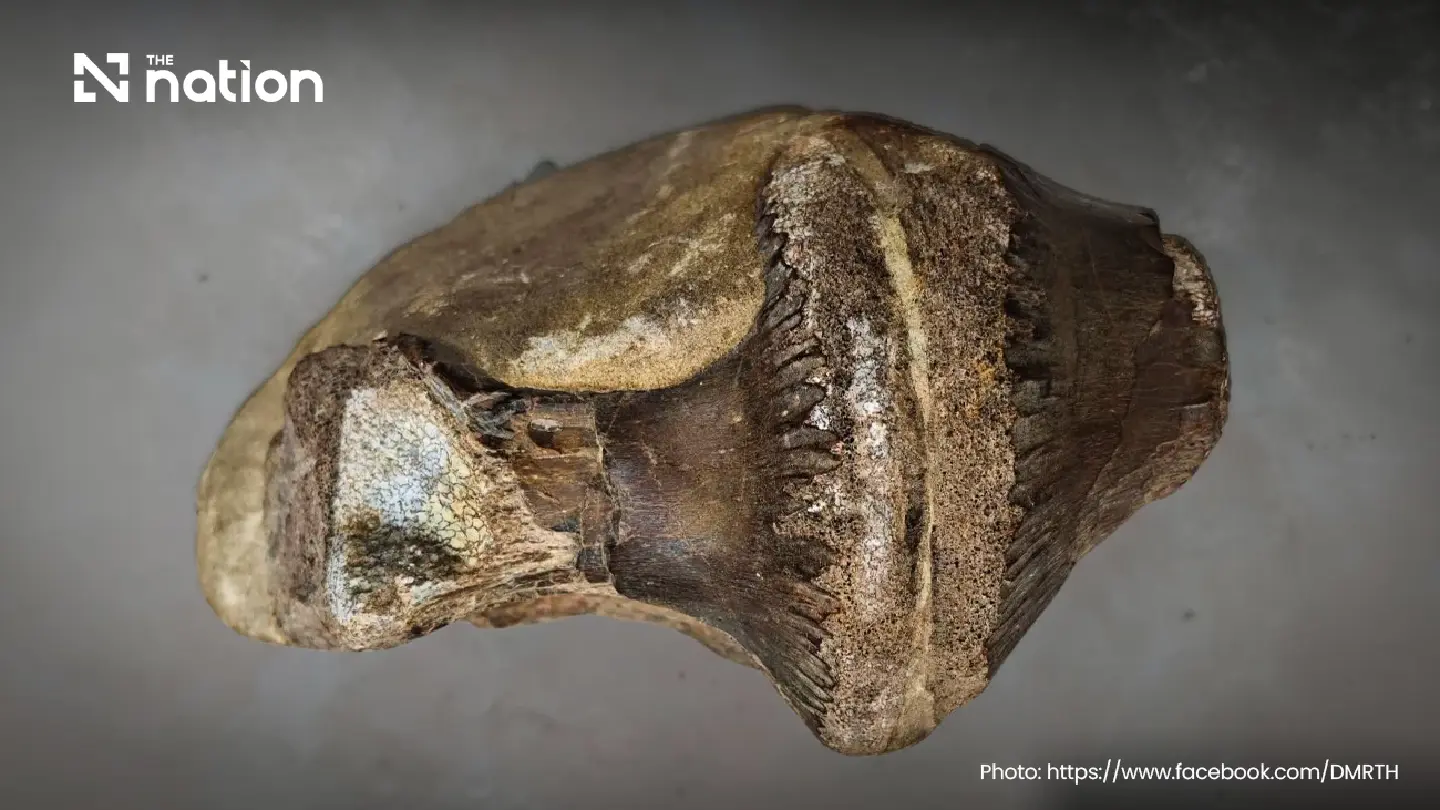


Thailand’s Department of Mineral Resources is examining a large carnivorous dinosaur fossil found in Sakon Nakhon, believed to be around 130 million years old.
- A fossilized vertebra from a large carnivorous dinosaur is being examined in Thailand's Sakon Nakhon province.
- The fossil is estimated to be 130 million years old, originating from the Sao Khua Formation of the Early Cretaceous period.
- Though discovered in a stream by a local resident about 30 years ago, the specimen is now being formally studied by the Sirindhorn Museum for precise identification.
- The discovery adds to several other large carnivorous dinosaurs previously found in the same geological formation in Thailand, and may represent a new species.
Thailand may be one step closer to identifying another dinosaur species after officials began examining a fossil found in Sakon Nakhon, believed to be from a large carnivorous dinosaur and estimated to be around 130 million years old.
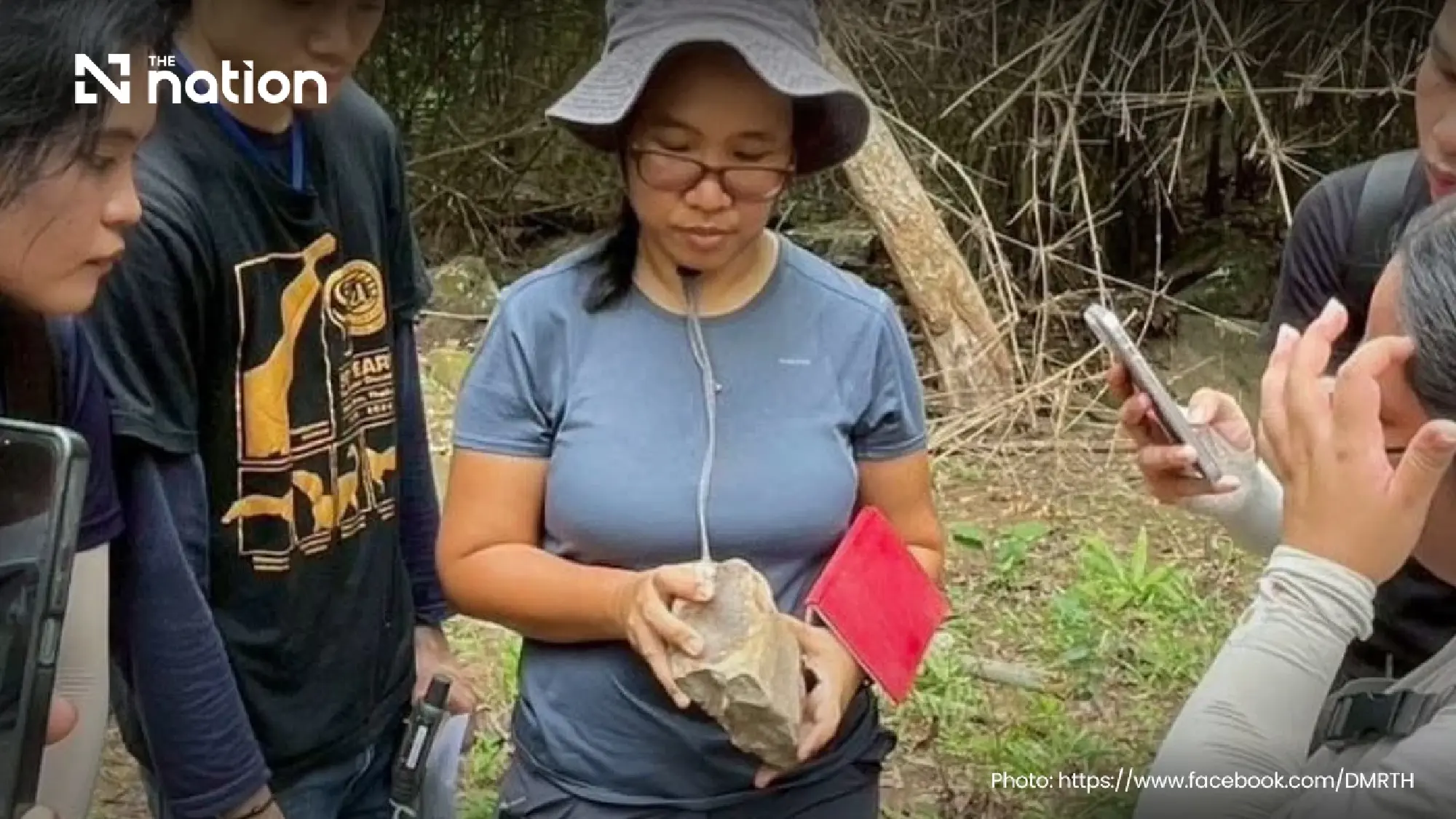
The Mineral Resources Regional Office 2, under the Department of Mineral Resources, was informed by Tong Khop Subdistrict Municipality of a discovery believed to be a fossil. Officials then inspected the site under the Fossil Protection Act 2008 at Phu Pha Dang in Ban Huai Hip, Tong Khop subdistrict, Khok Si Suphan district, Sakon Nakhon, on June 10, 2026.
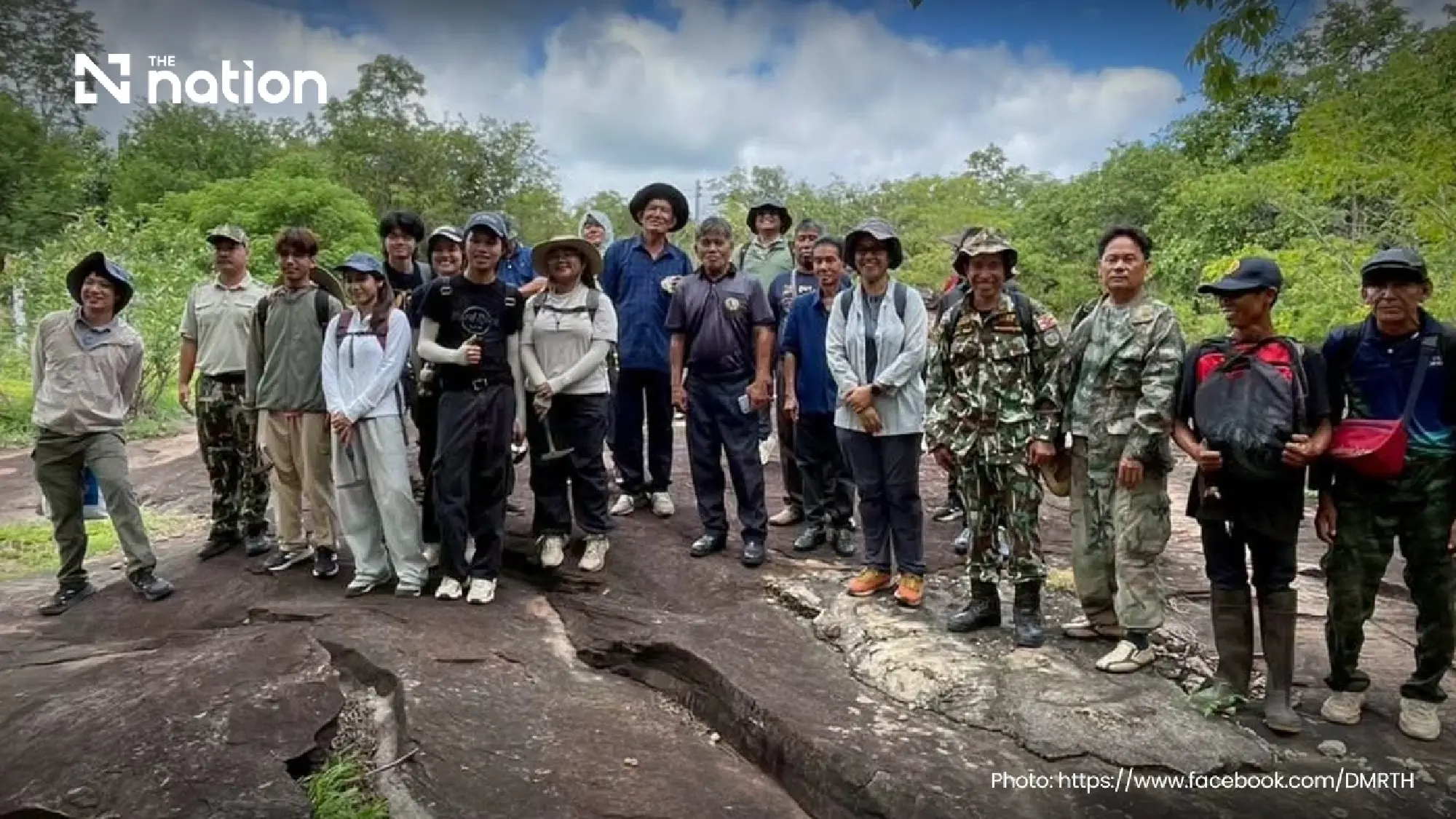
The inspection was carried out with Tong Khop Subdistrict Municipality, Phu Pha Yon National Park, local leaders and the Phu Pha Dang volunteer tour guide group.
From a stream to a major discovery
The fossil was originally found about 30 years ago by Samret Nonkhamwong, a resident of Ban Huai Hip. The discovery site was in the Hin Lap Phra stream, within the Phu Pha Dang tourist area of Phu Pha Yon National Park in Sakon Nakhon.
After recognising the significance of the find, the Phu Pha Dang volunteer tour guide group contacted the Sirindhorn Museum under the Department of Mineral Resources and notified local officials at Tong Khop Subdistrict Municipality, allowing relevant agencies to carry out the required inspection process.
Initial examination found that the specimen was a fossilised vertebra from a large carnivorous dinosaur embedded in fine-grained calcareous sandstone. As the fossil was found in a stream, officials believe it may have been carried there by water.
A survey of the surrounding rock layers has not found any additional fossils. The area consists of fine-grained reddish-brown sandstone, mudstone and carbonate nodules.
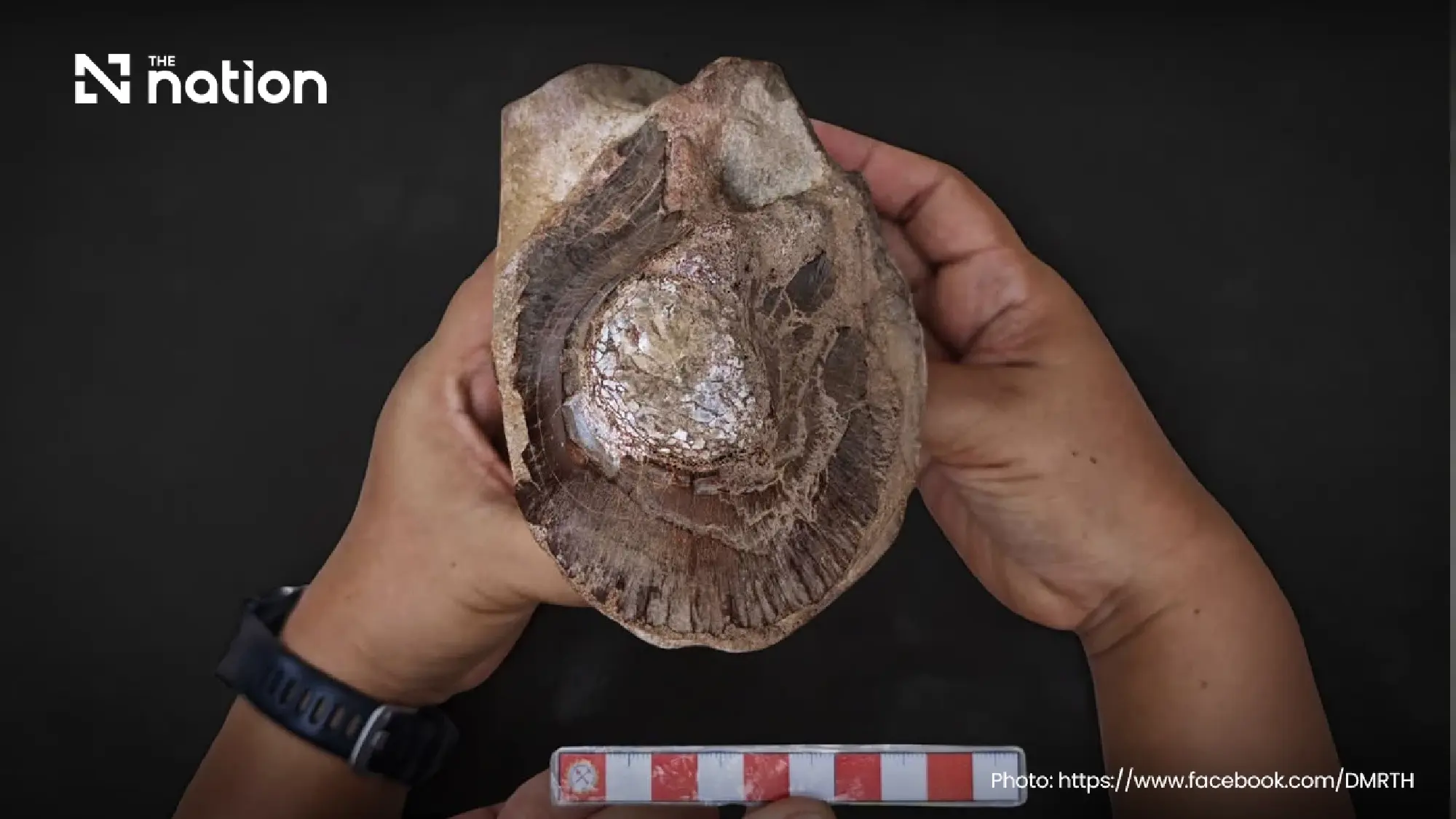
Based on the geological features and stratigraphy of the area, the fossil is believed to have come from sandstone in the Sao Khua Formation of the Khorat Group, dating to the Early Cretaceous period around 130 million years ago.
Several large carnivorous dinosaurs have previously been discovered in Thailand’s Sao Khua Formation, including Siamotyrannus isanensis, Siamosaurus suteethorni, Phuwiangvenator yaemniyomi and Vayuraptor nongbualamphuensis.
Expanding Thailand’s prehistoric knowledge
The Sirindhorn Museum is now conserving the specimen in its laboratory so researchers can study it further and identify the fossil more precisely. Once the process is complete, the fossil is expected to be returned for display at the Phu Pha Dang Visitor Centre.
Sakon Nakhon has yielded fossils in several areas, including species recognised as new to science. These include the ancient fish Siamamia naga, the crocodilians Siamosuchus phuphokensis and Varanosuchus sakonnakhonensis, as well as other fossils such as dinosaurs, turtles, freshwater sharks, reptile eggs and petrified wood.
The discoveries highlight Sakon Nakhon’s ancient biodiversity and reinforce the province’s importance as one of Thailand’s key palaeontological areas.
